In the world of industrial automation, getting to know the ins and outs of the Siemens Drive Motor is pretty essential. John Doe, who’s like a go-to expert in motor tech, really puts it plainly when he says, "Picking the right motor can seriously make or break how efficient your system runs." That’s a big deal for anyone shopping worldwide—it highlights just how crucial it is to make informed choices.
Siemens Drive Motors pretty much stand for reliability and top-notch performance. You’ll see them everywhere—whether it’s in manufacturing lines or transportation systems. But here’s the tricky part: buyers need to think about things like power ratings, efficiency, and whether they actually fit their setup. Even folks who are pretty familiar with these motors sometimes struggle to specify exactly what they need. The market’s packed with tons of options, which can be honestly pretty overwhelming, even for the pros.
At the end of the day, sacrificing quality or performance really isn’t worth it. It’s vital to weigh your options carefully and think about what your specific operations require. The Siemens Drive Motor isn’t just your average part—it’s a key player in modern engineering. Jumping into a quick decision might lead to efficiency headaches, so taking your time to evaluate will help make sure you pick the perfect fit for your project.

Understanding Siemens Drive Motors: Types and Applications
Understanding Siemens Drive Motors: Types and Applications
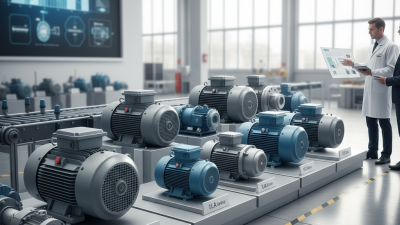
Siemens drive motors serve various industrial needs. They are crucial for automation and control systems. Users can select from several types, including AC motors, DC motors, and servo motors. Each type has specific strengths and applications. For example, AC motors are often preferred for their durability. DC motors offer precise speed control. Servo motors are essential for applications requiring high precision.
Applications span from manufacturing processes to transportation systems. In manufacturing, motors drive conveyors and robotic arms. In the transportation sector, they power electric vehicles and trains. Choosing the right motor is not always straightforward. Factors such as load requirements, efficiency, and environmental considerations play a key role.
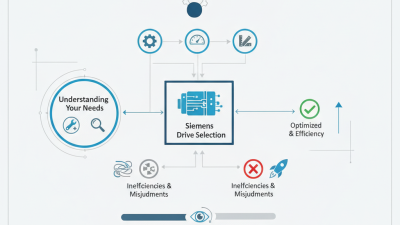
Many buyers struggle with details. Misunderstanding motor specifications can lead to inefficiencies. It's crucial to evaluate operational conditions to select the right type. Not every motor is ideal for every environment. Reflecting on these factors can prevent costly mistakes. Users should seek comprehensive insights into their specific needs before making a decision.
Key Features to Consider When Buying Siemens Drive Motors
When selecting drive motors, buyers should focus on several critical features. Efficiency is a primary consideration. A motor with high efficiency ensures lower energy consumption. This can lead to significant cost savings in the long run. Look for motors that adhere to global efficiency standards. These standards vary, so always verify.
Another important aspect is the motor's durability. Industrial environments can be harsh. Motors must withstand dust, moisture, and temperature extremes. Ensure the motor is rated for such conditions. Additionally, consider the ease of maintenance. A motor that is easy to service reduces downtime. Check if spare parts are readily available and if the design allows for quick access.
Compatibility with existing systems is often overlooked. Before purchasing, assess the motor’s integration with current equipment. This may require checking specifications and collaborating with engineers. Don’t hesitate to request expert advice. Even small discrepancies can cause issues later. A thorough understanding of the motor’s specifications will help prevent misunderstandings down the line.
Evaluating Efficiency Ratings of Siemens Drive Motors
When evaluating Siemens drive motors, efficiency ratings play a critical role. Efficiency is often measured using the International Electrotechnical Commission (IEC) standards. For instance, the IEC 60034-30-1 provides classifications such as IE1 through IE5. The higher the class, the better the efficiency. Motors classified as IE3 and IE4 exhibit operational efficiencies exceeding 90%. This can lead to significant energy savings, especially in large-scale applications.
In a recent report, energy losses in electric motors account for nearly 70% of industrial electricity consumption. Therefore, selecting a highly efficient drive motor is paramount. For instance, using an IE4 motor instead of an IE1 motor could save thousands of dollars annually in energy costs. Such data underlines the financial incentive to focus on efficiency ratings when purchasing these motors.
However, efficiency ratings alone may not paint the complete picture. Other factors, such as load conditions and application specifics, are also crucial. An efficient motor may not perform optimally under varying operational speeds or loads. Buyers should consider the context of usage instead of relying solely on efficiency ratings. Balancing efficiency with application requirements is essential for making informed purchasing decisions.
Comparing Cost Factors for Siemens Drive Motors in Different Markets
When purchasing drive motors, understanding cost factors in different markets is crucial. Recent industry reports indicate that the price of drive motors, such as the Delta Drive Motor, varies significantly. For example, costs in North America may range from $200 to $1,000 per unit, influenced by demand and supply chain dynamics. Meanwhile, European markets see prices between €250 and €1,200, reflecting varying regulations and standards.
Manufacturers often face challenges related to these cost differences. For instance, logistics expenses, import tariffs, and currency fluctuations can impact pricing strategies. Buyers should be aware that while initial costs are critical, long-term reliability and performance metrics usually outweigh these factors. Data from reliability studies suggest that spending slightly more on a robust model can lead to lower maintenance costs over time.
Identifying the right motor also involves examining technical specifications and application needs. For example, comparing energy efficiency ratings helps determine overall operational costs. Some markets prioritize motors with high energy efficiency, potentially resulting in better returns on investment. However, balancing upfront costs with operational features requires careful analysis. A strategic approach is important to ensure that buyers make informed decisions, ultimately leading to more effective procurement outcomes.
Top Suppliers and Manufacturers of Siemens Drive Motors Globally
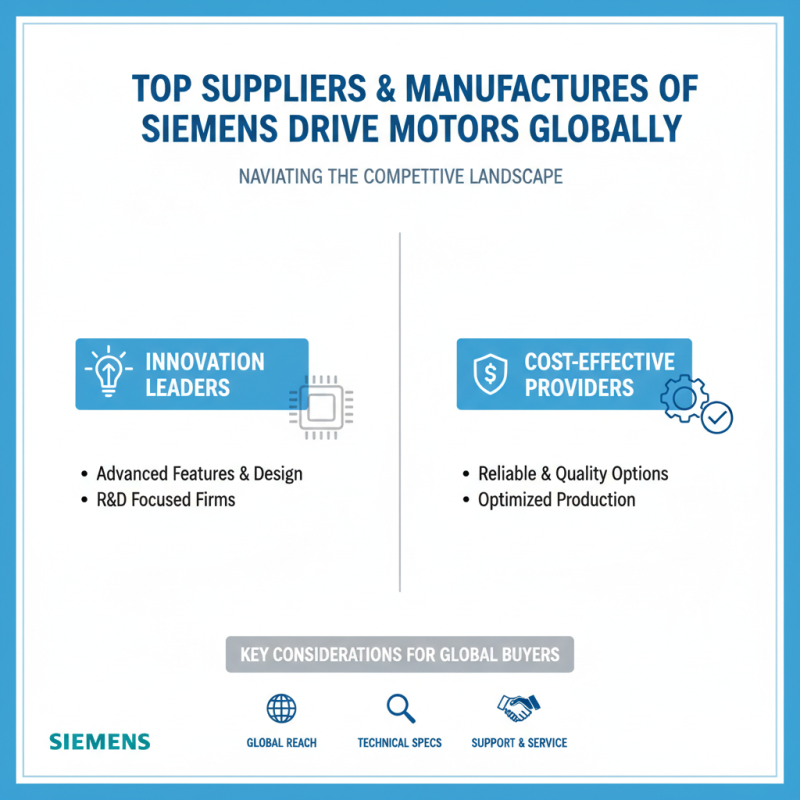
When considering Siemens drive motors, global buyers must navigate a competitive landscape filled with top suppliers. Understanding the strengths of each manufacturer is crucial. Some firms focus on innovation, offering advanced features in their motor design. Others may excel in cost-effectiveness, providing reliable options without compromising quality.
Select manufacturers often emphasize customer support and service. A company that prioritizes quick response times can make a difference in your supply chain. Ensuring that you have access to knowledgeable representatives is valuable, especially when troubleshooting issues or requiring technical guidance. Looking for suppliers that have a proven track record is essential.
In addition to typical electric motor offerings, consider options like Delta Ac Motor Drive systems. These products can enhance energy efficiency significantly while maintaining robust performance. Exploring niche products may provide unexpected advantages, reflecting a manufacturer's adaptability to market trends. However, not all products will meet every need, so careful consideration is necessary.
Maintenance Tips for Siemens Drive Motors to Ensure Longevity
Proper maintenance of drive motors is crucial for optimal performance and longevity. Regular inspections can help identify issues before they escalate. Pay attention to any unusual vibrations or noises. These could indicate wear or misalignment. Replacing worn parts promptly can prevent further damage. Keeping a clean environment around the motor reduces dust buildup. Dust can infiltrate components, leading to overheating and inefficiency.
Lubrication is essential for smooth operation. Use the right type and amount of lubricant for your drive motor. Over-lubricating can be as harmful as under-lubricating. Check manufacturer recommendations for guidance. Consider scheduling lubrication as part of a regular maintenance plan. Monitoring the temperature is equally important. Excessive heat can shorten the lifespan of a Delta Servo Motor Drive.
Another tip involves electrical checks. Ensure all connections are secure and free from corrosion. Regularly testing the electrical components can prevent unexpected failures. If you notice signs of electrical malfunction, address them quickly. Ignoring small issues can lead to bigger problems down the road. Schedules for maintenance should be adhered to strictly. Tweaking your approach as needed can help improve reliability.
Future Trends and Innovations in Siemens Drive Motor Technology
The future of Siemens Drive motor technology reveals exciting trends. Enhanced efficiency is a major focus. Innovations aim to reduce energy consumption significantly. New motor designs are adopting lighter materials. This change helps lower energy costs and improve performance.
Another trend is the integration of smart technology. Siemens Drive motors are becoming increasingly intuitive. They can offer real-time data for performance monitoring. This data provides invaluable insights into usage patterns. Users can optimize operations based on this information.
However, challenges remain. Many manufacturers struggle with the transition to these advanced technologies. Not all systems are compatible with new intelligence. Adopting Siemens Drive solutions may require additional training and investment. The industry's shift is not seamless. Feedback loops between manufacturers and users are essential for improvement.
2026 Projected Market Share of Drive Motor Technologies
This chart illustrates the projected market share for various drive motor technologies in 2026. AC motors are expected to dominate the market, followed by DC motors and servo motors. This trend highlights the ongoing advancements and innovations in motor technologies.
Exploring the Advantages and Applications of Siemens Compact Synchronous Servo Motor 1FK7042-5AF71-1FH5
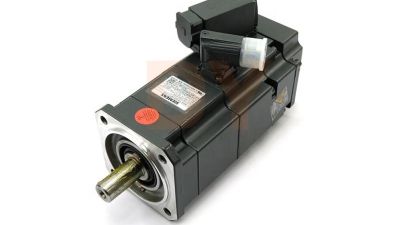
The compact synchronous servo motor is a vital component in the realm of industrial automation, particularly renowned for its outstanding precision and reliability. Among various options available, the model 1FK7042-5AF71-1FH5 stands out due to its robust construction and exceptional performance capabilities. This motor is engineered to meet the demands of diverse applications, making it an ideal choice for systems requiring accurate positioning and speed control.
One of the key advantages of the 1FK7042-5AF71-1FH5 motor is its compact design, which allows for easy integration into existing setups without consuming excessive space. Its efficient operation minimizes energy consumption while maximizing output, contributing to lower operational costs. Furthermore, the motor's advanced control technology ensures seamless synchronization and responsiveness, crucial for applications such as robotics, CNC machinery, and conveyor systems.
Additionally, the versatility of this motor enables it to be utilized in multiple sectors, including manufacturing, packaging, and automation. Its adaptability enhances productivity and efficiency across various processes. The combination of precision, durability, and efficiency makes the compact synchronous servo motor an invaluable asset in modern industrial environments, paving the way for innovations in automation technology.
FAQS
: Regular maintenance helps identify issues early, preventing escalation and ensuring optimal performance.
Pay attention to unusual vibrations or noises, which may indicate wear or misalignment.
Keep the area around the motor clean to reduce dust, which can lead to overheating.
Lubrication is essential for smooth operation; the right type and amount are crucial.
Over-lubricating can be harmful, just like under-lubricating. Both can cause issues.
Regularly check connections for security and corrosion to prevent unexpected failures.
Address signs of malfunction quickly; ignoring them can lead to bigger problems.
Excessive heat can shorten the lifespan of the motor, making temperature checks vital.
Adhere strictly to maintenance schedules and tweak your approach based on results.
Many struggle with compatibility issues and require training and investment for advancements.
Conclusion
The "2026 Top Siemens Drive Motor Buying Guide for Global Buyers" provides a comprehensive overview of key considerations for selecting Siemens Drive Motors. It begins with an explanation of the various types and applications of these motors, highlighting their versatility across different industries. Buyers are encouraged to focus on key features, including performance reliability and operational efficiency, while evaluating efficiency ratings to ensure optimal energy use.
Furthermore, the guide delves into cost factors affected by different market conditions, helping buyers make informed financial decisions. It also identifies top suppliers and manufacturers globally, ensuring access to quality products. Maintenance tips are provided to enhance the longevity of Siemens Drive Motors, while the guide concludes by discussing future trends and innovations that are set to shape the technology. This resource serves as an essential tool for global buyers aiming to understand and procure Siemens Drive Motors effectively.