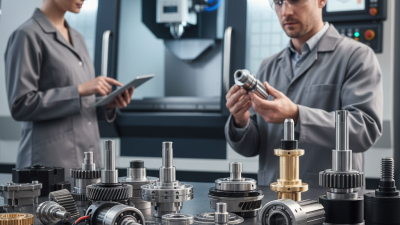
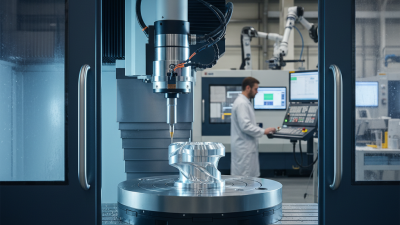
In the highly competitive world of global manufacturing, you can't really overlook how important the PLC CNC Machine has become. Just recently, a report from the International Federation of Robotics pointed out that the CNC machine market is expected to grow around 8% each year — which really highlights how much automation is on the rise. Industry experts, like Dr. Alan Stuart, who's pretty much a big name in CNC tech, mention that "PLC CNC Machines are seriously changing the game when it comes to precision in production." Basically, these machines deliver incredible accuracy, cut down on waste, and boost overall productivity. Plus, companies all over the globe are attracted to how easily they can be integrated with existing systems. That said, I know a lot of businesses still struggle with figuring out which tech is right for them. Taking the time to carefully assess both current needs and future plans is super important.
That said, there’s a common hurdle: the complexity involved in setting everything up. Many companies find it tricky to train their staff properly on these new PLC CNC Machines, which can end up leading to underuse or unexpected costs down the line. For manufacturers who are serious about being top of their game, adopting this tech strategically is a must. But really, it’s all about careful planning and thinking ahead. Getting to grips with both the perks and potential pitfalls is key if you want to unlock the full potential of PLC CNC Machines in today’s manufacturing scene.
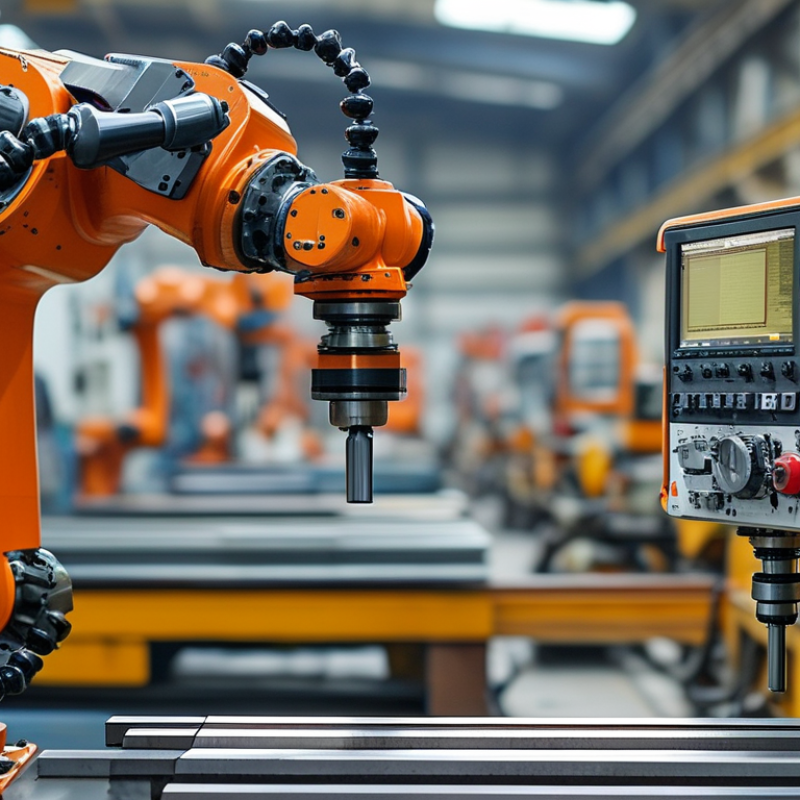
Benefits of PLC CNC Machines: An Overview for Global Buyers
PLC CNC machines offer several advantages that global buyers should consider.
These machines provide high precision in manufacturing processes. The integration of
Programmable Logic Controllers (PLC) enhances automation.
This leads to reduced human error and improved product quality. Efficiency improves
significantly. More products can be produced in less time, ultimately increasing profitability.
Furthermore, PLC CNC machines are highly versatile. They can handle various materials,
from metals to plastics.
This flexibility makes them suitable for different industries. Buyers may find this adaptability crucial for their operations. However, the initial
investment can be substantial. It's important to weigh this cost against long-term savings and productivity gains.
Training and maintenance also require attention. Operators need specific skills to
manage these advanced tools effectively. Buyers must ensure staff are competent to maximize machine use. Regular maintenance is essential to
prevent downtime. Failing to address these areas can hamper productivity and increase operational costs. Evaluating these factors can lead to
better decision-making for global buyers.
Enhanced Precision: Statistical Improvements in Manufacturing Accuracy
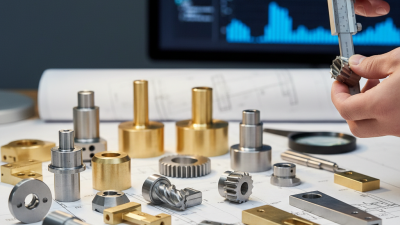
Using PLC CNC machines has transformed manufacturing processes around the globe. Enhanced precision is one of the standout benefits that appeals to many buyers. Statistical improvements show that these machines can achieve remarkable levels of accuracy. This accuracy often exceeds traditional machining methods by a significant margin. For example, tolerances can be maintained within just a few microns, ensuring quality in every product produced.
Incorporating PLC CNC machines into your workflow isn't just about high-tech equipment. It's about rethinking your operational processes. One tip is to provide sufficient training for all operators. Proper training can help them understand the full capabilities of the machines. As a result, this can reduce errors and optimize performance. Maintaining communication between teams will enable continuous improvement in production accuracy.
Another aspect to consider is routine equipment maintenance. Machines require regular checks to avoid precision loss. Forgotten maintenance can lead to degradation in manufacturing accuracy over time. Hence, establishing a maintenance schedule will help sustain high standards. Measure the results frequently and question your current processes. This way, you can identify areas for improvement, ensuring your production remains at peak performance.
Cost Efficiency: Analyzing ROI from PLC CNC Technologies
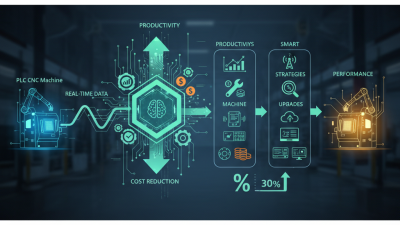
PLC CNC machines are revolutionizing manufacturing processes worldwide. Their integration offers significant cost efficiency, an essential factor for global buyers. Understanding ROI from these technologies could enhance operational profits.
The initial investment in PLC CNC machines often raises concerns. However, the ability to automate tasks leads to reduced labor costs. Precision and speed minimize waste, providing immediate savings. Over time, these savings multiply, showcasing the technology's true value.
Tips: Consider start-up costs versus long-term benefits. Analyze maintenance expenses and potential downtime. Additionally, think about the capability for future upgrades, which can affect overall ROI. Implementing these machines requires a thoughtful strategy to maximize efficiency. Identify areas of improvement in your workflow to see where PLC CNCs can truly shine.
Increased Production Speed: Data on Cycle Time Reduction
The integration of Cnc Plc machines significantly enhances production speed. Data shows that businesses can reduce cycle times dramatically. For example, automating tasks with CNC PLC systems can cut the time needed for parts fabrication by over 30%. This efficiency isn't just about speed; it's about precision, too. A faster operation means quicker turnaround on projects while maintaining high quality.
However, adopting these machines does present challenges. Some operators may struggle with the initial learning curve of complex software. Transitioning from traditional methods requires training and dedication, which can slow down progress initially. It's essential to invest in proper education for all users to realize the full potential of CNC PLC technologies.
In practical terms, this means understanding the workflow and machine capabilities. Even small errors in setup can lead to larger delays down the line. Effective monitoring and adjustment are crucial to pushing efficiency forward. Embracing these machines can yield great benefits, but only with a commitment to continuous improvement and skilled personnel.
Flexibility in Design: Adapting to Market Needs with CNC Machines
CNC machines have revolutionized the manufacturing landscape, providing global buyers with unparalleled flexibility in design. The adaptability of CNC machines allows manufacturers to cater to evolving market demands with ease. For instance, a recent report from the International Federation of Robotics indicates that CNC machine sales have surged by over 35% in the past four years, highlighting their essential role in modern production.
Companies utilizing Cnc And Plc technologies can swiftly modify designs according to customer feedback. This rapid adaptation can significantly decrease lead times and enhance customer satisfaction. However, the initial investment in CNC and PLC systems can be a barrier for some businesses. Many hesitate to commit to technology that may appear complex or overwhelming. The challenge lies in aligning operational capabilities with market trends. Companies must weigh the costs and benefits carefully, as not all investments yield immediate returns.
Despite these challenges, the long-term benefits of integrating CNC machines are compelling. Industries have noted a 25% increase in production efficiency once transitioning to CNC systems. Embracing this technology can be daunting, but the flexibility in design it offers is undeniable. Markets continue to evolve, and staying competitive often hinges on the ability to adapt swiftly.
User-Friendly Interfaces: Training and Operational Success Rates
User-friendly interfaces in PLC CNC machines play a crucial role in operational success rates. Industry reports indicate that organizations leveraging intuitive designs experience a 30% reduction in training time. This reduction translates to faster productivity gains. Workers can navigate controls more easily, leading to fewer errors and enhanced performance.
Training programs often highlight the importance of practical experience with these interfaces. According to data from a 2023 manufacturing survey, companies implementing user-friendly Plc Cnc Automation saw a 25% increase in proficiency among operators within three months. These machines reduce the complexity of operations and make them more accessible to a broader range of employees. However, organizations should not overlook the need for ongoing training and assessment.
Despite the advantages that come with user-friendly designs, there are challenges. Some operators may struggle to adapt to technology changes. As machinery evolves, constant engagement is necessary to maintain a skill set. Furthermore, while the interfaces are intended to streamline processes, they can sometimes lead to over-reliance on technology. A balanced approach to training and technology will cultivate both operator confidence and machine efficiency.
Maintenance and Support: Industry Standards for Longevity and Reliability
Maintenance and support play a crucial role in ensuring the longevity and reliability of PLC CNC machines. Research indicates that regular maintenance can reduce unexpected breakdowns by up to 40%. This means fewer production interruptions and a more efficient workflow. Buyers should be aware that investing in quality maintenance services can significantly extend the machinery’s lifespan.
Professionals recommend following a proactive maintenance schedule. Checking software updates and conducting regular inspections can prevent costly repairs. It is also vital to train operators to recognize early signs of wear. Keeping machinery, such as the
1200 Plc Siemens, in optimal condition requires a strong commitment to routine care.
Data suggests that machine downtime results in an average loss of $260,000 per hour for manufacturing businesses. This staggering figure highlights the importance of effective support systems. While most machines come with standard support, seeking additional services tailored to your needs can yield greater reliability. Remember, even the best machines need attention to operate efficiently, reflecting on how best to adapt your strategies for future growth.
FAQS
: PLC CNC machines offer enhanced precision and can maintain tolerances within a few microns, improving product quality.
Proper training is crucial as it helps operators understand machine capabilities, thus reducing errors and optimizing performance.
Maintaining communication between teams enables continuous improvement and can significantly enhance production accuracy.
Regular maintenance prevents precision loss and degradation of manufacturing accuracy over time, helping sustain high standards.
Intuitive designs can reduce training time by 30%, allowing workers to navigate controls easily and enhancing productivity.
Organizations may see a 25% increase in operator proficiency within three months of implementing user-friendly PLC CNC machines.
Some operators may struggle to adapt to technology changes, emphasizing the need for ongoing training and skills engagement.
Yes, over-reliance on technology can occur, highlighting the importance of a balanced approach to training and operations.
Companies should offer ongoing training and assessment to ensure operators remain skilled and confident in using the technology.
Companies should frequently measure results and question current processes to identify areas for improvement in production performance.
Conclusion
The use of PLC CNC machines offers numerous advantages for global buyers seeking to enhance their manufacturing capabilities. One of the most significant benefits is the improved precision they provide, leading to statistical improvements in manufacturing accuracy. This precision translates into cost efficiency, as companies can analyze the return on investment from implementing PLC CNC technologies. Moreover, these machines have been shown to increase production speed, evidenced by data on cycle time reduction, enabling businesses to meet tight deadlines and market demands.
Flexibility in design is another key benefit of PLC CNC machines, allowing manufacturers to quickly adapt to changing market needs. Their user-friendly interfaces facilitate training and enhance operational success rates, making it easier for teams to utilize the technology effectively. Additionally, PLC CNC machines are built with maintenance and support in mind, adhering to industry standards that ensure longevity and reliability, making them a worthwhile investment for manufacturers around the globe.