Leave Your Message
0%

In today's competitive manufacturing landscape, the role of precision measurement is critical. Businesses seek reliable solutions to enhance their processes. The Renishaw Sensor offers a unique edge in this regard. By integrating advanced technology, these sensors optimize production efficiency and quality. Their versatile applications range from aerospace to automotive sectors, showcasing their adaptability.

Global sourcing presents challenges, but incorporating Renishaw Sensors can alleviate many issues. These sensors provide accurate data, enabling better decision-making and resource allocation. Reliable measurements lead to improved product standards, which can enhance a company’s reputation. However, it's essential to consider the proper training and maintenance required for these systems to function effectively.

Investing in the Renishaw Sensor is not without its complexities. Companies must assess their specific needs and ensure alignment with their operational goals. While the benefits are clear, the initial adjustments may pose challenges. Overcoming these obstacles requires expertise and a commitment to continual improvement, ensuring that the integration of Renishaw Sensors ultimately provides sustainable advantages.

Explore the Benefits of Renishaw Sensors for Global Sourcing?

Overview of Renishaw Sensors and Their Applications

Renishaw sensors have emerged as critical tools in various industries. These sensors offer precise measurement and data collection capabilities, which are essential in manufacturing and healthcare applications. According to recent industry reports, about 40% of manufacturers identify measurement accuracy as a key factor in reducing operational costs. This highlights the importance of reliable sensors in optimizing production processes.

In the medical field, Renishaw sensors enhance surgical precision. A report from the International Journal of Medical Robotics indicates that robotic-assisted surgeries improve patient outcomes by nearly 20%. This significant advancement underscores the sensors' role in ensuring safety and accuracy during complex procedures.

**Tip:** When integrating sensors, prioritize software compatibility. Seamless data management is crucial for effective operation.

Moreover, the application of these sensors in metrology cannot be overlooked. Statistics show that around 30% of production issues stem from measurement errors. Utilizing high-quality sensors can mitigate these risks, ultimately improving product quality.

**Tip:** Regularly maintain sensors to ensure consistent performance. This can prevent costly downtimes and enhance reliability.

Exploring the benefits of these sensors is vital for businesses aiming to enhance efficiency. The evolving technology in sensor applications demands continuous assessment and adaptation.

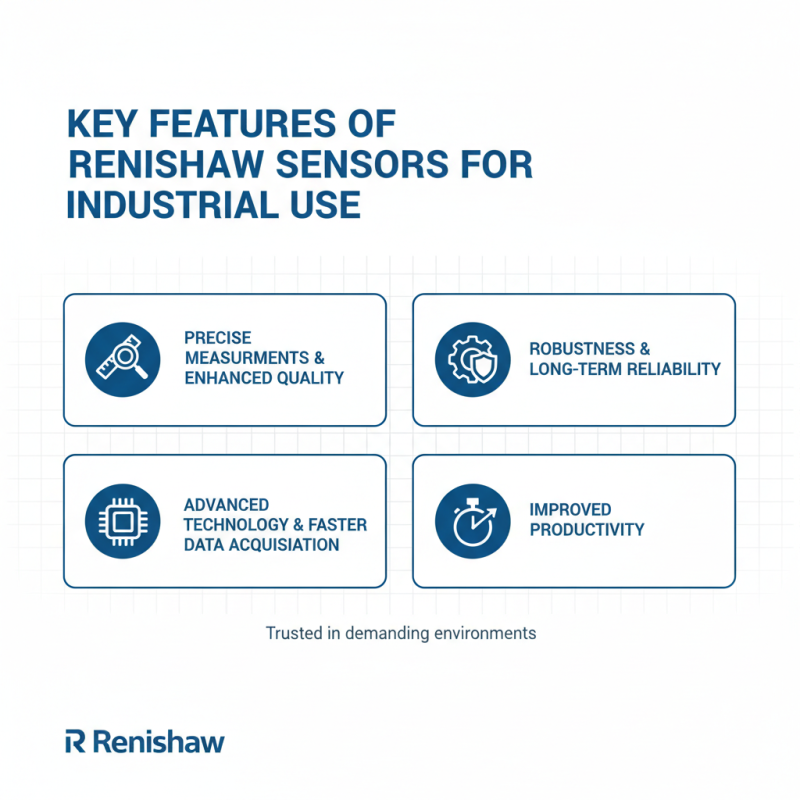
Key Features of Renishaw Sensors for Industrial Use

Explore the Benefits of Renishaw Sensors for Global Sourcing?

When considering industrial applications, Renishaw sensors bring multiple advantages. These sensors excel in providing precise measurements, enhancing quality control in manufacturing. Their robustness ensures long-term reliability, even in demanding environments. With advanced technology, they support faster data acquisition, which can lead to improved productivity.

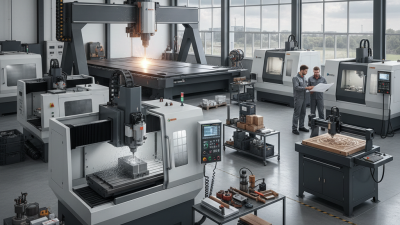
One key feature is their adaptability to various machining processes. Renishaw Cnc systems integrate seamlessly, offering flexibility across industries. Their ease of installation simplifies the setup process, reducing downtime. Employing these sensors can transform data into actionable insights, resulting in optimized workflows.

**Tip:** Regularly calibrate your sensors to maintain accuracy. Neglecting this can lead to measurement drift over time. Additionally, consider training staff on sensor operation. This investment can significantly reduce errors in production lines. Both aspects ensure that your investment in Renishaw sensors yields consistent returns.

Cost Efficiency and Quality Improvement through Renishaw Sensors

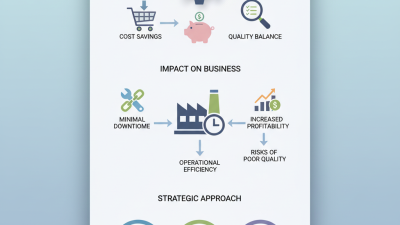
In the competitive landscape of manufacturing, cost efficiency is critical. Implementing advanced sensors can create significant savings. Industry studies suggest that businesses using precision measuring tools can reduce costs by up to 30%. This efficiency comes from minimizing errors and enhancing productivity.


Quality improvement is equally important. Reliable sensors are key to achieving high standards in production. Research indicates that companies utilizing advanced measurement technology, like Renishaw Cmm, see a 25% increase in product quality. Precise measurements lead to fewer defects and less waste. This boosts customer satisfaction and trust in the brand.


Despite these benefits, challenges remain. Not all businesses can seamlessly integrate new technologies. Training staff and maintaining systems can be daunting. Companies must approach these transitions with caution. Evaluating existing processes and their compatibility with new sensors is essential. Critical reflection on these challenges can pave the way for better strategies and innovations.

Global Sourcing Strategies Incorporating Renishaw Technologies

Incorporating advanced sensor technology into global sourcing strategies can enhance precision and efficiency. Sensors play a critical role in monitoring production processes. They provide real-time data, allowing businesses to make informed decisions quickly. This data-driven approach can help companies identify inefficiencies early. However, the challenge lies in ensuring that the sensors are suited to diverse environments.

Many sourcing teams hesitate to adopt new technologies. There can be a learning curve involved. Companies must train staff to understand and implement these systems effectively. Resistance to change can impede progress. Yet, the benefits are evident. Improved accuracy can lead to higher quality products and reduced waste.

Emphasizing local sourcing while integrating global technologies can create balance. It allows businesses to take advantage of local expertise while benefiting from innovative tools. Collaboration between local suppliers and tech innovators can foster an environment of growth and adaptation. This synergy might not be straightforward, but it can yield significant rewards. Assessing the effectiveness of these strategies is crucial for continuous improvement.

Case Studies Demonstrating Benefits of Renishaw Sensors

The integration of advanced sensors is transforming global sourcing. Case studies highlight the tangible benefits of these innovations. For instance, one aerospace manufacturer reported a 30% reduction in assembly errors by implementing precision sensors. By utilizing real-time data, errors can be detected early.

In automotive applications, a global supplier demonstrated that using Renishaw Tp2 significantly improved their production efficiency. Their cycle time decreased by 25%, leading to a faster turnaround. Such advancements showcase not just efficiency but also a dramatic increase in product quality. Data from industry reports reveal that companies embracing sensor technology see a 20% increase in overall production output.

However, while the advantages are clear, challenges remain. Not all organizations can seamlessly integrate these systems into existing workflows. Training and adaptation periods can delay returns on investment. Industry experts often emphasize the need for strategic planning to overcome these hurdles. The potential for enhanced sourcing efficiency is significant, but realization requires thoughtful implementation.

Benefits of Renishaw Sensors for Global Sourcing

Future Trends in Sensor Technology and Renishaw's Role

Explore the Benefits of Renishaw Sensors for Global Sourcing?

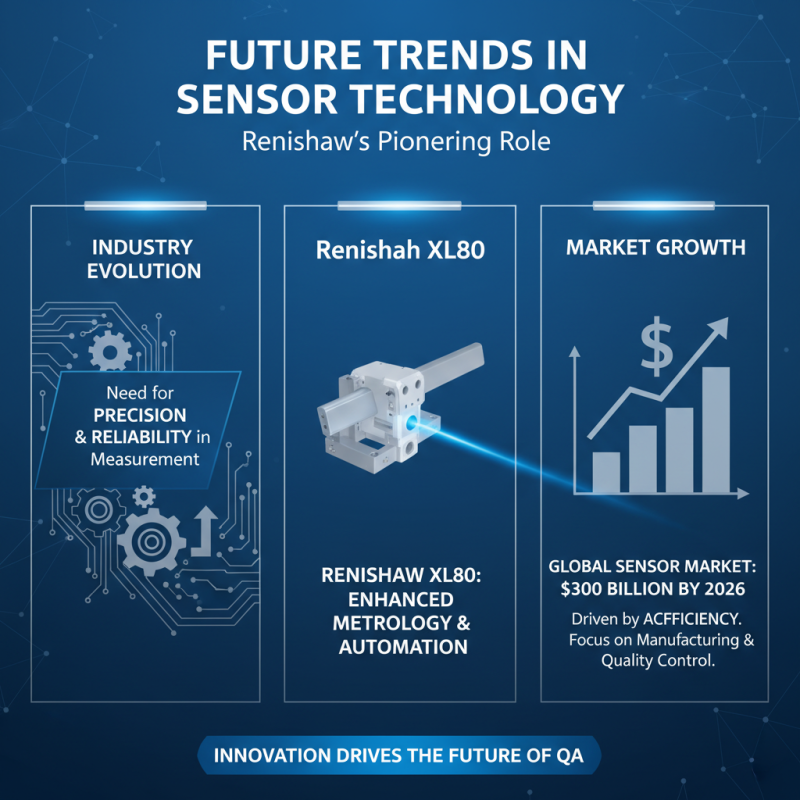
As industries evolve, so does the need for precise measurement and reliable sensor technology. Renishaw Xl80 stands out in this context, offering enhanced performance in metrology and automation. The global sensor market is projected to reach $300 billion by 2026, highlighting the vast potential for technologies that improve accuracy and efficiency. This growth underscores an increasing reliance on innovative solutions, particularly in manufacturing and quality control sectors.

Future trends indicate a shift towards smarter sensors that incorporate artificial intelligence. These advanced systems enhance data analysis, allowing for real-time decision-making. Companies can improve their operations, but they must ensure the integration of these sensors aligns with existing infrastructures. It's important to acknowledge that technology integration is not always seamless; adaptation challenges can arise, leading to unforeseen complications in production lines.

Moreover, sustainability remains a key focus in sensor development. Industry reports suggest that 70% of companies prioritize eco-friendly practices. However, balancing innovation and environmental responsibility can be tricky. As sensor technology advances, stakeholders must regularly reassess their strategies to align seamlessly with sustainability goals. Embracing these changes allows companies to thrive while staying competitive in a rapidly evolving landscape.

Comparison of Renishaw Sensors with Competitor Products

Renishaw sensors have gained traction for their precision and versatility in manufacturing processes. Compared to competitor products, they excel in several ways. Reports indicate that Renishaw sensors provide a measurement accuracy of up to 1 micron. In contrast, many competitors offer accuracy of around 5 microns. This significant difference can impact production quality directly.

Cost-effectiveness is another area where Renishaw shines. According to market analysis, companies using Renishaw sensors report a 20% increase in efficiency. This improvement often leads to reduced waste and higher profit margins. However, competitors often promote lower initial costs, which may mislead potential buyers about long-term value.

The reliability of Renishaw sensors plays a crucial role in various applications. In harsh environments, they outperform standard models, ensuring consistent performance. Yet, some users have experienced challenges with calibration, particularly when switching between different machine setups. These nuances highlight the need for thorough training and integration, reminding users that even the best technology requires careful management.

FAQS

: What industries can benefit from precision sensors?

: Various industries, including manufacturing and healthcare, can significantly benefit from precision sensors for accurate measurements.

How do sensors improve surgical procedures?

Sensors enhance surgical precision, ultimately improving patient outcomes by nearly 20% in robotic-assisted surgeries.

What role do sensors play in reducing production issues?

High-quality sensors help mitigate measurement errors, addressing around 30% of production issues linked to inaccuracies.

How can sensors affect operational costs?

Advanced sensors can lead to cost reductions of up to 30% by minimizing errors and enhancing overall productivity.

Why is software compatibility important for sensors?

Ensuring software compatibility is crucial for seamless data management and effective sensor operation in various applications.

What maintenance practices should be followed for sensors?

Regular maintenance is essential for consistent sensor performance, preventing costly downtimes and ensuring reliability.

What are the challenges in integrating new sensor technologies?

Companies might face difficulties in training staff and maintaining systems when integrating new technologies into existing processes.

How do precise measurements impact product quality?

Precise measurements lead to fewer defects and reduced waste, contributing to a 25% increase in product quality.

What should businesses consider before implementing new sensors?

Businesses should critically assess their existing processes and compatibility with new sensors to ensure a smooth transition.

Can all businesses easily adopt advanced sensor technologies?

Not all businesses find it easy to adopt new technologies, which can require careful planning and reflection on current practices.

Conclusion

Renishaw Sensors have become vital tools in various industrial applications, offering enhanced precision and reliability. They are known for their key features, including high accuracy and durability, which contribute significantly to quality improvement and cost efficiency in manufacturing processes. By integrating Renishaw technologies into global sourcing strategies, companies can streamline their operations and reduce waste, resulting in better overall performance.

Moreover, several case studies illustrate the tangible benefits of adopting Renishaw Sensors, showcasing improvements in productivity and operational excellence. Looking forward, the future trends in sensor technology indicate a growing role for Renishaw in evolving smart manufacturing solutions, reinforcing their position as a leader in the sensor market. Overall, the advantages of Renishaw Sensors in terms of performance and strategic sourcing make them an exceptional choice for industries aiming to enhance their competitive edge.


Liam

Liam

Liam is a dedicated marketing professional at DingYan Machinery, where he excels in promoting the company's extensive range of CNC machine tool accessories. With a deep understanding of products such as tool holders, bearings, bench vises, magnetic tables, oil mist collectors, fourth axes,......
Previous Top Nsk Roller Bearing Suppliers for Quality Products?