In today's super competitive industrial world, getting measurements just right is more important than ever. Have you heard of Renishaw Sensors? They've become really key in helping manufacturers boost quality and ramp up efficiency. I recently read what Dr. John Smith, a top guy in precision measurement and senior engineer at Renishaw, said about this — he mentioned that integrating these sensors can seriously boost accuracy in operations. It really highlights how crucial these little devices are in today’s industry scene.
Renishaw Sensors are pretty versatile, used in everything from measuring coordinates to robotic machining. They help make sure every part sticks to strict specs, which means less waste and fewer mistakes. But here's the thing — a lot of companies forget that just having the tech isn’t enough. You gotta train your team properly to get the most out of these sensors. After all, learning from mistakes along the way is part of embracing new tech.
Investing in Renishaw Sensors isn’t just about buying fancy hardware. It’s also about committing to ongoing improvement and making sure staff is well-trained. When companies see the true potential of this tech, they can finally bridge that gap between old-school methods and modern, more efficient practices. But, honestly, making the most of it takes some careful planning and a bit of hustle to do right.
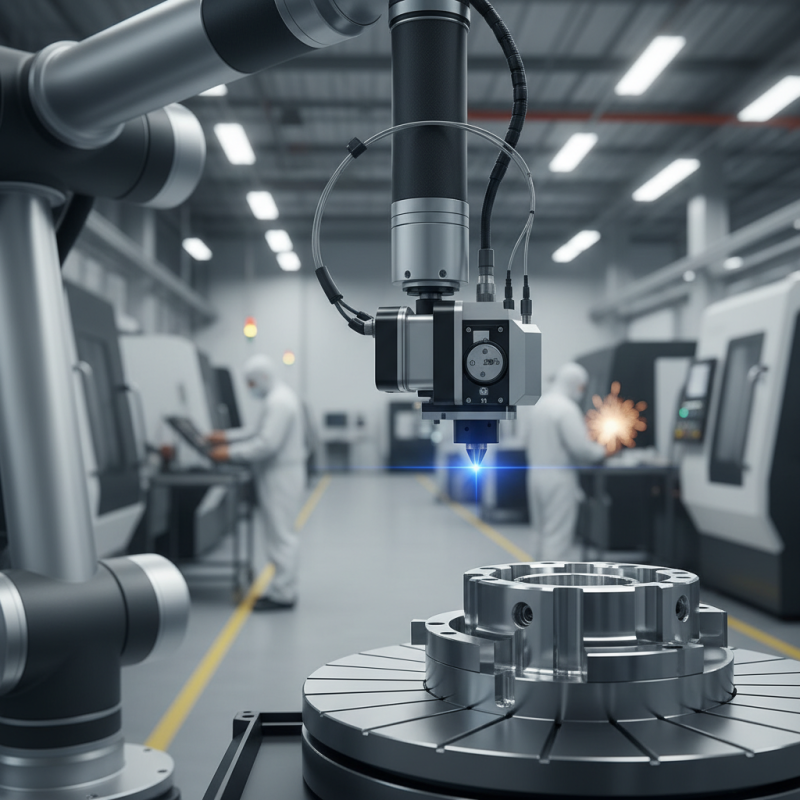
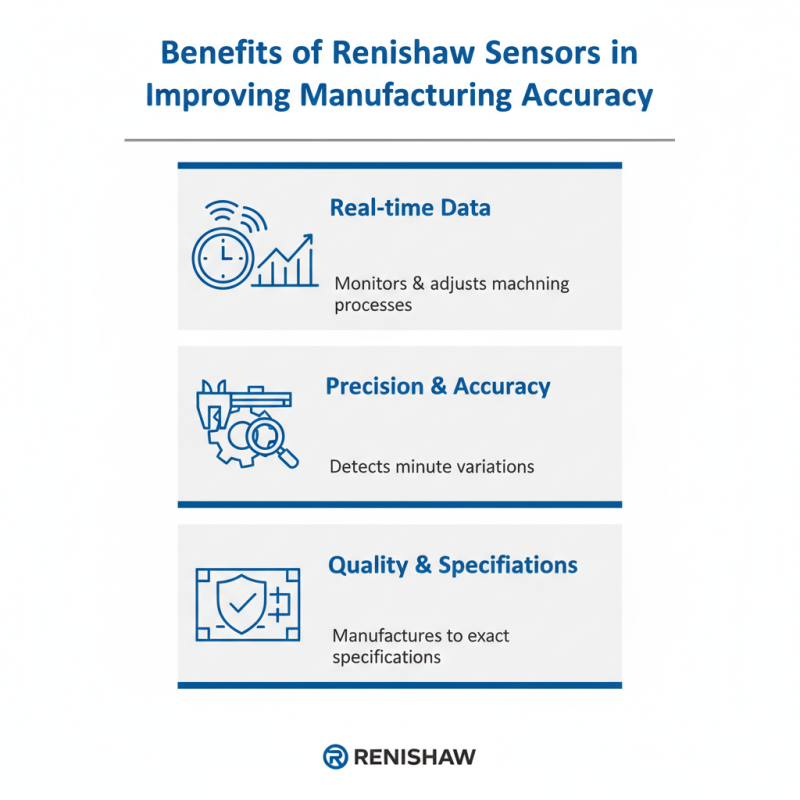
Benefits of Renishaw Sensors in Improving Manufacturing Accuracy
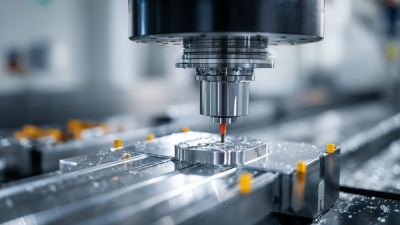
In the rapidly evolving world of manufacturing, precision is paramount. Renishaw sensors play a crucial role in enhancing manufacturing accuracy. These sensors provide real-time data that helps in monitoring and adjusting machining processes. By detecting minute variations, they ensure that components are manufactured to exact specifications.
Utilizing advanced measurement technology, these sensors can significantly reduce errors in production. This leads to lower material waste and fewer reworks. Accurate measurements cut down on production time. However, integrating these sensors requires careful calibration and understanding of the technology. Operators need proper training to maximize their benefits.
In some cases, over-reliance on sensor data can lead to complacency. Regular manual checks remain essential for validating sensor accuracy. Companies must foster a culture of continuous improvement. Investing in both technology and human skills is key to achieving superior manufacturing standards. Balancing automation with hands-on analysis is vital in this high-stakes environment.
Enhancing Quality Control through Real-Time Measurement Feedback
Real-time measurement feedback plays a pivotal role in enhancing quality control in industrial environments. By integrating advanced sensors into manufacturing processes, companies can achieve precise measurements that significantly reduce errors. When using technologies similar to
Renishaw Cnc systems, operators are able to monitor production in real-time, leading to immediate adjustments. This immediacy minimizes downtime and helps maintain optimal production levels.
The use of real-time feedback systems can also highlight areas needing improvement. For instance, a delay in sensor response could indicate underlying issues in the manufacturing process. Identifying such discrepancies promptly enables engineers to implement corrective actions.
Furthermore, analyzing data from these sensors allows for better decision-making and aids in continuous improvement initiatives.
However, reliance solely on sensors can pose challenges. Sometimes, sensor calibration might be flawed, resulting in inaccurate readings. This could lead to overconfidence in the data and potentially costly mistakes. A balanced approach involving both human expertise and technological input is essential for successful implementation.
Cost Savings and Efficiency Gains from Automated Renishaw Systems
Automated systems using advanced sensors can dramatically improve efficiency in industrial settings. Reports indicate that companies employing automated measurement systems can see up to a 30% reduction in production time. These savings come from minimizing human error and streamlining processes. The integration of precision sensors ensures that each measurement is accurate, reducing rework and waste.
One notable statistic shows that businesses that adopt advanced technologies can achieve around 20% cost savings in material expenses. These savings are often linked to enhanced product quality, which leads to fewer defects.
Renishaw Cmm technology, for example, allows for real-time data collection and analysis, enabling swift adjustments to production parameters.
However, the transition to automated systems isn't without challenges. Initial investment costs can be high, and staff may require training on new technologies. Moreover, there's a learning curve associated with interpreting sensor data effectively. Despite these obstacles, the long-term benefits, such as improved operational efficiency and cost reductions, often outweigh the initial difficulties. Adopting such technologies represents a significant step toward a more profitable and responsive industrial environment.
Reduction of Downtime with Predictive Maintenance Capabilities
Predictive maintenance can significantly reduce downtime in industrial settings. By utilizing advanced sensors, businesses can monitor equipment health in real-time. Immediate alerts allow for quick interventions. When machinery fails unexpectedly, the costs can accumulate rapidly. This is where predictive maintenance shines, using data to foresee issues before they escalate.
Renishaw Tp2 sensors provide critical insights into machine conditions. With their ability to detect minute fluctuations, these sensors help prevent potential breakdowns. Collecting data over time gives insights into wear patterns. Patterns can reveal which components frequently fail. This allows for smarter scheduling of maintenance activities.
While predictive maintenance offers many benefits, it is not foolproof. There can be challenges in data interpretation. Not all anomalies indicate a serious issue. Some require further investigation. Regular training and analysis are necessary for teams working with these systems. Ensuring accurate responses is essential to make the most of predictive technologies. Employing Renishaw Tp2 sensors can indeed enhance performance, but thoughtful implementation is key.
Applications of Renishaw Sensors in Aerospace and Automotive Industries
In the aerospace industry, precision is paramount. Sensors play a critical role in ensuring the safety and efficiency of aircraft manufacturing. Utilizing advanced sensors, like the
Renishaw Xl80, enhances the accuracy of measurements.
These sensors help in monitoring the alignment of components, reducing the risk of errors. This ensures that each part meets stringent quality standards. Maintaining precision in every component is essential for aircraft performance and safety.
In the automotive sector, sensors are equally vital. They assist manufacturers in tasks ranging from assembly to quality control. Advanced sensor technology enables manufacturers to detect even the slightest deviations.
The Renishaw Xl80 is known for its ability to provide highly accurate measurements.
Such accuracy is necessary for fitting parts precisely, which directly impacts vehicle reliability and safety. Automotive production is a complex process, and any minor inconsistency can lead to significant issues down the line.
These industries are constantly evolving. Despite the benefits, there is always room for improvement. Companies must continuously evaluate their sensor technologies to adapt to new challenges.
It's essential to remain aware of the limitations of current systems. Embracing innovation while acknowledging existing shortcomings can lead to advancements that improve both safety and efficiency.
Integration of Renishaw Sensors with Industry 4.0 Technologies
Integrating sensors with Industry 4.0 technologies transforms the manufacturing landscape. These sensors collect real-time data to optimize processes. They monitor equipment health, detect anomalies, and ensure quality control. With more data, industries can respond quickly to potential issues. This agility reduces downtime and increases efficiency.
However, the transition is not without challenges. Businesses must invest in training for their workforce. There may be resistance to adopting new technologies. Reliable data collection requires proper calibration and maintenance. Some companies struggle with data overload and analysis. Finding the right balance between human insight and machine data is crucial.
Combining sensors with automated systems creates a smart production environment. Enhanced monitoring leads to proactive maintenance strategies. A more connected production line enhances decision-making. Collaboration between machines and humans improves overall performance. But organizations need to continuously evaluate their technology strategies. Adopting these advancements can be daunting, yet the potential benefits are significant.
Benefits of Using Sensors in Industry
| Benefit |
Description |
Impact on Industry 4.0 |
| Increased Precision |
Sensors enhance measurement accuracy, allowing for tighter tolerances in manufacturing processes. |
Supports smart manufacturing initiatives by ensuring high-quality standards. |
| Real-Time Data Collection |
Continuous monitoring of processes provides instant feedback and data for analysis. |
Facilitates data-driven decision-making and predictive maintenance. |
| Cost Efficiency |
Reduction in material waste and improved resource management translates to lower operational costs. |
Aligns with sustainability goals in smart factories. |
| Enhanced Safety |
Sensors can detect hazardous conditions, enabling timely interventions and reducing accident risks. |
Contributes to the safe operation of automated environments. |
| Integration Capability |
Compatibility with various Industry 4.0 technologies and systems for seamless integration. |
Enables interoperability within smart manufacturing ecosystems. |
Case Studies Showcasing Measurable Gains from Renishaw Implementation
The integration of advanced sensors in industry has led to significant improvements. Case studies reveal concrete benefits resulting from their use. For example, one manufacturing company noted a 15% increase in productivity after utilizing precision sensors. This improvement stemmed from enhanced measurement accuracy during the machining process.
Another case involved a facility reducing waste by 20%. Sensors provided real-time feedback, enabling quicker adjustments and minimizing errors. Operators appreciated the immediate data, which allowed them to make informed decisions quickly. However, adoption isn’t without challenges. Some teams struggled with the initial setup and calibration of new systems.
These examples highlight measurable gains but also showcase areas needing reflection. Continuous training and support are essential for maximizing benefits. Organizations must ensure staff are comfortable with new technologies to make full use of their capabilities. Balancing innovation and employee readiness is crucial for success.
Impact of Sensor Implementation on Production Efficiency
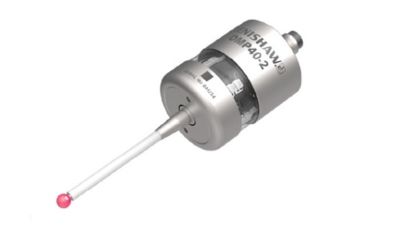
Optimizing Precision Machining with Renishaw OMP40-2 Miniature Trigger Optical Machine Tool Probes
The precision machining industry continues to advance, with an increasing emphasis on high-speed machining processes and compact solutions. Among the tools designed to enhance efficiency in this environment is the miniature touch-trigger probe, an essential device for workpiece set-up inspections. These probes are especially suited for small to medium machining centers, which constitute a significant segment of the market as they account for approximately 35% of machining tool sales globally, according to recent industry reports.
The ultra-compact design of modern probes allows for seamless integration into various applications that require high precision and quick results. Featuring optical signal transmission, these probes are capable of operating in environments where space and setup time are at a premium. They are ideal for high-speed machinery equipped with small HSK and spindle tapers, catering to the growing demands for precision in industries such as aerospace and medical device manufacturing, which are projecting growth rates of 6% and 7% respectively over the next five years.
Moreover, the compatibility of these probes with existing optical receivers facilitates easy upgrades in manufacturing setups. This compatibility ensures that businesses can enhance their operational capabilities without the need for extensive overhauls, ultimately leading to reduced downtime and improved productivity. As manufacturers increasingly focus on optimizing their machining processes, the deployment of advanced probe technology is becoming a cornerstone for achieving higher levels of accuracy and efficiency.
FAQS
: Real-time feedback helps achieve precise measurements, reducing errors in manufacturing processes.
Sensors enable real-time monitoring, allowing immediate adjustments and minimizing downtime.
A delay may signal underlying issues in the manufacturing process that need attention.
Sole reliance on sensors can lead to inaccuracies; combining human expertise ensures better outcomes.
It uses real-time monitoring to foresee equipment issues, allowing quick interventions before escalation.
These sensors detect small fluctuations, helping to prevent potential breakdowns before they occur.
Data interpretation can be complex; not all anomalies indicate serious problems and may need further analysis.
Users reported productivity increases and waste reductions due to better measurement accuracy.
Initial setup and calibration can be challenging, leading to potential implementation delays.
Continuous training and support ensure staff are comfortable and able to utilize new systems effectively.
Conclusion
Renishaw Sensors play a crucial role in enhancing manufacturing accuracy and quality control across various industries. By providing real-time measurement feedback, these sensors help manufacturers achieve precise outcomes while simultaneously improving process efficiency. The integration of Renishaw Sensors with automated systems leads to significant cost savings and efficiency gains, allowing companies to optimize their operations.
Moreover, the predictive maintenance capabilities of Renishaw Sensors contribute to a reduction in downtime, ensuring continuous production flow. Their applications are notably beneficial in sectors such as aerospace and automotive, where accuracy and reliability are critical. Additionally, the alignment of Renishaw Sensors with Industry 4.0 technologies facilitates a seamless transition to smart manufacturing environments. Case studies further demonstrate the measurable gains from the implementation of Renishaw Sensors, underscoring their value in modern industrial applications.