In the fast-changing world of automation, picking the right Delta Servo Motor can honestly feel pretty overwhelming. I mean, there are so many options out there, it’s easy to get lost! Dr. Michael Thompson from Delta Electronics put it simply: "Choosing the right servo motor is key to getting your system to perform at its best." That really hits home — it’s all about understanding what your specific needs are before you make a call.
Delta Servo Motors are known for their precision and efficiency—no doubt about it. But, let’s be real, a lot of folks find themselves struggling to figure out which model suits their setup best. Things like torque, speed, and whether it’s compatible with your existing system all come into play. If you’ve got the right info, though, you can unlock the full potential of these incredible motors. It’s not always a straightforward process, and sometimes, some Delta Servo Motors will blow your mind, while others might leave you a bit disappointed.
Finding that perfect match means taking the time to evaluate your needs carefully. Think about factors like how much load the motor will be handling and the environment it’ll be working in. Every application is different, so it pays to explore a few different models before settling. When you reflect on your options and do a bit of homework, you’re more likely to get better results and boost your system’s performance. Honestly, taking a thoughtful approach to selecting your Delta Servo Motor can make a world of difference in your automation projects.”
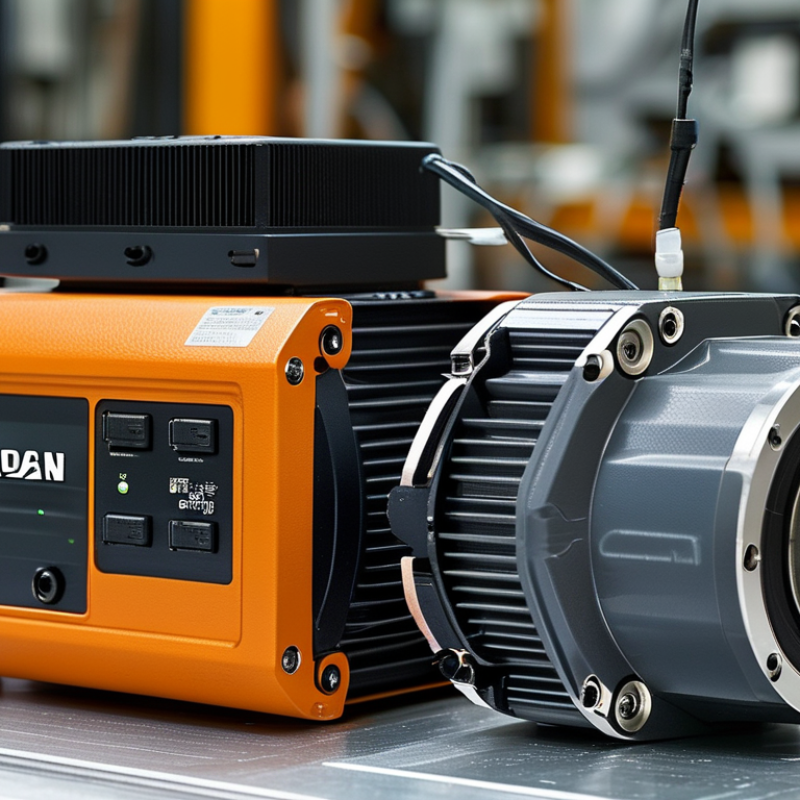
Understanding Delta Servo Motors: A Comprehensive Overview
Understanding Delta Servo Motors is essential for various applications in automation and robotics. These motors are renowned for their precision and efficiency. According to industry reports, the global servo motor market is expected to grow significantly, with Delta Ac Servo Motors leading in performance. The high torque and quick response times of these motors make them suitable for complex tasks.
When selecting a Delta AC Servo Motor, consider the specific needs of your application. Evaluate torque requirements and control precision. Proper sizing is crucial; undersized motors may lead to overload. Additionally, take into account environmental factors such as temperature and dust. Understanding these details can enhance machine performance.
Tips: Ensure compatibility with your control systems. Analyzing power ratings helps prevent future issues. Regular maintenance is key to prolonging the lifespan of a Delta AC Servo Motor. Consider engaging with experts to refine your choices, ensuring all factors meet industry standards.
Key Features to Consider When Choosing a Servo Motor
Choosing the right servo motor can significantly affect your project's success. Key features to consider include torque, speed, and size. Torque is crucial for applications requiring high force, while speed impacts how quickly the motor responds. Take stock of your application needs. A
Delta 400w Servo Motor provides a good balance, yet it might not suffice for high-demand scenarios.
Another factor is feedback type. Feedback provides real-time data, improving precision. Types include open-loop and closed-loop systems. Closed-loop systems, while more expensive, offer enhanced accuracy and reliability. If your tasks require precision, this could be vital. Also, consider the environment and mounting options. Some motors are better suited for specific conditions, like heat or moisture.
Don’t overlook control options. Servo motors can range from simple controllers to advanced programmable ones. Ensure the motor smoothly integrates with your existing system. Compatibility can prevent future headaches. Always assess your experience level and what support resources are available. Sometimes, the perfect motor for one person might be a challenge for another.
Types of Delta Servo Motors and Their Applications
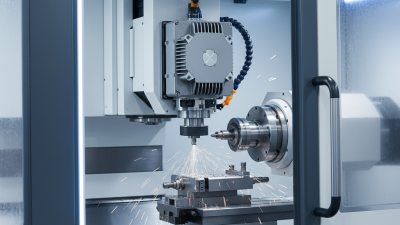
Delta servo motors come in various types, each suited for specific applications. One common type is the AC servo motor, known for its high efficiency and reliability. Manufacturers often use them in robotics and CNC machinery. These motors typically feature smooth performance and precise control, making them ideal for tasks requiring accuracy.
Another type is the stepper motor. This type is favored in 3D printing and textile machinery. It divides a full rotation into equal steps, offering precise control over movement. However, stepper motors can experience resonance issues, which may hinder performance. Understanding these nuances is vital for selecting the right motor.
DC servo motors also have unique applications, especially in automotive sectors and small machinery. They deliver good torque at low speeds and can be easily controlled. However, their reliance on brushes can lead to maintenance challenges. Carefully weighing these factors helps in choosing the right Delta Servo Motor Drive. Different applications require different motor types to meet performance expectations effectively.
Evaluating Performance Metrics for Delta Servo Motors
When selecting a Delta servo motor, performance metrics are crucial. These metrics define the efficiency and effectiveness across various applications. Key factors include torque, speed, precision, and response time. A study from the International Journal of Robotics Research highlights that systems requiring high torque benefit significantly from servo motors capable of delivering peak torque quickly and accurately.
For instance, response time is essential in robotics and automation. According to a recent industry report, a servo motor with a response time less than 10 milliseconds can improve operational efficiency by 25%. Additionally, precision in positioning affects the overall performance. Motors with a resolution of up to 10,000 steps per revolution yield more accurate results for intricate tasks.
It's essential to balance these performance metrics with other factors like cost and energy efficiency. Some users might prioritize high-speed applications but realize that energy consumption may skyrocket. Evaluating these aspects thoroughly can lead to better decision-making for specific industrial needs. Balancing power with efficiency often requires deeper analysis and consideration of potential trade-offs.
Installation and Setup Guidelines for Delta Servo Motors
When setting up Delta servo motors, attention to detail is crucial.
The installation process typically begins with the selection of an appropriate mounting surface. It should be sturdy and stable to minimize vibrations during operation. According to industry reports, improper mounting can lead to 15% inefficiency in motor performance. Always check alignment with other components to avoid unnecessary wear.
Wiring is another vital aspect. Ensure that the connections are secure and adhere to the specifications in the manual. Loose or incorrect wiring can decrease motor performance by up to 20%. Use cable ties to organize and protect the wires from interference. Additionally, pay attention to grounding to prevent electrical surges that can harm the servo motor.
Calibration comes next. It's essential to test the motor and confirm that it responds accurately. Many installers overlook this step, risking operational errors. Conducting a thorough calibration can yield better efficiency and reduce energy consumption by around 10%-30%. In a world where precision is paramount, investing time in proper installation and setup will ultimately pay off in reliability and performance.
Maintenance Tips for Enhancing Servo Motor Longevity
Proper maintenance is essential for the longevity of your servo motor. Regular inspections can identify issues before they become severe. Check for unusual noises or vibrations during operation. These signs may indicate underlying problems that require attention. Cleaning the components is equally important. Dust and grime can accumulate and hinder performance. A simple wipe-down can extend the motor’s lifespan.
Lubrication plays a critical role in maintaining efficiency as well. Ensure that bearings and gears are properly lubricated. The right lubricant will reduce friction and wear, allowing for smoother operation. Monitor temperature levels, too. Overheating can severely damage the motor. Use temperature sensors to keep track and address any overheating issues promptly.
Documentation of maintenance activities can help track the motor’s history. This record can provide insights into performance trends and potential concerns over time. Reflect on your maintenance routine regularly. Are there areas for improvement? Consistent evaluation can lead to better practices. Remember, ongoing attention will contribute significantly to the durability and reliability of your servo motor.
Comparative Analysis of Top Delta Servo Motor Brands
When selecting a
Delta Servo motor, it’s crucial to analyze the various brands available in the market. Reports indicate that the global servo motor market is projected to reach $12.25 billion by 2025, driven by increasing automation. This surge creates competition among manufacturers, leading to significant advancements in technology and efficiency.
Key players focus on torque-to-weight ratios, response times, and energy efficiency. For instance, one study noted that advanced Delta Servo motors can achieve up to 95% efficiency. These metrics are vital for industries like robotics and assembly lines where precision matters. The choice of a motor impacts overall system performance, highlighting the need for careful consideration of specifications.
While many brands have strengths, some may compromise on durability or serviceability. A comparative approach allows for identifying unique offerings and potential shortcomings. It's worthwhile to consult industry reports and user feedback for insights into real-world performance. Understanding these nuances ensures that the chosen Delta Servo meets operational needs effectively.
Enhancing Efficiency and Performance with Siemens Permanent-magnet Synchronous Motors: A Comprehensive Analysis of Industry Trends and Technical Specifications
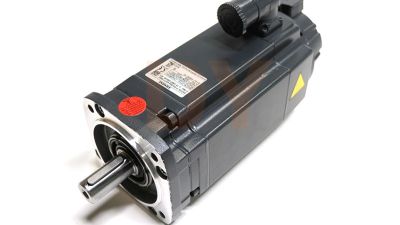
The increasing demand for high efficiency and performance in industrial applications has led to a significant focus on permanent-magnet synchronous motors (PMSMs). These motors excel in providing high dynamic response, making them ideal for sophisticated applications such as machine tools and robotic systems. One key advantage of PMSMs is their ability to achieve better energy efficiency while maintaining precision control in motion applications. By incorporating advanced designs and technology, these motors can minimize energy losses, leading to reduced operational costs.
One notable example of a high-performance permanent-magnet synchronous motor is designed specifically for applications requiring an extremely high dynamic response. With a low rotor moment of inertia, this motor allows for rapid acceleration and deceleration, significantly enhancing productivity in manufacturing processes. The design is tailored to meet the rigorous demands of modern automation, allowing for smooth and precise movements in complex machinery. Such technical specifications ensure that industries can leverage the potential of advanced motor technology to improve overall operational efficiency and performance.
As industries continue to evolve, the integration of high-dynamic synchronous motors will play a crucial role in shaping the future of automation, driving innovation, and optimizing production capabilities. This alignment with industry trends highlights the growing significance of advanced motor systems in achieving greater efficiency and effectiveness in various operational contexts.
FAQS
: Focus on torque, speed, size, feedback type, environment, and control options.
Torque is crucial for applications needing high force and significant power output.
Speed determines how quickly the motor responds to commands and controls.
There are open-loop and closed-loop systems. Closed-loop systems offer better accuracy.
Some motors perform better in specific conditions, like heat or humidity.
Ensure the motor's control options match your existing system to avoid integration issues.
A quick response time improves efficiency in robotics and automation tasks.
Balancing performance metrics like speed might increase energy consumption unexpectedly.
Look for motors with high resolution, such as 10,000 steps per revolution, for accuracy.
Experience levels and available support can greatly affect usability and satisfaction.
Conclusion
In the quest to find the best Delta Servo Motor for your specific needs, it is essential to understand the various aspects that influence performance. A comprehensive overview covers key features such as precision, responsiveness, and load capacity, all vital when selecting the right servo motor. Additionally, exploring the types of Delta Servo Motors reveals their diverse applications across industries, from robotics to CNC machinery.
Evaluating performance metrics plays a crucial role in ensuring that your chosen Delta Servo Motor meets desired operational standards. Proper installation and setup guidelines ensure optimal functionality, while regular maintenance tips can significantly enhance the longevity of the motor. Ultimately, a comparative analysis of leading Delta Servo Motor options helps identify which motor will provide the best fit for your requirements, ensuring maximum efficiency and reliability in your projects.