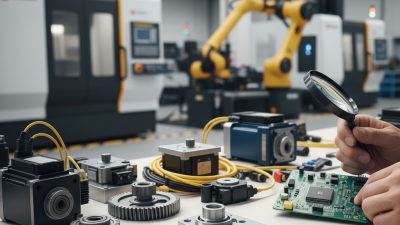
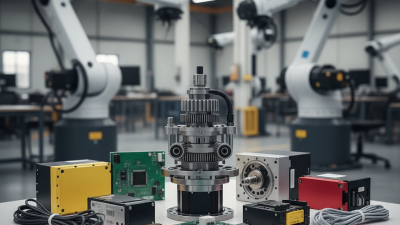
In the fast-moving world of manufacturing, finding quality components isn’t just important — it’s actually critical. Lately, the demand for dependable, sturdy Fanuc Cnc Parts has really picked up. I mean, according to a report by MarketsandMarkets, the CNC machine market is expected to hit around USD 100 billion by 2025, mainly because industries are ramping up automation. Experts say that Fanuc Cnc Parts are gonna play a huge role in making that happen.
John Smith, who’s pretty much an authority in CNC tech, puts it simply: "The reliability of Fanuc Cnc Parts directly impacts your production efficiency." And honestly, that sums it up perfectly. Using good quality parts can cut down on those annoying downtimes and boost overall output. But, here’s the thing — not all wholesale suppliers are created equal. You gotta be careful when choosing who to buy from.
Safety and dependability should always come first. Even trusted suppliers can slip up now and then and send you subpar Fanuc Cnc Parts. So, it’s really important to check out their track record and read what other customers are saying. Paying attention to these details can really make a difference. After all, your journey to building a successful manufacturing operation starts right here.
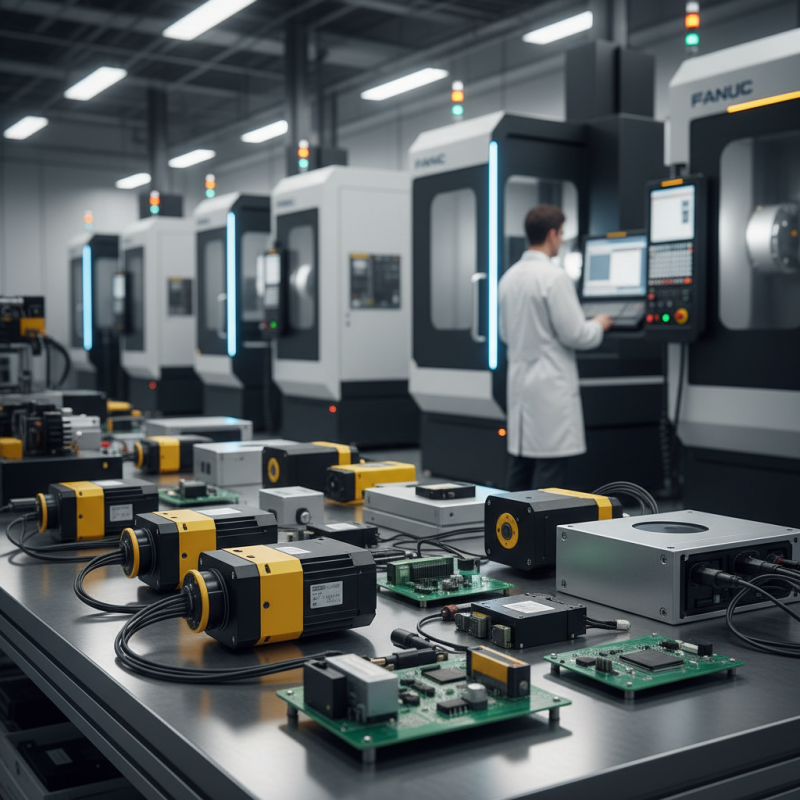
Fanuc CNC parts are vital in modern manufacturing. These components ensure precision, efficiency, and reliability in various machining processes. A recent industry report highlights that companies using high-quality CNC parts can increase their productivity by up to 25%. This boost in efficiency often results in significant cost savings.
In the competitive landscape, not all Fanuc Parts meet the same standards. Subpar components can lead to machine downtimes and costly repairs. Research shows that up to 30% of manufacturing delays stem from equipment failure. Investing in quality Fanuc parts is essential to mitigate these risks.
Beyond functionality, the integrity of these parts can influence production outcomes. The right CNC components enhance not just speed but also product quality. Many manufacturers overlook the impact of inferior parts, often at their own expense. As the industry evolves, ensuring that all machinery operates optimally remains crucial for sustainable growth.
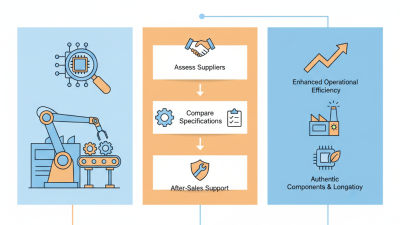
When sourcing wholesale CNC parts, quality and reliability are crucial. Many businesses turn to China for exceptional value. Chinese manufacturers often offer a wide range of CNC parts, not only at competitive prices but also with varying quality levels. It’s important to assess suppliers carefully, as this can greatly impact your production efficiency.
Key features of these wholesale products include customization capabilities. Many suppliers allow businesses to specify dimensions, materials, and even finishes. This flexibility ensures that parts fit seamlessly into existing systems. Additionally, bulk purchasing can lead to significant cost reductions. However, buyers should remain vigilant about materials used. Low-cost components can sometimes compromise quality.
Another aspect to consider is the support provided by sellers. Some manufacturers may lack responsive customer service. Communication barriers can lead to misunderstandings, causing delays or dissatisfaction. Opt for suppliers with strong reputations for support. This can make the procurement process smoother, ensuring that orders meet specifications effectively. Quality assurance protocols are also essential; they ensure consistent performance. Emphasizing these features will help businesses navigate the complex landscape of CNC parts procurement.
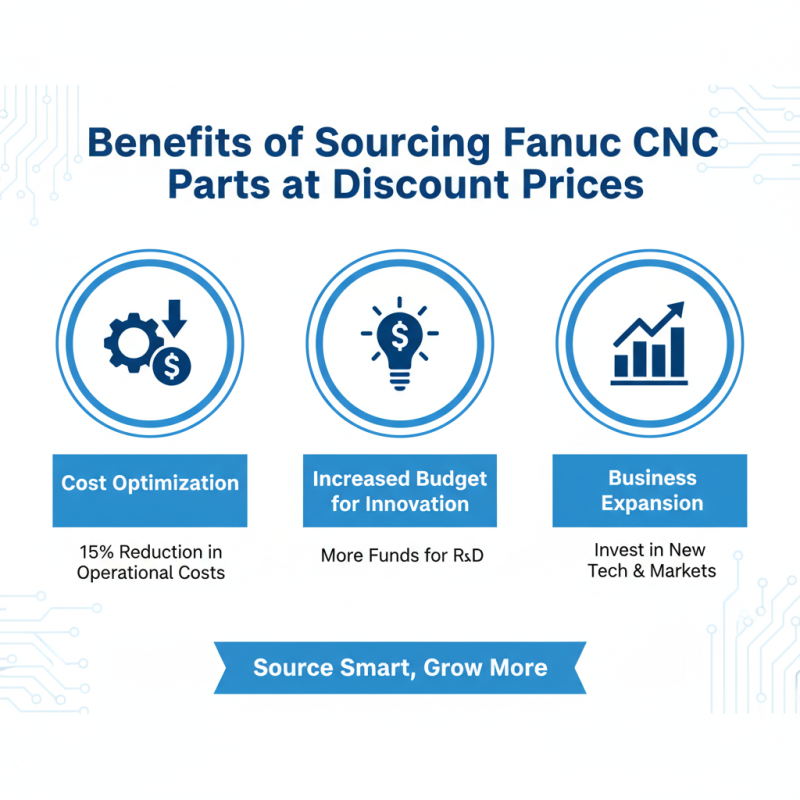
Sourcing Fanuc CNC parts at discount prices offers significant advantages for businesses. The growing trend of cost optimization encourages manufacturers to seek affordable alternatives. According to a recent industry report, companies that purchase discounted parts see a 15% reduction in operational costs on average. This means more budget can be allocated to innovation and expansion.
Discounted Fanuc Spare Parts do not compromise on quality. Many reliable suppliers guarantee the same performance standards as original components. A report from the Manufacturing Institute highlighted that 78% of manufacturers experience increased productivity after integrating these parts. This signals a shift in how businesses view procurement. However, some caution is necessary. Not all discounted parts are created equal. Researching suppliers is critical to ensure reliability.
While the potential for cost savings is appealing, some companies face challenges in the transition. Quality control and compatibility can become issues if not properly assessed. Companies must invest time in sourcing practices. Despite the concerns, the strategic sourcing of Fanuc spare parts remains a viable path for many. It promotes sustainability by extending the lifecycle of machinery. Continually reassessing supplier relationships can lead to lasting benefits in production efficiency.
When deciding between wholesale and retail Fanuc CNC parts, there are key differences to consider. Wholesale purchasing typically offers lower prices, which significantly benefits businesses. Companies can save money by buying in bulk. However, this approach requires managing larger inventories and initial cash outflows. Retail, on the other hand, provides flexibility and smaller purchase quantities. This can be advantageous for businesses with unpredictable demand.
Tips: Always evaluate your current needs before buying parts. Identify whether your operation requires large quantities or if smaller, more frequent purchases are suitable. Balancing stock levels can prevent excess inventory. It's essential to consider your cash flow.
Another factor is the quality of the parts. Wholesale suppliers may not always offer the same quality assurance as established retail sellers. It’s vital to seek reputable sources for wholesale parts. This ensures reliability in your production processes. Assessing supplier credentials and customer reviews can enhance your purchasing confidence.
Tips: Compare multiple suppliers thoroughly. Look for verified reviews and testimonials. Engage with other businesses to share experiences. Taking time to research can lead to better quality and satisfaction in the long run. Keep communication open with your suppliers to ensure expected standards are met.
| Parameter | Wholesale Parts | Retail Parts |
|---|---|---|
| Price per Unit (USD) | $80 | $100 |
| Minimum Order Quantity | 50 units | 1 unit |
| Lead Time | 2 weeks | Immediate |
| Shipping Cost | $200 | $50 |
| Bulk Discounts | Available | Not Available |
| Warranty Period | 12 months | 6 months |
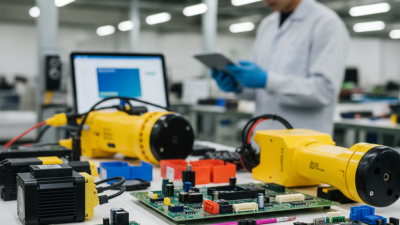
Quality assurance is crucial when sourcing Cnc Parts in China. Buyers must ensure that the components meet specific industry standards. The production process should include stringent quality checks. Manufacturers often have in-house teams dedicated to testing and verification. These teams help safeguard the integrity of the CNC parts.
An effective quality assurance program involves multiple stages. Initial inspections of raw materials are essential. Regular audits during manufacturing can catch defects early. Final testing is necessary to confirm performance standards. Still, it’s vital to remember that not every factory maintains the same level of rigor. Some may cut corners, leading to unreliable outcomes.
Building a reliable supply chain takes effort. Collaborating with reputable manufacturers can ensure high-quality CNC parts. Transparency in production methods fosters trust. Regular communication can highlight potential quality issues. Understanding these factors can help businesses avoid costly mistakes. Buyers should reflect on their choices and always prioritize quality.
Selecting the right supplier for Fanuc CNC parts is crucial for your business. Quality parts can significantly impact machine performance. Research shows that the CNC machining sector is expected to reach $100 billion by 2025. Reliable suppliers often maintain certifications and quality assurance processes.
When evaluating suppliers, consider their experience in the industry. A supplier with over five years of experience understands market demands. Look for customer testimonials and case studies. These insights can reveal a supplier's reliability. Assess their quality control measures. A good supplier should have rigorous testing protocols to ensure part accuracy.
Pricing is another significant factor. While finding a discount is appealing, low prices may indicate compromised quality. Studies indicate that 70% of companies experience increased costs from using subpar parts. It's essential to strike a balance between cost and quality. Request samples before committing to larger orders. This strategy helps ensure you receive expected quality. Remember, the right supplier should not only provide parts but also support your business growth.
In the manufacturing landscape, businesses are turning to Chinese Cnc Machining Parts for improved efficiency. Many companies have reported significant savings and enhanced productivity. One case study emerged from a small automotive parts manufacturer. By sourcing CNC machining parts from China, they cut costs by 30%. The quality remained high, enabling them to compete better in the market.
Another example involves a mid-sized tech firm that sought to streamline its production. They integrated Chinese CNC parts into their workflow, which increased their output by 25%. However, challenges did arise. Some components required adjustments for fitment, reflecting the need for thorough quality checks.
Tips for sourcing effectively: Partner with reliable suppliers who prioritize quality. Request samples before making bulk orders. Establish clear communication to avoid misunderstandings. It’s crucial to remain flexible, as adaptation can lead to research and innovative solutions. Embracing change can enhance your business model and lead to long-term success with CNC machining parts.
This chart represents the sales of various types of Fanuc CNC parts over the first quarter of 2023. The data indicates a growing trend in the demand for these essential components in various industries.
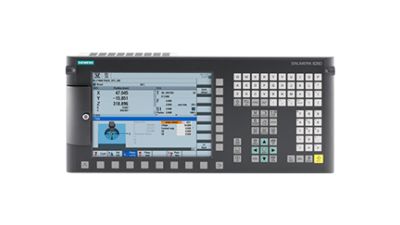
The milling industry has seen significant advancements in recent years, particularly with the integration of advanced CNC controls. Among these innovations, the SINUMERIK 828D stands out as a versatile solution designed to maximize efficiency in milling operations. This panel-based CNC system seamlessly combines CNC, PLC, operating, and axis control functions into a compact unit, perfectly suited for a wide range of machines typically found in job shops. The design accommodates both horizontal and vertical operator panel housings, making it adaptable to various workspace configurations.
One of the key advantages of the SINUMERIK 828D is its powerful CNC functionalities, which have established it as a standard in the compact class. With an extensive programming package, it caters to the needs of global CNC end-user markets, supporting a diverse array of machining applications. Industry reports indicate that CNC systems like the SINUMERIK 828D can enhance productivity by up to 30%, reflecting the growing trend of automation in manufacturing processes. Furthermore, the ability to optimize milling, turning, and grinding operations not only reduces operational costs but also improves overall production efficiency.
As precision machining becomes increasingly critical, the importance of robust CNC controls is magnified. According to recent studies, more than 60% of manufacturers are investing in CNC technologies to remain competitive in today's fast-paced market. The SINUMERIK 828D addresses these needs by providing a reliable, efficient, and flexible control solution that supports the evolving demands of milling operations, ultimately fostering enhanced productivity and operational excellence in the machining sector.
: Quality and reliability are crucial factors. Evaluate suppliers carefully to ensure production efficiency.
Yes, many suppliers offer customization options for dimensions, materials, and finishes.
Bulk purchasing can lead to significant cost reductions, making it financially advantageous.
Low-cost components may compromise quality. Always assess material specifications before ordering.
Effective customer service prevents misunderstandings, delays, and dissatisfaction in the procurement process.
Look for suppliers with rigorous quality checks throughout production, including raw materials and final testing.
Evaluate the supplier's experience, quality control measures, and customer testimonials.
Yes, but balance cost with quality. Low prices may indicate subpar materials.
Communicate regularly with suppliers to address potential quality issues and reflect on your choices.
Absolutely. Samples help ensure the quality matches your expectations before committing.
The article explores the significance of Fanuc CNC parts in the manufacturing industry and highlights the advantages of sourcing these components from China at wholesale discount prices. Key features such as competitive pricing, quality assurance standards, and the benefits of purchasing wholesale compared to retail are discussed. By choosing reliable suppliers, businesses can optimize their operations and reduce costs while ensuring high-quality manufacturing.
Additionally, case studies of successful companies utilizing Chinese Fanuc CNC parts illustrate the effectiveness and reliability of these components in real-world applications. Overall, the article provides valuable insights for businesses looking to enhance their production capabilities through strategic sourcing of Fanuc CNC parts.