Leave Your Message
0%

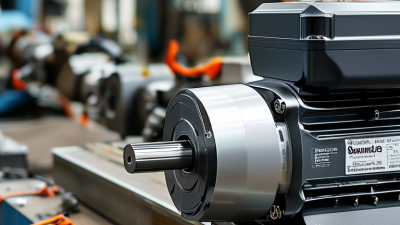
Picking a Siemens Drive Motor isn't just about matching horsepower. You need it to fit the load profile, duty cycle, speed range, and where it's actually installed. A conveyor moving uneven pallets doesn't behave like a pump running at a steady flow. Those little differences? They matter.

The International Energy Agency says electric motor systems use roughly 53% of global electricity. That's a big number, and it's why motor efficiency deserves real attention—not just whatever the purchase price happens to be. The U.S. Department of Energy also points to motor-driven equipment as a major energy user in industrial plants. But efficiency labels by themselves don't guarantee lower operating costs. If a motor is oversized, gets overloaded often, or is paired with the wrong drive, it can still perform badly. That's where practical evaluation comes in.

A good Siemens Drive Motor review should look at IE efficiency class, rated torque, acceleration needs, ambient temperature, enclosure protection, and maintenance access. IEC 60034-30-1 gives you a useful way to compare motor efficiency classes. EU Regulation 2019/1781 also sets efficiency requirements for certain motors and variable-speed drives. These standards help make things more consistent, sure—but they can't replace measurements at the site. Before you decide, record current, vibration, temperature, and actual running hours. It's easy to trust a catalog table a little too much. I've seen technically impressive selections fail because engineers ignored shaft alignment or regeneration during braking. No single model wins every plant. The best choice balances lifecycle cost, control compatibility, reliability, and what downtime would actually cost you.
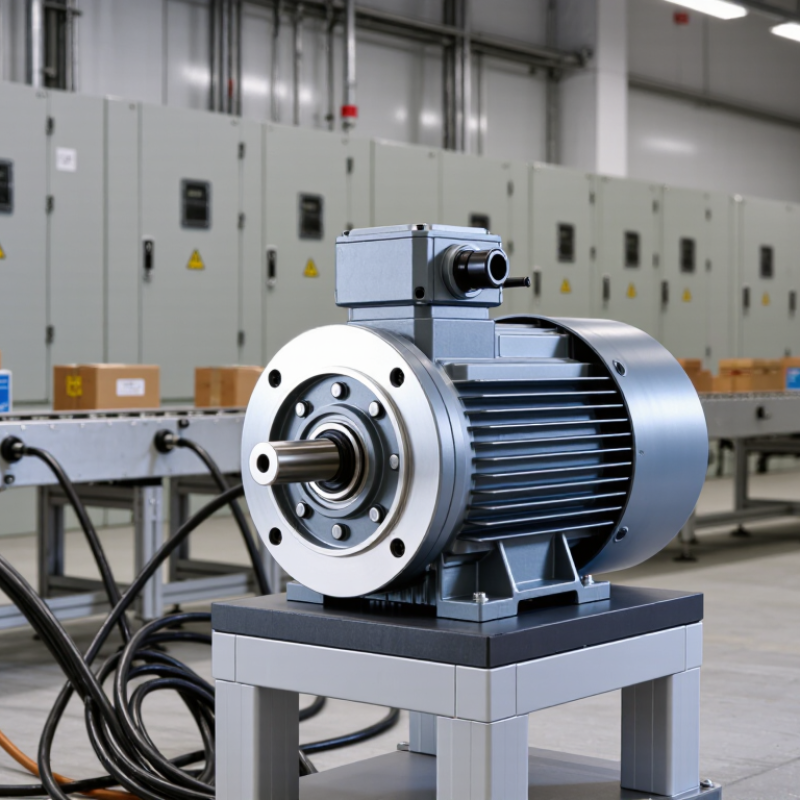
How to Choose the Right Siemens Drive Motor?

Define the Application Requirements for a Siemens Drive Motor

Define the Application Requirements for a Siemens Drive Motor

Choosing a drive motor starts with the machine, not the catalog. Record load torque, speed range, duty cycle, acceleration time, and stopping method. A conveyor carrying wet cartons needs different protection from a fan running indoors. Measure the real load if possible. Estimates often hide costly errors.

The International Energy Agency reports that electric motor systems consume roughly 46% of global electricity. In industrial facilities, motor-driven equipment can represent about 70% of electricity use, according to the U.S. Department of Energy’s motor systems guidance. Efficiency matters, but operating conditions matter more. A Delta Drive Motor selected for continuous duty may struggle with frequent starts. Check ambient temperature, altitude, dust, moisture, vibration, and available voltage before comparing models.

Match the motor’s rated torque with the application’s torque curve. Confirm overload capacity during startup and evaluate regenerative energy during braking. A small conveyor may need high starting torque, while a pump usually demands smoother acceleration. Ask for measured current at normal and peak load. One overlooked detail can change the selection. I have seen teams choose by horsepower alone, then discover overheating during repeated cycles. That shortcut feels efficient, but it needs reconsideration. The final specification should include duty class, enclosure rating, feedback requirements, control protocol, maintenance access, and expected yearly operating hours.

Match Motor Power, Speed, and Torque to the Machine

Choosing a drive motor starts with the machine, not a catalog number. Record required power, shaft speed, and load torque at the working point. A conveyor carrying wet boxes may need steady torque at low speed. A fan usually demands rising power as speed increases. Do not size from motor horsepower alone. Measure acceleration time, duty cycle, ambient temperature, and starting load. I have seen a motor pass a bench test, then overheat during repeated starts. The calculation looked correct. The assumptions were not.

Match rated motor power with actual mechanical demand, then leave practical margin without oversizing. Excess capacity can reduce efficiency and weaken low-speed control. Check continuous and peak torque separately. The drive must provide enough current for acceleration, braking, and brief overloads.

Confirm the motor’s base speed and allowable overspeed. Gearboxes change torque and speed, but they do not erase losses. For a Delta Ac Motor Drive application, verify voltage, feedback, braking method, and control mode against the motor data sheet. Small mismatches matter.

Tips: Use a handheld tachometer during real production. Measure motor current after several cycles, not one trial. Keep a small torque reserve for sticky starts. Review the selection with a qualified engineer. I still revisit the model when noise, heat, or vibration appears unexpectedly. Field evidence can challenge a neat spreadsheet.

Select the Appropriate Siemens Motor and Drive Combination

Selecting the appropriate motor and drive combination begins with the machine’s real operating profile. Record required torque, speed range, acceleration time, duty cycle, and load inertia. A conveyor moving full cartons needs different performance from a pump running at a nearly constant speed. Check the motor’s rated current, voltage, frequency, and thermal class before choosing the drive. The drive’s output current must support continuous operation and short overload periods. Do not size it by horsepower alone.

Control method matters as well. Basic scalar control may suit a simple fan, while vector control can provide stronger low-speed torque for hoists, mixers, or indexing equipment. A feedback device may improve speed accuracy, but it adds wiring and commissioning work. Confirm encoder compatibility, braking requirements, enclosure protection, and cabinet temperature. In field commissioning, I have seen a correctly rated motor overheat because the drive’s switching frequency was set too high. Small details matter.

Installation conditions deserve careful attention. Dust, moisture, altitude, and frequent starts can change the required selection. Leave practical space for cooling and service access. Test acceleration with the actual load, not an unloaded motor. One mistake is easy to repeat: choosing the drive first and forcing the motor to fit. That approach can create poor torque response, nuisance trips, or unnecessary energy use. A documented match between motor data and drive parameters makes troubleshooting faster, although real machines sometimes reveal assumptions that the specification sheet missed.

Check Voltage, Current, Mounting, and Environmental Conditions

How to Choose the Right Siemens Drive Motor?

Voltage and current checks should come before catalog browsing. Match the motor’s rated voltage with the available supply and drive output. Allow for voltage tolerance, starting demand, and regenerative current. A motor drawing near its rated current continuously may overheat in a crowded cabinet. The International Energy Agency reports that electric motor systems consume about 53% of global electricity. Small sizing errors can therefore create large operating losses. The phrase Delta Servo Motor Drive may appear in searches, but specifications matter more than labels.

Mounting details are equally practical. Confirm flange dimensions, shaft diameter, keyway, bolt spacing, and allowable radial load. A two-millimeter alignment error can increase vibration and coupling wear. I once focused on torque and overlooked cable bending space. That shortcut was poor engineering. Leave room for connectors and service access.

Environmental conditions often decide reliability. Check ambient temperature, humidity, dust, oil mist, vibration, and installation altitude. Select an enclosure rating suited to the actual exposure, not the clean showroom. The U.S. Department of Energy’s motor-system sourcebook states that motor-driven equipment can represent 60–70% of industrial electricity use. In hot areas, reduce load or improve cooling. In dusty areas, inspect filters and seals regularly. IEC 60034-1 also requires attention to temperature rise and operating conditions. One detail is easy to miss: long cables can increase electrical stress and reduce performance.

How to Choose the Right Siemens Drive Motor? - Check Voltage, Current, Mounting, and Environmental Conditions

Selection Parameter What to Check Typical Data or Selection Range Why It Matters
Supply Voltage Confirm the available AC supply and drive output voltage. Common three-phase systems include 200–240 V AC, 380–415 V AC, and 460–480 V AC. The motor rated voltage must be compatible with the drive output. An incorrect voltage class can cause insufficient torque, excessive current, insulation stress, or motor overheating.
Rated Current Compare the motor nameplate current with the drive’s continuous and overload current ratings. Select a drive whose continuous output current is at least equal to the motor rated current. Allow additional capacity for acceleration, impact loads, and duty-cycle requirements. Current rating is often more important than motor power when sizing a drive for high-inertia or high-starting-load applications.
Motor Power Match the mechanical load requirement, speed, and torque profile. Typical industrial motor ratings range from fractional kilowatts to several hundred kilowatts. Select based on required torque and thermal loading, not power alone. A motor that is too small may overheat, while an oversized motor can reduce efficiency and make control less precise.
Motor Type Identify whether the application uses an induction motor, permanent-magnet motor, or synchronous reluctance motor. The drive must support the motor’s control method, including scalar control, sensorless vector control, closed-loop vector control, or permanent-magnet control. Using an incompatible control mode can result in unstable operation, poor low-speed torque, or motor faults.
Speed Range Define the minimum, normal, and maximum operating speeds. Many variable-speed applications operate from approximately 10–60 Hz, but the permissible range depends on motor cooling, bearings, balancing, and mechanical limits. Continuous operation below the motor’s base speed may reduce cooling, while overspeed operation requires approval from the motor and machine manufacturer.
Mounting Arrangement Verify mounting form, foot or flange configuration, shaft orientation, and installation position. Common arrangements include foot-mounted, flange-mounted, face-mounted, and combined foot-and-flange designs. Horizontal and vertical mounting may have different bearing and lubrication requirements. Incorrect mounting dimensions or orientation can cause alignment problems, excessive vibration, premature bearing wear, or inadequate lubrication.
Frame Size and Shaft Check frame dimensions, shaft diameter, shaft extension, keyway, and center height. Use the applicable IEC or equivalent dimensional standard and compare the complete mechanical drawing before ordering or replacing a motor. A matching electrical rating does not guarantee mechanical interchangeability.
Ingress Protection Select the enclosure protection level for dust, water, and cleaning conditions. TypicalIP55 is commonly used for general industrial indoor environments. Higher protection may be required for washdown, outdoor, dusty, or wet locations. The protection level must match the actual exposure; enclosure rating alone does not replace correct cable glands, installation, and maintenance.
Ambient Temperature Confirm the lowest and highest surrounding air temperatures. A common reference range is approximately −15 °C to +40 °C, but the permitted range varies by motor design and may require derating outside the specified conditions. High ambient temperature reduces cooling capacity and may require a larger motor, reduced load, or improved ventilation.
Altitude Record the installation elevation above sea level. Installations above approximately 1,000 m may require thermal or insulation derating because air density and cooling performance decrease with altitude. Altitude derating helps prevent excessive winding temperature and protects the motor’s insulation system.
Duty Cycle Determine whether the motor runs continuously, intermittently, or with frequent starts and stops. Continuous-duty operation is commonly designated S1. Short-time, intermittent, and cyclic applications may use S2, S3, or other duty classifications. The correct duty classification is essential for evaluating thermal limits, starting frequency, and overload capability.
Load Torque Profile Classify the load as constant torque, variable torque, or constant power. Conveyors and compressors commonly require constant torque; fans and pumps often have variable torque; machine tools may require constant power over part of the speed range. The torque profile affects drive sizing, energy consumption, acceleration performance, and allowable speed range.
Overload Requirement Calculate the required overload magnitude and duration during acceleration or impact loading. Many industrial applications require approximately 110%–150% of rated torque for a limited time, but the exact requirement depends on the drive, motor, and application. Insufficient overload capacity can cause overcurrent trips and failed acceleration.
Feedback Device Decide whether open-loop control is sufficient or whether encoder or resolver feedback is required. Feedback is typically used for precise speed regulation, positioning, very low-speed torque, or rapid dynamic response. The drive must support the selected feedback type, signal format, resolution, and electrical interface.
Holding Brake Specify brake voltage, holding torque, release time, and required stopping behavior. Electromagnetic holding brakes are commonly supplied at 24 V DC, 110 V AC, or 230 V AC, depending on the motor and control system. A holding brake is not normally a substitute for a safety-rated stopping system or a correctly sized dynamic braking arrangement.
Cable and EMC Requirements Check cable length, shielding, grounding, insulation, and electromagnetic compatibility requirements. Use suitable shielded motor cable where required, follow the drive manufacturer’s maximum cable-length guidance, and install grounding and filtering correctly. Correct cabling reduces bearing currents, electromagnetic interference, insulation stress, and nuisance drive faults.
Hazardous Area Rating Determine whether the installation is in an explosive atmosphere or classified hazardous location. If required, select a motor and drive system with the appropriate protection method, temperature class, gas or dust group, and local certification. Standard industrial equipment must not be installed in a hazardous area unless its certification and installation method are suitable.
Installation Ventilation Verify airflow, clearance around the motor, cooling fan condition, and cabinet temperature. Maintain the manufacturer’s specified clearances and keep ventilation openings free from dust, oil, and obstructions. Restricted airflow can raise winding and bearing temperatures even when voltage and current are correctly selected.

Evaluate Control Features, Efficiency, and Communication Options

Choosing an industrial drive motor starts with control, efficiency, and communication—not catalog horsepower alone. In field evaluations, load behavior often matters more than nameplate power. Vector control can maintain torque at low speed, while scalar control may suit simpler pumps and fans. For lifting equipment, inspect overload capacity, braking response, safe torque off, and encoder compatibility. A motor that runs smoothly at 20 rpm may prevent heat, vibration, and rejected parts. Not every application needs advanced control.

Efficiency deserves measured attention. The International Energy Agency reports that electric motor systems consume nearly half of global electricity. The U.S. Department of Energy also identifies motor-driven equipment as a major industrial electricity user. Compare complete-system efficiency, not motor efficiency alone. Include drive losses, cable length, cooling, duty cycle, and standby consumption. A high-efficiency motor can still waste energy when oversized or poorly tuned. That mistake is common. Record current, speed, temperature, and actual load during a representative shift. Then estimate lifecycle cost using local tariffs and maintenance intervals. Payback calculations are useful, but they can look too perfect.

Tips: Match communication to the plant network and required response time. Industrial Ethernet supports diagnostics and coordinated motion; simpler serial links may reduce cost and complexity. Check data objects, update rates, remote parameter access, and cybersecurity controls before buying. Request interoperability tests with the controller, sensor, and safety circuit. Leave spare network capacity. It is cheaper than a later redesign. Ask for independent test evidence, applicable efficiency certification, and clear firmware support terms.

Verify Compatibility, Installation Needs, and Long-Term Support

Choosing the right Siemens Drive motor begins with compatibility, not price. Check the motor’s rated voltage, current, speed range, torque curve, and control method. Compare these values with the drive’s technical data and your machine’s real load profile.

Measure the installation space carefully. A cabinet may look spacious before wiring begins. Confirm cooling clearance, cable length, grounding points, enclosure protection, and ambient temperature. Dust, vibration, and heat can shorten service life. I have seen projects fail because a motor fit mechanically but exceeded the drive’s current limit during startup. Small details matter.

Long-term support deserves equal attention. Ask about spare parts, firmware access, repair options, documentation, and technician training. Confirm whether replacement components will remain available throughout the machine’s expected life. A clear support process reduces downtime when production stops unexpectedly. Keep parameter backups in a controlled location. Label cables at installation, not months later. That shortcut is easy to regret. Even experienced teams can overlook network compatibility or incomplete commissioning records. Leave room for testing, future maintenance, and honest correction when the first plan proves imperfect.

How to Choose the Right Drive Motor? — Verify Compatibility, Installation Needs, and Long-Term Support

Use the motor’s rated power, speed, voltage, current, mounting arrangement, enclosure rating, and operating environment to confirm compatibility before installation.

Compatibility example: The chart shows the torque available from a constant-power 5.5 kW motor at different operating speeds. Torque is calculated using T = 9550 × P ÷ n, where T is torque in N·m, P is power in kW, and n is speed in rpm.

Installation checks: Confirm supply voltage and frequency, motor rated current, drive output capacity, overload requirements, cable length, cooling method, mounting dimensions, enclosure protection, ambient temperature, and grounding.

Long-term support: Select a solution with accessible replacement parts, documented parameter backups, preventive-maintenance procedures, technical documentation, and qualified service resources.

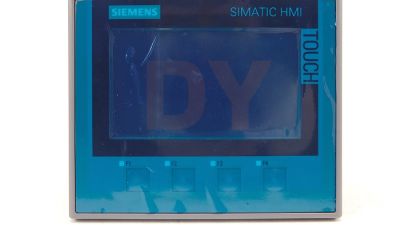
Siemens SIMATIC HMI KTP700 Basic Panel: Insights from MarketsandMarkets’ Industrial Automation Report

Industrial automation is placing greater emphasis on compact, dependable human-machine interfaces that can support operators directly at the machine level. Insights associated with current industrial automation market research highlight the growing demand for practical visualization, fast access to operating data, and control solutions that can be deployed without excessive complexity. The 6AV2123-2GB03-0AX0 addresses these needs as a cost-effective, high-performance basic panel for monitoring and controlling automated equipment.

Designed for machine-level applications, the panel enables operators to view process conditions, check equipment status, and interact with essential control functions through a clear operator interface. Its compact format is suitable for production lines, packaging systems, material-handling equipment, and other installations where space and budget are important considerations. By bringing key information closer to the machine, it can help improve response times and support more consistent daily operation.

As manufacturers modernize facilities, basic operator panels remain valuable for applications that require reliable local control without the cost of an advanced supervisory platform. The device can serve as a practical interface for smaller systems, decentralized workstations, and upgrade projects seeking improved usability while maintaining straightforward engineering and operation.

FAQS

What should I measure before selecting a drive motor?

Record required power, shaft speed, and load torque at the working point. Measure acceleration time, duty cycle, temperature, and starting load. Do not rely on horsepower alone.

Why should continuous and peak torque be checked separately?

Continuous torque supports normal operation. Peak torque covers acceleration, braking, and short overloads. A conveyor with wet boxes may need strong torque at low speed.

Can a motor pass testing and still overheat?

Yes. Repeated starts may create more heat than one bench test shows. Measure current after several production cycles. The original assumptions may be wrong.

How much motor capacity should be reserved?

Leave a practical torque reserve for sticky starts and brief demand changes. Avoid excessive oversizing. Too much capacity can reduce efficiency and weaken low-speed control.

What voltage and current details must be verified?

Match motor voltage with the available supply and drive output. Check starting demand, voltage tolerance, and regenerative current. Continuous current near the limit can cause overheating.

Which mechanical dimensions should be checked?

Confirm flange size, shaft diameter, keyway, bolt spacing, and radial load limits. Check cable bending space and service access. A two-millimeter alignment error can increase vibration.

How do environmental conditions affect motor selection?

Review heat, humidity, dust, oil mist, vibration, and installation altitude. Choose protection for the real workplace, not a clean showroom. Hot areas may require lower loading or better cooling.

What installation details are easy to overlook?

Confirm cabinet clearance, cooling space, cable length, grounding, and enclosure protection. Leave room for connectors and future maintenance. A cabinet can look spacious before wiring begins.

What support should be arranged for long-term operation?

Check spare parts, firmware access, repair options, manuals, and technician training. Store parameter backups securely. Label cables during installation, not months later.

When should the motor selection be reviewed again?

Recheck the selection when noise, heat, vibration, or unexpected current appears. Field evidence can challenge a neat spreadsheet. Honest correction is sometimes necessary.

Conclusion

Choosing the right Siemens Drive Motor begins with a clear understanding of the machine’s application. Define the required operating cycle, load characteristics, starting conditions, speed range, and torque demands before selecting equipment. The motor’s power, speed, and torque should match the machine accurately to avoid overheating, inefficient operation, or unnecessary costs. It is also important to choose a suitable motor and drive combination based on the required performance and control method.

Before finalizing the selection, check voltage, current, mounting dimensions, ambient temperature, dust, moisture, and other environmental conditions. Consider control functions, energy efficiency, feedback requirements, and communication options to ensure smooth integration with the automation system. Finally, verify wiring, installation space, protection measures, commissioning procedures, and the availability of technical support and replacement parts. A complete evaluation helps ensure that the Siemens Drive Motor delivers reliable performance, efficient operation, and long-term compatibility with the machine.
Isabella

Isabella

Isabella is a dedicated marketing professional at DingYan Machinery, where her extensive knowledge of CNC machine tool accessories sets her apart in the industry. With a strong focus on developing and producing high-quality products such as tool holders, bearings, bench vises, magnetic tables, oil......
Previous 2026 Best Siemens Servo Drive Suppliers for Global Buyers