Leave Your Message
0%

When you're diving into CNC machining, picking the right Cnc Router Controller is actually pretty important. A good controller can really make a big difference in how smoothly your projects go. It impacts the performance and reliability of your CNC router, so you don’t wanna just pick something on a whim. There are quite a few things to keep in mind—like whether it’s compatible with your machine, what features it offers, and how easy it is to use.

Honestly, a lot of folks overlook their specific needs. What works great for one machine might not be the best fit for another. It’s super important to think about what features you truly need—are you looking for advanced stuff like multi-axis control? Or just something simple and dependable that gets the job done?

Having some understanding of CNC routers helps a lot too. Knowing the technical bits can save you from making costly mistakes. Keep in mind that even the most popular brands aren’t necessarily perfect for every setup. Reflecting on your past experiences can really help you make smarter choices. When you're hunting for that perfect CNC Router Controller, don’t rush into it. Take your time, compare different options, and don’t hesitate to ask for advice from folks you trust—it's worth it in the long run.
How to Choose the Best CNC Router Controller for Your Needs?

Understanding the Basics of CNC Router Controllers

How to Choose the Best CNC Router Controller for Your Needs?

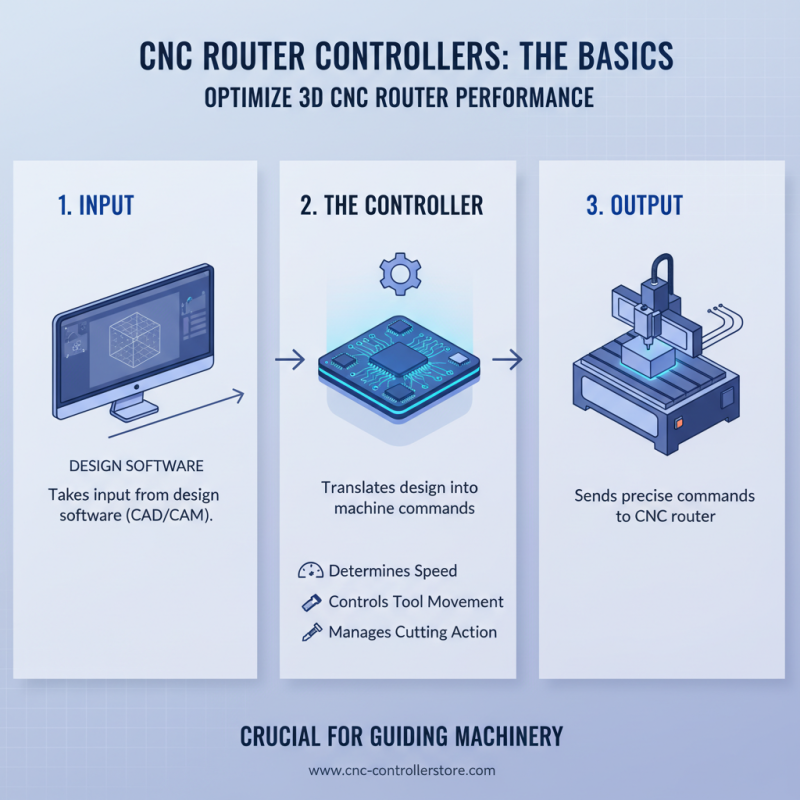
CNC router controllers play a crucial role in guiding the machinery. Understanding their basics is key to optimizing your 3d Cnc Router performance. A controller takes input from your design software and sends precise commands to the router. It determines how the tool moves, speeds, and cuts the material.

With various options available, choosing the right controller can be daunting. Factors such as ease of use, compatibility with software, and the ability to manage complex designs are vital. For example, some controllers may offer better support for 3D designs, while others might excel in simpler tasks.

Buyers often overlook user feedback, which is essential. Reading reviews can reveal limitations that specs don’t show. A controller might claim compatibility with many designs, yet struggle with specific ones. Reflecting on personal needs and experiences will help clarify the right choice for your 3D CNC router.

Identifying Your Project Requirements and Objectives

Identifying your project requirements and objectives is crucial when selecting a Cnc Controller. Start by understanding what you need from your CNC router. Consider the materials you'll work with, whether wood, metal, or plastic. Each material has unique characteristics that influence the choice of controller. Reports indicate that around 40% of CNC enthusiasts cite material compatibility as a primary criterion in their decision-making.

Pay attention to the complexity of your projects. Basic projects may require simple controls, while intricate designs need advanced features. A study suggests that users handling complex designs report a 30% increase in efficiency when using a robust CNC controller with high processing power and responsive software. This consideration is vital, as choosing an inadequate controller can lead to frustrating experiences and wasted resources.

Budget constraints also play a significant role. While it's tempting to opt for low-cost options, they may lack essential functionalities. Research shows that investing an extra 20% in a quality CNC controller can lead to better accuracy and longevity, reducing long-term costs. Reflecting on these factors will set a strong foundation for a successful project.

Evaluating Different Types of CNC Controllers Available

How to Choose the Best CNC Router Controller for Your Needs?

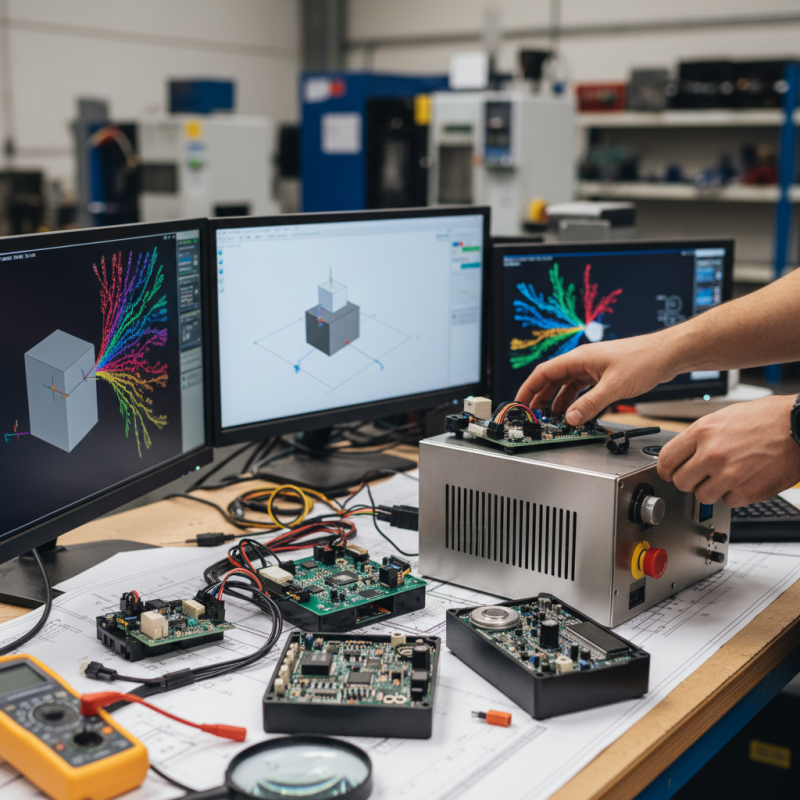
When evaluating CNC controllers, understanding the various types is crucial. A Cnc Motor Controller serves as the brain of the system. It dictates how a machine interprets design files and executes cuts. Different types offer unique features and compatibility. For instance, open-source controllers allow greater customization but might require more technical knowledge. Meanwhile, plug-and-play models provide ease of use, appealing to beginners.

Reports indicate that the choice between these controllers impacts efficiency significantly. A study from the National Institute of Standards and Technology highlights that proper controller selection can enhance machining accuracy by up to 30%. Other analyses note that user-friendly interfaces in some controllers can improve workflow by reducing setup time. This is essential for those aiming to streamline their production process.

Investing in a suitable CNC motor controller is vital but can feel overwhelming. Some users express frustration with features that are not needed for their projects. Additionally, compatibility issues often arise when integrating new software. Evaluating the specific requirements of your projects is necessary. Reflect on your long-term goals before making a selection. Each controller has strengths and weaknesses, requiring careful consideration to match your needs.

Exploring Key Features and Specifications to Consider

When selecting a CNC router controller, several key features are essential to consider. First, the processing speed significantly impacts efficiency. According to recent industry reports, controllers with higher processing speeds can reduce machining time by up to 30%. This is crucial for businesses aiming to enhance productivity.

Another important specification is the compatibility with different software. Many controllers support multiple platforms and communication protocols, allowing for seamless integration with various CAD/CAM programs. This versatility can save time during training and project setup.

**Tip:** Review your current software and ensure the controller you choose is compatible.

User interface quality can also affect daily operations. A more intuitive interface can cut down on learning curves. Studies show that users prefer controllers with touchscreen capabilities, improving accessibility and user satisfaction.

**Tip:** Test the controller's interface before purchase.

Finally, consider the controller's support and warranty options. A robust support system can provide peace of mind. While many brands offer extensive warranties, it’s crucial to evaluate the actual customer service experience through reviews and testimonials.

**Tip:** Seek feedback from current users about their support experiences.

Comparing Software Compatibility Across Controller Models

Choosing the right CNC router controller can be tricky. Software compatibility plays a vital role. Not all controllers support every software package. Some might streamline operations but limit features. Others may expand possibilities but come with a steep learning curve.

When comparing CNC controllers, check the software they support. Do they work with industry-standard software? Compatibility can determine how easily you can integrate the controller into your workflow. Some models may offer great potential but may not support your preferred applications.

Understanding your needs is essential. If you plan to use advanced features, choose a controller that can handle them efficiently. Testing a demo version of the software can shed light on compatibility issues. It is wise to consider forums or communities for user feedback. Some might find specific integrations frustrating while others rave about them. Each experience provides insight into which controllers are reliable in real-world scenarios.

Assessing Budget Constraints and Long-Term Costs

Choosing the right CNC router controller involves understanding your budget. This isn't just about the initial purchase. Long-term costs can add up quickly. Maintenance, software, and upgrades contribute to your overall investment.

Tips: Research potential hidden costs. Factor in software subscriptions and training. A lower-priced controller might lead to higher expenses later on.

Think about the features you genuinely need. Controllers with advanced capabilities may seem enticing. However, if you don't use those features, they can become a financial burden. It's wise to assess how often you'll fully utilize those functions.

Tips: Prioritize essential features over extras. This helps keep your spending in check. Remember, more expensive controllers aren’t always better for your specific projects.

Reading Reviews and Seeking Recommendations from Users

When selecting a CNC router controller, user feedback plays a crucial role. Reading reviews can provide insights into real-world performance. Many users share their experiences online, detailing both the strengths and weaknesses of various controllers. Look for patterns in these reviews. If multiple users highlight similar issues, it's worth noting.

Recommendations from fellow users are invaluable. They can guide you to less-known options that suit your needs. Communities and forums dedicated to CNC machining are excellent resources. Here, enthusiasts discuss their personal experiences, including their impressions of the Fanuc Cnc Controller. They often compare these findings to other models. This can help illuminate differences you might otherwise miss.

However, not every review is perfect. Some may reflect isolated incidents or subjective perceptions. It’s essential to balance reviews with your specific requirements. Consider factors like ease of use, compatibility, and customer support. Engaging with users who have varied experiences can deepen your understanding. It’s a journey of exploration. Each insight may contain a valuable lesson or a hidden caveat.

Comparison of CNC Router Controller Features

FAQS

: Why is identifying project requirements important?

: It helps in choosing the right CNC controller and ensures project efficiency.

How do materials affect CNC controller selection?

Different materials have unique characteristics. Compatibility is a key factor in decision-making.

What should I consider for complex projects?

Complex designs need advanced features in controllers for improved performance and efficiency.

Are low-cost CNC controllers a good choice?

Cheap options may lack essential features. Investing more can lead to better long-term results.

How can I check software compatibility?

Verify if the controller supports your preferred software, as compatibility affects workflow integration.

Why should I read user reviews?

Reviews highlight real-world performance and common issues, providing valuable insights.

Where can I find user recommendations?

Check forums and communities. Users share their experiences and compare different models.

Can reviews be misleading?

Yes, some may be biased or reflect unique situations. Balance them with your needs.

What enhances my understanding of CNC controllers?

Engaging with users and communities helps gather diverse insights and experiences.

Why is it helpful to test demo software?

Testing reveals compatibility issues and helps assess if the controller meets your advanced needs.

Conclusion

When choosing the best CNC Router Controller for your projects, it's essential to start with a basic understanding of what these controllers do and how they affect your machining processes. Assess your specific project requirements and objectives to determine the features that will be most beneficial for you. This includes evaluating various types of CNC controllers available on the market, considering their specifications, and ensuring you seek out key features that align with your operational needs.

Additionally, software compatibility is a crucial factor to explore, as it can significantly affect your workflow and efficiency. Keep in mind your budget constraints and the long-term costs associated with maintaining your CNC Router Controller. Finally, reading reviews and seeking recommendations from users will provide valuable insights to help you make an informed decision, ensuring that the controller you select meets both your immediate and future needs.


Liam

Liam

Liam is a dedicated marketing professional at DingYan Machinery, where he excels in promoting the company's extensive range of CNC machine tool accessories. With a deep understanding of products such as tool holders, bearings, bench vises, magnetic tables, oil mist collectors, fourth axes,......
Previous What are the Best Siemens Motors for Global Procurement in 2026?