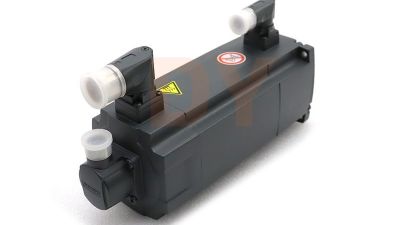
Picking the right Delta AC motor isn’t just a simple choice — it can really make a difference in how smoothly your business runs. Delta Motors are pretty well-loved for being efficient and dependable, but honestly, figuring out which model you need can sometimes feel a bit more complicated than it looks. It’s not just about grabbing any motor off the shelf.
The trick is to really understand what your specific needs are. Things like how much load it needs to handle or the environment it’ll be working in can totally influence your choice. Delta offers a bunch of different models, each suited for different tasks. But here’s the thing — folks often miss some of those little key specs, and that can lead to performance hiccups later on.
Oh, and don’t forget about who you’re buying from! A good, reputable supplier is worth their weight in gold because they’ll make sure you get a quality motor. On the flip side, not all suppliers have the same level of expertise or support, which can end up causing problems down the line. Investing a little in a well-supported, reliable motor now can save you a whole lot of headaches later.
So, taking all these factors into account — your needs, the right specs, and a trustworthy supplier — will help you make a smarter purchase. Hopefully, it guides you right to the perfect Delta AC motor that fits your needs without any unnecessary stress.
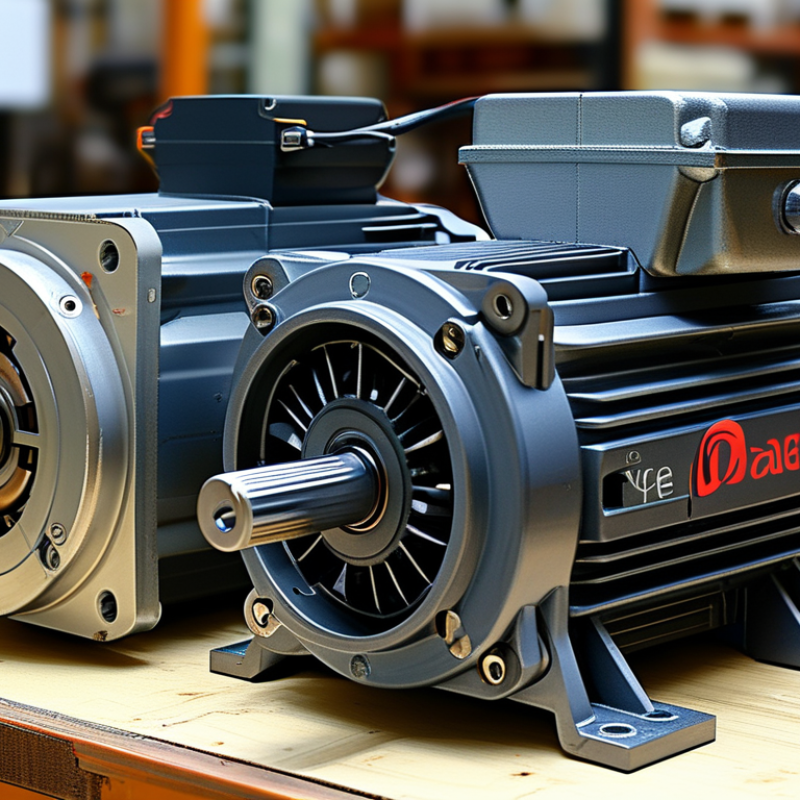
Understanding the Importance of Delta AC Motors in Business Operations
Delta Ac Motors play a crucial role in business operations across industries. They offer reliable performance, energy efficiency, and adaptability. Research shows that businesses can reduce energy consumption by up to 30% by choosing the right Delta AC motor configuration. This efficiency leads to significant cost savings, especially in large-scale operations.
In manufacturing, Delta AC motors drive production lines and equipment. Their durability and consistent torque output minimize downtime. According to industry surveys, 40% of businesses report that unexpected equipment failures significantly impact productivity. Utilizing high-quality Delta AC motors can mitigate this risk, ensuring smooth operations.
Not every Delta AC motor is suitable for every task. Factors like load type, operating environment, and maintenance needs must be considered. Selecting the wrong motor can lead to inefficiencies or increased operational costs. A thorough assessment of requirements coupled with expert consultation often yields the best outcome. It's essential to recognize that even small oversights in selecting Delta AC motors can lead to challenging, costly repercussions.
Identifying the Key Specifications for Delta AC Motors
When selecting Delta AC motors for your business, understanding key specifications is crucial. Start by assessing the motor's power rating. This defines how much power it can deliver under load. A mismatch can lead to inefficiency or mechanical failure. Next, consider the motor's efficiency class. Higher efficiency can reduce energy costs over time, making it a wise investment.
Another important aspect is the operational environment. Motors may need protection against dust or moisture. The IP rating indicates this level of protection, which is vital for longevity. Additionally, evaluate the speed and torque characteristics. These factors determine how well the motor will perform in your application.
Don’t overlook noise levels. Some applications, such as manufacturing, may require quieter operations. You might assume all motors operate silently, but that's not true. Finally, ensure you understand the thermal management of the motor. Overheating can reduce performance and lifespan. Regular assessments can help mitigate these issues. Choose wisely, as these specifications will significantly impact your business's productivity and operational costs.
Evaluating the Efficiency Ratings of Delta AC Motors
When choosing Delta AC motors for your business, understanding efficiency ratings is crucial. The efficiency of an AC motor directly affects energy consumption and operational costs. Higher efficiency means lower energy bills. It's essential to evaluate these ratings before making a decision.
One tip is to compare efficiency classes. Motors are categorized into different classes based on their performance. Higher classes offer better efficiency but may come with a higher upfront cost. Another important factor is the service factor. This indicates how much overload the motor can handle without overheating. Look for motors with higher service factors for improved reliability.
Finally, consider the load conditions. Ensure that the motor selection aligns with the specific requirements of your applications. Over-sizing or under-sizing can lead to inefficiencies and increased maintenance needs.
By focusing on these aspects, you can make informed choices that benefit your business.
Comparing Different Delta AC Motor Models Available in the Market
When selecting Delta AC motors for industrial applications, comparing different models is crucial. The
Delta Line Motor series, for instance,
is well-known for its versatility in various settings. Reports indicate that users often experience a 15% increase in efficiency
when using advanced motor models. Efficiency metrics matter significantly, especially in industries where energy costs are substantial.
Consider the specifications of each model. For instance, the power rating and torque are critical. Many models provide a good balance between performance and size.
A compact unit can fit into smaller machinery without sacrificing output. Potential buyers should also evaluate long-term reliability and maintenance requirements.
Data shows that a reliable motor can reduce unexpected downtime by up to 20%.
Tip: When assessing options, look for motors with scalable features. This helps in adapting to future business needs. Quality matters too;
don’t overlook the warranty duration and customer support offered. Some models may provide less than ideal support, which can lead to operational uncertainties.
Always weigh the pros and cons carefully to ensure the selected motor aligns with your objectives.
Considering the Environmental Impact of Delta AC Motors
When selecting Delta AC motors for your business, consider their environmental impact. Many industries prioritize sustainability. They seek solutions that reduce energy consumption and carbon emissions.
Delta Wired Motors are designed to improve energy efficiency. This efficiency can lead to significant cost savings over time.
However, the production of AC motors often involves energy-intensive processes. Manufacturers must ensure that their practices are sustainable. It’s essential to look for components made from recyclable materials. Conducting a lifecycle analysis can provide insight into a product's total environmental footprint.
By choosing Delta Wired Motors, you can support eco-friendly operations. Still, it's vital to constantly assess the environmental practices of your suppliers. Are they committed to reducing waste? Are they investing in cleaner technologies? This reflection can help your business align with greener goals.
Assessing the Reliability and Durability of Delta AC Motors
When assessing the reliability and durability of Delta AC motors, consider the application environment. Motors exposed to dust or moisture require enhanced sealing and protection. Evaluating the motor's design can reveal its longevity and maintenance needs. Robust models often feature advanced materials that withstand wear and tear better than standard options.
Look for operational efficiency. Reliable motors save energy and reduce costs over time. Investigate performance metrics, such as thermal ratings and overload capabilities. These indicators help measure a motor's endurance under various workloads.
Don't overlook user feedback. Reviewing testimonials provides real-world insights into motor performance and reliability. It is essential to understand how a Delta Servo Motor performs in different industries. Consult with industry peers or technical experts for their experiences. This could guide you toward making a more informed choice.
Top Tips for Choosing Delta AC Motors for Your Business - Assessing the Reliability and Durability of Delta AC Motors
| Criteria |
Description |
Importance Level |
Rating (1-5) |
| Energy Efficiency |
Assess the motor's energy consumption during operation. |
High |
4 |
| Temperature Rating |
Consider motors rated for high temperatures for durability. |
Medium |
3 |
| Maintenance Requirements |
Evaluate how often the motor needs servicing. |
High |
5 |
| Load Handling Capacity |
Ensure the motor can handle the specific load requirements. |
High |
5 |
| Noise Level |
Check the noise output of the motor during operation. |
Medium |
3 |
| Warranty Period |
Longer warranties often indicate reliability. |
High |
4 |
Exploring Maintenance Requirements for Delta AC Motors
When selecting Delta AC motors, understanding maintenance needs is vital. Regular upkeep ensures optimal performance and longevity. These motors require routine checks and servicing for parts like bearings and windings. Over time, dust and debris can accumulate, impacting efficiency.
One key tip is to schedule regular inspections. These should ideally be conducted by trained professionals. Regular maintenance can prevent unexpected breakdowns. Use vibration analysis to detect early signs of wear. It’s a proactive approach that saves time and costs.
Lubrication is another critical aspect. Motors need the right grease to function properly. Too much or too little lubrication can be detrimental. Owners must also keep an eye on temperature; excessive heat may indicate underlying problems. Addressing issues promptly can enhance motor lifespan.
Maximizing Efficiency with Siemens 1FL6044-1AF61-2LH1 SIMOTICS AC Servo Motor: Features, Benefits, and Applications
The SIMOTICS AC servo motor, model 1FL6044-1AF61-2LH1, is engineered to enhance operational efficiency in various industrial applications. One of its standout features is its high dynamic performance, which allows for rapid acceleration and deceleration, making it ideal for processes that require quick response times. Coupled with its high inertia design, this motor can maintain performance stability even under varying load conditions, providing reliability in demanding environments.
Another significant advantage of the 1FL6044-1AF61-2LH1 is its precise absolute encoder. This feature ensures accurate position control, reducing errors in motion and improving overall system productivity. Additionally, the robust IP65 degree of protection signifies that the motor is well-suited for challenging conditions, resistant to dust and water ingress, which is essential for maintenance-free operations in harsh industrial settings.
The versatility of the SIMOTICS AC servo motor extends to various applications, from robotics to packaging and material handling systems. By integrating this advanced motor into their machinery, companies can enjoy enhanced efficiency, reduced downtime, and increased output quality, ultimately leading to a more streamlined production process.
FAQS
: The power rating indicates how much load the motor can handle. Ensure it matches your requirements.
A higher efficiency class can lower energy costs over time. It’s a smart choice for cost management.
The IP rating indicates protection against dust and moisture. This is crucial for the motor's longevity.
Speed and torque characteristics are critical. They determine how the motor functions in different applications.
Noise levels can vary significantly. Some applications may need quieter operations, so check specifications.
Effective thermal management prevents overheating. Overheating can damage performance and reduce the motor's lifespan.
Consider the application environment and motor design. Durable materials can enhance reliability and reduce maintenance.
Yes, user feedback provides insights on performance. It helps in understanding how motors perform in real-world scenarios.
Look at thermal ratings and overload capabilities. These metrics show how well the motor endures heavy workloads.
Speaking with peers or experts offers valuable experiences. Their insights can help you make a more informed choice.
Conclusion
When selecting Delta AC Motors for business operations, it is crucial to understand their significance in enhancing efficiency and productivity. Key specifications such as voltage, power rating, and speed control should be carefully evaluated to match the specific needs of your applications. Additionally, assessing the efficiency ratings can lead to significant energy savings and reduce operational costs over time.
Comparing different Delta AC Motor models available in the market helps in making informed decisions that align with both performance and budget considerations. It's essential to also factor in the environmental impact, ensuring that your choice complies with sustainability goals. Furthermore, reliability and durability are paramount for long-term operations, alongside understanding the maintenance requirements necessary to keep these motors running smoothly. By focusing on these aspects, businesses can optimize their use of Delta AC Motors effectively.