In today's insanely competitive manufacturing world, getting things just right—precision and efficiency—are really the name of the game. Picking out the right equipment can feel pretty overwhelming, honestly. I mean, according to James Smith, who's pretty much an expert when it comes to metrology, 'The right Renishaw CMM Machine can totally change the way you measure things and guarantee quality.' That really drives home how crucial it is to pick the perfect CMM machine for your business.
Renishaw's CMM machines are packed with advanced tech that boosts both accuracy and productivity—pretty impressive stuff. But let’s be honest, plenty of companies struggle when it comes to choosing the right model. You’ve got to think about stuff like size, what it can do, and whether the software plays nicely with your existing setup. Every business’s needs are different, so it’s super important to evaluate these things carefully.
Most experts will tell you that actually getting a feel for different models—hands-on experience—can be a game-changer. Sure, doing research online can give you a good idea, but nothing beats trying the equipment out yourself. Just a heads-up, though: some machines might look perfect on paper but then end up falling flat in real-world use. At the end of the day, finding the right Renishaw CMM Machine can really help push your business forward—just make sure to give it the proper thought and thorough testing beforehand.
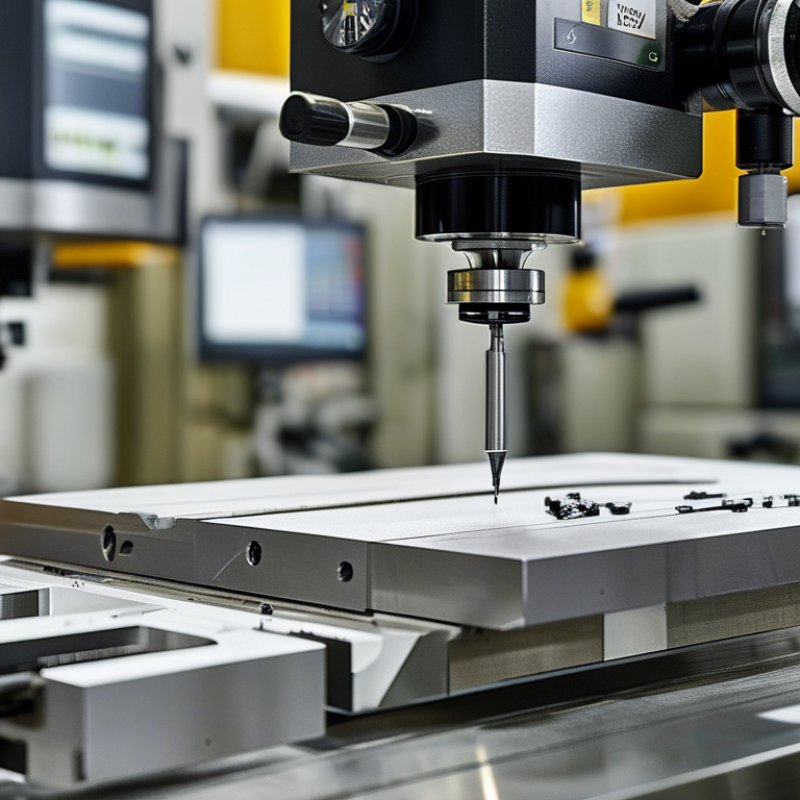
Understanding Renishaw CMM Machines and Their Importance
Understanding Renishaw Cmm machines is crucial for businesses aiming to enhance their quality control processes. These machines play a vital role in precision measurement and inspection. They help ensure that manufactured parts meet strict specifications. This is especially important in industries like aerospace and automotive, where tolerances are tight.
In choosing a CMM machine, it’s essential to consider your specific needs. You might focus on factors such as measurement volume and accuracy requirements. Some businesses may opt for portable CMMs for flexibility in their operations, while others need stationary models for high throughput. Reflect on your production environment and workflows to make the best choice.
Despite the benefits, there are challenges to integrating CMM technology. Training staff can be time-consuming. Moreover, maintaining the equipment requires ongoing commitment. Be prepared to invest in both time and resources. As you navigate these complexities, the goal should remain clear: enhancing measurement accuracy with the right type of Renishaw CMM machine is a journey worth taking.
Key Features to Consider When Selecting CMM Machines
When choosing a CMM machine for your business, key features can significantly impact your decision.
Precision should be the foremost consideration. High accuracy ensures that your measurements are reliable.
Look for machines with a repeatability specification that meets your production needs. Noise level is another factor that often goes unnoticed.
A quieter machine improves the working environment for operators.
Another important feature is the software compatibility. An intuitive user interface can save time during setup and operation.
Additionally, check the machine's adaptability to different inspection tasks. Versatile machines can accommodate various components,
reducing the need for multiple systems. It's also wise to assess the machine’s maintenance requirements.
Machines that require frequent servicing can incur hidden costs over time.
Payload capacity is crucial too. Ensure it can handle the largest parts you work with.
For small businesses, budget constraints will play a role in your choice. It’s essential to balance quality and cost.
Performance should not be compromised, but practical limitations may affect decision-making.
Sometimes, a slightly less advanced model could serve your needs better. The right CMM machine can be a long-term investment,
helping streamline operations while ensuring accuracy and reliability.
Assessing Your Business Needs for CMM Technology
Assessing your business needs for CMM technology can be a complex task. Start by evaluating the size and scope of your operations. What components do you measure? Understanding the specific requirements helps in selecting the right CMM machines. Consider the materials you work with. Some require more precise measurements than others. This directly impacts the type of CMM probes you might need, including
Renishaw Cmm Probes.
Think about your current measurement processes. Are they delivering accurate results? Identify any bottlenecks in your workflow. These challenges can guide your decision on which features are essential in a CMM machine. An important aspect is the size of the components being measured. Is your focus on small parts or large assemblies? The size will affect your choice in machinery and the associated probes.
Don't overlook the long-term implications of your purchase. CMM technology is an investment, and the right choice can enhance productivity. Reflect on scalability; as your business grows, can your CMM adapt? Also, ensure that your team is trained to utilize the equipment effectively. Proper training can make a substantial difference in the effectiveness of your CMM operations, particularly when using advanced options such as
Renishaw CMM Probes.
Comparing Different Models of Renishaw CMM Machines
When choosing a CMM machine, it’s crucial to compare various models and their capabilities. For instance, a study by the National Institute of Standards and Technology highlights that precision in measurements can enhance efficiency by up to 30%. Renishaw's models vary in accuracy, range, and price, affecting how they meet specific business needs. A thorough assessment of each machine's specifications allows businesses to find the most suitable option.
Different models come equipped with distinctive features. Some may prioritize speed, while others focus on intricate measurements. This trade-off can influence operational efficiency. The 2021 Manufacturing Technology report suggests that companies see a 25% reduction in error rates when they invest in higher-end CMM machines. Integrating Stylus Cmm technology can further improve measurement precision, although businesses must weigh costs against potential gains.
Selecting the right machine may not yield immediate results. The learning curve can be steep, and not all firms will adapt quickly. Feedback from users shows that performance may vary based on application. Continuous evaluation of the chosen machine's performance is essential to ensure it meets ongoing business demands. Understanding the nuances of different models can significantly impact overall productivity and manufacturing quality.
Comparison of Different CMM Machine Models
Budgeting and Cost Analysis for CMM Acquisition
When considering the acquisition of a Coordinate Measuring Machine (CMM), budgeting is crucial. Start by identifying the total cost of ownership. This includes not just the initial purchase price, but also maintenance, training, and potential upgrades. Many businesses underestimate these ongoing costs. It's wise to create a comprehensive financial plan that extends over several years.
Explore financing options to ease the initial financial burden. Leasing can be a practical choice, allowing businesses to use the technology without the full upfront cost. However, it's important to scrutinize lease terms. Some may impose hidden fees or restrictions that complicate your budgeting.
In addition to cost, evaluate the return on investment (ROI) offered by the CMM. A lower-priced machine may seem appealing but could lead to inefficiencies or increased errors down the road. Factor in the potential cost of rework or lost time due to inaccuracies. Carefully assess how the CMM can enhance productivity and quality in the long run. Always question whether a budget-driven decision is truly cost-effective.
Ensuring Compatibility with Existing Measurement Systems
When integrating new measurement systems, compatibility is crucial. Your existing setup may include a range of tools and processes tailored to specific specifications. Before introducing a CMM machine, you must assess how it will fit within this framework. Understanding your current measurement solutions is essential. This ensures a smooth transition and avoids unnecessary disruptions.
Consider your existing 3d Cnc Machine capabilities. A new CMM should not only complement but enhance your current operations. Evaluate the data formats used by your measurement devices. Aligning these with the new system will streamline processes. Any mismatch can lead to data loss or inaccuracies. This could potentially compromise production quality.
Training is another vital aspect. Staff should be equipped to handle new technology efficiently. Offering comprehensive training on the CMM machine will minimize errors. It's also important to collect feedback during the initial phases. This helps pinpoint issues early and allows for adjustments. Embracing new technology involves a learning curve that requires patience and diligence.
Evaluating Customer Support and Service Options from Renishaw
When selecting CMM machines for your business, customer support and service options are crucial factors to consider. A reliable support system ensures minimal downtime and smooth operations. Look for providers who offer comprehensive training and responsive assistance. This way, your team can effectively utilize the machines and troubleshoot issues quickly.
Consider how quickly the service team can respond. A prompt response can significantly reduce delays in production. It's helpful to research user reviews about support experiences. Some companies may market excellent service but fail to deliver when needed. Ensure they have a well-structured process for resolving client issues effectively.
Tips: Evaluate the warranty offered. A strong warranty can indicate the manufacturer's confidence in their product. Also, assess the availability of spare parts. Easy access to parts reduces potential downtime during repairs. Always ask for service level agreements to understand response times and support availability.
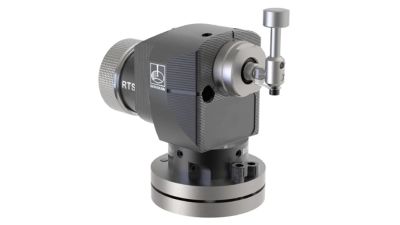
Optimizing Precision and Efficiency in Manufacturing with the Renishaw Contact Tool Setter, Model RTS
In the quest for enhanced precision and efficiency in manufacturing, the adoption of advanced tool setters has become paramount. The Renishaw Contact Tool Setter, Model RTS, stands out with its innovative radio transmission technology, making it an ideal choice for machining centers of all sizes, especially in environments where line-of-sight communication between devices is a challenge. According to industry reports, businesses leveraging automated tool setting solutions can realize a reduction in setup times by up to 50%, significantly accelerating the overall production process.
The RTS not only facilitates rapid measurement of tool length and diameter but also incorporates a broken tool detection feature, vital for maintaining operational integrity. With the capability to measure a wide variety of tools quickly, manufacturers can minimize downtime and optimize performance, thereby enhancing their competitive edge. Research indicates that optimizing tool management through technology can lead to improved manufacturing efficiency by around 20%, ultimately contributing to a more streamlined workflow.
Moreover, the cable-free design of the RTS allows it to function either as a standalone unit or as part of a multi-probe system, offering versatility across various applications. By integrating the RTS into their operations, manufacturers can address their specific needs while benefiting from a significant enhancement in tool management capabilities. Reports suggest that the implementation of such advanced solutions can yield substantial cost savings and a measurable increase in productivity, thus highlighting the critical role of precision tools in modern manufacturing.
FAQS
: CMM machines enhance quality control by ensuring manufactured parts meet strict specifications. This is vital in precision-driven industries.
Focus on measurement volume, accuracy, noise level, and software compatibility. Each factor significantly impacts your operations.
Integrating CMM technology requires time for staff training and ongoing maintenance. It can be resource-intensive.
Evaluate the size of your operations and the components measured. Understand specific requirements for better machine selection.
An intuitive user interface and adaptability to various inspection tasks enhance usability. They can save time during operation.
Ensure the machine can handle the largest parts you work with. This prevents limitations in your measurement capabilities.
Striking a balance is vital. Sometimes, a less advanced model fits better within budget while still meeting your needs.
Reflect on scalability and team training. The right CMM purchase can significantly enhance productivity as your business grows.
Evaluate the accuracy of current processes. Understanding weaknesses helps determine which CMM features are essential.
Assess the maintenance requirements; machines needing frequent servicing may incur hidden costs in the long run.
Conclusion
Choosing the right Renishaw CMM Machine for your business requires a thorough understanding of its features and implications for your operations. It’s crucial to consider key attributes such as measurement accuracy, size, and software compatibility when evaluating different models. Assessing your specific business needs will help in determining the most suitable technology for efficient production and quality control.
Additionally, budgeting for the acquisition of a Renishaw CMM Machine involves a detailed cost analysis to ensure it aligns with your financial capabilities. It’s also important to ensure compatibility with your existing measurement systems. Finally, evaluating the customer support and service options available is essential for maintaining the machine and solving any potential issues post-purchase, ensuring that your investment enhances productivity and operational success.