Picking out the right CNC parts for your project can honestly feel pretty overwhelming sometimes. I mean, according to a report from the International Manufacturing Institute, getting the precision right when choosing these parts is super important. Mess up, and you might end up facing delays and extra costs — not fun. James Parker, who’s an expert at Precision Machining Solutions, once said, “The right CNC parts can really make or break your project,” and I totally agree with him.
It’s crucial to understand what your CNC machine actually needs. Different projects call for different specs, and while manufacturers often give guidelines, they can sometimes be confusing or seem overwhelming. One common mistake folks make is thinking they need tighter tolerances than necessary — honestly, reviewing what your project really requires can save you a lot of wasted time and resources.
And let’s not forget, quality is everything. Going for cheap or substandard components can seriously hurt your machine’s performance and lifespan. Did you know that about 30% of project setbacks happen because of choosing the wrong parts? With so many options out there, it’s tempting to just go for whatever’s available, but not all suppliers meet high standards. Looking back on past projects can help you avoid the same mistakes in the future — it’s all about learning and improving as you go.
Understanding the Basics of CNC Parts and Their Functions
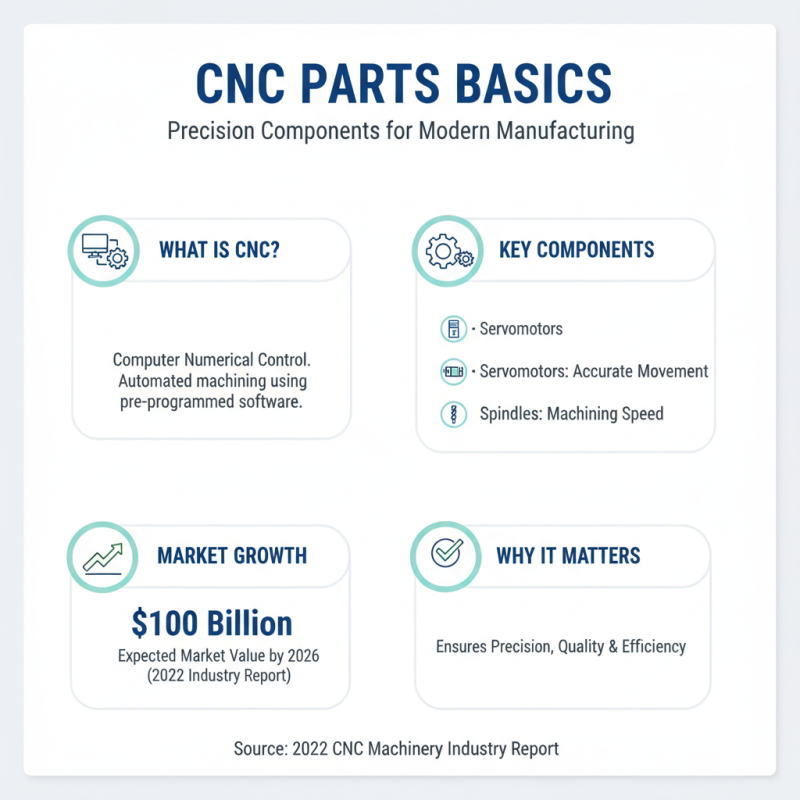
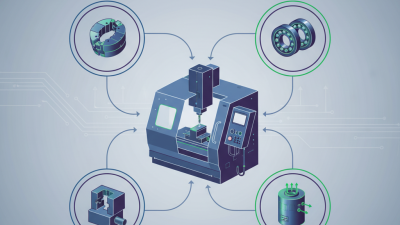
When selecting CNC parts, understanding their basics is crucial. CNC, or Computer Numerical Control, relies on various components to ensure precision. For instance, servomotors provide accurate movement, while spindles determine machining speed. According to a 2022 industry report, the market for CNC machinery is expected to reach a value of $100 billion by 2026, showing the growing demand for quality components.
Every part has specific functions and characteristics. A mismatch can lead to performance issues. Fanuc Cnc Parts, known for their reliability, present a wide range of options. However, not every project needs the highest-end components. Sometimes, simpler parts can be more cost-effective and still meet performance demands. It's essential to assess the project requirements thoroughly.
Consider the integration of new parts with existing machinery. Compatibility is often overlooked. Choosing parts that do not fit well can waste resources and time. Pay attention to ratings and reviews. However, remember that numbers can sometimes mislead. Reflect on your own needs and test components when possible. This approach can prevent costly mistakes down the line.
Identifying Your Project Requirements and Specifications
Identifying project requirements is crucial when selecting
Cnc Machining Parts. Start by defining the dimensions and tolerances needed for your components. Precision is key—some reports indicate that dimensional tolerances can impact the overall assembly of parts by up to 30%. If your project requires tight tolerances, ensure that the CNC parts can consistently achieve these specifications.
Consider the material properties essential for your project. Each material has unique traits that affect its machinability and performance. For instance, aluminum offers lightweight durability but may not withstand high temperatures. Detailed reports show that improper material selection can lead to costly failures, accounting for 20% of total project expenses.
Evaluate the production volume as well. Low-volume projects may benefit from different CNC parts than those required for mass production. Short runs may allow for more design flexibility but might raise costs per unit. A detailed analysis should guide your decision-making process, acknowledging that some CNC machining parts may not meet all criteria perfectly. Adjustments to designs or tolerances may be necessary to balance quality and cost.
Key Factors to Consider When Selecting CNC Parts
When selecting CNC parts, several key factors come into play. Understanding your project requirements is critical. Think about the material you'll be working with. Different CNC parts serve various functions. For example, Fanuc Parts may be ideal for precision tasks, but may not be necessary for simpler applications. Assess the complexity of your project and choose accordingly.
Another important aspect is compatibility. It's essential to ensure that the parts you choose work well together. Mix and match can be tempting, but it often leads to issues. You might waste time and resources on mismatched parts. Always check specifications before making a decision. This can save significant effort in the long run.
Tips: Consider cost versus quality. Sometimes, cheaper options can compromise performance. Research each part’s reviews and user feedback. This provides insight into potential pitfalls. Remember, investing in quality parts early on can lead to better outcomes. For instance, reliable Fanuc parts can enhance efficiency and reduce downtime in your CNC operations.
How to Choose the Right CNC Parts for Your Project? - Key Factors to Consider When Selecting CNC Parts
| Factor |
Description |
Importance Level |
Common Materials |
| Compatibility |
Ensure parts are compatible with your CNC machine specifications. |
High |
Aluminum, Steel, Plastic |
| Precision |
Assess the precision level required for your project components. |
Critical |
Stainless Steel, Titanium |
| Durability |
Select parts that can withstand the operational conditions. |
Medium |
Alloys, Composites |
| Cost |
Evaluate your budget against the quality and type of parts. |
High |
Plastic, Aluminum |
| Supplier Reputation |
Research suppliers for quality assurance and support. |
High |
N/A |
| Lead Time |
Consider the time required for part delivery and setup. |
Medium |
N/A |
Types of CNC Parts: An Overview of Common Components
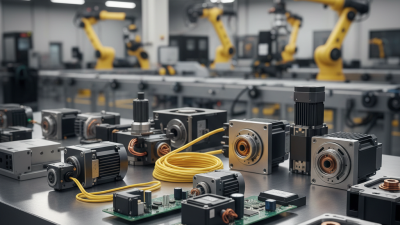
When embarking on a CNC project, understanding the various types of CNC parts is crucial. Components like spindles, stepper motors, and control boards play significant roles. For example, spindles are essential for cutting, while motors drive precision and movement. It’s interesting to note how a small change in a motor can lead to noticeable differences in outcomes.
Fanuc Spare Parts are known for reliability, but they're not the only option on the market. Alternatives exist that can cater to specific needs. Finding the right fit may require research and some trial and error. Choosing components based solely on brand can be misleading. Not all high-cost parts guarantee better performance. Each project may require a unique mix of components.
As you explore various parts, consider compatibility and functionality. The wrong choice may lead to inefficiencies. It might be tempting to save costs, yet cheaper parts can result in higher expenses later. Balancing quality and cost is often a challenge. Mistakes are part of the journey, but each setback can offer valuable lessons.
Evaluating Compatibility with Your CNC Machine
When selecting CNC parts, compatibility with your machine is critical. You should start by understanding the specifications of your CNC machine. Each machine has unique requirements. Check the size, voltage, and mounting compatibility. Ensuring these factors align can prevent frustrating issues later.
Next, consider the materials of the components. Some parts may not work well with specific materials. For example, certain plastics might warp under heat generated from machining. It’s essential to anticipate how parts will perform under operation. Researching common pitfalls within your machine’s model can save you from costly mistakes.
Reflect on whether your skill level matches the complexity of the parts. Sometimes, a part looks ideal but is challenging to install or operate. This can lead to unforeseen problems. Balancing quality and ease of use is vital. Be prepared to adjust your project if you find parts are not as compatible as you hoped.
Budget Considerations: Cost vs. Quality in CNC Parts
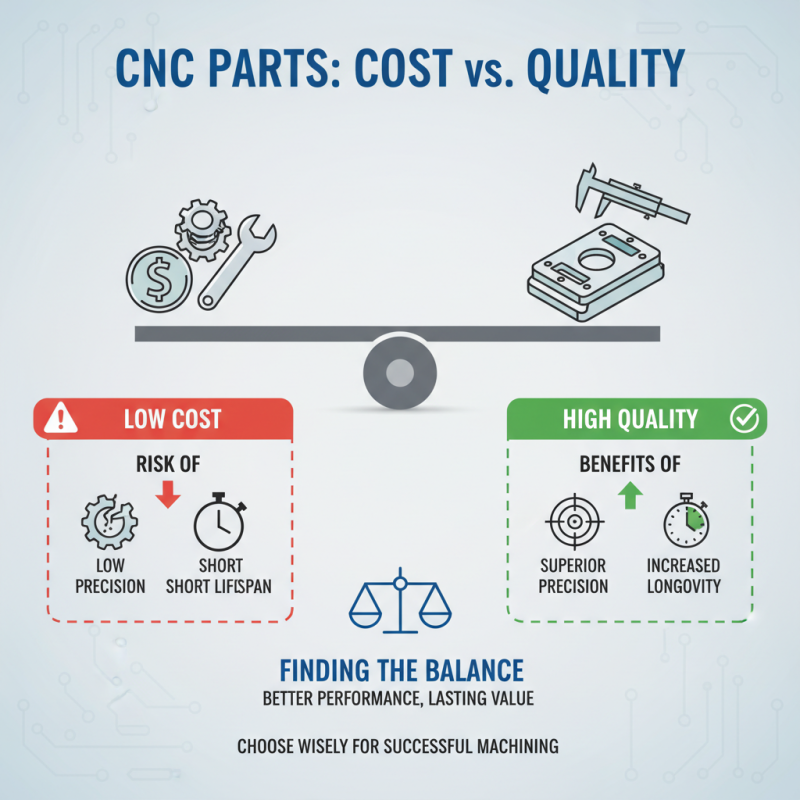
When choosing CNC parts, balancing cost and quality is crucial. Quality parts often lead to better performance and longevity. However, they can also come with a higher price tag. It might seem tempting to go for the cheapest options, but this choice can backfire. Low-cost parts may compromise precision and durability, which is essential for successful machining.
Many projects face budget constraints. Finding reasonably priced yet reliable parts involves research. Look for suppliers that prioritize quality without breaking the bank. Compare materials and designs carefully. Sometimes, spending a little more upfront can save you from costly repairs later. Remember to read reviews and check for warranties.
It’s important to reflect on past experiences. Have cheaper parts caused issues in previous projects? You might save money initially, but consider the potential setbacks. Investing in good quality is often worth it. Balancing cost and quality can be tricky. But being mindful of both will ensure your project’s success and longevity.
Where to Source Reliable CNC Parts for Your Project
When sourcing reliable CNC parts for your project, research is crucial. Start by exploring local suppliers. They often provide direct access and quicker shipping. Building relationships with these suppliers can lead to better deals over time. Attend local trade shows to discover new vendors. Face-to-face interactions can foster trust.
Online marketplaces are another option. Many offer a wide range of components. However, be cautious about reviews and ratings. Not all vendors are equal. Take time to verify suppliers. Check for customer feedback and product quality. If possible, request samples before making a larger commitment.
Consider joining online forums or communities focused on CNC machining. Engaging with others can lead to referrals for reputable suppliers. Don’t hesitate to ask for recommendations. Learning from others' experiences can save you time and money. Always keep in mind that your choice of parts affects the outcome of your project. Avoid rushing this decision. Quality matters in CNC machining, and sometimes, the best parts come from unexpected sources.
Comparison of CNC Parts by Material Type and Cost
This bar chart illustrates the average cost per kilogram of different materials commonly used for CNC parts. Understanding these costs can help in selecting the right CNC parts for your project based on budget and material requirements.
Maximizing Precision and Efficiency: A Comprehensive Guide to SIEMENS SINUMERIK 828D CNC Controls for Milling Machines
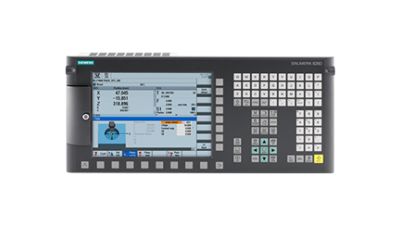
The SIEMENS SINUMERIK 828D CNC control system represents a significant advancement in the engineering domain, particularly for standard milling, turning, and grinding machines prevalent in job shops. With its integrated design, which encompasses CNC, PLC, operating, and axis control functions within a single compact unit, it caters to diverse machining needs. This panel-based solution is adaptable to various operator panel housings, optimizing workspace and enhancing user interaction.
According to the latest market analysis, CNC market growth is projected to reach a compound annual growth rate (CAGR) of over 6% from 2023 to 2028. This growth is driven by the increasing demand for precision manufacturing and the efficiency of operations that complex CNC systems like the SINUMERIK 828D provide. Its robust programming capabilities adapt seamlessly to multiple applications, ensuring a competitive edge across global CNC end-user markets.
Moreover, the SINUMERIK 828D’s reliability in executing high-precision tasks is reflected in industry reports that highlight a 30% reduction in machining time with the application of advanced CNC machining technologies. This efficiency not only streamlines production but also allows manufacturers to respond more swiftly to market demands. As industries evolve, the need for such sophisticated yet compact solutions becomes increasingly crucial, marking the SINUMERIK 828D as an exemplary model in the field of CNC controls.
FAQS
: It improves efficiency and enhances focus. Users report better time management.
Yes, beginners can easily adopt it. Some may struggle initially, but practice helps.
Start with 10-15 minutes each day. Gradually increase as you become more comfortable.
Yes, when applied collectively, it encourages collaboration. Expect some initial resistance, though.
Many rush the process or get distracted easily. Reflecting on challenges is crucial.
Keeping a journal helps track improvements over time. Note your challenges and victories.
Conclusion
Choosing the right CNC parts for your project is essential for achieving optimal performance and efficiency. Start by understanding the basic functions of CNC parts, which play a crucial role in the overall operation of CNC machinery. Before selecting components, clearly identify your project requirements and specifications to ensure that the parts you choose align with your intended results.
Key factors to consider include compatibility with your CNC machine, material quality, and overall budget constraints. It's important to evaluate both cost and quality, as investing in reliable CNC parts can impact the longevity and functionality of your project. Familiarize yourself with the common types of CNC parts available and explore reputable sources to procure them, ensuring you make informed decisions that meet your project's needs.