When you're choosing a Siemens Spindle Motor, having some expert advice can really come in handy. I mean, Mark Johnson, who's pretty well-known in the industrial motor scene, once said, "Picking the right motor can actually make or break your production efficiency." That really hits home, right? It’s a reminder that you gotta understand what you actually need before making a choice.
Siemens Spindle Motors are versatile and fit a bunch of applications—they’re known for being reliable and precise. But hey, not all motors are exactly the same. It's super important to think about your power needs, the range of speeds you're aiming for, and torque specs, because all that stuff impacts how well the motor performs and how efficient it is.
Plus, don’t forget to consider your operational environment. Things like temperature, load conditions, and cycle times can really influence how long your motor lasts. Taking these into account is essential—not just for safety, but for getting the most out of your investment. Siemens Spindle Motors are generally solid quality-wise, but at the end of the day, the key is making sure your choice matches your specific industrial needs. A little bit of planning can save you a lot of trouble down the line.
Understanding Siemens Spindle Motors and Their Applications
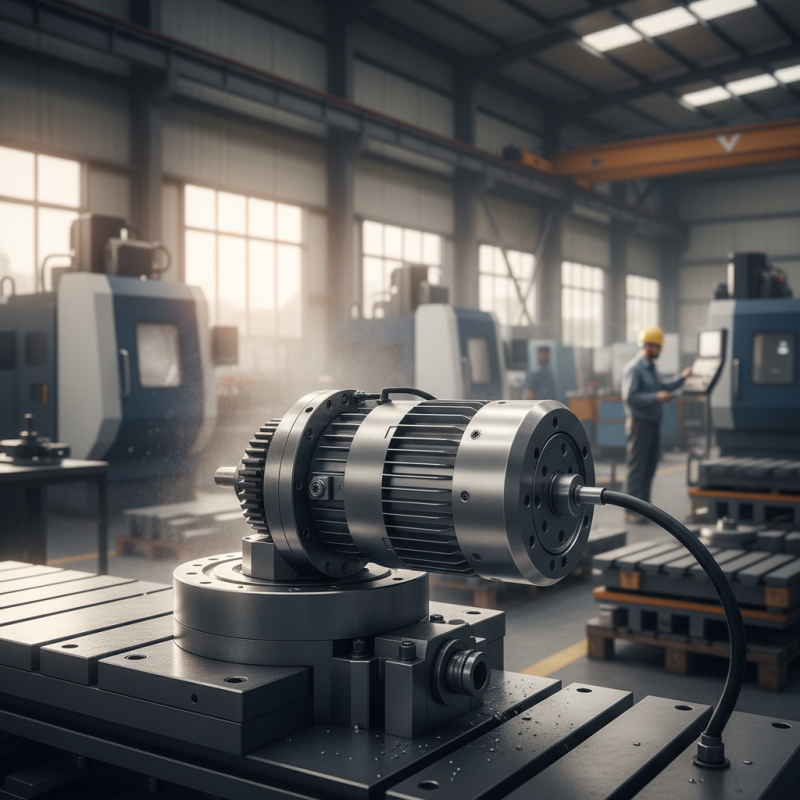
Siemens spindle motors are essential for several industrial applications. They are widely used in CNC machines, woodworking tools, and metalworking machines. These motors provide precision and high performance, which is vital for tasks that require exact tolerances. Understanding how these motors work can significantly enhance their application in different industries.
Choosing the right spindle motor can be challenging. Factors like power, speed, and torque should be considered to meet specific operational needs. For instance, a Fanuc Spindle Motor is known for its reliability in high-speed machining environments. It’s important to assess the machine's current requirements and future demands. Any oversight here could lead to inefficiencies.
Analyzing the load capacity is another crucial aspect. Underestimating the load can lead to overheating and wear. Similarly, overloading might cause the motor to underperform. Regular maintenance and monitoring of performance indicators help in identifying potential issues early. This proactive approach can prevent costly downtimes and ensure optimal efficiency.
Understanding Siemens Spindle Motors and Their Applications
Key Factors to Consider When Choosing a Spindle Motor
When selecting a spindle motor for industrial applications, several key factors must be considered.
Power ratings are essential. Motors typically range from
1.5 kW to 50 kW. Selecting the right power rating ensures optimal performance and efficiency. For instance,
insufficient power can lead to lower output quality. In contrast, excessive power may increase wear on mechanical components.
Speed specifications also play a crucial role. Common spindle motors operate
between 1,000 to 24,000 RPM. Identify the required spindle speed for your operations. Higher speeds allow for
finer machining; however, they may cause overheating. Proper cooling systems can mitigate these issues, but they add
complexity and cost.
Torque ratings are equally significant. Motors often provide
constant torque or variable torque options. A constant torque spindle can deliver better performance across a range of speeds,
making it more versatile. However, most applications do not require such flexibility. Evaluating the specific requirements for
your production processes is vital. In many cases, users might overlook these aspects, only to face operational challenges later.
Data from industry reports indicate that 30% of motor failures stem from incorrect
torque specifications.
Sizing Your Siemens Spindle Motor: Power and Torque Requirements
Choosing the right spindle motor for industrial applications requires careful consideration of
power and
torque. The specific requirements of your
machinery will dictate these needs. It’s essential to calculate the expected load and operational speeds.
Every application varies, and each detail matters.
Torque is particularly crucial. It determines
how quickly a spindle will reach its optimal performance. If the torque rating is too low, the machine
may struggle under heavy loads. Additionally, consider power requirements. A Delta Spindle Motor, known for certain beneficial
characteristics, may be suitable for high-demand tasks. Evaluate how these specifications align with your workflow.
Customization may be necessary. Sometimes, the ideal motor does not fit perfectly into a predefined
category. It's common to face challenges during sizing. Take the time to test different configurations.
The goal is to find a balance between power and
efficiency. Always double-check calculations to ensure
precision. Getting this right can significantly impact productivity.
Evaluating Speed and Efficiency for Your Industrial Application
When selecting a spindle motor for industrial applications, evaluating speed and efficiency is critical. A well-chosen spindle motor can significantly impact production rates and energy costs. According to a 2022 industry report, spindle motors that operate at optimal speeds can enhance material removal rates by up to 30%. This improvement is essential for sectors like manufacturing and machining.
Considerations around efficiency also play a vital role. Motors designed with energy-saving technologies can reduce consumption by 20-25%. Some studies indicate that integrating a high-efficiency motor, like a Fanuc Spindle Drive, can lead to notable long-term savings. Yet, adopting such advanced systems often requires an upfront investment that may raise short-term concerns. Balancing these costs with anticipated energy savings requires careful analysis of operational demands.
Additionally, it's essential to reflect on how speed affects precision and product quality. While faster motors can increase throughput, they might compromise the finish quality if not properly calibrated. Industry standards highlight that a 10% increase in speed can lead to a 5% deterioration in precision if adjustments are not made. Therefore, evaluating the specific needs of your application is crucial to avoid pitfalls.
Exploring Cooling Options and Thermal Management in Spindle Motors
Thermal management is crucial in selecting spindle motors for industrial applications. Motors can generate significant heat. Efficient cooling options prevent overheating, ensuring performance and longevity. In machining operations, heat can reach over 100°C, which compromises the spindle's accuracy and life. Studies show that effective cooling can improve motor efficiency by up to 20%.
Several cooling methods exist. Air cooling is common for smaller applications due to its simplicity. However, for larger machinery, liquid cooling provides superior heat dissipation. It can maintain optimal temperatures even under heavy loads. A recent industrial report indicated that designs employing liquid cooling had a 30% lower failure rate compared to air-cooled counterparts. Proper thermal management can enhance reliability in operations.
Consider the installation environment when choosing cooling options. Ambient temperatures, airflow, and dust levels can affect cooling efficiency. An overly hot environment might necessitate advanced cooling solutions, even for modestly powered motors. Reflect on the practicality of installing an additional cooling system against the potential downtime costs from motor failure. Balancing these factors is key for optimal performance.
Assessing Compatibility with Existing Equipment and Controls
When choosing a spindle motor for industrial applications, compatibility with existing equipment and controls is crucial. Assessing this compatibility ensures that operational efficiency is maintained. Begin by evaluating the specifications of your current motor. Consider the voltage, power requirements, and physical dimensions.
Tips: Measure the space available. This prevents installation issues later. Check the interface types as well. Ensure that the new motor can connect seamlessly with your controls. If your current setup uses specific control protocols, verify if the new spindle motor supports them.
Evaluate the load capacity too. This factor directly affects performance. Under-specifying may lead to premature wear or failure. A mismatch in controls may require additional converters, which can complicate the setup. Lastly, keep in mind any cooling requirements as well. Incompatible cooling methods might lead to overheating and inefficiency.
Tips: Seek expert opinions if you're unsure. Their experience may highlight potential issues you might not see. Document your existing system's details thoroughly. This will aid in better decision-making for your choice of motor.
How to Choose Siemens Spindle Motor for Your Industrial Needs?
| Motor Model |
Power Rating (kW) |
Voltage (V) |
Current (A) |
RPM |
Compatibility |
| Model A |
15 |
400 |
30 |
3000 |
High Compatibility |
| Model B |
22 |
460 |
40 |
4500 |
Moderate Compatibility |
| Model C |
30 |
230 |
60 |
1800 |
Low Compatibility |
| Model D |
37 |
380 |
70 |
3600 |
High Compatibility |
The Importance of Manufacturer Support and Warranty in Selection
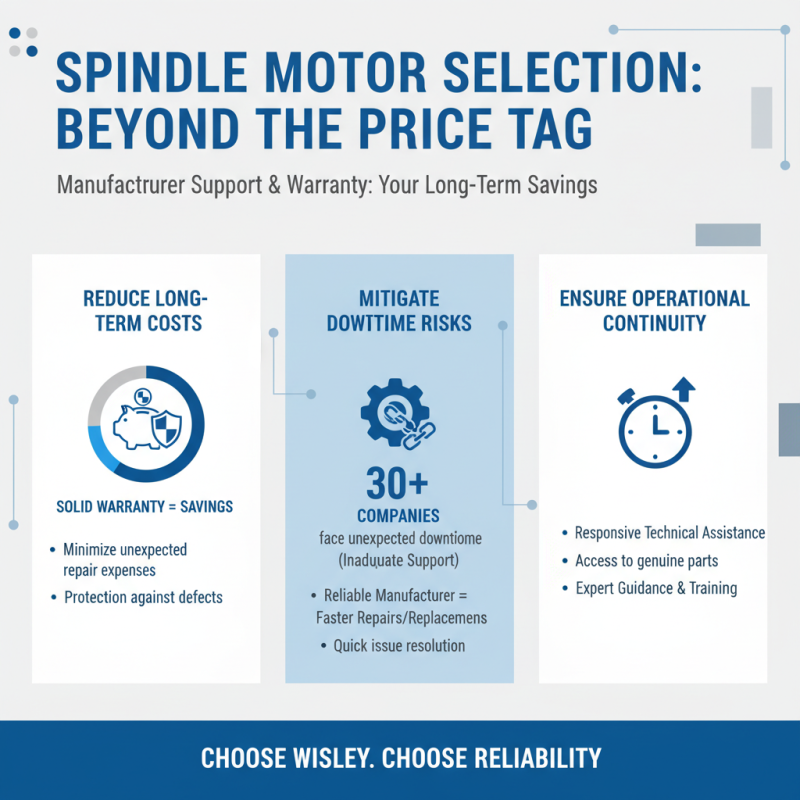
Selecting the right spindle motor for your industrial needs requires careful consideration. One often overlooked aspect is the importance of manufacturer support and warranty. A solid warranty can reduce long-term costs. According to industry reports, over 30% of companies experienced unexpected downtime due to inadequate support. Having a reliable manufacturer can mean quicker response times for repairs and replacements.
When you invest in a Spindle Cnc Machine, the manufacturer’s support becomes crucial. Manufacturers that offer strong guarantees typically maintain higher quality standards. Studies indicate that businesses that focus on supplier reliability can improve operational efficiency by up to 25%. It's essential to weigh the warranty terms. A short warranty might signal lesser confidence in the product.
It's also worth reflecting on how technical support plays a role in daily operations. Some businesses reported frustration with insufficient guidance for maintenance issues. This can lead to improper use and costly repairs. You should assess both the warranty length and the type of customer service offered. Prioritizing these factors can make a significant difference in your industrial outcomes.
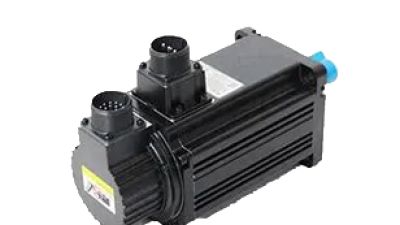
Optimizing Precision Motion Control: Insights from Industry Reports on Delta AC Servo Motor ASDA-B3 Series Performance
The performance of precision motion control systems is a critical aspect in various industrial applications. Recent insights from industry reports highlight the advancements and capabilities of advanced servo motor systems, particularly focusing on enhancing the efficiency and responsiveness of operations. Within this context, the latest generation of servo motors has come to the forefront, showcasing optimized design and performance metrics that significantly boost productivity.
The ECM-B3 series represents a notable evolution in servo technology, engineered to work in perfect harmony with modern servo drives. Its architecture offers improved torque characteristics and speed control, which are essential for high-precision applications. The integration of innovative features within this motion control system not only enhances operational stability but also delivers superior energy efficiency, reducing overall operational costs. Such advancements make this series a favorable choice for industries seeking reliable and high-performance motion control solutions.
Adopting this latest technology in precision motion control can enable organizations to achieve greater automation and productivity levels across diverse applications. The seamless compatibility of the ECM-B3 series with its servo drives exemplifies a commitment to fostering high-performance systems that cater to the evolving demands of the industrial landscape. As industries aim for optimal performance, the right choice of motion control technologies will ultimately support their goals of precision, reliability, and efficiency.
FAQS
: Power ratings ensure optimal performance. They typically range from 1.5 kW to 50 kW. Insufficient power can lower output quality.
Speed ranges from 1,000 to 24,000 RPM. Higher speeds allow finer machining but may cause overheating. Proper cooling systems can help.
Torque ratings can be constant or variable. Constant torque provides better performance across speeds. Many users overlook this aspect.
Reliable manufacturer support reduces long-term costs. Quick response times for repairs lead to less downtime, which is crucial.
A solid warranty signifies confidence in the product. Short warranties may indicate poor reliability. Always check the terms offered.
Insufficient guidance can lead to improper use. This often results in costly repairs and operational challenges. Reflect on available support options.
Prioritizing power, speed, and torque can enhance production processes. Businesses can experience increased efficiency with informed choices.
Cooling systems prevent overheating at high speeds. However, they add complexity and cost, which can be a drawback.
Overlooking specific motor requirements can result in challenges. Evaluating these factors early is vital for success.
Focusing on reliable suppliers can improve operational efficiency by up to 25%. It’s worth considering long-term partnerships.
Conclusion
When selecting a Siemens Spindle Motor for industrial applications, it is essential to understand the motors' characteristics and their specific uses. Key factors to consider include power and torque requirements, ensuring that the motor is correctly sized to meet operational demands. Efficiency and speed evaluation are vital to optimizing performance within your application, while appropriate cooling options and thermal management techniques can significantly enhance the motor's lifespan.
Additionally, assessing compatibility with existing equipment and controls is crucial to streamline integration within current systems. Finally, the level of manufacturer support and warranty can influence the overall selection process, providing peace of mind and reliability. By carefully considering these factors, you can make an informed decision when choosing a Siemens Spindle Motor tailored to your industrial needs.