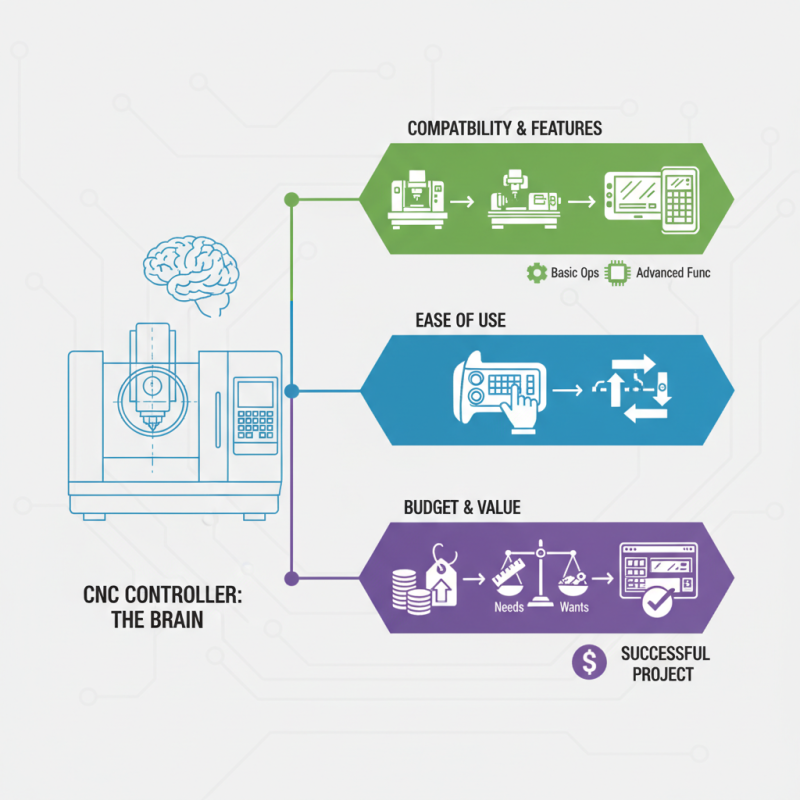
Picking out the right CNC controller for your machine can honestly feel pretty overwhelming sometimes. It’s basically the brain of your setup, controlling how it moves, how precise it is, and what it can do. With so many options out there, figuring out which one is the best fit can be a real challenge.
There are a bunch of things to think about when choosing a CNC controller. First off, make sure it’s compatible with your specific machine. The features you need might range from just the basics to more advanced stuff depending on what you're aiming for. Some controllers come with touchscreens—pretty slick—while others are simpler with just a keypad. And yeah, ease of use matters a lot— nobody wants to wrestle with a complicated interface.
Don't forget about your budget, either. Cheaper controllers might seem like a good deal upfront but could lack some features that would make your work smoother. It's common for folks to overlook this and end up frustrated later on. So, take a moment to think about what you really need versus what might just sound cool. Striking that balance is key to making your CNC project a success—and honestly, saves you headaches down the road.
Understanding CNC Controllers: Definitions and Functions
When choosing a CNC controller, understanding its definitions and functions is crucial.
A CNC controller is the brain of a CNC machine. It interprets G-code commands and translates them into precise movements.
This translation is essential for achieving high accuracy and repeatability in machining operations. According to a recent report,
over 70% of manufacturers highlight the role of advanced CNC controllers in reducing downtime and improving productivity.
Different types of CNC controllers offer varied functionalities. Some are purely motion controllers, while others integrate features like
real-time monitoring and error detection.
A study found that CNC systems with integrated error-checking capabilities can reduce operational errors by as much as
30%. This highlights the importance of selecting a controller that aligns with your specific operational needs.
Tips: Always consider the ease of use.
A user-friendly interface can greatly enhance productivity. Evaluate the compatibility of the controller with your existing machinery.
Incompatibility can lead to unexpected costs and inefficiencies. Lastly, reflect on future technological needs. As the industry evolves,
opt for controllers that can adapt to new technologies.
Key Features to Consider in CNC Controllers for Optimal Performance
Choosing the right CNC controller is crucial for achieving optimal performance. Key features must be considered. Compatibility with your CNC machine is essential. Ensure the controller supports the axes and tool types you use. Some controllers have specific requirements that can limit their use for future upgrades.
Look for controllers that provide real-time feedback. This feature can help optimize machining processes and reduce downtime. Research shows that machines with real-time feedback can improve efficiency by up to 25%. However, some offers may complicate integration. Choosing a controller that minimizes setup complexity is advisable.
Tip: Always review performance metrics before making a decision. Analyze control algorithm effectiveness. It's also wise to assess the user interface. A complicated interface can hinder productivity. A simple, intuitive design enhances usability. Lastly, consider the controller's support for different software. Limited compatibility may restrict your machining capabilities in the future. Balancing features with usability ensures you make an informed choice.
Comparing Popular CNC Controller Types in the Market Today
When selecting a CNC controller, understanding the types available is crucial. There are several popular controllers on the market today: G-code based, Arduino-based, and PC-based controllers. Each type has its advantages and limitations. G-code controllers are widely used for their straightforward programming but may lack flexibility. Arduino-based controllers offer customization options, yet they can be complicated for beginners. PC-based systems provide powerful capabilities but often require more substantial investment.
**Tips:** Assess the type of materials you'll work with. This will affect the controller's requirements.
According to a recent industry report, the CNC machine market is projected to grow by 5.1% annually. This growth highlights the increasing reliance on advanced CNC controllers. Users should consider ease of use when selecting a controller. Many advanced features come with a steep learning curve. Reflecting on user feedback can reveal challenges that may impact productivity.
**Tips:** Look for online communities for support. They can provide insights into real-world experiences.
Choosing the right controller involves balancing features with budget constraints. While it may be tempting to opt for the most advanced model, user-friendliness is critical. Overlooking this aspect may lead to further delays and frustration down the line.
Assessing Compatibility: CNC Controllers and Your Machine Type
Choosing the right CNC controller is crucial for optimizing your machine's performance. It's important to assess compatibility with your specific machine type. According to a report from the International Federation of Robotics, over 2.7 million industrial robots were in operation worldwide in 2020. A poorly matched controller can hinder efficiency and accuracy, leading to wasted materials and time.
When selecting a controller, pay attention to communication protocols. Different machines support various protocols, such as RS-232 and USB. Each can impact how quickly data is transmitted and processed. For instance, a delay in signal can result in subpar milling or engraving quality. Make sure to review your machine's documentation for detailed compatibility information.
Another factor is software compatibility. Many controllers require specific software versions. Outdated software can cause communication breakdowns, which might not be easy to troubleshoot. It’s common for users to undervalue this aspect, leading to hidden costs. Keep in mind the learning curve associated with new systems; take time to evaluate usability and training resources as well. Consider these elements carefully to ensure optimal performance.
Evaluating User Interface and Software for CNC Controllers
When choosing a CNC controller, the user interface and software play crucial roles. A simple, intuitive interface enhances usability. Look for controllers that offer clear icons and straightforward navigation. This helps operators learn quickly. A cluttered interface can confuse users. A well-designed layout makes a significant difference.
Equally important is the software. It should support various file types for seamless operation. Compatibility with common CAD/CAM programs is vital. Some software may lack features. This could lead to frustration during projects. Regular updates are necessary to address bugs and enhance functionality.
Choosing a controller requires careful evaluation. Gather feedback from various users. Their experiences can highlight potential issues. Don't rush the decision. Understand the software capabilities thoroughly. A good user interface and reliable software can transform CNC machining. They ensure smoother operation and better outcomes.
Analyzing Price vs. Performance: Budgeting for Your CNC Controller
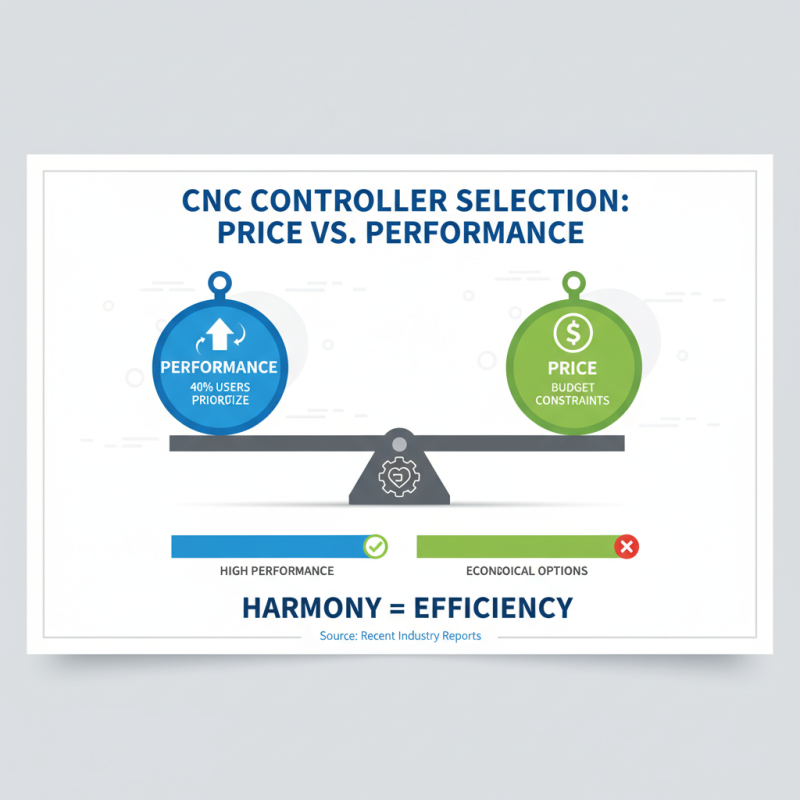
When selecting a CNC controller, price and performance must be in harmony. According to recent industry reports, 40% of CNC users prioritize performance over cost. This shows a strong industry trend. However, budget constraints are real. Many businesses are torn between investing heavily in high-performance units and choosing more economical options. A poor choice can lead to inefficiencies that cost more in the long run.
Performance bundles often come with advanced features, but they may also inflate costs significantly. Some units range from $500 to $5000, depending on capabilities. Many users have noted that spending less than $1000 on a controller can limit options. Often, these budget controllers lack support for modern functionalities like advanced connectivity or high-speed processing. Yet, a basic model might suffice for simple tasks. Finding the balance is not easy, especially in a rapidly evolving market.
User feedback often points to dissatisfaction with underperforming controllers. Many feel they overestimated their needs and invested in features they do not use. As a result, evaluating the actual requirements is crucial. It's not just about the upfront costs but the long-term implications of the choice. Careful consideration of both price and performance can lead to smarter investments for CNC operations.
Reading Reviews and Insights: Industry Trends and User Experiences
When choosing the best CNC controller, reading reviews is essential. Insights from experienced users can guide your decision. They share practical experiences that reveal strengths and weaknesses. Look for comments that discuss ease of use, features, and reliability. Seek feedback on setup challenges or software compatibility. A varied perspective provides a fuller picture.
Tips: Focus on user forums. These spaces often have candid discussions. Engage with users who experienced issues. This could save you from potential pitfalls. Analyze both praise and criticism. A well-rounded view leads to better choices.
Industry trends also play a role. New technologies emerge regularly. Keeping up-to-date can enhance your machine's performance. Users often highlight the importance of firmware updates. Upgrades can fix bugs or improve functionality. However, ensure these updates fit your needs. Sometimes, what appears beneficial may not align with your specific use case. Reflect on how others adapt to these changes. Their journey can inform your own.
How to Choose the Best CNC Controller for Your CNC Machine
| Feature |
Importance |
User Rating (Out of 5) |
Common Insights |
| Ease of Use |
High |
4.5 |
Users appreciate intuitive interfaces and beginners' guides. |
| Compatibility |
High |
4.4 |
Many users had issues with older machines; always check compatibility. |
| Support and Community |
Medium |
4.2 |
Strong online communities can help troubleshoot problems quickly. |
| Features and Customizability |
High |
4.6 |
Users value advanced features tailored to specific needs. |
| Price |
Medium |
3.9 |
Some consider the investment worth it, while others seek budget options. |
Optimizing Milling Operations with SIEMENS SINUMERIK 828D CNC Controls: A Comprehensive Guide
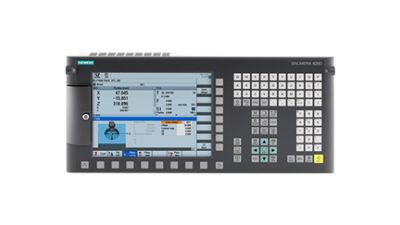
Optimizing milling operations requires a sophisticated yet user-friendly CNC solution, and the innovative design of the SINUMERIK 828D addresses this need effectively. This compact, panel-based CNC offers a seamless integration of CNC control, PLC capabilities, and operational management into a single unit. Designed for versatility, the SINUMERIK 828D can be accommodated in various operator panel setups, making it suitable for both horizontal and vertical applications. It is specifically tailored for typical job shop scenarios, where efficiency and precision are paramount.
The robust functionalities of the SINUMERIK 828D redefine standards within the compact CNC class. Equipped with an extensive programming package, it facilitates a wide array of milling, turning, and grinding operations. This comprehensive approach enables operators to handle complex tasks with ease while enhancing productivity across various sectors. By focusing on optimizing milling operations, the SINUMERIK 828D empowers users to adapt to diverse manufacturing requirements, ensuring they remain competitive in a constantly evolving marketplace.
FAQS
: The product aims to improve daily efficiency and convenience.
Follow the instructions provided to maximize its benefits. Simple adjustments can enhance performance.
Look for ease of use, durability, and practical functionality. These factors influence your experience significantly.
Always review the safety guidelines. Misuse may lead to unwanted situations. Reflect on operational protocols.
Yes, it’s versatile. However, extreme conditions can affect performance. Test it first in light scenarios.
Check the troubleshooting section for common problems. Sometimes, a simple reset can solve your issue.
Regular cleaning is essential. Build-up can impair functionality. Stay consistent with maintenance routines.
Many products offer a limited warranty. Always read the warranty terms before purchase.
Customization options may vary. Explore available features to tailor it to your preferences.
User manuals and online forums are great resources. Connect with others for shared experiences.
Conclusion
When selecting the best CNC controller for your CNC machine, it's crucial to first understand the definitions and functions of CNC controllers, as this foundation will guide your decision-making process. Key features such as processing speed, compatibility with various machine types, and user-friendly interfaces are essential for ensuring optimal performance.
Additionally, comparing popular types of CNC controllers available in the market can offer insight into common options and their respective advantages. Evaluating the balance between price and performance is vital for budgeting effectively, while reading reviews and analyzing industry trends can provide valuable user experiences. Ultimately, making an informed choice about a CNC controller will enhance the efficiency and productivity of your CNC operations.