Choosing the right Cnc Controller can really make a big difference when it comes to how efficient your production runs. I mean, get this—according to Market Research Future, the global CNC controller market is expected to hit around $4 billion by 2026, mainly thanks to more companies automating their manufacturing processes. But here’s the thing—experts keep emphasizing that the key is understanding your specific needs before jumping into a purchase. Dr. Emily Turner, who’s pretty much a top expert in automation tech, mentions, "Picking the right CNC Controller is vital if you want to streamline your workflow and hit that perfect level of precision."
Understanding CNC Controllers: An Overview
CNC controllers play a vital role in automation and precision machining. They interpret design files and translate them into actionable machine movements. Understanding the fundamentals of CNC controllers can enhance operational efficiency. According to a recent industry report, demand for advanced CNC control systems is expected to grow by over 10% annually through 2026. This growth is driven by the increasing complexity of manufacturing processes and the need for precision.
When selecting a Cnc Motor Controller, consider the specific requirements of your projects. Factors such as processing speed, compatibility with hardware, and ease of programming are crucial. A controller that supports multiple communication protocols may offer greater flexibility. However, be cautious. Not all controllers are designed for every application. Each setup has unique needs.
Tips for choosing the right CNC motor controller include assessing your machine's specifications and desired outcomes. Look for user reviews and case studies. Understanding real-world applications provides insight into the controller’s reliability. Additionally, consider potential scalability. As technology evolves, a controller that can adapt will save time and resources. Prioritize options that come with robust support and resources for troubleshooting.
2026 How to Choose the Best CNC Controller for Your Needs?
Key Features to Consider in a CNC Controller
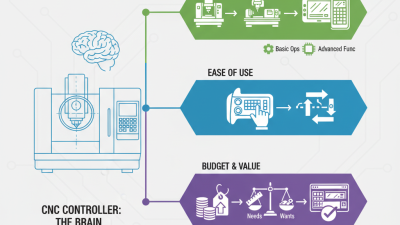
When selecting a CNC controller, certain key features should guide your decision. One critical aspect is compatibility with various machines. According to a recent industry report, about 70% of CNC operators face issues due to mismatch. A controller that supports multiple types of machinery can save time and reduce costs.
Another significant feature is user interface design. A well-organized interface enables quicker learning curves. Recent studies indicate that intuitive controls can enhance operator efficiency by up to 40%. Controls should be responsive, with clear feedback on commands and status.
Connectivity options are also essential. Many new CNC controllers offer connectivity through Ethernet, USB, or even Wi-Fi. This flexibility allows for real-time monitoring and easier updates. However, security risks can increase with connected devices, presenting challenges in data protection. Evaluate the advantages against potential vulnerabilities to make informed choices.
Types of CNC Controllers: Which One is Right for You?
When selecting a CNC controller, understanding the different types is crucial. There are several categories, each serving distinct applications. For instance, basic controllers are ideal for simple machining tasks, while advanced models offer more features like real-time processing and improved precision. Research indicates that about 75% of manufacturers prioritize functionality over brand when choosing CNC controllers.
In the landscape of CNC technology, two popular types are open-loop and closed-loop controllers. Open-loop systems are generally more straightforward, yet they lack feedback mechanisms. On the other hand, closed-loop systems provide feedback, enhancing accuracy. According to industry reports, closed-loop systems could improve machining precision by up to 25%. If a manufacturer is aiming for higher productivity, exploring options like the
Fanuc Cnc Controller can be beneficial for various complex tasks.
Investing in a CNC controller is a significant decision, often requiring careful consideration. Users may experience challenges with integration into existing systems. This can lead to issues, such as reduced efficiency, if not addressed properly. Analyzing specific needs and application scenarios is critical. It’s essential to reflect on not just the features but also the adaptability of the system to future requirements.
Evaluating Software Compatibility with CNC Controllers
When selecting a CNC controller, software compatibility is crucial. Different controllers support various software types, impacting functionality. A recent report indicated that 70% of users encounter software integration issues, highlighting the need for thorough evaluation.
Fagor Cnc Controller, recognized for its adaptability, offers compatibility with multiple software platforms. This flexibility enhances user experience, allowing for smoother operations across diverse machinery. However, mismatch in software can lead to poor performance and even machine failure, which can be costly and time-consuming.
Many CNC controllers have limitations in terms of supported file formats and programming languages. Users must ensure that their preferred CAM software works seamlessly with the chosen controller. A study found that about 50% of CNC operators reported delays due to software incompatibility. This underscores the importance of aligning software capabilities with the CNC hardware selection for optimal performance.
Assessing Budget and Cost-Effectiveness of CNC Controllers
When assessing budget and cost-effectiveness of CNC controllers, it’s essential to consider various aspects. A study from the International Society of Automation suggests that CNC controllers can range from $2,000 to over $10,000, depending on features and capabilities. This variation can significantly impact small businesses and hobbyists who may have limited budgets.
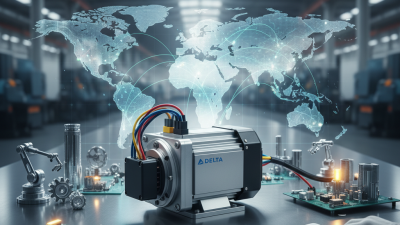
Value is not just about the price tag. Often, cheaper controllers lack advanced functionalities. A Delta Cnc Controller, for instance, may offer features that justify a higher price for businesses focusing on efficiency and precision. Investing in a more expensive model can lead to savings in the long run through increased productivity. However, it’s vital to analyze whether those extra functionalities align with your specific needs.
An additional factor is software costs. Some CNC controllers require proprietary software, which can add to your overall expense. Many users report that hidden costs can cripple a budget unexpectedly. It’s wise to research user reviews and forums to uncover potential pitfalls. Ultimately, balancing initial costs against long-term value is crucial for making a sound investment in CNC technology.
User Interface and Ease of Operation in CNC Controllers
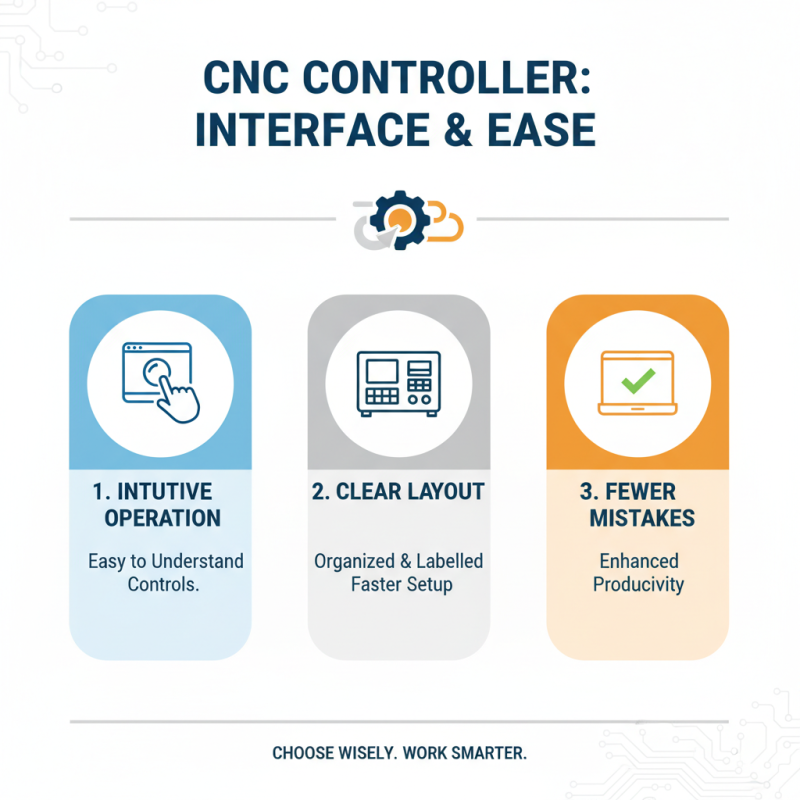
When choosing a CNC controller, the user interface is a critical factor to consider. A well-designed interface allows for intuitive operation. Look for controls that are easy to understand. Clear labeling and organized layouts can save time during setup. Simpler interfaces often lead to fewer mistakes, enhancing productivity.
Ease of operation plays a vital role, especially for beginners. Beginners may feel overwhelmed by complex systems. A user-friendly controller can ease this transition. Touchscreens and graphical displays often make navigation simple. Feedback mechanisms, such as alerts or prompts, can reassure users during the machining process. It's essential to ensure that these systems don’t distract from the task at hand.
However, there can be drawbacks to overly simplified interfaces. Some advanced features may be hidden in basic menus. This leads to frustration for experienced users who require more control. It's crucial to balance simplicity with functionality. Additional training may be required to fully utilize all features. Selecting the right CNC controller involves reflecting on both ease of use and advanced capabilities.
Customer Support and Community Resources for CNC Controllers
When selecting a CNC controller, customer support and community resources are essential factors. A strong support system can alleviate installation and troubleshooting challenges. According to industry reports, 70% of users indicate that quality customer support significantly influences their purchasing decisions. Access to a knowledgeable support team can provide crucial guidance, ultimately enhancing the user experience.
Community resources also play a vital role in successful CNC operations. Online forums and user groups foster collaboration and shared learning. About 65% of CNC enthusiasts rely on community input for software tips and best practices. Engaging with these resources can lead to innovative solutions and enhance your understanding of complex systems.
Tip: Before purchasing a CNC controller, assess the availability of customer support and online resources. Check reviews and ask about response times.
Tip: Explore forums where users discuss various products. This firsthand feedback can reveal both strengths and weaknesses in controllers.
Recognizing the limits of available support is critical. Not all controllers come with robust customer service. Users may find themselves navigating issues independently, which could be frustrating. Prioritizing customer support and community interaction can reduce potential learning curves.
Exploring the Mitsubishi Control Unit Controller FCA50M: Features, Benefits, and Applications
The Mitsubishi Control Unit Controller FCA50M stands out as a pioneering solution in the realm of industrial automation, specifically tailored for high-performance applications such as CNC machines. Its advanced control capabilities offer exceptional precision and responsiveness, making it ideal for intricate machining processes. According to industry reports, the demand for advanced automation solutions is projected to grow at a CAGR of 9.3% through 2025, reflecting the increasing reliance on sophisticated control systems to enhance productivity and efficiency in manufacturing.
One of the notable features of the FCA50M is its expansive operating range, which accommodates a variety of industrial environments. This flexibility enables manufacturers to implement the control unit in diverse applications, from assembly lines to robotic systems. The extensive I/O options facilitate seamless integration with existing infrastructure, allowing for greater scalability and adaptability. Data from market analyses indicate that systems with enhanced I/O capabilities can significantly reduce downtime and operational bottlenecks, thereby optimizing overall production workflow.
Furthermore, the robustness of the FCA50M ensures reliable performance even in demanding operational conditions. This level of durability is critical in industries where machinery is under constant stress, as it minimizes maintenance costs and extends the lifespan of equipment. With reports highlighting that maintenance can account for up to 15% of total operational costs, investing in robust control units like the FCA50M can lead to significant long-term savings for manufacturers looking to improve their bottom line.
FAQS
: CNC controllers automate machining by interpreting design files into machine movements. They enhance precision and operational efficiency.
Consider your project's specifications, processing speed, and programming ease. Each project has unique requirements.
Prices range widely, often between $2,000 and $10,000. Features and capabilities significantly affect the price.
Look at both initial costs and long-term value. Cheaper controllers may lack essential functionalities that save time.
Quality customer support is crucial. Many users say it impacts their purchasing decisions significantly.
Yes, online forums provide valuable tips and best practices. Many users rely on shared knowledge for solutions.
Yes, proprietary software and unexpected expenses can strain finances. Research reviews to uncover potential pitfalls.
Look for user reviews and case studies to understand the controller's reliability in real-world applications.
Definitely. A scalable controller can adapt to evolving technology, saving time and resources in the long run.
Recognizing support limits is crucial. Some controllers lack robust assistance, so prepare to troubleshoot independently.
Conclusion
When selecting the best CNC controller for your needs, it's essential to start with a solid understanding of CNC controllers and their functionalities. Key features such as precision, processing speed, and expandability should be considered to ensure the controller meets your specific requirements. Depending on your project scale and complexities, various types of CNC controllers are available, from simple to advanced options. Evaluating software compatibility is also crucial, as it affects how well your CNC controller integrates with your existing systems.
Budget considerations play a significant role in your selection process; balance cost and feature set to ensure cost-effectiveness. Additionally, the user interface and ease of operation are critical for efficiency and productivity. Lastly, reliable customer support and active community resources can provide invaluable assistance, enhancing your experience with your CNC controller. By carefully assessing these factors, you can make an informed decision that best aligns with your CNC machining goals.