Picking the right CNC machine for your project is a pretty big deal — trust me, it can make or break your workflow. I remember John Smith from TechMachinery Inc. once saying, 'The right CNC machine can totally change how you work.' And honestly, it’s so true. With so many options out there, it's easy to feel a bit overwhelmed. Every job has its own quirks and needs, so choosing the right machine is super important.
Different materials and designs mean different capabilities. Not every CNC machine is built to handle everything. Some are killer for working with wood, while others are better suited for metal. Getting to know what each one can do helps you pick the best fit without too much hassle. Because at the end of the day, the success of your project really depends on making the right choice.
Don’t forget to think about your budget and what you actually need day-to-day. It’s tempting to get dazzled by shiny, high-end models, but bigger price tags don’t always mean better for your specific job. Taking these things into account helps you avoid falling for a machine that’s overkill or, worse, underpowered. Choosing a CNC tool isn’t just about the bells and whistles — it’s about finding the right match for what you’re trying to achieve.
Really, making the right call comes down to understanding your goals and what the machine can do for you. When you align these, everything just falls into place a lot easier.
Understanding the Types of CNC Machine Tools Available
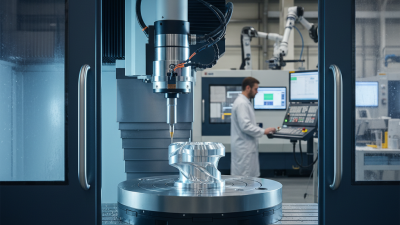
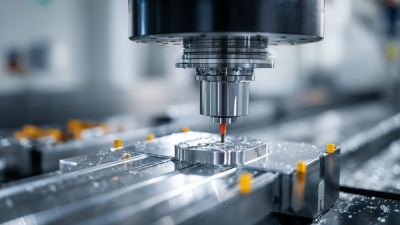
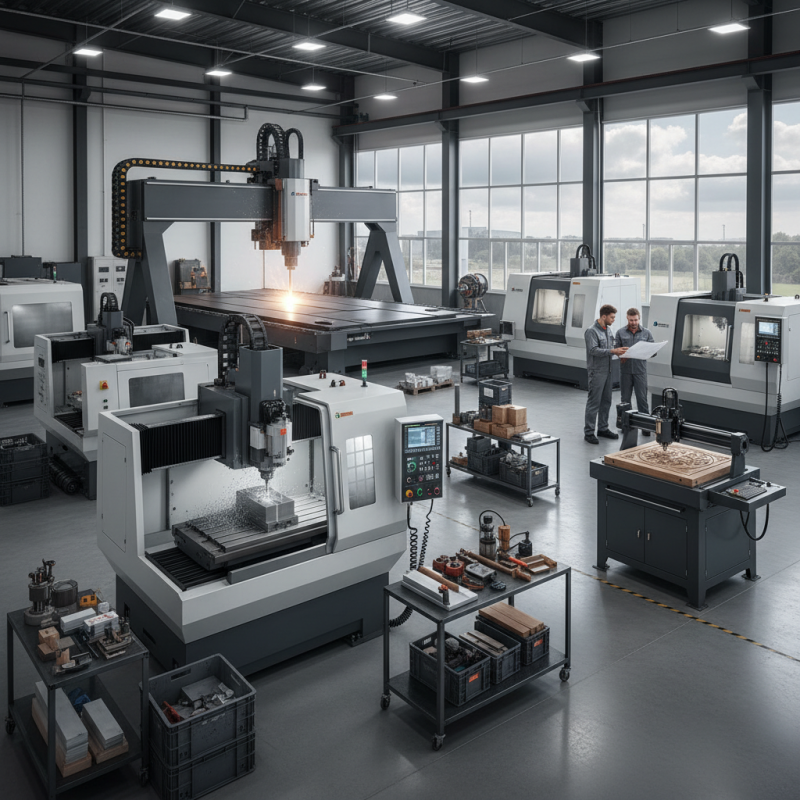
Choosing the right CNC machine tool is crucial for project success. Understanding the various types available can simplify this decision. CNC (Computer Numerical Control) machines come in several forms, including milling machines, lathes, and plasma cutters. Each type serves different purposes and materials. For instance, milling machines are great for precision work on metals. They can produce intricate designs and are widely used in manufacturing.
Tips: Consider the material you will work with. If it's softer like plastics or wood, a router might suffice. For harder materials, look at lathes or mills.
A report by the Industry Research Institute states that CNC machine tool sales are projected to reach $100 billion by 2025. This shows the growing reliance on automation. However, the market also faces challenges, such as the skill gap in operation. Investing in training is essential. In addition, consider energy consumption. Some machines are more efficient than others. Assessing the long-term costs must be part of your evaluation.
With a clearer understanding of CNC types, making an informed choice becomes easier. Align your options with project requirements to enhance efficiency.
Evaluating Your Project Requirements and Specifications
When it comes to selecting a CNC machine tool, evaluating your project requirements is crucial. Start by defining your project's goals and specifications. Consider the materials you will use, such as metal, wood, or plastic. Each material requires different CNC machining capabilities.
Think about the complexity of your designs. Are they simple cuts, or do they involve intricate details?
Next, assess the size of your workpieces. Larger projects may need a machine with a bigger capacity. However, larger machines can be a significant investment. You must balance your project’s needs with your budget. Also, think about the volume of production. Will you be making one piece, or do you expect high-volume production? Higher production rates might necessitate a more robust CNC machine.
Lastly, reflect on your skills and maintenance capacity. Some CNC models are user-friendly, while others require technical knowledge. If you're new to CNC machining, a simpler machine may be wise. Do not overlook maintenance costs. Regular upkeep is essential but can vary greatly between models. Take time to weigh all these factors before making your choice. A hasty decision could lead to complications down the line.
Assessing the Material Compatibility for CNC Machining
When choosing a CNC machine tool, assessing material compatibility is essential. Not all materials respond the same way to machining processes. For instance, soft metals like aluminum are easier to work with than harder materials such as titanium. Different materials demand different tools and settings. This can lead to mistakes if not carefully considered.
Consider the specifics of your project. High-density plastics can become problematic when using incorrect tooling. The overheating might cause melting, ruining your part. On the other hand, some woods may require specific feed rates to avoid chipping. Evaluating the physical properties of each material is crucial. A good understanding of hardness, brittleness, and elasticity will guide your decision-making.
You might find that your machine can handle various materials, but that doesn't always guarantee optimal results. Sometimes, the settings you choose might need adjustment. It's important to experiment and refine your approach. This could mean testing different speeds and feeds or even changing the cutting tools. Pay attention to how the material interacts with the machine. Reflections on these factors can significantly improve your outcomes.
Determining the Size and Scale of Your CNC Project
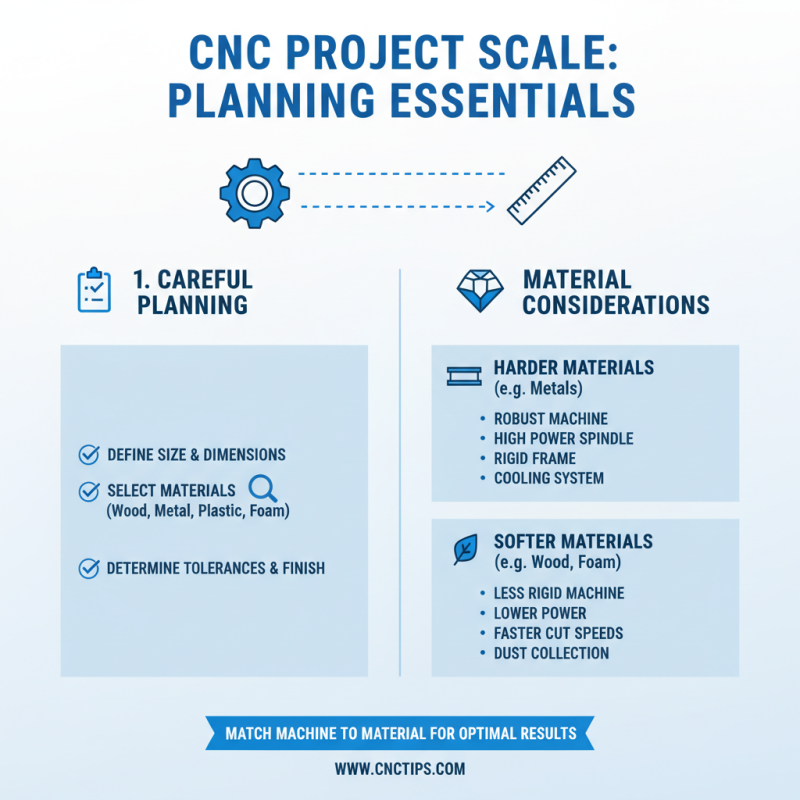
When determining the size and scale of your CNC project, start with careful planning. Identify the materials you will use. Different materials demand different machine capabilities. For example, metals often require robust machines, while softer materials are more forgiving.
Consider the dimensions of your project. How large do you want the final product to be? Ensure your CNC machine can accommodate these dimensions. This choice affects the machine's frame size, spindle power, and cutting area. Not every machine will meet your specific needs. After all, you don’t want to invest in a machine that limits your creativity.
Think about your project's complexity. Is it a simple design or intricate? Complex designs may benefit from advanced CNC machines, which have better precision and control. However, these machines can be expensive. Balancing your budget with your project needs is crucial. Sometimes, a simpler machine might suffice, especially for beginners. Reflecting on these factors can save time and resources.
Considering Budget Constraints for CNC Machine Acquisition
When considering the acquisition of a CNC machine, budget constraints are often a primary concern. It's vital to assess the total cost of ownership. This includes not just the purchase price, but also maintenance, tooling, and operation expenses. If the project has tight financial limits, selecting entry-level models may seem attractive. However, cheaper options could compromise quality and lead to higher costs down the line.
Think about your specific needs. A high-speed machine may not be necessary for simple tasks. Conversely, opting for a basic model could slow production and affect deadlines. Researching market prices can give insights into what you can expect within your budget range. Don't forget about after-sales support; sometimes, investing a bit more can save future headaches.
Make a list of essential features. Prioritize what matters most to your projects. If your chosen machine lacks capabilities, it could hurt overall productivity. Be wary of hidden costs, such as software licenses and training sessions. These can add up quickly. Ensuring a balance between features and budget is crucial for long-term success.
How to Choose the Right CNC Machine Tool for Your Project? - Considering Budget Constraints for CNC Machine Acquisition
| Machine Type |
Price Range (USD) |
Material Compatibility |
Max Working Area (mm) |
Precision (mm) |
| CNC Mill |
$5,000 - $50,000 |
Metal, Wood, Plastic |
1500 x 800 |
0.01 |
| CNC Router |
$2,000 - $20,000 |
Wood, Plastic, Composites |
2400 x 1200 |
0.1 |
| CNC Laser Cutter |
$3,000 - $30,000 |
Metal, Wood, Acrylic |
1200 x 800 |
0.05 |
| CNC Plasma Cutter |
$5,000 - $25,000 |
Metal |
2400 x 1200 |
0.5 |
| CNC Lathe |
$10,000 - $70,000 |
Metal |
1000 (length) |
0.01 |
Exploring Brand Reputation and Technical Support Options
When selecting a CNC machine tool, brand reputation plays a crucial role. A well-known brand often signifies reliability and quality. However, don't get swayed by popularity alone. Many lesser-known brands can provide excellent functionality at a lower price. Research user reviews and case studies. Look for insights on performance and durability. It's essential to balance reputation with your specific project needs.
Technical support can make or break your CNC experience. Even the best machines need repairs or adjustments. A company with strong technical support provides peace of mind. Ensure they offer accessible resources like manuals, tutorials, and customer service. It’s also important to assess the speed of their response. A brand that takes too long to help may not be worth the investment. Sometimes, the support you expected is not as strong as it appears. Utilize online forums for additional advice and insights on troubleshooting. This can guide you in making a well-informed choice.
Investigating After-Sales Services and Maintenance Considerations
When selecting a CNC machine tool, after-sales services and maintenance are crucial factors. Many users overlook these aspects. You may find a machine with excellent performance, but poor support can lead to frustration. This can be detrimental, especially during critical project phases.
Consider the availability of spare parts and technical support. Quick response times are essential during equipment failures. You don't want to face extended downtime due to waiting for parts. Also, evaluate the maintenance services offered. Regular maintenance can prolong the life of the machine. A lack of clear guidelines can result in costly repairs down the line.
Budget constraints often lead to compromises. While some may prioritize initial costs, neglecting after-sales service can be short-sighted. A cheaper machine without reliable support might become more expensive overall. Reflect on your project needs before making a choice, focusing on both performance and ongoing support.
FAQS
: The product aims to solve specific everyday challenges for users. It enhances convenience and efficiency in daily tasks.
Familiarize yourself with the user manual. Follow the steps carefully for optimal results. Adjust settings based on your needs.
Users may experience minor performance issues. If any problems arise, troubleshooting is necessary. Sometimes, reflection on usage patterns helps.
Try resetting the device. If the issue persists, consult customer support for guidance. Documentation can also provide useful tips.
It is designed for a broad audience. However, some users may find it challenging. Consider your comfort level with technology before purchasing.
Regular cleaning is essential for preservation. Keep it in a dry environment. Inspect parts occasionally for wear and tear.
Conclusion
Choosing the right CNC machine tool for your project involves a systematic approach that considers various critical factors. Firstly, it’s essential to understand the types of CNC machine tools available, as each type offers specific functionalities that cater to different project needs. Evaluating your project requirements, including specifications and material compatibility, is crucial in determining the most suitable CNC machine tool for effective machining.
Additionally, determining the size and scale of your project will impact the type of machine you select. Budget constraints play a vital role as well, influencing which CNC machine tools are feasible within your financial limits. Lastly, consider the brand's reputation, availability of technical support, and after-sales services to ensure long-term satisfaction and performance of your CNC machine tool. Careful attention to these factors will help you make a well-informed decision tailored to your machining needs.