Picking the right Fanuc Encoder can really make a difference in how well your machinery works. There are tons of options out there, so it's super important to think about what your specific needs are. Getting the right one can actually boost your system’s accuracy and efficiency — no joke!
Also, don’t forget to consider where the encoder is actually going to be used. Things like temperature, humidity, and whether it might get dirty or exposed to dust really matter. It’s easy to overlook these details, but matching the encoder’s specs to your environment can save you a lot of trouble down the line — like avoiding early failures or performance issues.
And, of course, think about the signal type you'll need. Different tasks call for different output signals, and making sure they match your system will save you some headaches later on. Honestly, choosing the right Fanuc Encoder isn’t something to rush — taking a bit of time here can really pay off with smoother operation and less downtime. All in all, putting some thought into your pick is definitely worth it.
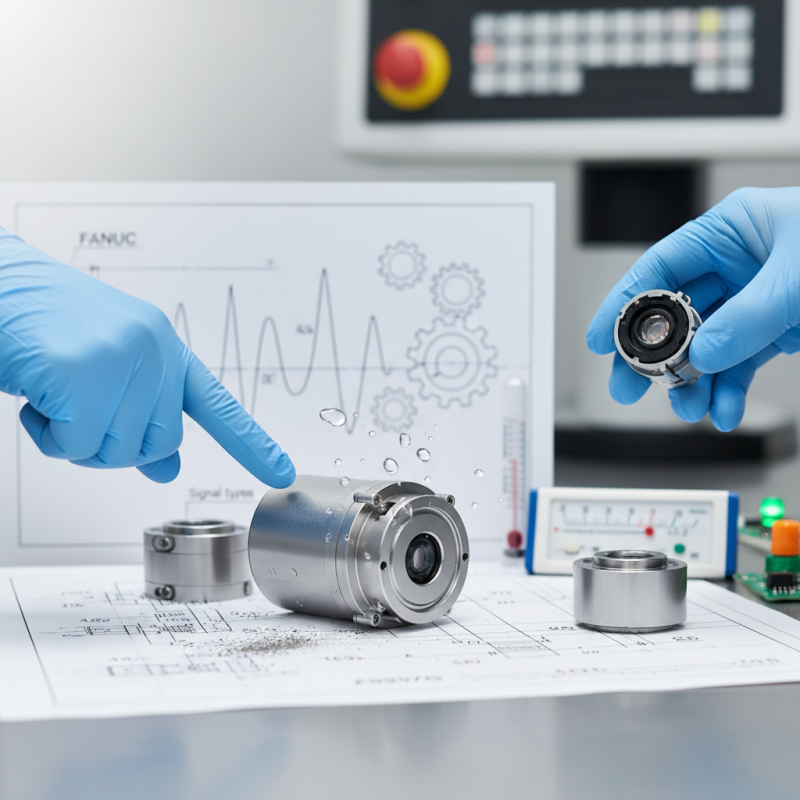
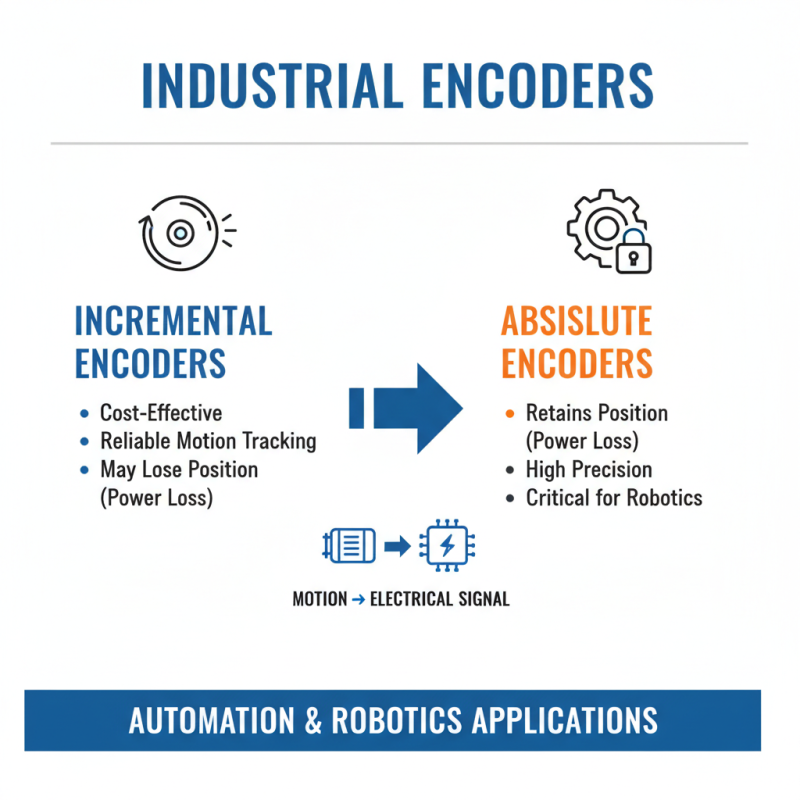
When considering encoders for your projects, it's crucial to understand the different types and their applications. Encoders transform motion into electrical signals. This signals are used in automation and robotics. There are incremental and absolute encoders, each with unique benefits. Incremental encoders are cost-effective and provide reliable performance in many applications. However, they may lose position if the power goes out. On the other hand, absolute encoders maintain their position even during power loss. This makes them essential for applications needing high precision.
Determining the suitable encoder involves understanding specific project requirements. Consider factors like the environment, speed, and accuracy needed. Some projects may require an Encoder Fanuc due to its precision. Others may not need such strict standards. Environmental factors play a big role too. For example, dusty or wet conditions can affect performance. Sensors need adequate protection in such cases. Always weigh the pros and cons of each type. Adjusting your choice based on real-world conditions can be a constant challenge. Be open to feedback and adapt to the needs of your application.
When choosing a fan encoder, resolution is crucial. It defines how precisely the device measures movements. High-resolution encoders offer better accuracy. However, they require more processing power. This can complicate system integration. So, it’s essential to balance performance and complexity.
Speed also plays a key role. Different applications demand different speeds. Some tasks need rapid responses while others prioritize stability. Selecting the right speed ensures that operations run smoothly. Not every encoder can handle high speeds effectively. Testing performance in real-world scenarios is vital.
The accuracy of an encoder cannot be overlooked. It determines the reliability of your system. Inaccurate readings can lead to costly errors. Always check specifications closely. Sometimes, advertised accuracy may not reflect actual performance. It’s wise to consider the environment as well. Environmental factors can impact how well an encoder performs. This aspect often gets neglected in the selection process.
| Encoder Type | Resolution (Pulses/Rev) | Max Speed (RPM) | Accuracy (% of Full Scale) |
|---|---|---|---|
| Incremental Encoder | 1000 | 3000 | 0.02 |
| Absolute Encoder | 4096 | 5000 | 0.01 |
| Shaft Encoder | 2000 | 6000 | 0.03 |
| Linear Encoder | 2500 | 4000 | 0.02 |
When selecting a Fanuc encoder, several factors are paramount. Precision is crucial. For applications requiring high accuracy, encoders with a resolution of 1000 PPR or higher are preferable. Studies show that even a 0.1% increase in accuracy can enhance overall system efficiency by up to 15%. Therefore, it’s essential to choose the right resolution to avoid performance issues.
The environment also plays a vital role in the selection process. Many encoders are sensitive to temperature fluctuations and humidity. Knowing your operational conditions can prevent issues like drift or failure. Reports indicate that about 25% of encoder failures relate to unsuitable installation environments. Regular maintenance is needed, but proper initial selection can greatly reduce these risks.
Interface compatibility cannot be overlooked. Encoders come with various communication protocols. Ensure the chosen encoder integrates seamlessly with your existing systems. Mismatches can lead to data loss or poor performance. Failing to account for this aspect may result in costly downtimes or required modifications. Always consider these factors to align your encoder choice with specific operational tasks.
When selecting an encoder, compatibility is crucial. It ensures seamless integration with your existing systems. If an encoder does not match well, issues may arise. Performance could decline, leading to operational disruptions. A well-matched encoder will enhance efficiency and reliability, providing better data for motion control.
Consider the specifications of your system. Look into resolution, size, and connectivity options. Choose an encoder like the Renishaw Encoder for precise feedback. This can improve performance significantly. However, don't overlook minor details. Sometimes, the wrong connector can cause failures. Double-check everything.
Tips for choosing an encoder: always consult your system’s documentation. It will provide key compatibility information. Don’t hesitate to seek expert advice if needed. Testing different encoders might reveal unexpected results. Be open to learning from any missteps along the way. The right choice can make all the difference in ensuring a smooth operation.
When evaluating different encoder options, a cost-benefit analysis can reveal much. Consider how each choice impacts your budget. Some encoders may appear affordable but could incur higher maintenance costs over time. Analyze the lifespan of each model and its warranty. A slightly pricier option might save money in the long run.
Additionally, think about performance features. Higher precision often comes with a higher price tag. Determine what level of accuracy your operations truly need. Over-specifying can lead to unnecessary expenditures. Are the additional features worth the cost? Sometimes, simpler models meet requirements just as well.
Don't overlook user feedback and case studies. Real-world experiences provide insights that spec sheets cannot. Investigate how these encoders perform under duty cycles similar to yours. If possible, request demos. Finally, weigh all these aspects carefully to find an encoder that aligns with your needs and budget constraints. Balancing cost and usability is key for a satisfactory choice.
Regular maintenance is crucial for extending the lifespan of industrial encoders. High-quality encoders, like the Mitsubishi Encoder, require periodic checks to ensure they operate smoothly. According to industry reports, improper maintenance can reduce an encoder's lifespan by up to 40%. Implementing a regular inspection schedule can catch potential issues early.
Vibration and temperature fluctuations significantly affect encoder performance. Keeping encoders in stable environments reduces wear and tear. Maintenance practices like cleaning, recalibrating, and replacing integrative seals can enhance reliability. Data shows that routine maintenance increases operational efficiency by approximately 25%. However, many facilities overlook these details, risking costly downtimes.
Over time, wear and ambient conditions can degrade encoder precision. Ignoring these factors may lead to inaccurate readings and operational failures. Real-time monitoring systems can mitigate these risks, yet they are often underutilized. Ensuring optimal encoder performance relies on proactive strategies and consistent upkeep. Not addressing these areas invites a need for reflection in equipment management practices.
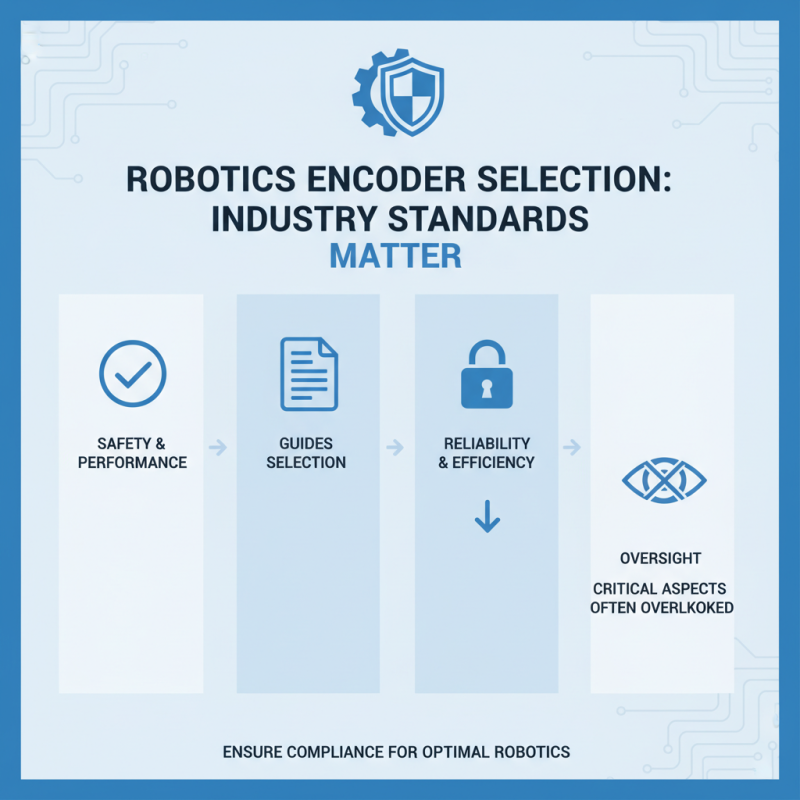
When selecting an encoder for robotics, industry standards matter. These regulations ensure the device meets safety and performance requirements. They guide the selection process, simplifying choices. Compliance with these standards is essential. It guarantees system reliability and efficiency. However, many overlook these critical aspects.
Different environments require specific encoder features. For example, a Heidenhain Encoder may be ideal for precision tasks. These tasks often occur in controlled settings. Conversely, harsher environments need durable options. Environmental resistance is crucial. It affects the longevity and performance of the encoder.
Choosing the right encoder can be challenging. Misunderstanding standards can lead to mistakes. For instance, selecting an encoder without considering temperature ratings may result in failure. This oversight can be costly. Always consult relevant guidelines before making a decision. This approach fosters better outcomes in robotic applications. Each choice must be deliberate and informed.
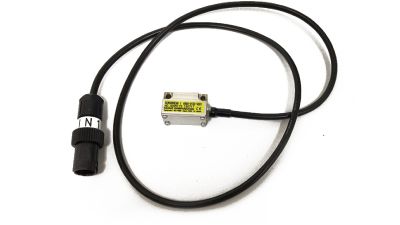
In the realm of industrial automation, the efficiency of processes hinges largely on the accuracy of feedback systems. One key component enhancing this accuracy is the sensor head encoder, designed to provide precise information about motor positions and speeds. Among the advancements in this field, the servo or spindle encoder sensor plays a pivotal role in optimizing machine performance. This technology not only boosts productivity but also significantly reduces error rates, ensuring smoother operational flows.
The recent industry report sheds light on the applications of advanced sensor head encoders within various automation platforms. By integrating these types of sensors, facilities can achieve remarkable enhancements in their automation efficiency. The feedback generated allows for real-time adjustments in motor functions, which is crucial for maintaining high levels of operational consistency. As industries seek to reduce downtime and improve their overall efficiency, adopting cutting-edge encoder technologies becomes imperative. The insights provided in the report further underscore the importance of such sensor systems in driving forward the future of automated solutions.
: The product offers convenience and efficiency. It can save time in daily tasks.
Follow the instructions carefully. Proper usage enhances effectiveness and longevity.
Some users might experience mild discomfort. It's essential to monitor your body's response.
Regular cleaning is recommended. Keep it in a dry place to prolong its life.
Generally, it’s suitable for most. However, consult a professional if unsure about usage.
Reach out for support. Document the problem to help troubleshoot effectively.
When selecting the right Fanuc Encoder for specific applications, it is essential to understand the various types of encoders available and their respective application areas. Key specifications such as resolution, speed, and accuracy play a significant role in determining the encoder's suitability for tasks ranging from simple automation to complex robotic movements. Compatibility with existing Fanuc systems is crucial, ensuring seamless integration and optimal performance.
Furthermore, conducting a cost-benefit analysis of different Fanuc Encoder options can help in identifying the most economical solution without compromising quality. Regular maintenance practices are vital for the longevity and efficiency of the encoders. Lastly, awareness of industry standards and regulations is necessary to ensure that the chosen encoder meets the operational requirements in the robotics sector. Through careful consideration of these factors, users can make informed decisions that enhance performance and reliability in their systems.