Lately, Delta Motor has really start to make waves in the automotive world. They've been pushing the envelope with innovative electric vehicle tech and really focusing on sustainability. As the industry shifts toward greener options, it's pretty clear that companies like Delta Motor are leading the way—showing a big change in how cars are built and what consumers are looking for. I remember reading what Dr. Alice Chen, who's an expert in automotive tech, said — she mentioned that Delta Motor is setting new standards when it comes to efficiency and caring for the environment, which is honestly reshaping how we think about modern transportation.
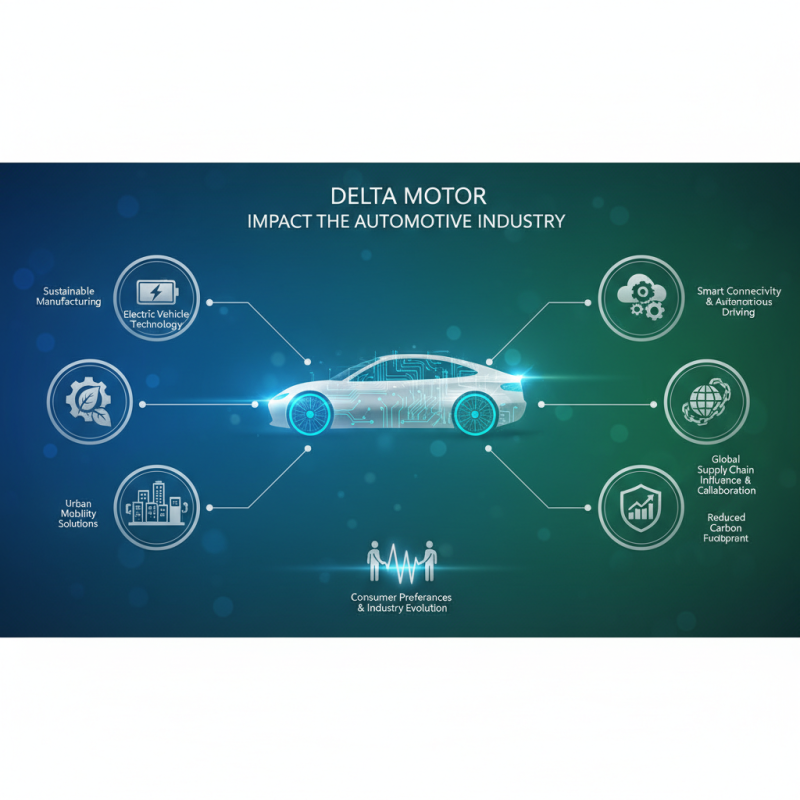
With more pressure on car makers to cut down their carbon footprints and tackle climate change, Delta Motor’s efforts are pretty much at the forefront of this movement. They're not just making excellent electric cars; they’re also diving into cool stuff like smart connectivity and autonomous driving. This trend towards electrification and tech innovation isn’t just good for manufacturers—they’re the ones pushing the whole industry forward, and consumers will definitely feel the impact.
But it doesn’t stop with their vehicles. Delta Motor’s influence trickles down through the entire supply chain, encouraging everyone to work together on more sustainable practices. Leaders in the industry emphasize how crucial it is to keep adapting and innovating so that the automotive world continues to grow in step with tech advances and environmental goals. It’s an exciting time to watch this space evolve!
What is Delta Motor?
Delta Motor, often recognized in discussions surrounding electric vehicles and the evolution of automotive technology, represents a paradigm shift in how vehicles are powered and operated. This transformative platform focuses on integrating advanced propulsion systems that are designed to be more efficient and environmentally friendly. Currently, the automotive industry is under significant pressure to reduce emissions and enhance fuel efficiency; Delta Motor addresses these challenges by developing electric powertrains that offer higher performance with lower environmental impact.
Industry reports indicate that the global electric vehicle market is projected to reach approximately $802.81 billion by 2027, with a compound annual growth rate (CAGR) of 22.6% over the forthcoming years. Delta Motor plays a vital role in this growth through its innovative approach to integrating renewable energy sources and smart technology into vehicle systems. By focusing on light-weight materials and optimized battery technology, Delta Motor not only enhances vehicle performance but also extends the range of electric vehicles, making them more appealing to consumers.
Moreover, Delta Motor seeks to redefine sustainability in transportation, which is increasingly becoming a focal point in automotive manufacturing. According to a recent report by the International Energy Agency, the adoption of electric vehicles could reduce global carbon dioxide emissions by up to 1.5 gigatons annually by 2030 if widespread adoption occurs. This emphasis on environmental responsibility underscores the significant impact that Delta Motor can have within the automotive industry, paving the way for a cleaner and more sustainable future in personal and commercial transportation.
What is Delta Motor and How Does It Impact the Automotive Industry
| Attribute |
Details |
| Type of Motor |
Electric Motor |
| Power Output |
150 kW |
| Efficiency |
95% |
| Applications |
Electric Vehicles, Hybrid Systems |
| Torque |
300 Nm |
| Cooling Method |
Liquid Cooling |
| Weight |
90 kg |
| Longevity |
100,000 miles |
| Market Impact |
Increased Electric Vehicle Adoption |
History and Background of Delta Motor
Delta Motor has emerged as a noteworthy player in the automotive industry, driven by its innovative approach to vehicle design and production. Founded in the late 20th century, Delta Motor began with a vision to revolutionize personal transportation. The company focused on engineering vehicles that prioritize efficiency and sustainability while delivering cutting-edge technology to consumers. Over the years, Delta Motor has expanded its product offerings and global footprint, securing a reputation for quality and reliability.
As Delta Motor evolved, it integrated advanced manufacturing techniques and embraced automation to enhance productivity. The adoption of electric and hybrid vehicle technology positioned the company strategically within the market, catering to the growing demand for sustainable transportation solutions. Delta Motor's commitment to research and development has facilitated its ability to stay at the forefront of automotive innovation, inspiring the industry to rethink traditional vehicle design and functionality.
Tips: When exploring the evolution of automotive companies, pay attention to industry trends such as electric mobility and sustainability. These factors often influence a company's direction and can be pivotal in shaping the future of transportation.
Furthermore, consider how consumer preferences drive change within the industry. Organizations that adapt to the shifting demands of their customer base are often more successful in maintaining their market relevance and competitive edge.
Technological Innovations Introduced by Delta Motor
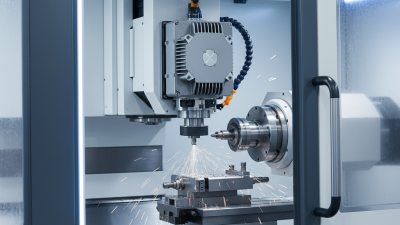
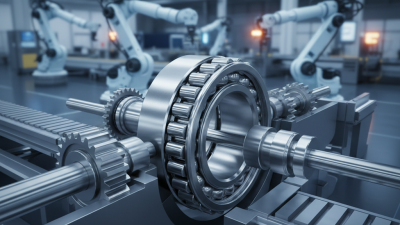
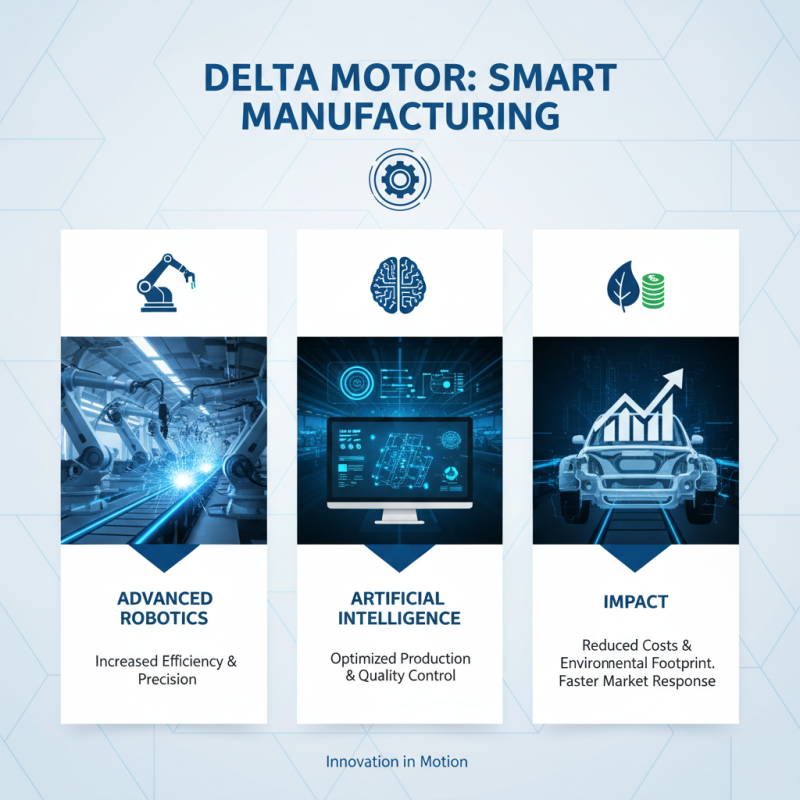
Delta Motor has been making significant strides in the automotive industry, primarily through its focus on technological innovations. One of the most impactful areas has been the development of smart manufacturing processes. By implementing advanced robotics and artificial intelligence in their production lines, Delta Motor is enhancing efficiency and reducing waste, which ultimately lowers production costs and environmental impact. This shift towards automation allows for faster response times to market demands while maintaining high-quality standards in vehicle production.
In addition to smart manufacturing, Delta Motor is also at the forefront of integrating electric vehicle (EV) technology into mainstream automotive design. Their commitment to sustainability is reflected in the advancements made in battery technology, improving range and reducing charging times for EVs. These innovations not only cater to the growing demand for eco-friendly vehicles but also encourage other manufacturers to adopt similar technologies, thereby accelerating the transition to greener alternatives in the automotive market.
**Tips:** When considering investments in new automotive technologies, look for companies that prioritize sustainability and innovation. Understanding how these technologies can enhance efficiency will help you make informed decisions about future vehicle purchases. Additionally, keep an eye on the latest trends in electric and hybrid vehicles, as they are increasingly becoming standard in the industry.
Delta Motor's Role in Electric Vehicle Development
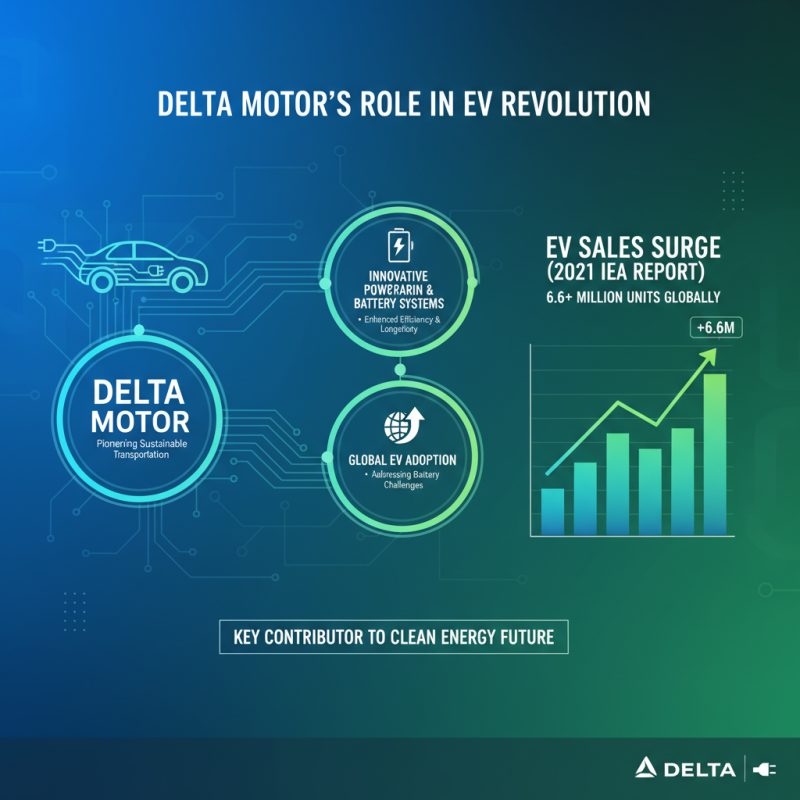
Delta Motor has emerged as a pivotal player in the electric vehicle (EV) sector, contributing significantly to the industry's rapid transformation. With the global push towards sustainable transportation, Delta Motor focuses on integrating advanced technologies that enhance the efficiency and performance of electric vehicles. According to a report by the International Energy Agency (IEA), electric vehicle sales surged to over 6.6 million units globally in 2021, indicating a growing demand for EVs. Delta Motor, with its innovative powertrain technology and battery management systems, is providing solutions that address critical challenges related to battery efficiency and longevity, which are vital for the widespread adoption of electric vehicles.
In addition to enhancing vehicle performance, Delta Motor plays a crucial role in the development of green manufacturing processes. By implementing smart manufacturing techniques and utilizing renewable energy sources in their production lines, Delta Motor aligns with the industry's shift towards sustainability. A study from the McKinsey Global Institute highlights that the automotive sector could reduce its carbon footprint by up to 90% by 2040 through such innovations. By prioritizing eco-friendly practices and advancing electric vehicle technology, Delta Motor not only impacts the automotive supply chain but also drives the entire industry towards a more sustainable future.
Impact of Delta Motor on Automotive Manufacturing Processes
Delta Motor has introduced significant advancements in automotive manufacturing processes that are shaping the future of the industry. By integrating innovative technologies and automated systems, Delta Motor enhances productivity while ensuring quality control at every stage of production. This approach reduces operational costs and minimizes waste, allowing manufacturers to respond swiftly to market demands.
Tips for manufacturers looking to implement similar practices include investing in training for staff to adapt to new technologies and establishing a robust feedback loop to analyze production efficiency. Additionally, leveraging data analytics can provide insights into potential bottlenecks in the manufacturing process, leading to more informed decision-making.
By adopting these strategies, automotive manufacturers can not only improve their processes but also create more sustainable and efficient operations. The embrace of automation and smart technology will pave the way for continuous improvement and innovation in the automotive sector, ensuring that companies remain competitive in a rapidly evolving marketplace.
Impact of Delta Motor on Automotive Manufacturing Processes
Market Position and Competition of Delta Motor
Delta Motor has carved out a notable position in the competitive automotive landscape. By focusing on innovation and sustainable practices, it has managed to attract a diverse customer base while establishing itself as a formidable player among both traditional and new automotive manufacturers. The company’s investment in advanced technologies, such as electric and autonomous vehicles, positions it well to respond to shifting consumer demands and regulatory pressures.
Tips: When considering a car purchase, it's essential to review how a company's market strategy aligns with your values. Look for brands that prioritize sustainability or are investing in innovative technologies, as these factors may indicate longevity and commitment to future mobility solutions.
In terms of competition, Delta Motor differentiates itself through a unique approach to design and functionality, appealing to a variety of demographics. This focus on user experience has propelled Delta ahead of competitors that may rely heavily on legacy systems and outdated technology. By understanding market trends and consumer preferences, Delta ensures it remains relevant and competitive in a rapidly evolving industry.
Tips: Always consider the long-term value of a vehicle, as well as the manufacturer's ability to adapt to future market needs. A forward-thinking company is likely to provide better support and innovation over the lifespan of a vehicle.
Future Trends and Predictions for Delta Motor in the Industry
In the rapidly evolving automotive industry, Delta Motor is poised to play a significant role in shaping future trends. As electric and autonomous vehicles continue to gain traction, Delta Motor's innovations in energy efficiency and smart technologies will likely redefine consumer expectations. The integration of AI-driven systems into vehicle design is anticipated to enhance user experience while also streamlining manufacturing processes. This shift not only improves vehicle performance but also aligns with sustainability goals, setting new industry benchmarks.
Looking ahead, Delta Motor is expected to leverage advancements in battery technology, making electric vehicles more accessible and appealing to a broader audience. Collaborative efforts with tech companies may accelerate the development of next-gen vehicles equipped with advanced connectivity features.
Furthermore, as the demand for greener alternatives intensifies, Delta Motor's commitment to eco-friendly production methods will position it as a leader in responsible manufacturing. The company's ability to adapt to regulatory changes and consumer preferences will be crucial in navigating the competitive landscape of the automotive market.
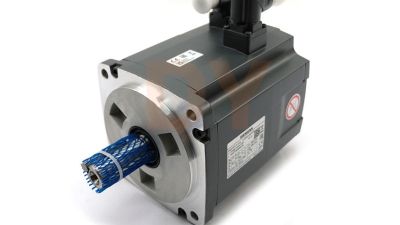
Unlocking Precision and Performance: The Siemens AC Servo Motor 1FL6062-1AC61-2AA1 for Enhanced Automation Solutions
In the age of rapid industrial automation, precision and performance are paramount. The importance of high-quality servomotors cannot be overstated, particularly within applications that demand exceptional motion control. For instance, servomotors from advanced series like the SIMOTICS S-1FK6 leverage cutting-edge technology to deliver superior dynamic performance. The integration of permanent-magnet synchronous technology in these motors minimizes energy loss and efficiently translates electrical energy into motion, making them a go-to solution for CNC machines and other automation tasks.
Data from recent industry reports emphasizes that high-dynamic motors can substantially improve operational efficiency. A survey indicated that factories utilizing advanced motion control systems have seen a productivity increase of up to 30%. Furthermore, these systems are essential in meeting the rigorous demands of modern manufacturing, where minimal downtime and increased speed are crucial. Machines equipped with state-of-the-art servomotors typically respond faster to commands, enabling intricate operations to be executed with flawless precision.
As industries continue to evolve, investing in advanced automation solutions equipped with precise and high-performing servomotors will be pivotal. With a significant trend towards intelligent manufacturing facilitated by such technologies, organizations that prioritize these enhancements will likely gain a competitive edge in the automation landscape. The push for increased precision and performance is not just an industry demand; it’s becoming the standard in successful operational strategies.
FAQS
: Delta Motor is recognized for its focus on electric vehicles and the integration of advanced propulsion systems that enhance efficiency and environmental sustainability.
The global electric vehicle market is expected to reach approximately $802.81 billion by 2027, with a compound annual growth rate (CAGR) of 22.6%.
Delta Motor develops electric powertrains that deliver higher performance with lower environmental impact, addressing the industry's challenge of reducing emissions.
Delta Motor focuses on innovative powertrain technology and battery management systems, which are essential for improving battery efficiency and longevity in electric vehicles.
By utilizing lightweight materials and optimized battery technology, Delta Motor extends the range of electric vehicles, making them more attractive to consumers.
The adoption of electric vehicles could potentially reduce global carbon dioxide emissions by up to 1.5 gigatons annually by 2030.
Delta Motor seeks to redefine sustainability by implementing green manufacturing processes and utilizing renewable energy sources in its production.
Delta Motor employs smart manufacturing techniques and aligns its production with renewable energy sources to promote eco-friendly practices.
Delta Motor is pivotal due to its significant contributions to the rapid transformation of the EV sector through advanced technologies that improve vehicle efficiency and performance.
The automotive sector could potentially reduce its carbon footprint by up to 90% by 2040 through innovations related to sustainability.
Conclusion
Delta Motor is a significant player in the automotive industry, known for its innovative approach and contributions to electric vehicle development. With a rich history that highlights its evolution, Delta Motor has consistently pushed the boundaries of technology, introducing advancements that enhance vehicle performance and sustainability. The company's focus on electric vehicles aligns with global shifts towards greener transportation, solidifying its role as a leader in this sector.
In addition to its technological innovations, Delta Motor has transformed automotive manufacturing processes, streamlining production and increasing efficiency. Its competitive market position is bolstered by a commitment to research and development, allowing it to stay ahead of industry trends. Looking forward, Delta Motor is poised to influence future automotive innovations, with predictions pointing towards continued growth and advancements in electric mobility.