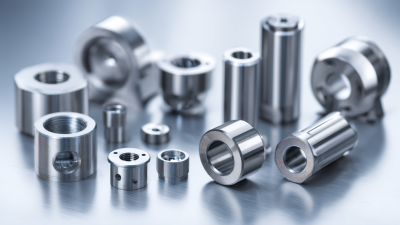
When you're in the manufacturing game, getting a good handle on Fanuc Cnc Parts is a must. I mean, if you ask someone like John Smith—who's pretty much a legend in CNC tech—they'll tell you straight up: "The right part can totally make or break your productivity." That really drives home how crucial it is to pick the right components for your CNC machines.
Honestly, Fanuc CNC parts aren’t just random bits and pieces; they’re really the heart and soul of a smooth, efficient operation. Every part has its role in keeping your machine running like clockwork. But, surprisingly, a lot of folks don’t realize just how important these parts really are. It’s not just about having a fancy CNC machine—it’s about knowing what makes it tick and how to keep it in top shape.
One thing that trips a lot of operators up is sourcing high-quality Fanuc CNC parts. Sometimes, these parts are hard to find or take ages to get, which can mean costly downtime and a big hit to productivity. That’s why it’s super important to have a reliable supplier you can count on. Learning what the essential Fanuc CNC parts are—and why they matter—can really save you headaches down the line and help you avoid costly mistakes.
Top 10 Essential Fanuc CNC Parts You Need to Know
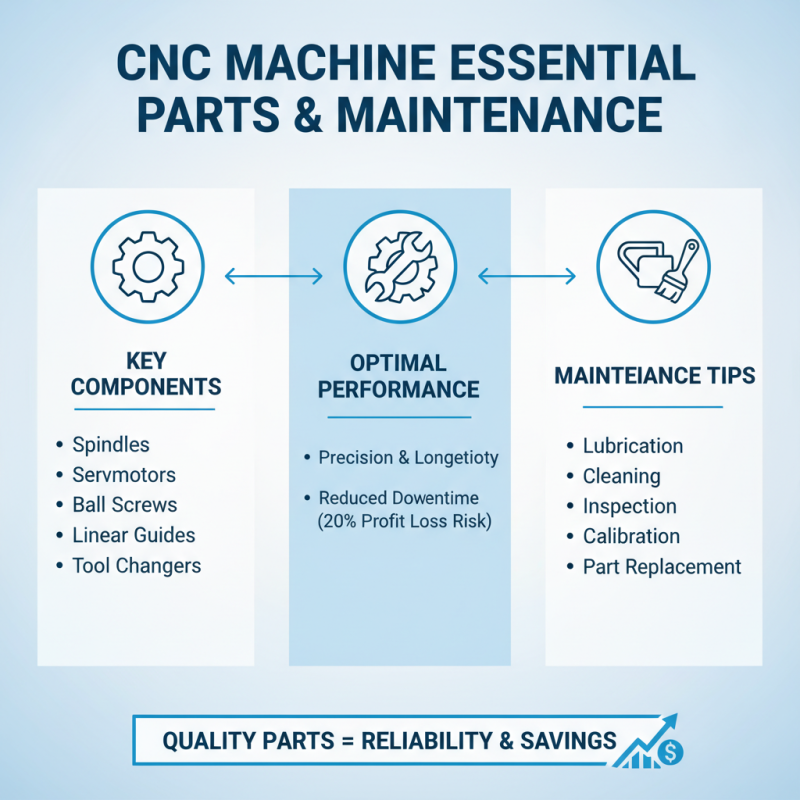
When working with CNC machines, understanding essential parts is crucial for optimal performance. High-quality components ensure precision and longevity. Several reports indicate that machinery downtime can cost manufacturers over 20% of their annual profits. Knowing how to maintain these vital parts can drastically reduce such risks.
CNC control systems are at the heart of machining operations. They dictate how the machine interacts with materials. It's important to monitor both software and hardware components regularly. Over time, wear and tear can affect efficiency. Small mechanical issues may seem insignificant but can lead to significant problems.
Tip: Regular inspections can save you money. Check wiring, connectors, and servo motors often. Addressing small issues early keeps machines running smoothly. Control boards are often overlooked. Yet, they play a vital role in overall machine functionality. Manufacturers estimate that a single sensor failure can delay production by hours.
The spindle unit requires attention too. It's responsible for tool rotation and directly impacts machining accuracy. If neglected, it may encounter vibration issues, leading to more severe damage. Observing the condition of coolant systems is equally important. Proper cooling aids in maintaining tool life and ensuring better finishes. Neglect in this area often results in higher wear rates.
Understanding the Role of Fanuc CNC Controllers in Modern Manufacturing
Fanuc CNC controllers play a pivotal role in modern manufacturing. These devices ensure precision and efficiency in automated processes. As manufacturing continues to evolve, the need for advanced control systems becomes paramount. According to a recent industry report, over 60% of manufacturing companies cite improved accuracy as their primary reason for adopting CNC technology. This statistic underscores the importance of reliable controllers.
In practice, these controllers manage tools, monitor systems, and optimize workflows. They facilitate seamless integration between machinery and design software. However, reliance on such technology can lead to a lack of human oversight. With machines making critical decisions, the potential for error arises. A study indicates that 30% of manufacturers experience downtime due to software glitches. This demonstrates a need for a balance between technology and skilled personnel.
The learning curve for programmers can also be steep. Operators must possess the knowledge to troubleshoot issues and maximize controller capabilities. Yet, ongoing training remains a challenge. Reports show that 40% of employees feel inadequately trained in CNC technology. Addressing these gaps is essential for a fully optimized manufacturing environment.
Key Functions and Features of Fanuc Servo Motors in CNC Operations
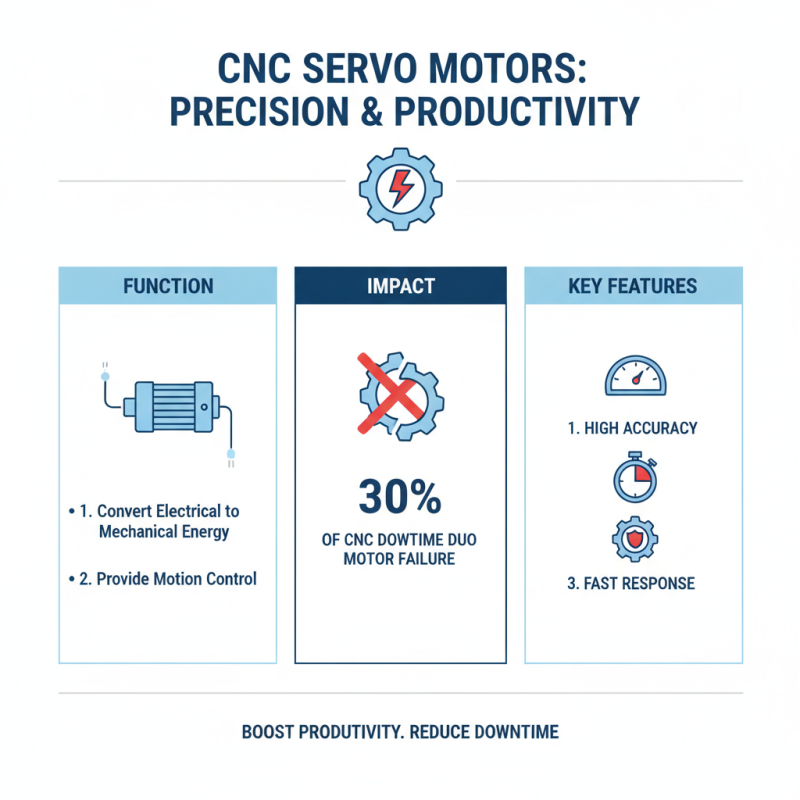
In CNC operations, servo motors play a crucial role in ensuring precision and efficiency. These motors convert electrical energy into mechanical energy, providing essential motion control. Reports indicate that nearly 30% of downtime in CNC machines results from servo motor failures. Understanding the key features of these motors can significantly impact productivity.
Fanuc Parts, especially servo motors, are designed for robust performance. They often feature high torque density and fast response times. These attributes enhance machining speed and accuracy, crucial in today's competitive landscape. However, inadequate maintenance can lead to unexpected failures, underscoring the importance of regular checks.
Tips: Regularly inspect servo motors for wear and tear. Monitoring vibration levels can help prevent issues. Suboptimal performance can often be traced back to overlooked components. Additionally, employing a preventive maintenance schedule can reduce unexpected breakdowns. Being proactive rather than reactive often saves time and resources.
Importance of Fanuc Spindle Drives for Precision and Efficiency
Spindle drives play a critical role in CNC machining. They are responsible for controlling the spindle motor.
Precision in speed regulation is essential. An efficient spindle drive ensures the machine operates smoothly.
This minimizes errors during production. It also maximizes output quality. Without reliable spindle drives, performance issues can arise.
The importance of these drives cannot be overstated. They directly impact the machining process.
A well-functioning spindle drive enhances both precision and efficiency.
However, even the best systems can face issues. Regular maintenance and the use of quality
Fanuc Spare Parts are vital.
When parts wear out or fail, operations can suffer.
It’s crucial to have a plan for quick replacements. This helps maintain efficiency and productivity in manufacturing.
Choosing the right components is essential for optimal performance. A slightly incorrect selection can lead to increased downtime.
Understanding the functionalities of different spindle drives aids in making informed decisions.
Proper training for operators also matters. It ensures they can troubleshoot minor issues on the spot.
Investing time in education pays off in the long run.
The journey toward flawless machining is ongoing and always needs attention.
How Fanuc CNC Power Supply Units Ensure Reliable Machine Operation
Reliable power supply units are crucial for CNC machines. They ensure smooth operation and productivity. According to recent industry reports, up to 30% of machine downtime is linked to power supply failures. This highlights the importance of quality components in maintaining workflow.
A power supply unit must handle varying loads effectively. Voltage fluctuations can lead to malfunctions. In fact, data shows that proper voltage regulation can reduce machine errors by as much as 25%. This improvement leads to fewer delays and better output.
Regular maintenance of power supplies is often overlooked. Many operations assume that if a machine runs, the power supply is fine. This misconception can be costly. Routine checks can identify issues early, preventing unexpected failures. Ignoring this aspect creates a risk that many businesses face daily.
Top 10 Essential Fanuc CNC Parts You Need to Know
| Part Name |
Function |
Importance |
Common Issues |
| Power Supply Unit |
Provides power to the CNC machine |
Critical for machine operation |
Voltage fluctuations, Overheating |
| Servo Motor |
Controls the movement of machine components |
Essential for precision machining |
Overheating, Inaccurate positioning |
| Control Unit |
Acts as the brain of the CNC machine |
Vital for operational commands |
Software issues, Hardware failure |
| Spindle |
Houses the cutting tool and rotates it |
Key for machining operations |
Wear and tear, Vibration problems |
| Linear Guideways |
Guide the movement of machine axes |
Crucial for accuracy |
Dust accumulation, Misalignment |
| Feedback Sensors |
Provide positional feedback to the control unit |
Important for positioning accuracy |
Signal loss, Calibration issues |
| Cooling System |
Prevents overheating of components |
Essential for longevity |
Fluid leaks, Clogging |
| Tool Holder |
Secures cutting tools in place |
Critical for tool stability |
Wear, Tool loosening |
| Ball Screw |
Converts rotational motion to linear motion |
Vital for movement accuracy |
Backlash, Wear |
| Power Cable |
Delivers electrical power to components |
Necessary for machine functionality |
Short circuits, Physical damage |
The Role of Fanuc Tool Holders in Enhancing Machining Accuracy
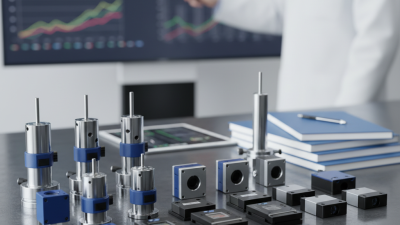
Fanuc tool holders play a crucial role in machining accuracy. High-quality tool holders ensure that tools fit securely. This stability is vital for consistent performance during cutting operations. Any slight vibration can lead to errors. Precision is key in machining, and tool holders help maintain that precision.
Many operators overlook the importance of tool holders. They focus solely on CNC machines and tools. However, a poor tool holder can ruin the quality of finished products. Using inferior Cnc Parts can result in unpredicted outcomes. Operators might face more downtime and increased costs due to mistakes.
Checks and maintenance are often neglected as well. Regular inspections can prevent tool holder wear. This often leads to better overall machining results. Investing time in understanding tool holders enhances the entire CNC process. Each piece contributes to the success of machining operations.
Fanuc Feedback Devices: Enhancing Precision in CNC Processes
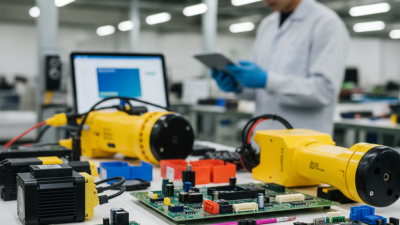
In the world of CNC machining, feedback devices play a crucial role. They are essential for enhancing precision and improving overall machining performance. These devices provide real-time data on position and speed. Reports indicate that using high-quality feedback devices can boost machining accuracy by up to 30%. This is vital for producing complex Cnc Machining Parts.
For those new to CNC machining, selecting the right feedback device can be daunting. Consider factors like compatibility and resolution. A device with higher resolution can lead to finer detail in machining. Also, monitor feedback data consistently. Anomalies may indicate issues that need immediate attention.
Tip: Regular maintenance of feedback devices can prevent costly downtimes. Inspect wiring and connections often. Small issues can lead to larger failures. Consider investing in training for operators. Skilled operators can better utilize these feedback devices. This ensures optimal performance and improves the longevity of your CNC machining parts.
Maintenance Tips for Extending the Lifespan of Fanuc CNC Parts
Proper maintenance of CNC parts is vital for longevity. Regular cleaning prevents dust buildup, which can lead to mechanical failures. Use a soft brush or cloth to wipe surfaces. Pay attention to lubricating moving parts. This reduces friction and enhances performance. It's a simple step that many overlook.
Additionally, check the electrical connections periodically. Loose wires can disrupt operations and cause significant issues. Inspect components for signs of wear or damage. Small cracks can grow into larger problems. Replace worn parts promptly to avoid breakdowns.
Lastly, document all maintenance activities. This helps track the performance and health of the equipment. A clear history reveals patterns that may need addressing. Don’t wait until something fails. Being proactive can save time and money.
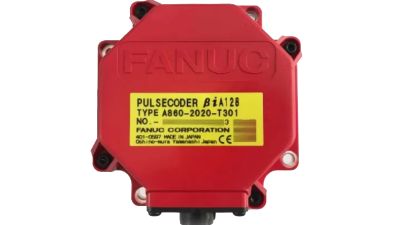
Enhancing Precision in Industrial Automation: Insights from Market Reports on FANUC Alpha Servo Encoder Model A860-2020-T301
In the realm of industrial automation, precision is paramount, particularly when it comes to feedback mechanisms in servo motor systems. The focus on enhancing precision is reflected in the development of high-performance position sensors, such as the A860-2020-T301 model. This used pulse coder is engineered to provide accurate real-time data regarding the position and speed of machinery, which is essential for achieving optimal control within closed-loop systems.
Designed for seamless integration with advanced servo motors, the A860-2020-T301 boasts high resolution and reliability, ensuring superior performance in demanding machining and automation applications. It plays a crucial role in maintaining the accuracy of axis control, thus contributing to enhancements in overall operational efficiency. Even in used condition, this encoder serves as an invaluable component for service, replacement, or refurbishment projects, allowing facilities to uphold high standards of performance without the need for costly new components.
As industries continue to strive for greater precision and efficiency, adopting technologies like the A860-2020-T301 can significantly influence productivity outcomes. Insights from market reports underscore the importance of such advanced components in driving advancements in industrial automation, ensuring that systems remain responsive and capable of meeting evolving demands.
FAQS
: Report it as soon as possible. Check lost and found areas.
You may return it within a specific time frame. Ensure it’s in original condition.
Use the tracking link provided in the confirmation email. Update may take time.
Various methods are generally accepted. Credit cards and digital wallets are common options.
Many products come with a warranty. Check if it covers your item.
Contact customer service via email or phone. Be prepared for potential wait times.
Modifications may be possible but not guaranteed. Act quickly for the best chance.
Shipping fees may vary depending on your location and order size. Review fees before checkout.
Contact customer support immediately. Provide photos of the damage for faster resolution.
New products are released periodically. Stay updated by checking the website frequently.
Conclusion
The article "Top 10 Essential Fanuc CNC Parts You Need to Know" delves into the critical components that contribute to the efficiency and precision of CNC machinery in modern manufacturing. It highlights the significant role of Fanuc CNC controllers, which serve as the brain of CNC operations, enabling seamless programming and operation. Additionally, the article covers the key functions of Fanuc servo motors that drive accuracy in machining tasks and the importance of spindle drives for maintaining high performance and efficiency.
Furthermore, the content emphasizes how Fanuc CNC power supply units are essential for reliable machine operation, while tool holders are crucial for enhancing machining accuracy. The article also explores the function of Fanuc feedback devices, which play a vital role in ensuring precision throughout CNC processes. Lastly, it provides valuable maintenance tips aimed at extending the lifespan of Fanuc CNC parts, ensuring continued performance and reliability in manufacturing environments.