Nowadays, in the world of manufacturing, squeezing the best performance out of your PLC CNC machines is more important than ever if you want to stay efficient and productive. Thanks to all the tech advances, more and more companies are jumping onto data-driven strategies to really fine-tune their operations. A report from the International Federation of Robotics even suggests that using CNC tech could boost productivity by as much as 30% in some industries. That number really drives home the message — manufacturers need to focus on getting their PLC CNC machines running at top speed if they want to keep up in this fast-changing market.
Industry expert Dr. Andrew Collins, who’s pretty much a go-to guy when it comes to automation and tech, puts it plainly: “To stay ahead in manufacturing, optimizing PLC CNC machines isn’t just a good idea — it’s absolutely necessary.” His point is that businesses shouldn’t just upgrade their machines, but also adopt smarter strategies—things like real-time data analysis and more advanced programming—to really make a difference. When you put these pieces together, companies can ramp up their production, cut down on costs, and get way more out of their equipment. Honestly, understanding how to fine-tune those PLC CNC machines has never been more important if you want to step up your game and stay competitive.

Understanding the Basics of PLC CNC Machines and Their Functions
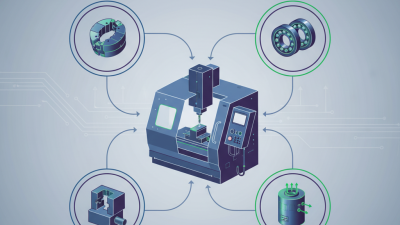
PLC CNC machines are essential tools in modern manufacturing, combining the precision of computer numerical control (CNC) with the versatility of programmable logic controllers (PLC). At their core, these machines integrate software and hardware to automate various machining processes, allowing for greater efficiency and consistency in production. The PLC acts as the brain, interpreting input signals from various sensors and executing commands to control the machine’s movement, speed, and other operational parameters. This streamlined process minimizes human error and maximizes output quality.
Understanding the functions of PLC CNC machines involves familiarizing oneself with key components such as the CNC interface, which allows operators to input design specifications, and the PLC system, which translates these inputs into actionable commands. This synergy facilitates real-time monitoring of the manufacturing process, ensuring that adjustments can be made swiftly to optimize performance. Users can leverage this technology to enhance productivity, reduce waste, and maintain tight tolerances in machined parts, making PLC CNC machines a cornerstone of efficient manufacturing strategies.
Key Factors Affecting the Efficiency of PLC CNC Machines
The efficiency of PLC CNC machines is influenced by several key factors that can significantly impact their performance. One primary factor is the calibration of the machine components. Proper alignment and adjustment of axes, tooling, and fixtures ensure that the machine operates within optimal tolerances. Regular maintenance, such as lubrication and inspection of mechanical parts, also plays a critical role in maintaining efficiency and preventing downtime.
Another crucial aspect is the programming of the PLC itself. Efficient programming techniques, such as using optimized code and avoiding unnecessary commands, can enhance processing speed and diminish cycle times. Training operators in advanced programming skills and understanding the machine's capabilities allows for better decision-making during production. Furthermore, utilizing advanced simulation tools before actual machining can help identify potential issues and streamline the manufacturing process.
Lastly, the overall setup of the workspace affects the workflow efficiency of PLC CNC machines. Organizing materials and ensuring that tools and parts are easily accessible can reduce idle times and improve productivity. Implementing effective inventory management and ensuring all resources are readily available enhances the operational flow, further contributing to maximized efficiency and performance in CNC machining.
Regular Maintenance Practices to Enhance Performance
Regular maintenance is crucial for optimizing the performance of your PLC CNC machine. By following a consistent maintenance schedule, you can ensure that your equipment operates at peak efficiency, reducing downtime and prolonging its lifespan. Key practices include routine checks on the mechanical and electrical components, calibration of the machine, and updating software as necessary. These steps not only enhance the machine's performance but also help in preventing costly repairs down the line.
**Tips:** Make a checklist of critical maintenance tasks and set reminders for each. This helps in staying organized and ensures that nothing is overlooked. Additionally, keep a log of maintenance activities to track what has been done and when, which can be invaluable during inspections or troubleshooting.
Another vital aspect of maintenance is inspecting and cleaning the coolant and lubrication systems regularly. Contaminants can accumulate over time, leading to decreased performance and potential machinery damage. Proper lubrication of moving parts reduces friction, enhances efficiency, and minimizes wear.
**Tips:** Implement a weekly cleaning schedule for coolant tanks and regularly check the lubricant levels. Using high-quality fluids and following recommended guidelines for types and intervals can further safeguard your equipment.
Optimization of PLC CNC Machine Performance
This chart displays the percentage improvement in efficiency from various optimization practices for PLC CNC machines. Regular maintenance and operator training contribute significantly to enhanced machine performance.
Optimizing Software Settings for Improved Workflow
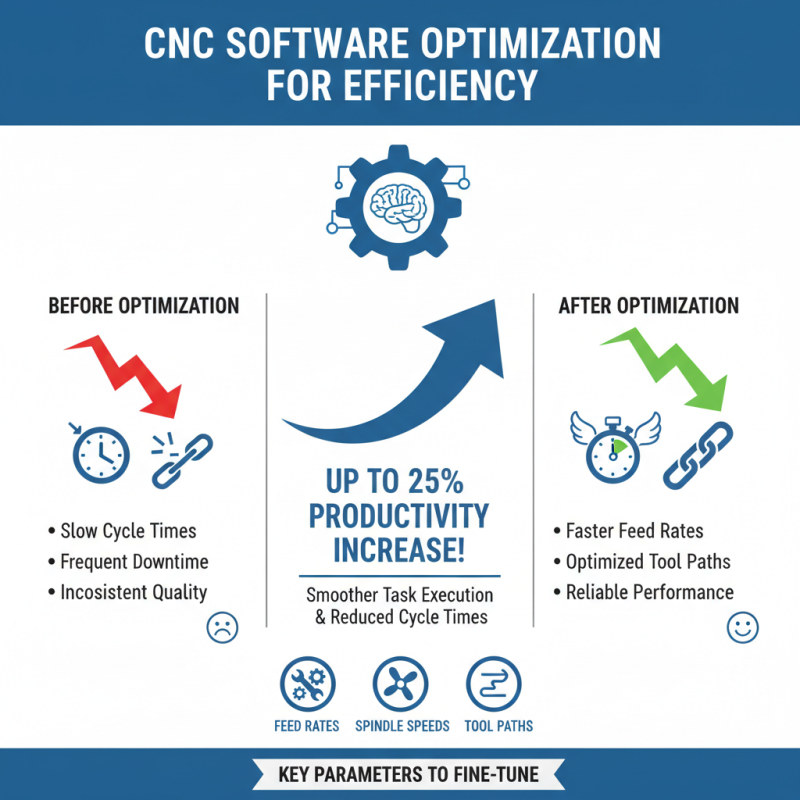
Optimizing software settings for CNC (Computer Numerical Control) machines is crucial for enhancing workflow efficiency. According to the latest industry reports, optimizing software configurations can lead to a productivity increase of up to 25%. This improvement is largely attributed to smoother task execution, reduced cycle times, and minimized downtime. To achieve these results, operators should regularly review and fine-tune parameters such as feed rates, spindle speeds, and tool paths according to the specific demands of each job.
One effective tip for optimization is to implement simulation software that predicts machining processes before actual execution. This allows for the identification of potential problems and allows adjustments to be made without wasting materials or time. Furthermore, leveraging software that automates repetitive tasks can free up operators to focus on more complex issues, thus improving overall workflow.
Another critical aspect is ensuring proper communication between the CNC machine and the software. Inconsistent data exchange can lead to errors and inefficiencies. Ensuring that settings are calibrated accurately can reduce instances of rework, which, according to studies, can account for nearly 30% of production costs in CNC machining. Regular software updates and staff training also play significant roles in maintaining an efficient operation. By prioritizing these strategies, manufacturers can significantly enhance their CNC machine performance and drive better results.
Integrating Advanced Technologies for Better Output
Integrating advanced technologies into your PLC CNC machine can significantly enhance efficiency and performance. With the rise of Industry 4.0, integrating Internet of Things (IoT) capabilities allows for real-time monitoring and data analytics, facilitating predictive maintenance and reducing downtime. According to a report by McKinsey, companies adopting IoT technologies have seen operational efficiency improvements of up to 20%. By implementing sensors and connected devices, manufacturers can gather valuable insights into machine performance, leading to smarter decision-making and optimized production schedules.
To further maximize output, utilizing advanced algorithms and machine learning can refine cutting processes and tooling selections. Research indicates that incorporating machine learning can enhance productivity by up to 30% by adapting operations based on historical data and environmental factors. Moreover, leveraging automation and robotic process automation (RPA) minimizes human error and increases throughput, allowing for higher volumes of production without sacrificing quality.
Tips for optimizing your PLC CNC machine include regularly updating software to incorporate the latest technological advancements, investing in regular training for operators to enhance skills in using advanced tools, and utilizing data analytics to continuously track and improve performance metrics. Emphasizing these strategies can lead to more streamlined operations and ultimately result in lower operational costs and higher output quality.
Training Operators for Skillful Machine Utilization
To maximize the efficiency and performance of PLC CNC machines, one of the most critical steps is to train operators thoroughly. Operators play a significant role in the machine's overall output, and their skillful utilization can lead to significant improvements in productivity and precision. Comprehensive training programs should encompass both theoretical knowledge and practical hands-on experience with the machinery, ensuring that operators understand every feature and function of the system.
**Tips:** Start training with foundational concepts about CNC technology and its operational principles. Incorporate simulations and real-world scenarios to provide operators with a robust framework for troubleshooting and decision-making. Engage operators with continuous learning opportunities, such as workshops and advanced courses, to keep them updated on the latest techniques and technologies.
Additionally, encouraging a culture of collaboration among operators can be beneficial. Fostering open communication allows them to share insights and tips that can lead to improved practices on the shop floor. Peer-to-peer learning often cultivates an environment of innovation and efficiency.
**Tips:** Implement regular team reviews where operators can discuss their challenges and successes. Create a resource library where they can access manuals, training videos, and best practice documents. This initiative will empower operators to enhance their skills and optimize machine performance effectively.
How to Optimize Your PLC CNC Machine for Maximum Efficiency and Performance - Training Operators for Skillful Machine Utilization
| Dimension |
Data |
| Machine Runtime Efficiency (%) |
85 |
| Operator Skill Level (1-10) |
7 |
| Setup Time (minutes) |
30 |
| Average Cycle Time (seconds) |
45 |
| Maintenance Frequency (months) |
3 |
| Defect Rate (%) |
2 |
| Operator Training Hours (per year) |
20 |
| Utilization Rate (%) |
75 |
Measuring and Analyzing Performance Metrics for Continuous Improvement
Measuring and analyzing performance metrics is crucial in the optimization of PLC CNC machines for enhanced efficiency. Key performance indicators (KPIs) such as machine uptime, cycle time, and precision variance provide valuable insights into the operational effectiveness of CNC systems. According to a report from the International Society of Automation, a 10% increase in machine uptime can lead to a significant uptick in overall productivity, making it essential to monitor these metrics continuously.
One effective strategy for improvement is to conduct regular data analysis on production output versus programmed throughput. Implementing real-time monitoring systems can help identify bottlenecks and unplanned downtimes swiftly. Additionally, benchmarking against industry standards can highlight areas for further enhancement. For instance, studies show that reducing cycle time by just 15% can improve overall efficiency significantly.
**Tip:** Schedule routine maintenance based on usage patterns rather than fixed intervals to ensure optimal machine performance and minimize downtime.
Regularly reviewing precision variance data can also help in maintaining product quality while optimizing machine settings. When feedback loops are established that incorporate performance metrics, operators can make informed adjustments to enhance both efficiency and output quality.
**Tip:** Use predictive analytics tools to anticipate potential failures before they happen, ensuring that maintenance is proactive rather than reactive.
FAQS
: Regular maintenance is crucial for optimizing performance, reducing downtime, and prolonging the lifespan of the equipment. It ensures that the machine operates at peak efficiency and helps prevent costly repairs.
Key practices include routine checks on mechanical and electrical components, calibration of the machine, updating software, inspecting and cleaning coolant and lubrication systems, and keeping a log of maintenance activities.
It's recommended to implement a weekly cleaning schedule for coolant tanks and regularly check the lubricant levels to prevent contaminants from impacting performance and causing machinery damage.
Advanced technologies, such as Internet of Things (IoT) capabilities, allow for real-time monitoring and predictive maintenance, which can significantly enhance operational efficiency and reduce downtime.
Thorough training programs that include both theoretical knowledge and practical experience help operators understand the machine's features and functions, leading to improved productivity and precision.
Effective methods include foundational training on CNC technology, simulations, real-world scenarios, continuous learning opportunities through workshops, and fostering a culture of collaboration and open communication among operators.
Data analytics can track performance metrics continuously, allowing for smarter decision-making and optimization of production schedules, ultimately leading to improved output quality.
Integrating machine learning can enhance productivity by up to 30% by adapting operations based on historical data and environmental factors, refining cutting processes, and optimizing tooling selections.
Regularly updating software, investing in operator training, utilizing data analytics, and adopting automation strategies can streamline operations, reduce errors, and increase production volumes.
Implementing regular team reviews allows operators to discuss challenges and successes, while creating a resource library provides access to manuals and training materials that empower skill enhancement.
Conclusion
To achieve maximum efficiency and performance from a PLC CNC machine, it is essential to understand its fundamental functions and the key factors influencing its productivity. Regular maintenance practices play a critical role in enhancing performance, ensuring that machines operate smoothly and reliably. Furthermore, optimizing software settings can streamline workflows, while the integration of advanced technologies can significantly improve output quality.
Training operators to skillfully utilize the PLC CNC machines is equally important, as their expertise can directly impact operational efficiency. Continuous improvement should be guided by measuring and analyzing performance metrics, allowing for data-driven decisions that lead to enhanced productivity. By focusing on these aspects, manufacturers can fully utilize their PLC CNC machines, driving efficiency and performance to new heights.