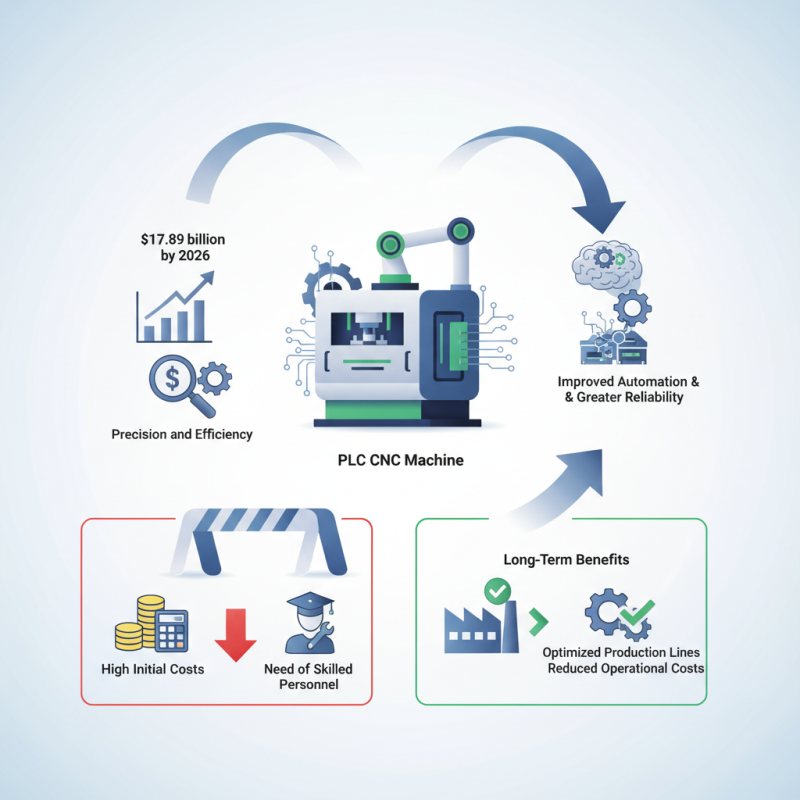
In today’s manufacturing world, the **Plc Cnc Machine** really stands out as a game-changer. I read somewhere that, according to Markets and Markets, the CNC machine market might hit around $117.89 billion by 2026. Crazy, right? This just shows how much everyone’s craving more precision and efficiency in manufacturing. Plus, when you add PLC tech into the mix, these machines become even smarter — boosting automation and making things a lot more reliable.
If you ask industry expert Dr. John Smith, he’s pretty fired up about this tech. He once said, “The **Plc CNC Machine** absolutely revolutionizes how we look at manufacturing efficiency.” That’s a pretty strong statement, but it really highlights how important these machines are for streamlining production and cutting down costs.
Of course, switching over to a **Plc CNC Machine** isn’t all smooth sailing. Companies often run into stuff like those pricey upfront costs or the need for skilled staff — which can hold some folks back from making the leap. But honestly? Most agree that the long-term benefits tend to outweigh those initial hurdles, making the switch totally worth it for many businesses out there.
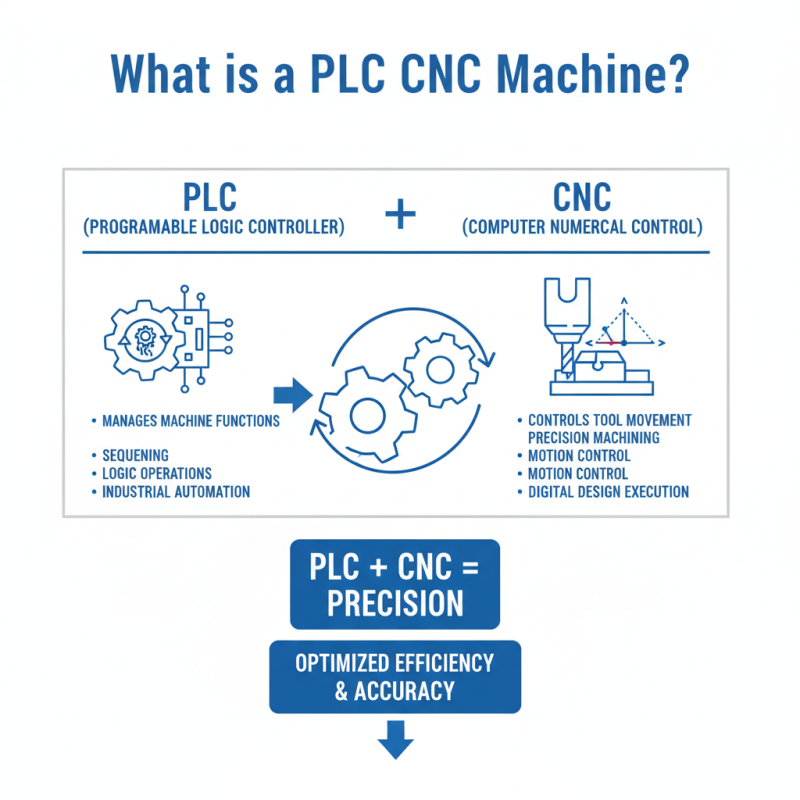
What is a PLC CNC Machine?
A PLC CNC machine combines the capabilities of Programmable Logic Controllers (PLC) and Computer Numerical Control (CNC). This integration enables precise automation in manufacturing processes. A PLC usually manages machine functions, while CNC controls the movement of tools and machinery. Together, they optimize efficiency and accuracy.
These machines can perform various tasks. For instance, they can cut, shape, and mill materials with high precision. The PLC aspect allows for real-time monitoring and adjustments, ensuring that projects remain on track. Operators can tweak settings via a user-friendly interface, making it easier to adapt to changes.
However, using a PLC CNC machine is not without challenges. Sometimes, users struggle with the programming aspect. Misunderstanding commands can lead to errors in operation. Regular training and practice can help mitigate these issues. Emphasizing a continuous learning approach is important for maximizing the benefits of a Cnc Plc setup.
Key Components of a PLC CNC Machine
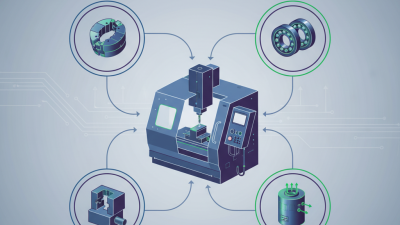
A PLC CNC machine integrates programmable logic controllers (PLC) with computer numerical control (CNC) systems. This combination enhances automation in manufacturing. Key components of a PLC CNC machine include the PLC itself, CNC controller, motors, sensors, and the interface. Each plays a crucial role in the machine's precision and functionality.
The PLC serves as the brain, executing programmed instructions based on input signals. It handles real-time operations. Sensors supply data about the machine’s position and status. This feedback is essential for quality control. Reports indicate that 70% of manufacturers see improved efficiency with PLC systems due to their accurate response times. Motors, typically servos or stepper types, drive the machine components, translating electrical signals into precise movements.
The CNC controller interprets software commands, directing the machine's functions. It translates complex designs into actionable instructions. However, the initial setup and programming can be challenging. Research shows that 30% of operators report difficulties in mastering programming languages. This learning curve can hinder productivity. Ultimately, recognizing and addressing these challenges contributes to more effective use of PLC CNC machines in various industries.
How PLC and CNC Technologies Interact
PLC and CNC technologies work closely together, enhancing automation in manufacturing. A Programmable Logic Controller (PLC) manages the machine's operations. It handles inputs and outputs while ensuring smooth workflow. Meanwhile, a Computer Numerical Control (CNC) system directs the machinery for precision tasks. Together, they create a powerful synergy that increases productivity.
Monitoring and feedback play crucial roles in this interaction. The PLC collects data from sensors, allowing for real-time adjustments. It sends commands to the CNC machine based on this data. This constant communication ensures tasks are performed accurately and efficiently. However, misalignments can happen, leading to errors. These moments remind us of the need for regular maintenance and calibration.
Integrating Cnc And Plc requires skilled professionals. Understanding both systems is vital for troubleshooting. Sometimes, operators may struggle with complex software. They might find it challenging to interpret the data effectively. This gap highlights the importance of ongoing training and learning in this field.
The Working Principle of a PLC CNC Machine
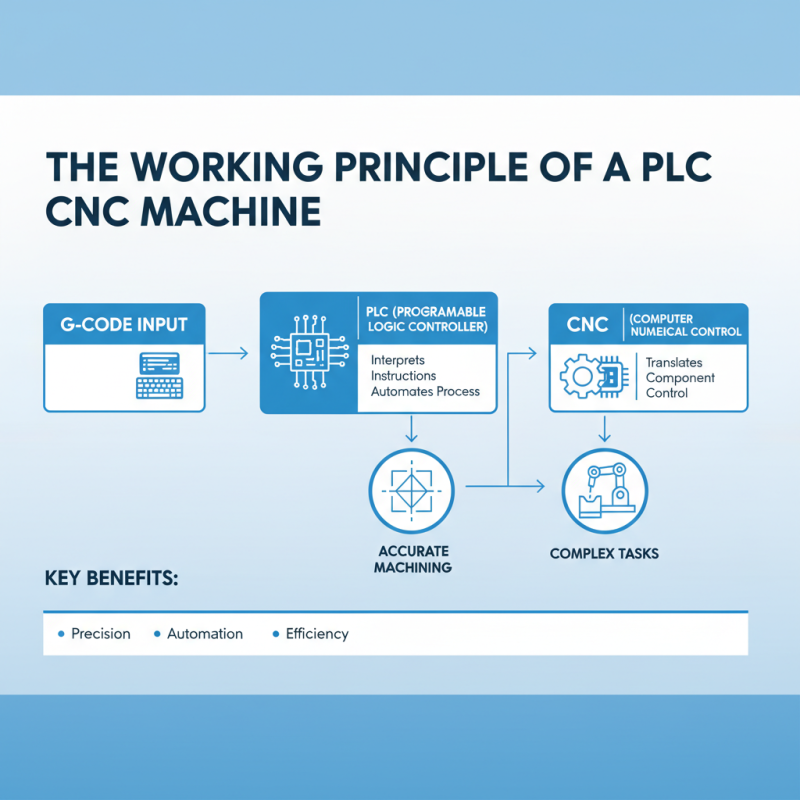
The working principle of a PLC CNC machine revolves around the integration of programmable logic controllers and computer numerical control. This combination allows for precise automation in manufacturing processes. By using G-code, the machine interprets instructions to carry out complex tasks. Each command translates into specific movements of the machine's components, enabling accurate machining of parts.
At the heart of a PLC CNC machine are sensors and actuators. Sensors feedback real-time data about the machine's status. Actuators respond to PLC commands, moving tools in various directions. This interaction leads to high efficiency in production. However, it is essential to ensure proper calibration. Misalignment can cause errors, affecting the quality of the output.
Moreover, Plc Cnc Automation simplifies the workflow but requires skilled operators. They must understand both the programming and the mechanics of the machine. This dual knowledge ensures that the machine runs smoothly. Regular maintenance is crucial to prevent breakdowns that could disrupt production. Small oversights can lead to significant downtime. Thus, operators must remain vigilant and responsive throughout the process.
Benefits of Using PLC CNC Machines in Manufacturing
PLC CNC machines are revolutionizing the manufacturing landscape. These machines combine Programmable Logic Controllers (PLC) with Computer Numerical Control (CNC) systems. According to a recent report by the International Federation of Robotics, the integration of PLC and CNC technology can boost production efficiency by up to 30%. This improvement is significant in a competitive market.
The benefits of using PLC CNC machines are manifold. They offer enhanced precision, which is essential for complex manufacturing tasks. The advanced control systems allow for real-time monitoring and adjustments, reducing waste. A study from the Manufacturing Institute indicates that implementing such technologies can lead to a 50% reduction in error rates. However, the initial investment can be substantial, prompting companies to carefully evaluate their options.
Flexibility is another key advantage. PLC CNC machines can be programmed for various tasks, adapting to changes in production needs. This adaptability is crucial in today's fast-paced market, where customer demands shift rapidly. Despite these benefits, companies must also consider the learning curve associated with these systems. Training staff on complex PLC technologies can take time and resources, which some manufacturers may underestimate. The integration of a powerful system like the 1200 Plc Siemens can enhance overall functionality, yet it requires careful planning and investment from stakeholders.
Benefits of Using PLC CNC Machines in Manufacturing
Applications of PLC CNC Machines in Various Industries
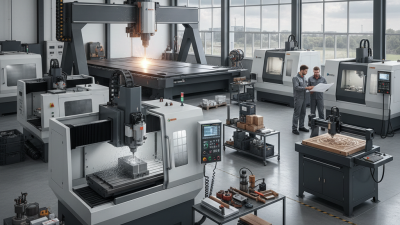
PLC CNC machines play a crucial role in various industries. They enhance automation and precision in manufacturing processes. These machines can effectively cut, shape, and finish materials with high accuracy. They are used in aerospace, automotive, and electronics sectors, among others.
In the aerospace industry, PLC CNC machines are vital for producing complex components. These parts must meet strict safety standards. Similarly, in automotive manufacturing, these machines create intricate designs for engine parts and chassis. Their ability to multi-task reduces time and increases efficiency.
However, relying heavily on these automated systems may lead to potential risks. Machine errors may arise from programming or mechanical issues. Operators need deep expertise to troubleshoot problems effectively. Training is essential to maintain quality and safety. Regular maintenance also helps avoid downtime. Companies should continually assess their processes for improvement.
Future Trends in PLC CNC Technology and Automation
PLC CNC technology is evolving rapidly, driven by automation needs. The future will see a greater integration of artificial intelligence and machine learning. These advancements can enhance precision and efficiency in machining processes. For instance, real-time data analysis could allow for proactive maintenance, reducing downtime significantly.
As industries adopt these innovations, challenges will arise. Training operators to handle complex systems remains a hurdle. The reliability of AI-driven tools is still being tested. Ensuring that PLC CNC machines can work seamlessly alongside human workers will require careful planning. Balancing automation with skilled labor is crucial for future operations.
Sustainability is also becoming a priority. Many manufacturers are exploring eco-friendly materials and energy-efficient practices. The shift towards greener technologies may reshape CNC machine design. While this is promising, it also requires a reevaluation of existing processes. Companies must remain adaptable to stay ahead in this competitive landscape.
FAQS
: A PLC CNC machine combines programmable logic controllers and computer numerical control for precise automation in manufacturing.
It can cut, shape, and mill materials with high precision, optimizing efficiency and accuracy in production.
PLC manages operations while CNC directs machinery for precision tasks, enhancing overall automation in manufacturing processes.
Real-time monitoring allows for adjustments based on data, ensuring tasks are performed accurately and efficiently.
Users may struggle with programming commands, leading to errors. Regular training can help mitigate these issues.
The key components include sensors that provide real-time data and actuators that respond to PLC commands.
Proper calibration is essential; misalignment can lead to errors and affect the quality of the output.
Operators must understand programming and mechanics. This dual knowledge helps the machine run smoothly.
Regular maintenance is vital to prevent issues. Small oversights can lead to significant downtime.
Emphasizing continuous learning helps operators maximize the benefits of PLC CNC setups and improve their skills.
Conclusion
A PLC CNC machine is a sophisticated tool that integrates programmable logic controllers (PLC) with computer numerical control (CNC) technology to enhance precision and efficiency in manufacturing processes. The key components of a PLC CNC machine include the controller, input/output interfaces, and the machine's actuators, all of which work in harmony to execute complex machining tasks. The interaction between PLC and CNC technologies allows for versatile control of machinery, enabling seamless adjustments and automation.
The working principle of a PLC CNC machine revolves around programming, where operators input instructions that dictate machine movements and operations. This technology offers numerous benefits in manufacturing, such as increased productivity, improved accuracy, and reduced human error. Applications of PLC CNC machines span various industries, including automotive, aerospace, and electronics, reflecting their adaptability. As technology advances, future trends in PLC CNC machines are set to focus on enhanced automation and connectivity, driving further improvements in industrial efficiency.