The Siemens Drive Motor is pretty important in a lot of industrial setups. It’s known for blending efficiency with some pretty advanced tech, and honestly, a lot of industries depend on it because it’s reliable and high-performing. If you take a moment to get how it works, you’ll see that it uses electromagnetic principles to turn electrical energy into mechanical motion. But, let’s be real—it's not as simple as it sounds. Small differences in design or how it’s set up can really change what it does. Plus, there are some interesting points worth digging into deeper, like how different environments can impact its performance, or how its efficiency might shift when under different loads. Knowing these little details is actually pretty important if you’re trying to make the most out of it. So yeah, the Siemens Drive Motor is powerful, but it’s also got its own set of complexities and quirks that aren’t always obvious at first glance.
Overview of Siemens Drive Motors and Their Applications
Siemens Drive Motors are extensively used in various industries, ranging from manufacturing to renewable energy. These motors convert electrical energy into mechanical energy. Their versatility allows them to power conveyor belts, pumps, and heavy machinery. The design of these motors ensures high efficiency and minimal energy loss, making them vital for sustainable operations.
Applications of Siemens Drive Motors span across different sectors. In automotive manufacturing, they enhance precision and speed on the production line. In wind turbines, they provide reliable performance to harness wind energy effectively. Their robustness is also appreciated in mining operations, where durability is key. The adaptability of these motors allows engineers to customize them for specific tasks.
When selecting a Delta Drive Motor, consider its torque and speed ratings. The cooling system is also crucial for maintaining performance. Regular maintenance can prevent unexpected breakdowns. Understanding the motor’s specifications and intended use is essential. Sometimes, overlooked factors can lead to inefficiencies or even system failures. By focusing on these details, industries can significantly improve their operational reliability and performance.
Key Components of Siemens Drive Motors
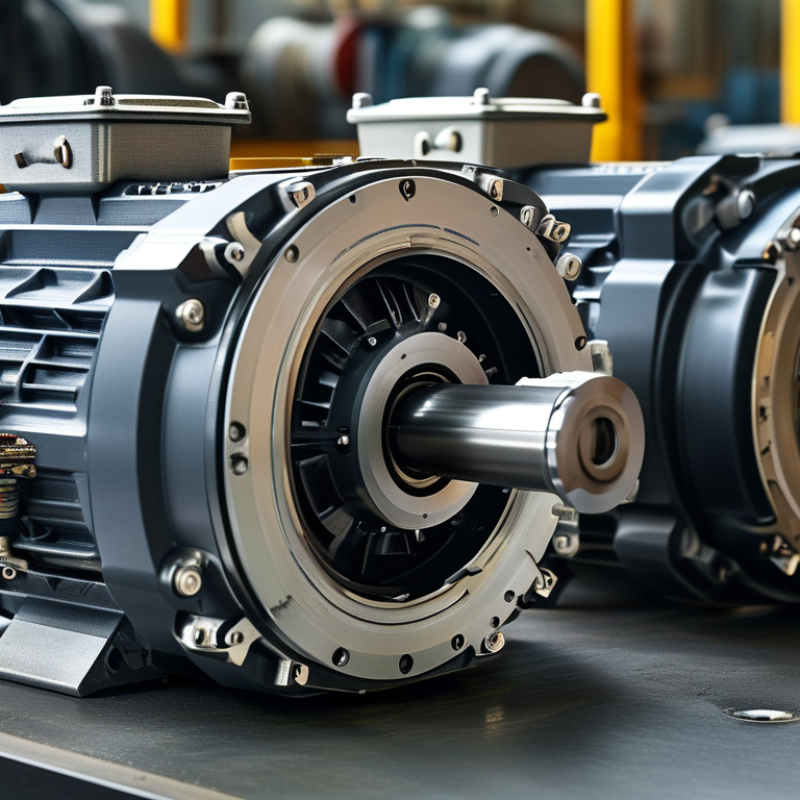
Siemens drive motors are essential in various industrial applications. They comprise multiple key components that ensure efficient operation. The motor's rotor and stator form the core. The rotor is the rotating part. It interacts with the magnetic field generated by the stator. This interaction produces motion. Efficiency ratings for these motors often exceed 90%, making them reliable for heavy-duty tasks.
One critical component is the inverter. It converts direct current into alternating current, allowing for precise speed control. Modern systems, such as the Delta Ac Motor Drive, enhance performance and energy savings. Research indicates that proper integration of an inverter can reduce energy consumption by up to 30%. This significantly lowers operational costs for businesses.
Another component is the encoder. It provides feedback on motor position and speed. This data is vital for automation processes. However, many companies overlook its importance. A poorly calibrated encoder can lead to inefficiencies and unexpected downtime. Understanding each component's function and potential pitfalls is crucial for optimizing Siemens drive motors in your operations.
How Siemens Drive Motors Convert Electrical Energy to Mechanical Motion
Siemens drive motors are essential in many industrial applications. They efficiently convert electrical energy into mechanical motion. This conversion process happens in a well-defined sequence that involves several components working in unison.
The heart of the drive motor is the rotor and stator. The stator generates a rotating magnetic field when electricity flows through it. This field interacts with the rotor, causing it to spin. This transformation allows the motor to produce mechanical output. The process is relatively straightforward, but achieving optimal efficiency can be challenging.
Precision in control systems plays a vital role in ensuring the motor functions correctly. Using a Delta Servo Motor Drive can enhance performance through better response times and accuracy. However, various factors like load changes and temperature fluctuations may affect efficiency. Regular maintenance and periodic checks are crucial. Reflecting on these elements helps identify areas for improvement in the motor’s operation.
Operating Principles Behind Siemens Drive Motors
Siemens drive motors operate on fundamental principles of electromagnetism. These motors convert electrical energy into mechanical energy using magnetic fields. When electric current flows through the windings of the motor, it creates a magnetic field that interacts with rotor magnets. This interaction produces torque, allowing the motor to perform work.
The effectiveness of drive motors is measured in terms of efficiency and power output. Industry reports indicate that high-efficiency motors can operate above 90%. This efficiency reduces energy consumption, which is crucial for minimizing operational costs. The International Energy Agency highlights that improving motor efficiency could save up to 1,600 terawatt-hours of electricity globally annually. However, users must be mindful of installation and maintenance. Improper setup can lead to reduced performance and higher energy costs.
Understanding the operational principles also requires acknowledging limits. While these motors are vital in various applications, such as manufacturing and automation, it is essential to consider their environmental impact. Manufacturers should focus on sustainability by researching materials and designs that minimize waste. The quest for greener solutions could lead to notable advancements in motor technology, albeit with inherent challenges to resolve.
Siemens Drive Motors Performance Analysis
Types of Siemens Drive Motors and Their Features
Siemens Drive Motors are essential for various industrial applications. They come in different types, each designed for specific needs. The most common types include synchronous motors, asynchronous motors, and stepper motors. Synchronous motors operate at rated speed, matching the supply frequency. They are highly efficient, making them ideal for applications requiring constant speed. According to a recent industry report, these motors can achieve efficiencies of over 95%, significantly reducing energy costs.
Asynchronous motors, also known as induction motors, are versatile and widely used. They lack brushes and offer lower maintenance needs. This design makes them reliable for many operational environments. The International Electrotechnical Commission highlights that asynchronous motors account for nearly 70% of the global electric motor market. This translates to a strong presence in sectors like manufacturing and automotive.
When considering Siemens Drive motors, understanding the application is key. Selecting the wrong motor can lead to inefficiencies and increased costs. For example, if a low-torque motor is used in high-demand situations, it may fail under stress. Regular maintenance is also critical. Motors should be checked periodically for wear and alignment issues. This helps avoid unexpected downtime.
Siemens Drive motors are crucial in optimizing energy efficiency and operational reliability. Their diverse types cater to various industrial needs. The careful choice of motor type can enhance productivity and minimize energy usage. Always consider the specific requirements when selecting a motor for your application.
What is Siemens Drive Motor and How Does It Work? - Types of Siemens Drive Motors and Their Features
| Motor Type |
Power Rating (kW) |
Voltage (V) |
Efficiency Class |
Applications |
| Induction Motor |
0.55 - 300 |
230/400 |
IE2, IE3 |
Pumps, Fans, Compressors |
| Synchronous Motor |
5 - 5000 |
400/690 |
IE3, IE4 |
High-Precision Applications |
| Servo Motor |
0.1 - 100 |
DC or AC |
IE2, IE3 |
Robotics, CNC Machinery |
| DC Motor |
0.1 - 50 |
12/24/48 |
N/A |
Electric Vehicles, Robotics |
Advantages of Using Siemens Drive Motors in Industry
Siemens drive motors are widely recognized for their efficiency and reliability. Industries benefit greatly from their use. These motors enhance performance, reduce energy costs, and improve overall productivity. By offering precise control, they allow for smoother operations in various applications. This capability is essential for manufacturing processes where timing and accuracy matter.
One significant advantage is their durability. Siemens motors are designed to withstand harsh working conditions. This durability leads to lower maintenance costs and reduced downtime. Many companies report significant improvements in their operational workflows after switching to these motors. Users often reflect on the initial investment as a pivotal moment in enhancing their production capabilities.
Incorporating Siemens drive motors can also streamline energy consumption. Companies often see a decrease in power use, as these motors convert electrical energy into mechanical energy more effectively. However, it is crucial to analyze specific needs before implementing any new technology. Ensure that motors selected align with existing systems. Evaluate performance regularly to maintain optimal efficiency.
Maintenance Best Practices for Siemens Drive Motors
When using Siemens drive motors, proper maintenance is crucial for optimal performance. Regular inspections should focus on electrical connections and motor mounts. Ensure all connections are tight to prevent voltage drops. Vibration analysis can detect issues early, helping avoid costly breakdowns. Keeping an eye on temperature levels is also important. If a motor runs hot, it can lead to premature failure.
Lubrication is another key area. However, overgreasing is a common mistake. It can lead to fluid leaks and attract dirt. In contrast, inadequate lubrication can cause excessive wear. Following the manufacturer's guidelines for lubricants ensures longevity. Additionally, periodically cleaning the motor and its surrounding area can prevent dust buildup, which might hinder airflow and cooling.
Finally, training staff on proper operational protocols can enhance motor lifespan. Many issues arise from operator error. Encourage a culture of awareness and responsibility. Collect feedback from operators to identify recurring problems. Reflecting on these insights helps refine maintenance practices, making your approach more effective. Regular assessments create a path to continuous improvement.
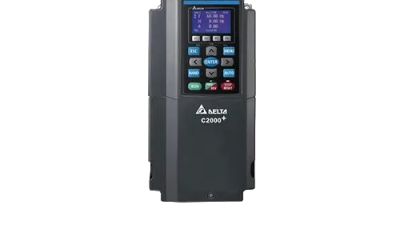
Maximizing Efficiency and Control: A Deep Dive into the Delta C2000 Series VFD007C23A-21 Drive Solutions
The Delta C2000 Series VFD007C23A-21 drive solutions represent a significant leap in efficiency and control, tailored for modern industrial applications. With its advanced capabilities, this drive excels in providing precise speed, torque, and position control, making it an ideal choice for both synchronous and asynchronous motors, whether sensor-based or sensorless. This flexibility allows users to optimize their systems across various operational conditions, ensuring maximum productivity and reliability.
One of the standout features of the Delta C2000 Plus Series is its ability to seamlessly manage complex motion profiles. The integration of sophisticated control functions means that manufacturers can expect enhanced performance and reduced downtime. This drive solution not only meets the demanding needs of today’s industries but also supports energy-saving initiatives, making it an excellent investment for those looking to improve both their operational efficiency and bottom line. By harnessing the full potential of advanced drive technologies, businesses can elevate their production processes to new heights.
FAQS
: The main components are the rotor and stator. They work together to produce motion through a magnetic interaction.
An inverter converts direct current to alternating current. It allows precise speed control and can reduce energy consumption by up to 30%.
An encoder provides feedback on motor position and speed. Accurate data helps optimize automation processes, reducing inefficiencies.
The rotor is the rotating part of the motor. It spins due to the magnetic field created by the stator.
Electrical energy flows through the stator, generating a magnetic field. This field causes the rotor to spin, producing mechanical output.
Factors like load changes and temperature fluctuations can affect efficiency. Regular maintenance is essential to address these issues.
Many companies underestimate the encoder's importance. Poor calibration may lead to unexpected downtime and inefficiencies.
Precision enhances performance through better response times and accuracy. However, it requires careful balance and adjustment for optimal results.
While advanced systems improve efficiency, they may also increase complexity and require more frequent monitoring.
Not necessarily. Variability in operational conditions means regular reflection and assessment are needed to maintain optimal performance.
Conclusion
Siemens Drive Motors are essential components in various industrial applications, known for their reliability and efficiency. These motors consist of key components that work together to convert electrical energy into mechanical motion, operating based on established principles of electromagnetism. Their design allows for a variety of types, each tailored for specific applications, offering distinct features and advantages such as energy efficiency, high torque, and ease of integration into automated systems.
Industries benefit greatly from using Siemens Drive Motors due to their performance and durability. To ensure optimal functionality and longevity, maintenance best practices must be followed, including routine inspections and timely servicing. Overall, Siemens Drive Motors represent a vital technology for enhancing operational efficiency in numerous sectors.