As the manufacturing world keeps changing, you really can't underestimate how important a reliable Cnc Controller has become. I recently came across a report by Mordor Intelligence that paints an exciting picture — the global CNC controller market is expected to hit around USD 3.4 billion by 2026. That’s a pretty big jump! The main drivers behind this growth are advancements in automation and a growing need for precision in manufacturing. For example, back in 2020, the precision machining industry alone was worth about USD 55.11 billion, which really shows how much we rely on sophisticated Cnc Controller technology these days.
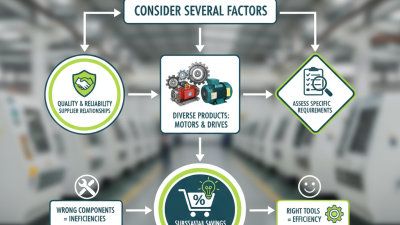
Nowadays, if you're in the market for a Cnc Controller, you're probably overwhelmed with options. Big names like Fanuc, Siemens, and Haas Automation definitely stand out as leaders, each offering their own special features and capabilities suited for different needs. But honestly, navigating all these choices can be pretty tricky. Not every model out there meets the high standards that modern manufacturing demands, so it pays to do your homework and really consider what you need.
Picking the right Cnc Controller isn’t just about grabbing the latest gadget; performance, compatibility, and support are super important. And let’s not forget, having some technical know-how really helps when making this kind of decision. As industry standards keep rising, it’s crucial to think carefully about your specific requirements and what the products can actually deliver. In the end, choosing the right Cnc Controller is more than just a purchase — it’s an investment in your manufacturing future.
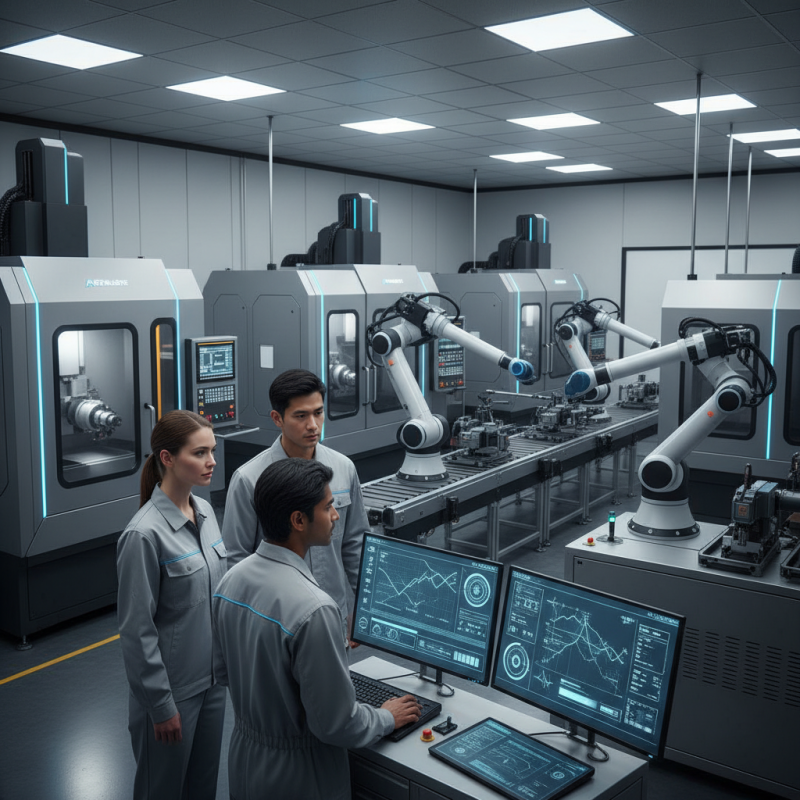
Top Trends in CNC Controller Technology for Global Markets in 2026
The landscape of CNC controller technology is rapidly evolving. In 2026, several key trends are shaping global markets. One major focus is on automation and integration. The demand for seamless integration within CNC systems is growing. Buyers increasingly seek controllers that can easily connect with other machines and software. This trend drives efficiency and reduces setup times.
Another crucial trend is user interface improvement. Modern Cnc Motor Controllers are embracing intuitive designs. Buyers favor systems with clear displays and easy navigation. Enhanced visual feedback helps operators make quicker decisions. However, usability can vary significantly among different products. Some interfaces remain complex, creating challenges rather than solutions.
Sustainability is also taking center stage. As industries strive to meet eco-standards, energy-efficient CNC motor controllers are essential. These options can reduce energy consumption and lower operational costs. Yet, not all brands embrace green technology equally. This inconsistency raises questions about reliability. As companies navigate these trends, careful evaluation of CNC motor controllers is key. The future demands innovative solutions that prioritize efficiency, usability, and sustainability.
Key Features to Evaluate in CNC Controllers: Precision and Ease of Use
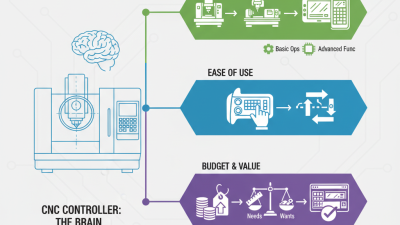
When selecting a CNC controller, precision and ease of use are critical factors. Precision in machining affects the overall product quality. According to a report by Technavio, precision CNC controllers can enhance productivity by 15-25%. High-precision controllers minimize waste and reduce the need for rework. This reliability is invaluable in industries where margins are tight.
Ease of use is also essential for efficient operations. Complex interfaces hinder productivity. Intuitive designs empower operators, even those with less experience. A user-friendly CNC controller can reduce training time by up to 30%. Features like touchscreens and customizable interfaces improve user engagement. Even with advanced options like Fanuc Cnc Controller, the focus should remain on usability without compromising capability.
Evaluating customer feedback is another significant element. Reports indicate that poorly designed interfaces often lead to operator frustration. Understanding these shortcomings can guide improvements. It's crucial to seek feedback from current users to grasp their experiences. This helps buyers make better-informed decisions by focusing on features that matter most.
Market Analysis: The Growth of CNC Controller Demand in 2026
As we look toward 2026, the CNC controller market shows significant growth. Demand for advanced technology is rising. Manufacturers seek innovative solutions to enhance productivity. CNC controllers play a crucial role in this evolution. They enable precise control of machinery, leading to improved accuracy and efficiency.
One key factor driving this demand is the rise of automation in manufacturing. Companies increasingly rely on CNC technology to streamline operations. The desire for precision and repeatability in production processes is palpable. Furthermore, industries are adapting to new trends, such as rapid prototyping and customized production. The Fagor Cnc Controller stands out for its user-friendly interface and adaptability, catering to diverse industry needs.
Despite the positive outlook, challenges remain. Not every business can easily transition to advanced CNC technology. Training and initial costs can be significant hurdles. Some companies may struggle to find the right balance between investment and return. Thus, reflection on these challenges is crucial for success in the evolving landscape of CNC controllers.
Competitive Landscape: Leading CNC Controller Manufacturers Worldwide
The CNC controller market continues to evolve rapidly. According to a report by MarketsandMarkets, global demand for CNC controllers is projected to reach $5.3 billion by 2026. This growth reflects an increasing reliance on automation in manufacturing, which improves efficiency and precision.
Leading manufacturers are focusing on advanced technologies. The integration of AI and IoT in CNC systems has become crucial. As reported by Grand View Research, the adoption of smart manufacturing practices is driving significant investment in CNC technologies. Many companies are now emphasizing user-friendly interfaces to enhance operator experience.
However, there’s room for improvement in compatibility and adaptability. Many current controllers struggle to integrate with diverse machine tools. Addressing this challenge is essential for manufacturers aiming to maintain a competitive edge. As we look forward, the industry's ability to innovate will greatly influence market dynamics and user satisfaction.
Cost Considerations: Budgeting for CNC Controllers in Global Markets
When budgeting for CNC controllers in global markets, understanding cost dynamics is crucial. Estimates indicate that the global CNC controller market is projected to reach over $5 billion by 2026. Factors affecting pricing include technology, functionalities, and regional demands. Buyers often face varied prices based on features, ranging from basic to advanced options.
Investing in a Delta Cnc Controller can be beneficial. These controllers offer efficiency but can vary in price. For instance, entry-level models might start around $500, while high-end variants exceed $5,000. Extensive research is vital before purchasing. Different market regions may present unique pricing strategies. Check local suppliers for better deals that fit your budget.
Tips: Always compare at least three suppliers for the best pricing. Look for feedback from current users about the controllers’ performance and cost-effectiveness. Investing in quality might demand higher upfront costs, but it often leads to long-term savings through durability and efficiency. Analyze total ownership costs instead of focusing solely on initial purchase prices.
Top 10 CNC Controller Options for Global Buyers in 2026
| Controller Type |
Features |
Price Range (USD) |
Target Market |
| Standard CNC Controller |
Basic functionalities, user-friendly interface |
$500 - $800 |
Small Enterprises |
| Advanced CNC Controller |
Enhanced features, multi-axis control |
$800 - $1500 |
Medium Enterprises |
| High-Performance CNC Controller |
Real-time processing, customizability |
$1500 - $3000 |
Large Enterprises |
| Router CNC Controller |
Specialized for routing tasks, easy-to-use |
$600 - $1000 |
Woodworking Shops |
| Laser CNC Controller |
Laser cutting capabilities, precise control |
$1200 - $2500 |
Manufacturing |
| Plasma CNC Controller |
Plasma cutting, robust performance |
$900 - $2000 |
Metal Fabrication |
| Milling CNC Controller |
Designed for milling applications, high precision |
$800 - $1800 |
Machine Shops |
| Engraving CNC Controller |
Focused on engraving projects, simplified setup |
$600 - $1100 |
Craft and Hobby |
| Budget CNC Controller |
Cost-effective, limited features |
$300 - $600 |
Startups |
| Open Source CNC Controller |
Flexible customization, community supported |
Free - $300 |
Makers |
Interoperability: CNC Controllers' Compatibility with Existing Systems
When selecting CNC controllers for 2026, compatibility is a major concern. Buyers need to ensure these controllers work seamlessly with existing systems. Many industries still rely on legacy equipment. A new controller must integrate smoothly without requiring massive overhauls. Flexibility in interfacing can save time and costs.
Interoperability offers significant benefits. It allows for the preservation of current investments while upgrading technology. For instance, many operations involve different types of machines communicating. Without proper compatibility, errors can arise, leading to delays. Buyers often face the challenge of finding solutions that fit within their specific environments.
It’s crucial to consider future needs, too. Controllers that can adapt over time will serve businesses better. However, not all vendors prioritize this adaptability. Users should evaluate whether potential choices will still meet their demands years from now. Compatibility often affects overall efficiency and output, so careful assessment is necessary.
Future Innovations: Emerging Technologies in CNC Control Systems
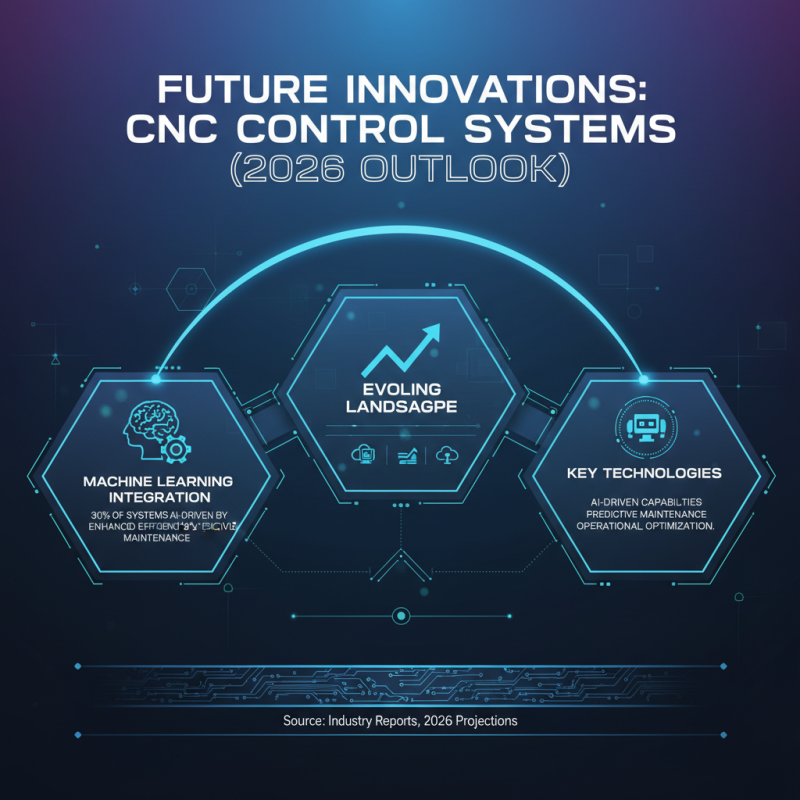
The landscape of CNC control systems is evolving rapidly. As we look ahead to 2026, several emerging technologies are shaping this evolution. For instance, machine learning integration is becoming prevalent. Reports indicate that by 2026, about 30% of CNC systems will incorporate AI-driven capabilities. This shift will enhance operational efficiency and predictive maintenance.
A notable trend is the implementation of IoT connectivity. Studies suggest that connected CNC machines can improve productivity by up to 25%. This connectivity allows real-time monitoring and data analytics, enabling swift decision-making. Furthermore, advanced user interfaces using augmented reality are set to transform operator training. These innovations aim to bridge the skills gap in the manufacturing sector.
Despite these advancements, challenges remain. High implementation costs may hinder widespread adoption. Additionally, a lack of skilled workers to operate advanced systems could slow down progress. It’s essential to address these issues to fully realize the benefits of emerging technologies in CNC control systems.
Enhancing Manufacturing Efficiency: A Comprehensive Analysis of Mitsubishi Control Unit Controller FCA50M's Impact on Operational Performance
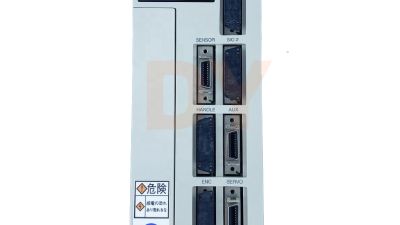
In the ever-evolving landscape of manufacturing, efficiency remains a cornerstone of operational success. The advancement of control unit technologies plays a pivotal role in enhancing manufacturing processes. One such system making waves in high-performance applications is a premier industrial control unit and servo drive system specifically engineered for CNC machines and general automation. This robust unit offers advanced control capabilities and extensive I/O options, which are essential for optimizing operational performance.
According to a recent industry report, manufacturers utilizing advanced control systems can achieve productivity improvements of up to 30% compared to traditional methods. The wide operating range of this particular control unit allows for seamless integration into various applications, enabling manufacturers to adapt to changing demands with ease. Comprehensive automation solutions contribute significantly to reducing downtime, streamlining operations, and improving overall output quality.
Furthermore, industry professionals emphasize that system enhancements, like those provided by this advanced control unit, can lead to significant reductions in energy consumption, ultimately decreasing operational costs. By leveraging such technologies, manufacturers not only enhance their competitive edge but also contribute to a more sustainable production environment, aligning with global efforts to optimize resource utilization. Enhanced performance through cutting-edge control units is not just a trend but a strategic imperative for manufacturers aiming to excel in today's competitive landscape.
FAQS
: Automation and integration are key trends. There's a growing demand for controllers that connect seamlessly with other systems.
User interfaces are becoming more intuitive. Clear displays and easy navigation help operators make faster decisions.
Sustainability is important. Energy-efficient controllers reduce consumption and costs, but not all options are equally green.
Understand the cost dynamics. Prices vary based on technology, functionalities, and regional demands, so do thorough research.
Entry-level models may start around $500, while high-end variants can exceed $5,000. Price can depend on features and performance.
Compatibility with existing systems is essential. New controllers should integrate smoothly with legacy equipment to avoid disruption.
Interoperability protects current investments and allows for technology upgrades without major changes, saving time and costs.
Evaluate user feedback and performance. Comparing multiple suppliers helps identify the best options that fit your needs.
Controllers should adapt over time. Vendors may not prioritize adaptability, so assess if they will meet future demands.
Factors include legacy equipment and how different machines communicate. Compatibility affects efficiency and overall output.
Conclusion
The article outlines the key trends and considerations for CNC controllers in the global market for 2026. It highlights the importance of precision and ease of use as critical features to evaluate when selecting a CNC controller. The demand for CNC controllers is projected to grow significantly, reflected in a comprehensive market analysis. Additionally, the competitive landscape reveals a variety of leading manufacturers, while cost considerations emphasize the need for budgeting in different global markets. The article also discusses the interoperability of CNC controllers with existing systems, ensuring seamless integration, and explores future innovations that promise to enhance CNC control systems through emerging technologies. Overall, it offers valuable insights for buyers looking to navigate the evolving landscape of CNC controller options in the upcoming year.