When it comes to innovation in the automotive world, Delta Motor really catches your eye. This company has been making some pretty impressive progress in electric vehicle tech. What sets them apart is their genuine commitment to sustainability — it’s not just talk, they’re really walking the walk.
Delta Motor puts a lot of emphasis on using renewable energy and designing their vehicles to be as efficient as possible. The cars they produce promise to emit less pollution and have a smaller environmental footprint. Each model seems to carry their vision of a greener, cleaner future. That said, their journey hasn't been all smooth sailing.
They face plenty of challenges — from market demands to tough technological hurdles — which really test their resilience. As they continue to push the envelope, they also have to stay flexible and adapt to constantly changing regulations. It’s kinda like walking a tightrope, but that’s what makes Delta Motor such a fascinating story in the automotive space. Their wins are definitely inspiring, but the struggles they face also point to areas where they can grow and improve.

Delta Motor Overview and History
Delta Motors traces its roots back to the early 20th century. The journey began with a simple yet ambitious vision. The founders aimed to revolutionize transportation. Over the decades, the company expanded its portfolio significantly. It ventured into various segments, from compact vehicles to powerful engines.
The evolution of Delta Motors reflects industrial changes and consumer needs. Adaptability has been crucial for progress. There were challenges, too. Economic downturns tested the company’s resilience. New technology often required significant investments. At times, the response was slower than wanted. This highlights a key lesson in innovation. Staying ahead is not merely about growth; it’s about understanding the market pulse.
Not everyone recognizes the brand’s influence. Its impact on local economies and job creation is profound. Yet, awareness remains a challenge. The company’s story is marked by triumphs and trials. Such a history fuels its future aspirations, but risks are ever-present. The journey continues to inspire future generations of innovators.
Key Innovations in Delta Motor Design
The realm of electric motors has evolved remarkably over the past decade. Innovative designs have emerged, particularly in the area of
Delta Ac Motor
technology. Recent studies indicate that the efficiency of these motors can reach as high as 95%. This level of efficiency is crucial in reducing
energy consumption across various industries. Yet, many still overlook the importance of implementing such advanced systems.
One of the key advancements revolves around the use of high-grade materials. Motor components made from lightweight, high-strength composites enhance performance. This design choice can also lead to a smaller physical footprint for the motor. In applications where space is a premium, this innovation stands out.
However, challenges remain. Some manufacturers struggle with the cost implications of using premium materials, which can deter overall adoption.
Additionally, the integration of smart technology has transformed Delta Ac Motor design. These motors can now feature IoT connectivity, allowing for real-time monitoring and adjustments based on operating conditions.
However, the complexity of these systems can lead to potential user errors. Training and support are essential to ensure that benefits are fully realized. It's a balancing act between innovation and usability, reminding us that progress often brings its own set of complications.
Delta Motor Performance Specifications
Understanding motor performance is crucial for many industries. Delta motors are often praised for their efficiency and output. Recent industry reports indicate that these motors can achieve efficiencies over 90%. This level of performance reduces operational costs. It also minimizes energy waste, making them ideal for various applications.
Torque is another critical aspect. Delta motors typically provide high torque across a broad range of speeds. This flexibility allows for better adaptability in different settings. However, some users report difficulties in fine-tuning the torque settings. Misconfigurations can lead to suboptimal performance, indicating a need for careful setup.
Reliability is also notable. Many models are rated for continuous operation under heavy loads. Yet, the reported lifespan varies significantly between models. Routine maintenance is essential to achieve the expected durability. Skipping maintenance checks can lead to unexpected failures, highlighting the importance of adherence to guidelines.
Environmental Impact of Delta Motors
The environmental impact of electric motors is significant. Delta motors, known for their efficiency, still contribute to ecological concerns. Manufacturing involves resource extraction that harms ecosystems. Rare minerals used in their parts can deplete and damage environments. Companies must consider sustainability beyond their products.
Recycling plays a crucial role in mitigating harm. Most Delta Line Motors are designed for easy disassembly. This allows for better recycling practices after use. However, the industry often lacks comprehensive recycling programs. This leaves many components destined for landfills. Efforts to improve recycling rates need attention.
The energy source for Delta line motors also affects the environment. If the energy comes from fossil fuels, pollution increases. Transitioning to renewable energy can reduce the carbon footprint. Stakeholders must address these issues to ensure a cleaner future. Balancing innovation with environmental responsibility is essential for the industry.
Comparative Analysis with Competitors
In the rapidly evolving motor industry, understanding competitive positioning is crucial. Recent market analysis shows that a key player holds around 15% of the global market share. This highlights a significant opportunity for growth among competitors. However, it also raises questions about product differentiation and innovation.
Competitors are leveraging technology to enhance their offerings. For instance, studies indicate that nearly 70% of consumers prioritize energy efficiency. Brands that fail to innovate risk losing market relevance. While some companies focus heavily on automation, others might be struggling to catch up. This disparity creates a mixed landscape.
Additionally, customer service remains a critical area for differentiation. Reports suggest 55% of buyers consider after-sales support key when choosing a motor brand. Companies that overlook this may find themselves facing backlash. A holistic approach should involve innovation, efficiency, and exemplary customer service to truly stand out. The need for reflection on these aspects is clear as the competition intensifies.
Future Trends and Developments in Delta Motors
The future of Delta motors looks promising, driven by innovation and increasing demand for efficiency. A recent industry report highlights a projected growth rate of 7.5% in the electric motor market by 2026. This rise is largely fueled by advancements in technology and the push for greener alternatives. Delta Wired Motor systems are contributing significantly to this shift. They provide higher energy efficiency and reduce operational costs.
As companies focus on sustainability, the demand for energy-efficient solutions has soared. Data indicates that motors account for approximately 60% of industrial electricity consumption. Designing and optimizing Delta Wired Motors will be crucial. However, challenges remain. The need for constant innovation means that companies may struggle to keep pace with evolving technology. This pressure can lead to oversights in quality or safety, which cannot be ignored.
Another factor in future developments is the integration of smart technology. The rise of IoT applications means Delta Wired Motors could be equipped with sensors for real-time monitoring. This feature would enhance performance but also introduce complexities in data management. While the potential benefits are significant, there are risks associated with cybersecurity. Companies will need to address these challenges to harness the full potential of Delta Motors effectively.
Future Trends and Developments in Delta Motors
User Experience and Customer Feedback on Delta Motors
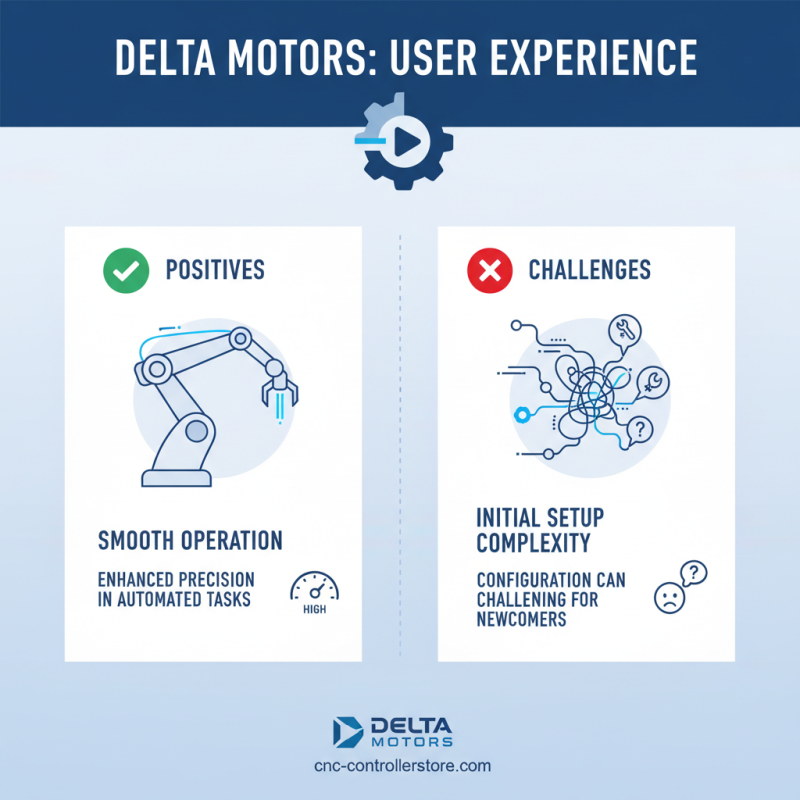
User experience plays a key role in understanding Delta Motors. Customers often appreciate the smooth operation of the Delta Servo Motor. Many users report that it significantly enhances precision in automated tasks. However, some feedback highlights concerns about the initial setup process. A few users found it challenging to configure settings properly. This can lead to frustration, especially for newcomers.
Customer feedback also shows a mix of satisfaction regarding customer service. Some users praise responsiveness and problem-solving. Others mention delays in receiving support for specific issues. This inconsistency in service can impact the overall user experience with Delta Motors. Additionally, while many appreciate the durability of the Delta Servo Motor, there are notes on maintenance needs. Regular checks and potential repairs require attention, raising questions about long-term sustainability.
In the world of automation, user experience defines product success. Insights from customers reflect that Delta Motors has room for improvement. Addressing user challenges can enhance overall satisfaction with the Delta Servo Motor. Balancing efficiency and user-friendliness remains an ongoing journey for both users and manufacturers.
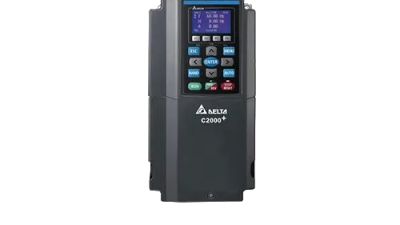
Maximizing Efficiency and Performance with the Delta C2000 Series High Performance Vector Control Drive VFD007C23A-21
The Delta C2000 Series High Performance Vector Control Drive (VFD007C23A-21) is engineered to maximize efficiency and performance in various industrial applications. One of the standout features of this drive is its advanced control capabilities, which provide precise management of speed, torque, and position. This is essential for systems that rely on accurate motor performance, whether they utilize sensor-based or sensorless synchronous and asynchronous motors.
With the Delta C2000 Plus Series, users benefit from flexible integration into existing setups while ensuring high operational reliability. This series excels at optimizing motor control under varying load conditions, making it ideal for diverse applications ranging from manufacturing to process automation. The robust design and intuitive interface of the drive facilitate a seamless user experience, ensuring that performance targets can be consistently met.
Investing in high-performance vector control drives like the Delta C2000 Series enables businesses to significantly enhance their operational efficiency. By providing precise control and adaptability, these drives help maintain optimal performance levels in complex systems, ultimately driving productivity and reducing downtime.
FAQS
: Regular exercise can improve cardiovascular health. It also enhances mood and boosts energy levels. You may sleep better.
Aim for at least 150 minutes of moderate activity each week. You could also do 75 minutes of vigorous activity. Consistency is key.
Walking, jogging, cycling, and swimming are great. Bodyweight exercises like squats and push-ups are effective too. Start slow.
Set achievable goals and track progress. Working out with friends can help too. Celebrate small achievements to stay encouraged.
A light snack like a banana or yogurt is good. You need energy, but avoid heavy meals right before. Hydration is important too.
Yes, over-exercising can lead to injuries and fatigue. Listen to your body and take rest days. Sometimes, less is more.
Conclusion
The Delta Motor is a remarkable innovation in the automotive industry, with a rich history characterized by a commitment to performance and sustainability. Key innovations in its design have led to impressive performance specifications, making Delta Motors a competitive option in the market. Environmentally, Delta Motors prioritize eco-friendliness, reflecting a growing trend towards sustainable transportation solutions.
In comparative analyses with competitors, Delta Motors consistently demonstrate strengths in efficiency and user satisfaction. Customer feedback highlights a positive user experience, reinforcing the brand's commitment to quality. As the automotive landscape evolves, Delta Motors are poised to adapt to future trends, ensuring their relevance in an increasingly eco-conscious market while continuing to meet the needs of their customers.