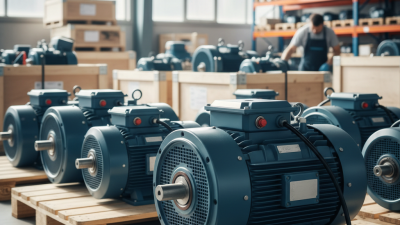
Lately, there's been a real uptick in demand for motors that are both efficient and reliable, especially in industrial settings. Leading the way is the Siemens Motor; folks often praise it for its innovation and durability. Industry veteran John Smith even points out that “Siemens Motors are pretty much the backbone of today’s manufacturing process,” which really emphasizes how much these motors are relied upon.
There’s a bunch of different Siemens Motor models out there, each suited for different needs. For example, the Siemens 1LE series is built for heavy-duty work—think tough, efficient, and long-lasting, which really helps cut down on operating costs. On the other hand, the Siemens 1LA series is more for lighter tasks, focusing on performance and flexibility. Each one has its own specific purpose, creating quite a diverse lineup of solutions.
Figuring out which Siemens Motor to choose can be a bit overwhelming, especially if you’re not familiar with all the options. Sometimes, people end up missing the key features they actually need because it’s all a bit complicated. There’s definitely a need for clearer guidance in this area. As we explore more about Siemens Motors, we'll see just how many different applications they serve and how each model offers practical benefits for different uses.
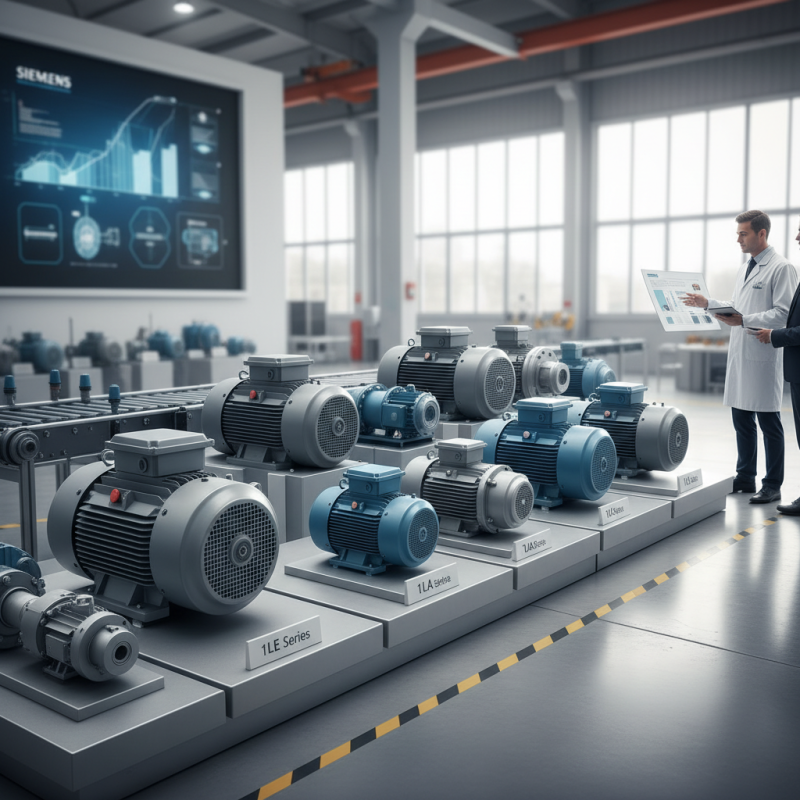
In recent years, the demand for Siemens Dc Motors in China has surged. These motors are critical for various industrial applications, including manufacturing and automation. The market has been expanding rapidly, driven by the need for energy-efficient solutions. According to industry reports, the energy efficiency of these motors can reach over 90%. This high efficiency can drastically reduce operational costs.
China’s industrial sector is increasingly turning to advanced motor technologies. Siemens DC motors are particularly favored for their reliability and precision. Factories use them in conveyor systems, pumps, and fans. However, some users report issues with compatibility in older systems. This gap shows a need for better integration solutions.
Moreover, the importance of Siemens DC motors extends beyond just performance. They often represent a significant investment. Maintenance and lifecycle management become crucial. Some companies struggle with upkeep due to a lack of training. Continuous education on these systems could enhance operational efficiency. The rise of smart manufacturing further emphasizes the need for advanced motor solutions in the market.
When considering electric motors for various applications in China, some key models stand out. These models cater to a wide array of needs, from industrial machinery to home appliances. The Siemens Gear Motor is one of the preferred options in this category. Its versatility makes it suitable for both large-scale operations and smaller, specific tasks.
Many industries rely heavily on sturdy and efficient motors. The Siemens Gear Motor excels in providing reliable performance in conveyor systems and pump operations. Its robust design ensures that it can withstand heavy workloads. However, it requires regular maintenance to ensure optimal functioning. Neglecting this can lead to reduced efficiency and lifespan.
Tips: Always check compatibility with your existing systems. An ill-suited motor can cause operational issues. Consider both power requirements and space constraints before making a choice.
Another notable model is the compact variant of Siemens Gear Motor, which finds its place in household appliances. It operates quietly, ensuring that daily activities are not disrupted. However, overloading it can greatly diminish efficiency, leading to unnecessary breakdowns.
Tips: Don't underestimate the power of efficient motor selection. A well-chosen motor can save energy costs and enhance productivity. Regularly review your operational needs to ensure the correct motor is in use.
Siemens offers a range of motor models, each with unique technical specifications. These motors are widely used in various applications, such as manufacturing and automation. The efficiency and reliability of these motors make them suitable for heavy-duty tasks. For example, high-torque models can handle demanding loads. Their compact designs save space in industrial settings while delivering powerful performance.
When considering efficiency, look for models with high power factor ratings. A good power factor indicates lower energy waste. Many reports show that motors with high efficiency can reduce operational costs by 15% or more. This can lead to significant savings over time, especially in continuous operation scenarios.
Tips: Regular maintenance is crucial. Check for signs of wear and tear. Small issues can lead to bigger problems. Also, ensure proper alignment during installation. A poorly aligned motor may work harder, decreasing efficiency. Investing in a Siemens Drive Motor can enhance productivity, but only if maintained correctly.
| Model | Power (kW) | Voltage (V) | Efficiency Class | Application |
|---|---|---|---|---|
| Model A | 75 | 400 | IE3 | Industrial Pumps |
| Model B | 132 | 480 | IE2 | Conveyor Systems |
| Model C | 18.5 | 230 | IE4 | HVAC |
| Model D | 37 | 380 | IE3 | Fans and Blowers |
| Model E | 45 | 400 | IE2 | Mixing Equipment |
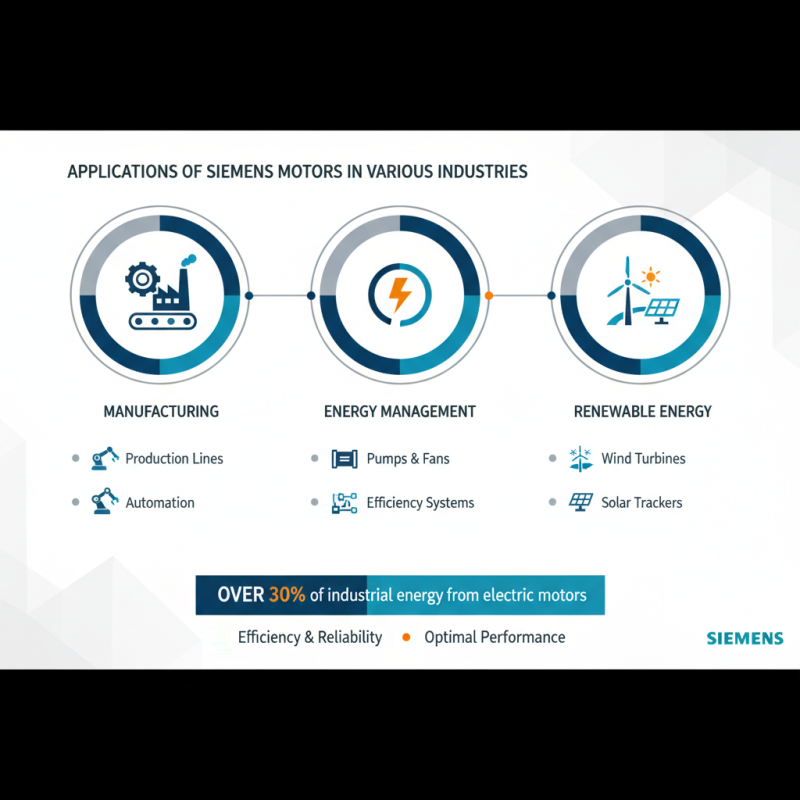
In today's industrial landscape, Siemens motors play a crucial role in various applications. These motors are highly valued for their efficiency and reliability. Industries ranging from manufacturing to energy management utilize these motors for various functions. For instance, a recent report indicates that over 30% of energy consumed in manufacturing comes from electric motors. This statistic highlights the importance of selecting the right motor for optimal performance.
The Siemens Servo Motor is particularly notable in automation. Its precision enhances robotics and conveyor systems. In the automotive sector, these motors ensure high-speed operations while maintaining accuracy in assembly lines. Additionally, the food processing industry benefits from these motors as they streamline production processes. However, some applications have reported challenges, such as integration difficulties with existing equipment.
Furthermore, the agriculture sector has seen increased motor adoption. Reports show a 25% rise in the use of electric motors for irrigation systems in the past five years. This shift promotes sustainability and reduces labor costs. Yet, it raises questions about initial investments and long-term benefits. The reliance on advanced motors introduces complexities that industries must navigate carefully.
In the competitive landscape of electric motors in China, various manufacturers vie for market share. Recent data from industry reports indicate that Siemens motors are recognized for their innovative technology and efficiency. However, they face strong competition from local brands that offer competitive pricing.
These local manufacturers often focus on cost-effective solutions, targeting small and medium enterprises. According to a report by the Market Research Institute, the domestic market for electric motors has grown by over 15% in the last year. This rapid growth raises questions about quality versus price. Are businesses sacrificing reliability for lower costs?
Tips: When selecting a motor, consider not just the price but also the long-term efficiency and maintenance costs. Cheaper options may lead to increased downtime. Evaluate the specific needs of your application to ensure a good fit. While Siemens offers proven reliability, local brands are innovating at a fast pace. Don’t ignore them. Balancing cost and quality is essential for success in your operations.
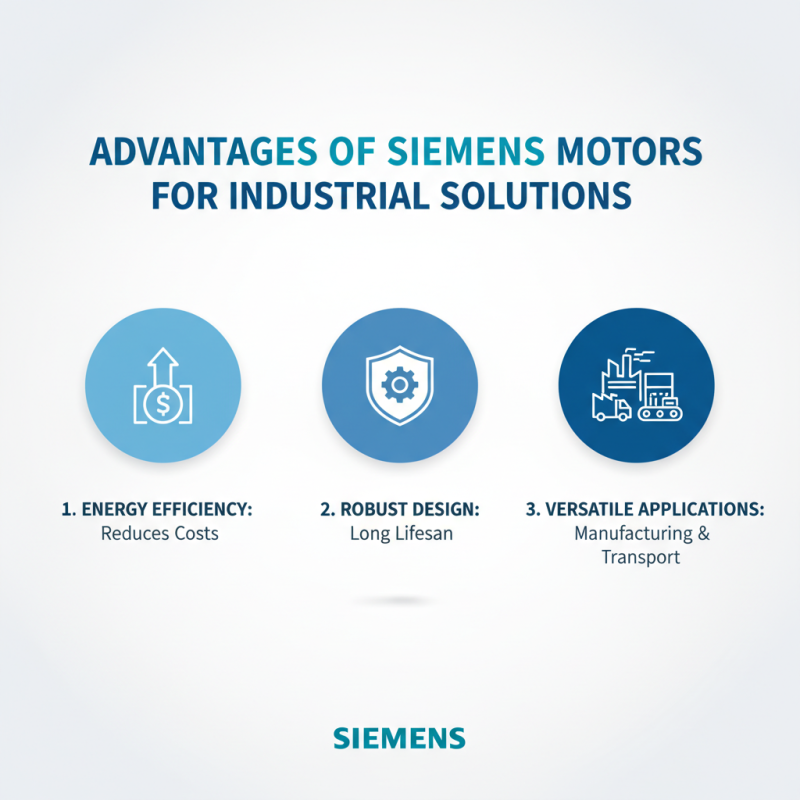
When considering industrial solutions, the choice of motors plays a crucial role. Motors with high efficiency can drastically reduce energy costs. Their robust design ensures longevity, even in demanding environments. These motors are versatile and can be used in various applications, from manufacturing to transportation.
One distinct advantage is the integration of advanced technology. These motors often feature smart monitoring systems. This enables better performance tracking and maintenance scheduling. However, their complexity may require specialized training for effective use. Companies must invest in skill development to fully leverage these motors.
While they offer many benefits, there are also challenges. Initial costs can be high, affecting budget allocations. Additionally, not all applications may justify the investment. Companies must evaluate their specific needs and potential return on investment carefully. It's essential to strike a balance between cost and long-term efficiency gains, fostering continuous improvement.
The future of motor technology is bright. Innovations are transforming sectors like manufacturing and transportation. Increased energy efficiency is a top priority. Motors are becoming smaller yet more powerful. This shift allows for greater application versatility.
Smart technology is also on the rise. Motors are now equipped with sensors that provide real-time data. This helps in predictive maintenance and reduces downtime. However, not all systems integrate smoothly. There's still a learning curve with advanced technology for many users.
Sustainability is another key trend. Eco-friendly designs are capturing interest. The focus is shifting towards reducing carbon footprints. Yet, some traditional applications struggle to adapt. The gap between old and new technologies can be challenging. These reflections indicate that continuous improvement is crucial for progress.
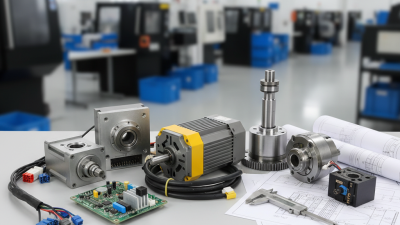
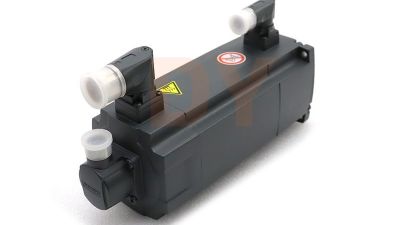
In the realm of industrial automation, the need for precision and efficiency is paramount. One key component that has been at the forefront of optimizing these processes is a certain servo motor designed for high dynamic performance. This motor features a unique high inertia design, which is essential for applications requiring rapid acceleration and deceleration. Its ability to maintain stability during these fluctuations greatly enhances overall machine performance, making it ideal for modern manufacturing environments.
A standout characteristic of this servo motor is its precise absolute encoder. This feature allows for accurate position sensing and feedback, enabling precise control of motion. The integration of high-quality encoding technology ensures that operators achieve the exact specifications required in tasks such as robotics and CNC machinery. Additionally, the motor is built to withstand demanding industrial conditions, boasting a robust IP65 degree of protection. This level of sealing against dust and water ingress ensures reliability and longevity in challenging environments, where exposure to various elements can compromise equipment performance.
By employing advanced technologies, this servo motor not only enhances operational efficiency but also drives innovation in automation systems. Industries reliant on precise control and durability can optimize their workflows by integrating this motor into their setups, ultimately leading to higher productivity and reduced downtime.
: Electric motors are utilized across various industries, including manufacturing, energy management, and agriculture.
Their efficiency and reliability make Siemens motors highly valued in many applications.
Motors consume over 30% of energy in manufacturing, highlighting their crucial function.
They improve precision in robotics and conveyor systems, ensuring smooth operations.
Some users face integration difficulties with existing equipment in their setups.
There has been a 25% increase in electric motors for irrigation systems recently.
Initial investment costs and long-term benefits need careful consideration from industries.
Local brands offer lower prices, but this raises questions about quality and reliability.
Look beyond price and examine long-term efficiency and potential maintenance costs.
Cheaper options can lead to more downtime, impacting overall operational efficiency.
The article provides a comprehensive overview of Siemens Motors and their significance in the Chinese market. It details the key models available, highlighting their technical specifications and reliability, which makes Siemens Motors a preferred choice for various industrial applications. The discussion emphasizes the diverse industries that benefit from these motors, showcasing how their robust design and efficiency contribute to improved operational performance.
In comparing Siemens Motors with competitors, the article outlines the advantages of choosing Siemens for industrial solutions, including enhanced energy efficiency and superior durability. Additionally, it explores future trends in Siemens Motor technology, underscoring ongoing innovations that promise to advance their applications further in the industrial sector. Overall, Siemens Motors stand out for their quality and adaptability in meeting the evolving needs of industries in China.