










Analyzing the Japanese Foundation of Mazak Machine Tool Technology
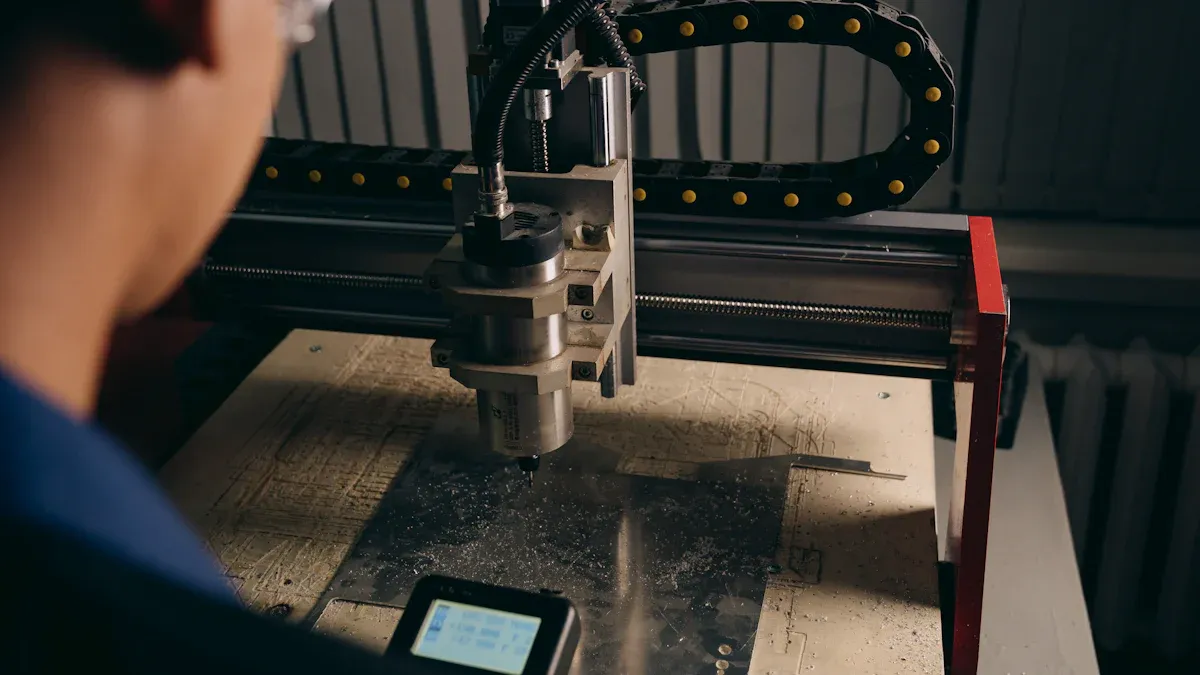
Mazak maintains a strong global standing, recognized for its quality and innovation in the Cnc Machine Industrial sector. Its success directly links to its Japanese manufacturing heritage. Mazak North America demonstrates significant market presence with an estimated annual revenue of $250-500 million. The company strategically invests in research and development, especially in multitasking and automation technologies. This commitment to excellence in every Mazak machine tool system, including its Cnc Spare Part components, reflects a dedication to precision Cnc machining.
Key Takeaways
- Mazak's success comes from its Japanese manufacturing roots.
- Monozukuri is a Japanese concept that means making things with great care and skill.
- Mazak uses Kaizen, which means they always try to make things better.
- Mazak machines are very precise. They use advanced engineering and automation.
- Mazak focuses on its customers. They offer strong support and training.
- Mazak builds machines to last. They use good materials and check quality often.
- Mazak values its workers. They train them well and encourage teamwork.
The "Monozukuri" Philosophy and Mazak Machine Tool System Craftsmanship
Understanding Monozukuri: The Art of Making Things
Core Tenets of Monozukuri
Monozukuri, a Japanese term, means "production" or "making things." It represents more than just manufacturing. This philosophy includes technological prowess, know-how, and the spirit of Japan's manufacturing practices. The spirit involves a sincere attitude towards production. It combines pride, skill, and dedication. Monozukuri also drives the pursuit of innovation and perfection. It signifies craftsmanship or manufacturing, combining 'mono' (thing) and 'zukuri' (the act of making). Many believe Monozukuri contributed to Japan's strong position in the world market.
Monozukuri represents the Japanese perspective on "making." Manufacturing is a disciplined craft. It contributes to the development of both the individual and the product. While it translates to "making things," in practice, it signifies a culture. This culture features method, care, and pride. It includes inherited skills, knowledge, intangible qualities, passion, and work ethic. The term describes Japanese-style manufacturing processes like traditional clothing, Japanese paper, and pottery. Monozukuri cannot be fully translated into other languages. Its cultural connotations mean its meaning varies among individuals.
Pursuit of Perfection and Continuous Improvement
The Monozukuri philosophy deeply embeds the pursuit of perfection. It encourages manufacturers to constantly seek better ways to create products. This involves meticulous attention to every detail. Workers strive for flawlessness in design, production, and finishing. This relentless drive for improvement ensures products meet the highest standards. It also fosters an environment where innovation thrives. Companies continually refine their processes and products.
Monozukuri in Mazak's Design and Manufacturing Processes
In-House Production of Critical Components
Mazak embodies Monozukuri through its commitment to in-house production. The company manufactures critical components for its machines internally. This approach ensures strict quality control from the very beginning. It allows Mazak to maintain high standards for every part. This control guarantees the reliability and performance of the final Mazak machine tool system.
Meticulous Attention to Detail
Mazak's manufacturing processes show meticulous attention to detail. Engineers and technicians carefully consider every aspect of machine design and assembly. They focus on precision, fit, and finish. This carefulness minimizes errors and maximizes efficiency. It ensures each component functions perfectly within the larger system.
Emphasis on Product Quality and Longevity
The Monozukuri philosophy guides Mazak's emphasis on product quality and longevity. The company designs its machines for durability and long-term performance. They select high-quality materials and employ robust construction techniques. This commitment ensures customers receive reliable and long-lasting equipment. It reflects a dedication to creating products that stand the test of time.
Impact on the Mazak Machine Tool System's Global Reputation
Building Trust Through Superior Craftsmanship
Mazak's adherence to Monozukuri builds trust with customers worldwide. The superior craftsmanship evident in every Mazak machine tool system establishes confidence. Customers know they invest in machines built with precision and care. This reputation for quality fosters strong, lasting relationships.
Differentiation in a Competitive Market
The Monozukuri philosophy differentiates Mazak in a competitive market. Its focus on quality, precision, and continuous improvement sets it apart. While other manufacturers may prioritize cost, Mazak prioritizes excellence. This commitment attracts customers who value reliability and advanced technology. It positions Mazak as a leader in the machine tool industry.
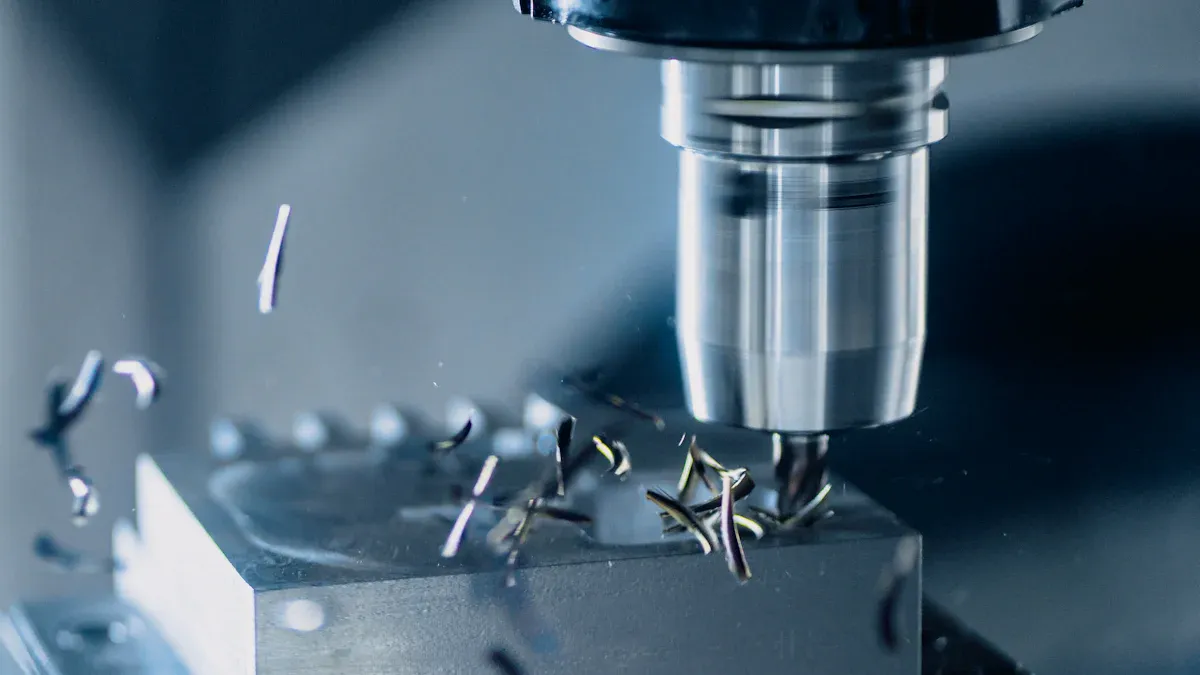
Precision Engineering and Automation: A Japanese Hallmark in Mazak Machine Tool Systems
Historical Context of Japanese Precision Manufacturing
Post-War Industrial Development and Focus on Quality
Japan focused on rebuilding its industries after 1945. The government worked with private companies. They prioritized economic recovery through industrialization. Agencies like the Ministry of International Trade and Industry (MITI) helped growth. They promoted export-oriented manufacturing. They also protected new industries. Japan adopted the Kaizen philosophy, which means continuous improvement. Lean manufacturing principles, like the Toyota Production System (TPS), changed how factories worked. These systems improved efficiency by using just-in-time production and reducing waste. By the 1970s and 1980s, Japanese companies like Sony, Panasonic, Toyota, and Honda became known for quality. They focused on precision engineering, strict quality control, and designs that pleased customers.
Early Advancements in Robotics and Automation
Japan also became a world leader in industrial robotics. Companies such as FANUC, Yaskawa, and Kawasaki Robotics lead the market. This shows Japan's advanced precision manufacturing skills. These early steps in robotics set the stage for future automation in machine tools.
Mazak's Pioneering Role in Automation Integration
Development of Flexible Manufacturing Systems (FMS)
Mazak played a key role in automation. The company introduced its first Flexible Manufacturing System (FMS) for its own machining operations. This system used four of Mazak's machining centers. It also had a wire-guided vehicle. A main feature of this FMS was Mazak's 'Production-On-Demand' idea. This concept helped the company respond quickly to customer needs. Another early FMS, installed in the 1980s, used traveling column Horizontal Machining Centers (HMCs). These machines had indexing tables for four-sided machining. They mainly processed bases and beds for Mazak machines built in Florence.
Innovation in Mazatrol CNC Technology
Mazak's MAZATROL conversational control system is a major strength. It allows programmers to create complex machining routines directly at the machine. They need minimal G-code knowledge. This system greatly reduces programming time for jobs with many different parts but low volumes. Mazak focuses on empowering the machinist on the shop floor. This makes Mazak different from others. Mazak's SMOOTH platform offers step-by-step recovery guidance. This guidance appears directly on the control screen. It reduces the need for on-site visits. Mazak also offers factory-wide control systems like SMOOTH Technology. These systems centralize machine management, diagnostics, and workflow optimization. This is important for operations that run without lights or for making many different products in small batches.
Seamless Integration of Robotics and Machine Tools
Mazak seamlessly integrates robotics with its machine tools. This integration builds on its FMS and advanced CNC systems. It creates highly automated manufacturing solutions. These solutions improve efficiency and productivity for customers.
Achieving Unparalleled Accuracy and Repeatability
Engineering for Minimal Human Intervention
Mazak engineers its machines for minimal human intervention. Mazak Variaxis 630-5X II Machining Centers are known for reliable performance. They have advanced tool changing abilities. These include Palletech systems with 120 or 288 position tool changers. This contributes to unmatched efficiency and reduces human interaction during tool changes. Smooth Ai Technology, part of the MAZATROL CNC system, provides advanced AI features. These include automatic program generation, tool and cutting recommendations, and adaptive AI control. This control adjusts parameters in real-time using vibration sensors and machine learning. AI also assists with temperature adjustments. Multi-Tasking CNC Machines, like the Mazak Integrex, combine milling and turning. They allow complex parts to be finished in one setup. This greatly reduces setup and handling time. A shop can load raw material and receive a finished part without human help between operations. Mazak also offers machining centers with optional automation modules, such as attached pallet pools. These automate workpiece loading and unloading. Hybrid Additive Manufacturing Machines, like the Mazak VC-500A/5X AM, combine additive manufacturing with five-axis machining. They can deposit metal and then mill it to final tolerance in one setup. They run mostly unattended. This extends capabilities for complex shapes and repairs.
Advanced Measurement and Calibration Techniques
Mazak uses advanced measurement and calibration techniques. These methods ensure the highest levels of precision. They verify machine accuracy and maintain consistent performance. This commitment to precise calibration is vital for high-quality output from every Mazak machine tool system.
Contribution to High-Performance Machining
Mazak's focus on precision engineering leads to high-performance machining. Its machines offer excellent accuracy and repeatability. For example, a Mazak machine tool system typically achieves a positioning accuracy of ±0.0002 inches (±0.005 mm). Its repeatability is usually ±0.0001 inches (±0.0025 mm). These specifications highlight the machine's ability to produce consistent and precise parts. This level of precision is crucial for industries demanding tight tolerances, making the Mazak machine tool system a leader in its field.
Kaizen and Continuous Improvement in Mazak Machine Tool System Innovation
Principles of Kaizen in Japanese Industry
Definition and Significance of Continuous Improvement
Kaizen is a core business philosophy in Japanese manufacturing, meaning "continuous improvement." The term combines "kai," meaning "change," and "zen," meaning "for the better." Kaizen is more than just a method; it is a mindset. It involves everyone in an organization making small, ongoing improvements. This philosophy ensures constant progress. Its origins trace back to the United States during World War II. Manufacturers made minor, easily implementable improvements due to time pressure. After the war, the U.S. helped Japan rebuild its industry. Japan adopted this continuous improvement mindset, giving birth to Kaizen in its modern form.
Small, Incremental Changes for Big Impact
Kaizen asserts that many small improvements across all company operations lead to significant positive results. It involves continuously improving every part of production. This requires participation from all employees, from the CEO to assembly line workers. Kaizen also extends to processes like purchasing and logistics. It crosses organizational boundaries into the supply chain. The goal is to eliminate waste and redundancies. It is sometimes referred to as zero investment improvement (ZII) because it uses existing resources. Taiichi Ohno of Toyota Motor Corporation developed the Kaizen-influenced Toyota Production System (TPS). This system focuses on continuous improvement in waste and defect reduction. This boost in quality and production significantly increased demand for Japanese products.
Kaizen in Mazak's Research and Development
Iterative Product Development Cycles
Mazak applies Kaizen principles directly to its research and development. The company uses iterative product development cycles. This means engineers constantly refine designs. They test new features, gather data, and then make improvements. This ongoing process ensures each new machine generation is better than the last.
Regular Software Updates and Enhancements
Mazak also embraces Kaizen through regular software updates. Its MAZATROL CNC technology receives continuous enhancements. These updates improve functionality, add new features, and boost performance. This commitment keeps Mazak machines at the forefront of technology.
User Feedback Integration for Machine Refinement
User feedback plays a crucial role in Mazak's Kaizen approach. The company actively collects input from customers and operators. It then uses this feedback to refine machine designs and software. This ensures Mazak machines meet the real-world needs of manufacturers.
Enhancing Machine Performance and User Experience
Evolution of Machine Capabilities Over Time
Mazak's dedication to Kaizen drives the evolution of its machine capabilities. Over time, machines become faster, more precise, and more versatile. This continuous improvement allows customers to tackle more complex jobs and achieve higher quality.
Streamlining Operator Interface and Programming
Kaizen also focuses on the user experience. Mazak constantly works to streamline its operator interface and programming. This makes machines easier to learn and operate. Simpler interfaces reduce training time and minimize errors.
Driving Efficiency and Productivity Gains
Ultimately, Kaizen at Mazak drives significant efficiency and productivity gains for its customers. By continuously improving every aspect of its machine tool systems, Mazak helps manufacturers produce more, with higher quality, and at a lower cost.
Long-Term Vision and Customer-Centricity in Mazak Machine Tool System Strategy
Japanese Business Philosophy: Beyond Short-Term Gains
Emphasis on Sustainable Growth and Relationships
Japanese business philosophy often looks beyond immediate profits. It emphasizes sustainable growth and strong relationships. Kaizen, for instance, is not a quick fix. It involves small, continuous improvements. These changes build up over time. They lead to significant long-term benefits. This includes better efficiency and higher quality. Kaizen is an enduring philosophy. It is a 'way of life' rather than a temporary action. It focuses on daily changes. These changes create major long-term transformations. This approach prioritizes sustained progress over time. It does not seek immediate, short-term fixes.
Investment in Future Technologies and Market Needs
Mazak embodies this long-term vision. It consistently invests in future technologies. The company anticipates market needs. This strategic investment ensures its continued relevance. It also drives innovation in machine tool development.
Mazak's Commitment to Customer Support and Training
Extensive After-Sales Service Networks
Mazak shows a strong commitment to customer support. Its after-sales service network has extensive global reach. Mazak maintains nearly 195,000 part numbers in stock. This represents over $450 million in replacement parts. The company achieves a 97% same-day shipping rate for parts. Mazak's Technology Centers and Technical Centers are located 'all over the world.' This ensures prompt support for international customers. Mazak calls its 'MPower Service & Support' the 'most-comprehensive machine support in the industry.'
Comprehensive Training Programs for Operators
Mazak offers comprehensive training programs for operators. These programs teach customers to operate, program, and maintain Mazak machine tools. Training is available through various methods:
- Self-paced courses via Mazak’s MPower On-Demand Learning (MODL) system.
- In-person classes at Mazak’s Technology and Technical Centers.
- Customized seminars at a customer's shop.
Mazak provides over 100 multi-level courses. These include introductory and advanced topics.
| Class Types |
|---|
| Operator |
| Programming |
| Maintenance |
| On-Demand |
| Specific on-demand courses cover topics like Basic Electricity and MAZATROL Control Navigation. This ensures operators gain essential skills. |
Global Support Infrastructure for Customers
Mazak's global support infrastructure reinforces its customer commitment. This network ensures customers receive timely assistance. It helps them maximize the performance of their Mazak machine tool system.
Building Trust and Loyalty Through Strategic Partnerships
Fostering Long-Term Customer Relationships
Mazak builds trust and loyalty. It fosters long-term customer relationships. The company views customers as partners. This approach creates mutual success.
Adapting to Evolving Industry Demands
Mazak continuously adapts to evolving industry demands. Its long-term vision allows it to anticipate changes. It develops solutions that meet future manufacturing challenges.
Mazak's Role as a Manufacturing Partner
Mazak acts as a manufacturing partner. It provides not just machines, but also solutions and support. This partnership approach strengthens its position in the market.
The Role of Japanese Quality Control in Mazak Machine Tool System Reliability
Foundations of Japanese Quality Management
Total Quality Management (TQM) Principles
Japanese manufacturing relies heavily on Total Quality Management (TQM). This philosophy aims to meet and exceed customer expectations. TQM involves eight universally accepted principles. First, customers define product quality. Companies must consistently capture and analyze customer feedback. Second, all employees commit fully. They embrace TQM processes and systems. An open workplace empowers learning. Proper management support and training are essential. Third, companies use a strategic and systematic approach. Processes and procedures reflect the organization's vision, mission, and long-term plan. Quality and customer satisfaction integrate into the core ethos. Fourth, companies adhere to process. Every activity is a process. They document, follow, analyze, and iterate upon these processes. Statistical process control is a cornerstone. Fifth, decisions are data-driven. Data collection occurs throughout the process flow. This identifies improvement opportunities. Sixth, effective communication is crucial. It supports TQM adoption and daily operations. It empowers employees and customers. Seventh, continual improvement is vital. TQM necessitates an organizational mindset shift. This leads to continuous iteration for process and quality enhancement. Eighth, integrated systems interoperate. They share information across departments. This facilitates informed, data-driven decisions. It fosters a shared vision and commitment to TQM principles.
Statistical Process Control (SPC) Applications
Statistical Process Control (SPC) is a key tool in Japanese quality management. It monitors and controls processes. Companies use statistical methods to ensure quality. SPC helps identify variations in production. It allows for timely adjustments. This prevents defects before they occur. SPC applications ensure consistent product quality. They reduce waste and improve efficiency.
Implementing Rigorous Quality Checks at Mazak
In-Process Inspection and Verification
Mazak implements rigorous quality checks throughout its production. In-process inspection and verification ensure precision at every stage. For example, the high-accuracy 5-axis calibration MAZA-CHECK system automatically measures and compensates for position misalignment. It also corrects incline of rotary and linear axes. This achieves high-accuracy 5-axis machining. It automatically measures and compensates rotary axis centers and tilts. A wireless touch probe (RMP600) is an optional component. Additionally, Ai Thermal Shield technology suppresses changes in cutting edge position. It considers spindle speed and machine temperature. This stabilizes continuous machining accuracy. It uses precise machine control. This accounts for temperature fluctuations, machine position, and coolant ON/OFF. New algorithms enhance compensation accuracy. The system optimizes thermal displacement compensation for each machining environment. It accumulates and learns data from subsequent measurements.
End-of-Line Testing and Performance Validation
Mazak conducts thorough end-of-line testing. This validates machine performance. Each machine undergoes comprehensive checks. These tests ensure all components function correctly. They verify the machine meets strict performance standards. This final validation guarantees reliability and precision.
Ensuring Durability and Longevity of Mazak Machine Tool Systems
Material Selection and Component Sourcing
Mazak prioritizes durability through careful material selection. It sources high-quality components. This ensures the longevity of its machines. Premium materials withstand demanding operational conditions. This commitment to quality materials contributes to machine robustness.
Design for Reliability and Maintainability
Mazak designs its machines for reliability and easy maintenance. This approach minimizes downtime. It extends the operational life of the equipment. Mazak offers a 2-year comprehensive warranty on all machine tool components, including their CNCs. This warranty covers both parts and labor for every machine sold. It also includes operator training. This commitment reflects confidence in the machines' long-term performance.
Japanese Human Resource Philosophy and its Impact on Mazak Machine Tool System Development
Japanese companies often build their success on a unique approach to human resources. This philosophy deeply influences Mazak's machine tool development. It creates a workforce dedicated to quality and innovation.
Emphasis on Skilled Labor and Craftsmanship
Mazak, like many Japanese manufacturers, places high value on skilled labor. Workers develop deep expertise in their specific roles. This focus ensures precision in every machine.
Apprenticeship and Knowledge Transfer
Mazak uses apprenticeship programs. Experienced workers teach younger employees their skills. This system ensures valuable knowledge passes from one generation to the next. New employees learn the intricate details of machine building. They gain practical experience directly from masters. This direct transfer of knowledge maintains high standards.
Continuous Skill Development and Training
Mazak invests in continuous training for its employees. Workers regularly update their skills. They learn new technologies and manufacturing methods. This ongoing development keeps the workforce highly capable. It ensures employees can handle complex tasks and new challenges.
Teamwork and Collaborative Problem-Solving
Collaboration is a cornerstone of the Japanese workplace. Mazak benefits from this team-oriented approach. Employees work together to solve problems and improve processes.
Cross-Functional Teams in R&D and Production
Mazak forms cross-functional teams. Engineers from research and development work with production staff. These teams share ideas and perspectives. They solve design and manufacturing challenges together. This collaboration leads to better machine designs and more efficient production.
Employee Empowerment and Suggestion Systems
Mazak empowers its employees. Workers can suggest improvements for processes and products. Management values these suggestions. This system encourages everyone to think critically. It fosters a sense of ownership and continuous improvement. Employees feel their contributions matter.
Fostering a Culture of Excellence and Dedication
Mazak cultivates a strong culture of excellence. This environment encourages dedication and high-quality work from every employee.
Pride in Workmanship and Attention to Detail
Mazak employees take great pride in their work. They pay meticulous attention to every detail. This dedication ensures each component meets strict quality standards. This pride in workmanship translates into reliable and precise machine tools.
Long-Term Employee Retention and Loyalty
Mazak often retains employees for many years. The company fosters loyalty through stable employment and career development. Long-term employees gain deep institutional knowledge. Their experience contributes significantly to Mazak's consistent quality and innovation. This loyalty creates a stable and highly skilled workforce.
The Synergy of Japanese Principles in Mazak Machine Tool System Global Leadership
How Monozukuri, Kaizen, and Precision Intersect
Mazak's global leadership stems from a powerful combination of Japanese principles. Monozukuri, Kaizen, and precision engineering do not operate in isolation. They form a cohesive strategy. This synergy drives Mazak's success.
Holistic Approach to Machine Tool Development
Mazak adopts a holistic approach to machine tool development. Monozukuri ensures meticulous craftsmanship and in-house component production. Kaizen promotes continuous improvement in every process. Precision engineering guarantees unparalleled accuracy and repeatability. Together, these principles create machines that perform reliably and efficiently. This integrated philosophy guides every stage, from design to manufacturing.
Creating a Culture of Excellence
These Japanese principles foster a strong culture of excellence within Mazak. Employees embrace the pursuit of perfection. They continuously seek ways to improve. This dedication to quality permeates all levels of the organization. It ensures every Mazak machine tool system meets the highest standards. This culture drives innovation and maintains Mazak's reputation.
Mazak's Adaptability and Future-Proofing
Mazak demonstrates remarkable adaptability. The company consistently future-proofs its technology. This strategic foresight allows Mazak to remain a leader.
Leveraging Heritage for Future Innovation
Mazak leverages its rich Japanese heritage for future innovation. The company builds on its foundational principles. It integrates new technologies and ideas. This approach ensures Mazak's products remain cutting-edge. It allows Mazak to evolve without compromising its core values.
Responding to Global Manufacturing Challenges
Mazak effectively responds to global manufacturing challenges. The company anticipates industry shifts. It develops solutions for emerging needs. This proactive stance helps customers navigate complex production environments. Mazak's adaptability ensures its continued relevance in a dynamic market.
Sustaining a Legacy of Quality and Innovation
Mazak sustains a legacy of quality and innovation. Its Japanese foundations provide a strong base. This commitment ensures long-term success.
The Enduring Value of Japanese Foundations
The enduring value of Japanese foundations supports Mazak. Principles like Monozukuri and Kaizen are timeless. They provide a framework for consistent excellence. These foundations ensure Mazak's products deliver superior performance. They build lasting trust with customers worldwide.
Mazak's Continued Influence on the Industry
Mazak continues its strong influence on the industry. The company sets benchmarks for quality and technological advancement. Its commitment to Japanese manufacturing principles drives this leadership. Mazak's innovations shape the future of machine tool technology. It remains a pivotal force in global manufacturing.
Mazak's global leadership originates from its profound Japanese foundation. Principles like Monozukuri, precision engineering, Kaizen, and a long-term vision prove instrumental. The company's remarkable success directly reflects these deeply ingrained principles. They consistently ensure Mazak's continued innovation and unwavering reliability. Ultimately, Mazak machine tool systems stand as a powerful testament to the enduring strength of Japanese manufacturing excellence.
FAQ
What is Monozukuri?
Monozukuri is a Japanese philosophy meaning "the art of making things." It includes technological skill, know-how, and a dedication to craftsmanship. This philosophy drives the pursuit of perfection and continuous improvement in manufacturing processes.
How does Kaizen impact Mazak's machine development?
Kaizen means "continuous improvement." Mazak uses Kaizen in its research and development. This involves iterative product cycles and regular software updates. It also integrates user feedback. This approach constantly enhances machine performance and user experience.
What role does precision engineering play in Mazak machine tools?
Precision engineering ensures unparalleled accuracy and repeatability. Mazak designs machines for minimal human intervention. It uses advanced measurement and calibration techniques. This focus contributes to high-performance machining and tight tolerances.
How does Mazak ensure the quality of its machine tool systems?
Mazak implements rigorous quality checks. These include in-process inspection and end-of-line testing. The company also uses Total Quality Management (TQM) principles. It applies Statistical Process Control (SPC) to ensure durability and longevity.
What is Mazak's approach to customer support?
Mazak commits to extensive customer support. It offers a global after-sales service network. The company provides comprehensive training programs for operators. This infrastructure ensures customers receive timely assistance and maximize machine performance.
How does Mazak integrate automation into its machines?
Mazak pioneered automation integration. It developed Flexible Manufacturing Systems (FMS). The company innovated with MAZATROL CNC technology. It seamlessly integrates robotics with machine tools. This creates highly automated manufacturing solutions for customers.
What is the significance of Mazak's in-house production?
Mazak produces critical components in-house. This ensures strict quality control from the start. It allows Mazak to maintain high standards for every part. This approach guarantees the reliability and performance of the final machine tool system.