










Decoding the best CNC System Supplier, Siemens or FANUC?
The optimal CNC system, whether it is Siemens or FANUC, depends entirely on specific manufacturing requirements. Understanding the critical factors for choosing between these two industry leaders is essential. FANUC holds approximately 65% of the global CNC controller market, showcasing its widespread adoption, and Siemens also maintains a significant presence. The decision hinges on various considerations, including reliability, user interface, and integration needs.
Key Takeaways
- FANUC leads in market share. It is known for reliable hardware and high uptime.
- Siemens excels in digital integration. It offers advanced automation and digital twin technology.
- FANUC is often easier for operators. It uses simple programming.
- Siemens combines G-code and conversational programming. This helps new users.
- Both systems handle complex parts. They offer high precision.
- FANUC is good for high-volume production. Siemens suits high-tech industries.
- Both companies offer global support. They provide spare parts and training.
Understanding FANUC's Strengths in CNC Solutions
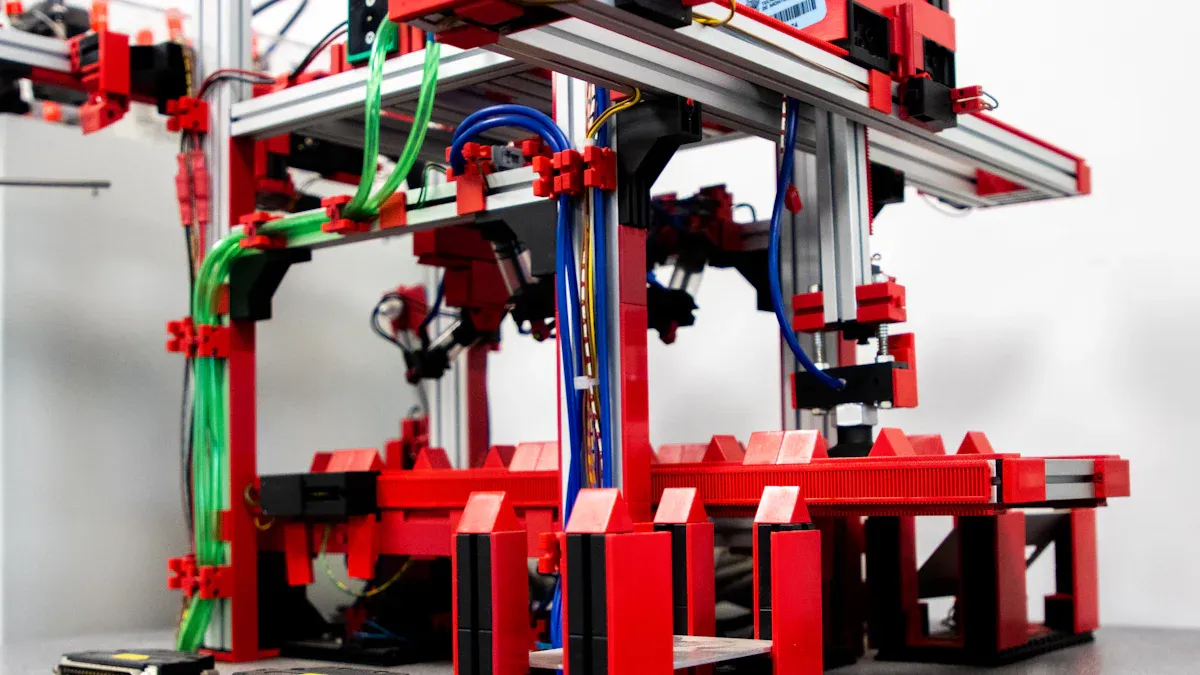
Core Market Position and Reliability
FANUC holds a strong position in the CNC market. Manufacturers worldwide trust its systems for consistent performance. This trust comes from a long history of delivering reliable products.
Unmatched Uptime and Durability
FANUC CNC systems are famous for their exceptional uptime. They operate continuously, minimizing production delays. Their robust construction ensures durability, even in demanding industrial environments. This resilience translates into fewer breakdowns and longer operational life for machines. Businesses benefit from consistent output and reduced maintenance costs.
User-Friendly Interface and Programming Simplicity
Operators find FANUC interfaces intuitive and easy to navigate. The system design prioritizes straightforward operation. This simplicity extends to programming, allowing for quicker setup times. New users can learn the system efficiently, reducing the need for extensive training. This ease of use helps factories maintain high productivity levels.
Technological Leadership and Innovation
FANUC consistently pushes the boundaries of CNC technology. They invest heavily in research and development. This commitment leads to advanced features that improve manufacturing processes.
Advanced AI and Machine Learning Integration
FANUC integrates advanced AI and machine learning into its CNC controls. For example, the AI Servo Monitor uses data analysis. It predicts potential failures within the drive system. This proactive approach helps prevent unexpected downtime. Furthermore, FANUC’s CNC controls feature smart adaptive processing algorithms. These algorithms manage functions like nano-smoothing and quality level selection. They also handle mass block look-ahead, learning control, axis acceleration, and jerk control. High-response vector drives and high-resolution servo motor position feedback support these AI capabilities. This combination allows for ultra-fine precision machining. Smart AI functions also enhance complex turning applications with FANUC CNC turning controls.
Robotics and Automation Synergy
FANUC excels at integrating CNC machines with its robotic solutions. This synergy creates highly automated manufacturing cells. Robots handle material loading, unloading, and part transfer. This integration streamlines production workflows. It also increases efficiency and reduces labor costs. Manufacturers achieve higher throughput and consistent quality.
Global Ecosystem and Support
FANUC provides extensive support for its global customer base. This network ensures help is always available.
Extensive Global Service Network
FANUC maintains a vast global service network. FANUC America, for instance, operates 281 service locations. These locations support 106 countries worldwide. This broad reach ensures customers receive prompt assistance. The FANUC America Technical Support Call Center operates 24 hours a day, seven days a week. Their Customer Resource Center at headquarters offers fast response times for field service, spare parts, and technical phone support. This comprehensive network minimizes downtime for customers.
Comprehensive Training Programs
FANUC offers thorough training programs for operators and technicians. These programs cover everything from basic operation to advanced programming. They ensure users maximize the potential of their CNC systems. Well-trained staff can troubleshoot issues quickly. They also optimize machine performance, contributing to overall factory efficiency.
Siemens' Prowess in Integrated Automation and Digitalization
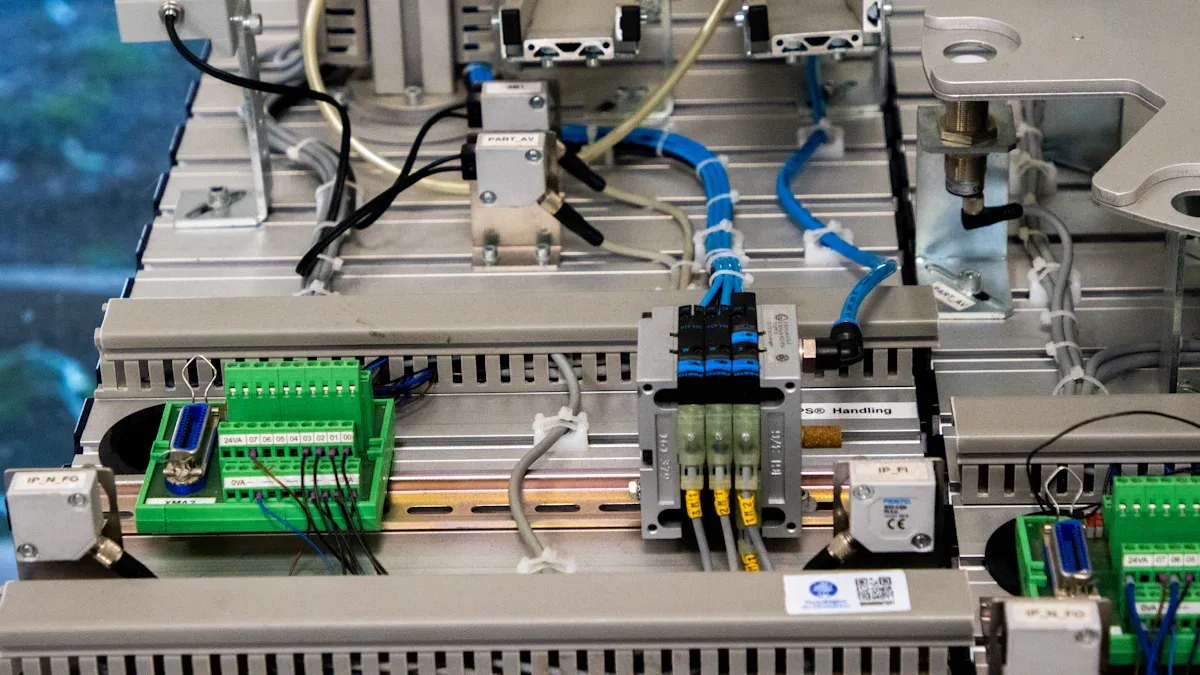
Siemens stands out for its deep integration of automation and digitalization in CNC solutions. The company provides comprehensive systems that connect various aspects of manufacturing. This approach helps factories become smarter and more efficient.
Core Market Position and Comprehensive Solutions
Siemens holds a strong position by offering complete solutions. These solutions go beyond just the CNC controller. They cover the entire production process.
Integrated Automation and Control
Siemens systems excel at integrating automation. They link machine tools with other factory equipment. This creates a seamless production environment. Operators can control many machines from one central point. This integration simplifies complex manufacturing tasks.
High-Performance Precision and Multitasking
Siemens CNC systems deliver high precision. They perform complex machining operations with great accuracy. These systems also handle multiple tasks at once. This multitasking capability boosts productivity. Manufacturers can produce intricate parts efficiently.
Technological Leadership and Innovation in Siemens
Siemens consistently leads in technological innovation. They develop advanced features that push manufacturing forward.
Digital Twin and Simulation Capabilities
Siemens uses digital twin technology extensively. This technology creates a virtual copy of a machine or process. Machine shops become IoT-ready for CNC users with this capability. It allows real-time adjustments during manufacturing. This includes changes to cycle time, tool tip position, and tool magazine loading. Digital twins lead to faster startups and precise workflows. They also help achieve key performance indicators for production, machine runtime, maintenance, and energy use.
Industry 4.0 and IoT Connectivity
Siemens is a leader in Industry 4.0 and IoT connectivity. Their newest digital-native CNC system, SINUMERIK ONE, advances digitalization in machine tools. It offers enhanced power and software for scalability. This system enables a smooth transition from CAD to CAM to CNC machining. It also facilitates virtual production before any physical cuts. The UNIFIK System, based on OPC UA, integrates older SINUMERIK CNC machines (840D powerline and solution line models) with Industry 4.0. This plug-and-play system connects machines that previously lacked standard communication. It allows them to join Industry 4.0 environments.
Ecosystem and Software Integration for Siemens
Siemens provides a robust ecosystem with strong software integration. This allows for great flexibility and customization.
Strong Software Integration and Customization
The Mcenter Platform is a comprehensive manufacturing and resource management tool. It offers Tool Management, providing transparency on available tools. Program Management gives an overview of NC programs. Overall Equipment Effectiveness (OEE) identifies key indicators to improve machine use. The platform also manages all types of machines, regardless of age or controller brand. It integrates with existing IT infrastructure through open interfaces. The Siemens Xcelerator Platform connects IoT-enabled hardware and software. This platform accelerates digital transformation. SINUMERIK ONE advancements include new technology functions. These simplify machine operation and increase productivity. The Y-turning function boosts feed rates. The Advanced Rapid Movement function speeds up movements between operations. Reduced Dynamic Mode lowers machine wear.
Flexibility and Adaptability
Siemens systems offer great flexibility. They adapt to various production needs. Manufacturers can customize these systems to meet specific goals. This adaptability ensures the CNC solution aligns perfectly with client requirements.
Direct Comparison: Siemens vs. FANUC Performance in 2025
When evaluating CNC systems for 2025, manufacturers often compare Siemens and FANUC. Both companies offer advanced solutions. However, their performance characteristics and approaches differ. Understanding these differences helps in making an informed decision.
Precision and Machining Capabilities
Precision and speed are crucial in modern manufacturing. Both Siemens and FANUC deliver high-performance machining.
Machining Speed and Accuracy
Siemens controls are known for their high accuracy and speed. They are well-suited for demanding tasks in CNC machining. FANUC controls also offer high-speed machining capabilities. They provide excellent surface finish control. FANUC systems include advanced features like toolpath optimization. These features help achieve superior results.
Complex Part Manufacturing
Both systems excel in complex part manufacturing. They offer robust features for intricate designs.
-
Siemens capabilities include:
- Advanced 5-axis machining operations. These operations feature precise tool-axis control. They also have automated collision avoidance.
- Tube milling for machining internal geometries. This includes parts like engine block ports.
- Turbomachinery milling for complex multi-bladed parts. Examples are blisks and impellers.
- Visualization tools to optimize cutting conditions for multi-axis operations.
- Cloud-based NX X Manufacturing Premium. This offers advanced 3- and 5-axis milling, rotary machining, and turning.
-
FANUC capabilities include:
- 5-axis machining for complex shapes. This also includes hard-to-machine metals.
- 5 & 6-sided machining.
- High-accuracy machining with nanometer-level tolerances.
- High-performance machining.
- The FANUC 31i-B5 series for 5-axis machining. This series includes features like High Speed Smooth TCP, Workpiece Setting Error Compensation, Tilted Working Plane, and AICC functions.
Ease of Use and Programming Efficiency
The ease of use and programming efficiency significantly impact productivity. Both brands approach this differently.
Operator Interface and Workflow
FANUC primarily uses standard G-code. Experienced CNC coders find this familiar. Siemens offers an interface that combines G-code and conversational programming. This balances precision with accessibility. FANUC is generally easier for operators already skilled in CNC coding. However, systems with conversational programming, like those from Siemens, can be simpler for beginners. They offer guided cycles and on-screen graphics. Siemens 828D controls are particularly user-friendly. They make operator training easier. In shops with mixed machine brands, Siemens systems were often the easiest for teaching new operators.
- FANUC CNC System: It has conversational programming capabilities. Operators can program using simple instructions and parameters. This offers an intuitive method for various applications.
- Siemens CNC System: It provides extensive conversational programming functions. Operators can create programs through a straightforward interface. They do not need deep knowledge of programming languages. It also features robust graphics support. This includes an advanced graphical interface and visual programming environment. This enhances programming efficiency and accuracy.
Programming Language and Flexibility
FANUC's reliance on G-code provides a consistent programming environment. This is beneficial for shops with established G-code expertise. Siemens' hybrid approach offers more flexibility. It caters to both traditional G-code programmers and those who prefer a more guided, conversational method. This adaptability allows shops to choose the programming style that best suits their workforce and part complexity.
Cost of Ownership and Investment
The total cost of ownership involves initial investment, licensing, and ongoing maintenance. These factors are critical for long-term planning.
Initial Investment and Licensing
The initial investment and licensing structures vary between the two.
| Factor | FANUC | Siemens |
|---|---|---|
| Initial Investment | Higher upfront costs | Higher initial investment, especially for high-end systems |
| Licensing Structure | Advanced features (multi-axis interpolation, probing, networking) require additional paid options | Justified in high-tech industries needing advanced digital integration |
FANUC systems often have higher upfront costs. They also require additional paid options for advanced features. Siemens systems, particularly high-end ones, also involve a higher initial investment. This cost is often justified in high-tech industries. These industries need advanced digital integration.
Maintenance and Spare Parts
Maintenance and spare parts availability are key to minimizing downtime. Both companies offer extensive support.
| Feature | FANUC | Siemens |
|---|---|---|
| Reliability | Known for robust and durable hardware. | High reliability, especially in industrial environments. |
| Support | Extensive global support network. | Comprehensive global support and training. |
| Maintenance | Requires specialized knowledge for complex repairs. | Modular design, easier troubleshooting and maintenance. |
| Scalability | Scalable for various robot and CNC applications. | Highly scalable from small to large-scale automation projects. |
FANUC is known for its robust and durable hardware. This contributes to high reliability. Siemens also offers high reliability, especially in industrial settings. FANUC's maintenance may require specialized knowledge for complex repairs. Siemens, with its modular design, often allows for easier troubleshooting and maintenance. Both companies provide extensive global support and training. Companies like DingYan Machinery work with official agents to supply original spare parts for both FANUC and Siemens. This ensures the availability of critical components.
Reliability and System Longevity
Reliability and system longevity are crucial factors for any manufacturing operation. Both FANUC and Siemens design their CNC systems for long-term performance.
System Uptime and Durability
FANUC systems are famous for their exceptional uptime. They operate continuously, minimizing production delays. Their robust construction ensures durability, even in demanding industrial environments. This resilience translates into fewer breakdowns and longer operational life for machines. Businesses benefit from consistent output and reduced maintenance costs. Siemens also builds its systems for high reliability. They perform consistently in various industrial settings. Their robust design helps prevent unexpected failures. This ensures machines stay operational for extended periods.
Environmental Resilience
Both FANUC and Siemens design their CNC systems to withstand harsh industrial environments. FANUC controls often feature sealed enclosures. These enclosures protect internal components from dust, moisture, and temperature fluctuations. This design ensures stable operation in challenging conditions. Siemens systems also offer strong environmental resilience. They can operate reliably in environments with vibrations, electromagnetic interference, and wide temperature ranges. This capability makes them suitable for diverse manufacturing applications.
Industry 4.0 and Future-Proofing with Siemens and FANUC
Industry 4.0 and future-proofing are essential for modern manufacturing. Both Siemens and FANUC offer advanced solutions for connectivity and adaptability.
Connectivity and Data Analytics
Both Siemens and FANUC provide strong capabilities for Industry 4.0 applications. They offer advanced networking and data analytics features.
| Feature | Siemens | FANUC |
|---|---|---|
| Industry 4.0 Readiness | Strong integration capabilities and Industry 4.0 features; adaptable controllers with advanced networking and data analytics. | Industry 4.0-ready systems; extensive automation ecosystem integration. |
| Ecosystem & Support | Extensive ecosystem and support services. | Extensive ecosystem and support services. |
| Data Analytics | Real-time data analytics and predictive maintenance. | Not explicitly detailed in this source, but implied by 'extensive automation ecosystem integration'. |
Siemens offers real-time data analytics and predictive maintenance. The Siemens SINUMERIK One Controller is a "digital native." It supports digital twins and other enabling technologies. It monitors machine conditions and part quality in real-time. It also provides adaptive control capabilities. This means it continuously monitors factors like spindle/axis loads and vibration. It adjusts machining parameters in real-time.
FANUC also provides strong connectivity and analytics.
- FANUC introduced FOCAS API in the early 90s. This API, along with fiber optic and Ethernet ports, allows easy CNC connectivity.
- FANUC offers MT-LINKi. This is a brand-agnostic analytics platform. It monitors over 1,000 CNC machine tools.
- FANUC also provides FASData, a production monitoring program.
- It offers adaptive control capabilities. These are similar to Siemens. They allow real-time adjustment of machining parameters.
Scalability and Adaptability
Both Siemens and FANUC design their systems for scalability. They adapt to evolving manufacturing needs. FANUC systems are highly scalable. They support various robot and CNC applications. Manufacturers can expand their operations without replacing entire control systems. This flexibility helps businesses grow. Siemens systems are also highly scalable. They range from small to large-scale automation projects. Their modular design allows for easy expansion and upgrades. This ensures the systems remain relevant as technology advances. This adaptability makes both brands excellent choices for future-proofing manufacturing operations.
Application-Specific Suitability: When to Choose Siemens or FANUC
Manufacturers select a CNC system based on their specific production needs. Different applications benefit more from one brand over the other.
High-Volume Production Environments
High-volume production demands consistent output and minimal downtime. Companies in these sectors need highly reliable systems.
Automotive and Aerospace Manufacturing
FANUC is a strong choice for automotive and aerospace manufacturing. It excels in high-volume production environments. FANUC systems offer great scale and reliability. They focus on consistent performance. These systems are especially strong in the automotive and electronics sectors. Uptime and consistency are critical in these industries. FANUC is recommended for large-scale manufacturers. They need proven, high-volume automation.
Consumer Electronics Production
Consumer electronics production also requires high volume and precision. FANUC's robust and reliable systems ensure continuous operation. This minimizes production delays. Their ability to integrate with robotics further streamlines assembly lines. This makes them ideal for fast-paced electronics manufacturing.
High-Mix, Low-Volume Manufacturing
High-mix, low-volume manufacturing involves producing many different parts in small quantities. This requires flexible and precise systems.
Tool and Die Making
Tool and die making demands extreme precision and adaptability. FANUC CNC systems suit high-mix, low-volume manufacturing environments. These environments demand precision and minimal unplanned downtime. While FANUC systems might seem like overkill for initial prototyping, many manufacturers favor them. They move from prototyping to production easily. Programs can scale without needing code rewrites. Siemens Sinumerik CNC systems are also powerful. They offer an intuitive Windows-based HMI. Conversational programming through ShopMill/ShopTurn makes setup easier. These systems support up to 31 axes. They feature high-speed processing and advanced servo technology. This enables complex multi-spindle configurations. They deliver top-tier performance with sub-micron precision. They also have look-ahead processing and superior surface finishes on intricate parts. This makes them ideal for high-precision machining and complex 5-axis applications. These applications are common in tool and die making.
Medical Devices Production
Medical device production requires stringent quality control and precision. Both FANUC and Siemens offer systems capable of meeting these demands. Their advanced control features ensure tight tolerances. This is crucial for critical medical components.
Specialized Machining Operations
Certain machining operations require highly specialized CNC capabilities.
5-Axis Machining
Both FANUC and Siemens provide excellent solutions for 5-axis machining. FANUC's 31i-B5 series offers advanced functions. These include High Speed Smooth TCP and AICC. Siemens systems also excel in complex 5-axis operations. They feature precise tool-axis control and automated collision avoidance.
Additive Manufacturing Integration
Integrating additive manufacturing with traditional CNC is a growing trend. Both companies develop solutions for this hybrid approach. They aim to provide seamless control over combined subtractive and additive processes. This allows for more complex part creation.
Market Share and Industry Leadership: Siemens and FANUC
Both Siemens and FANUC hold significant positions in the global CNC system market. They continually shape the landscape of industrial automation. Their leadership stems from decades of innovation and reliable product offerings.
Global Market Presence and Dominance
These two companies command a substantial portion of the worldwide CNC market. Their combined influence drives technological advancements across various manufacturing sectors.
Combined Market Share
FANUC holds approximately 65% of the global CNC controller market. This demonstrates its widespread adoption. Siemens also maintains a significant presence. Together, these two giants dominate the industry. They set benchmarks for performance, reliability, and technological integration.
Individual Strengths in Specific Segments
FANUC excels in high-volume production environments. Its systems offer unmatched reliability and uptime. This makes them a preferred choice for industries like automotive and consumer electronics. Siemens demonstrates individual strength in the Precision Engineering Machine Market. The company is recognized as a leading entity in this sector. Its CNC systems and industrial automation solutions are highly regarded. Siemens strategically emphasizes the expansion of digital twin technology. This integrates physical machinery with digital simulations. It enhances performance. Siemens maintains a strong market presence in Europe and North America. For example, in 2023, Huron Graffenstaden collaborated with Siemens to upgrade over 500 units. They used SINUMERIK One CNC systems. This facilitated faster and digitally-ready operations.
Investment in Research and Development
Both companies invest heavily in research and development. This commitment ensures they remain at the forefront of CNC technology.
Siemens' Innovation Focus
Siemens consistently pours resources into R&D. They aim to create more intelligent and efficient systems. Their innovation focuses on digitalization and integrated automation. This includes advancements in digital twin technology and Industry 4.0 connectivity. These efforts help manufacturers achieve higher productivity and flexibility.
FANUC's Technological Advancements
FANUC also prioritizes technological advancements. They continuously develop new features for their CNC systems. Their R&D efforts often focus on AI integration and robotics synergy. These innovations enhance precision, speed, and automation capabilities. FANUC's commitment ensures its systems meet the evolving demands of modern manufacturing.
Making the Right Choice: A Decision Framework for Siemens or FANUC
Choosing between FANUC and Siemens requires a structured approach. Manufacturers must align their selection with specific operational needs and long-term business goals. This decision framework helps evaluate critical factors.
Assessing Your Manufacturing Needs
A thorough assessment of internal requirements forms the foundation of a sound decision. This includes understanding production characteristics and financial parameters.
Production Volume and Complexity
Consider the volume of parts produced and their complexity. High-volume production often benefits from systems known for their unwavering reliability and consistent performance. FANUC systems, with their reputation for unmatched uptime, frequently suit these environments. Conversely, manufacturing highly complex parts, especially those requiring intricate multi-axis movements or advanced digital simulation, might find Siemens' comprehensive solutions more advantageous. These systems offer robust features for intricate designs and advanced machining operations.
Budget and Investment Horizon
Evaluate the initial investment and the long-term cost of ownership. Both FANUC and Siemens systems represent significant capital expenditures. FANUC systems often have higher upfront costs, with advanced features requiring additional paid options. Siemens systems, particularly high-end models, also involve a substantial initial investment. This cost often justifies itself in high-tech industries needing advanced digital integration. Consider the total cost over the system's lifespan, including maintenance, spare parts, and potential upgrades. A system that aligns with the allocated budget and offers a favorable return on investment is crucial.
Evaluating Technical Requirements
Technical specifications play a pivotal role in determining system suitability. Manufacturers must scrutinize integration capabilities and operator proficiency.
Integration with Existing Systems
Seamless integration with current factory infrastructure is paramount. Evaluate the communication interfaces a CNC system offers. Ensure support for essential protocols like Ethernet and USB. Consider optional fieldbuses such as Profibus or DeviceNet for broader connectivity. For FANUC systems, FOCAS compatibility is essential for integration with factory monitoring software. Confirm FOCAS Level 2 access for comprehensive data exchange. Both FANUC and Siemens offer robust integration capabilities. FANUC systems are known for their rich programming functions and scalability. Siemens systems integrate digital controllers, PLCs, and HMIs, offering extensive programming and debugging tools.
Operator Skill Set and Training
Assess the skill level of your current operators and the availability of training resources. Some systems are easier for operators to learn and master. FANUC systems often feature user-friendly interfaces and programming simplicity, which can reduce training time. Siemens offers an interface combining G-code and conversational programming, balancing precision with accessibility. Systems with conversational programming, like those from Siemens, can simplify operations for beginners through guided cycles and on-screen graphics. Consider the learning curve and the investment in training required for your team.
Considering Long-Term Strategy
The chosen CNC system should support future growth and technological advancements. This involves looking beyond immediate needs.
Future Expansion and Automation Goals
Plan for future expansion and automation goals. A system's scalability and adaptability are critical for long-term viability. Both FANUC and Siemens design their systems for scalability. They support various robot and CNC applications. Siemens, for example, strategically emphasizes the expansion of digital twin technology. This integrates physical machinery with digital simulations, enhancing performance and future-proofing operations. Choose a system that can evolve with your manufacturing processes and integrate new technologies as they emerge.
Supplier Relationship and Support
A strong supplier relationship and reliable support are invaluable. Prioritize brands with good after-sales support and technical assistance. Both FANUC and Siemens maintain extensive global service networks and offer comprehensive training programs. Companies like DingYan Machinery work with official agents to supply original spare parts for both FANUC and Siemens. This ensures the availability of critical components and minimizes downtime. Evaluate the responsiveness of technical assistance, the availability of spare parts, and the quality of documentation and training provided.
The Role of Spare Parts and Support for Siemens and FANUC Systems
Maintaining CNC machinery requires reliable access to spare parts and robust support. Both FANUC and Siemens understand this need. They offer extensive networks and services to keep machines running efficiently.
Availability of Original Parts
Access to original spare parts is crucial for machine performance and longevity. Manufacturers rely on a steady supply of components.
Global Supplier Networks
Both FANUC and Siemens benefit from vast global supplier networks. These networks ensure parts reach customers worldwide. For example, SongWei CNC has operated since 2011. This supplier provides industrial automation parts for brands like FANUC and Siemens. They serve over 8,000 customers globally. SongWei CNC has delivered more than 200,000 products to over 80 countries. Their online catalog lists over 30,000 products. These products are available for immediate worldwide shipping. The company commits to 24-hour shipping. This global reach minimizes downtime for manufacturers.
Importance of Certified Parts
Using certified original parts is essential. These parts guarantee compatibility and optimal performance. Non-certified parts can lead to machine malfunctions. They may also reduce the lifespan of equipment. Original parts meet strict quality standards. They ensure the CNC system operates as designed. This protects the manufacturer's investment.
Comprehensive Support Solutions
Beyond parts, comprehensive support solutions are vital. These services help users maximize their CNC systems.
Technical Assistance and Troubleshooting
Both companies offer strong technical assistance. Siemens provides repair service, testing, and troubleshooting for its SINUMERIK CNC components. These services cover PCBs, servo motors, drives, PLCs, and CNC controls. Siemens also stocks replacement parts for SINUMERIK CNC systems. Their service experts are trained to provide assistance. They aim to respond to inquiries within 24 hours. Siemens also helps with questions about SINUMERIK CNC system functions or handling. This ensures quick resolution of technical issues.
Training and Documentation
Effective training and clear documentation empower operators and technicians. FANUC offers several training programs. The FANUC CNC Certified Education Training Program trains future machinists. Certified instructors use approved curriculum and genuine FANUC CNC equipment. NCGuide Academic Packages provide the latest CNC technology on a PC. This allows students to gain experience with popular 0i-Model D and advanced 31i-Model B controls. The FANUC CNC Simulator offers an affordable, portable training solution on real FANUC hardware. It is ideal for classrooms with limited machine time. FANUC also provides curriculum for milling and turning. This includes basic setup, programming, and operation. Instructor training ensures quality and consistency of training material.
The best CNC system is a strategic decision. It depends entirely on specific business objectives. Aligning your choice with manufacturing goals and future trends is crucial for long-term success. Both FANUC and Siemens offer leading solutions. However, their distinct strengths cater to different operational needs. Manufacturers must carefully evaluate their unique requirements to select the optimal system.
FAQ
Which CNC system is better for high-volume production?
FANUC systems often suit high-volume production environments. They offer unmatched reliability and consistent performance. Industries like automotive and consumer electronics frequently choose FANUC for these reasons.
Which system excels in complex part manufacturing?
Both Siemens and FANUC handle complex part manufacturing well. Siemens systems offer robust features for intricate designs and advanced multi-axis operations. FANUC also provides strong 5-axis machining capabilities for complex shapes.
Is FANUC or Siemens easier for operators to use?
FANUC systems often feature user-friendly interfaces and programming simplicity. Siemens offers an interface combining G-code and conversational programming. This balances precision with accessibility, making it easier for beginners.
What is the cost difference between FANUC and Siemens?
FANUC systems can have higher upfront costs. Advanced features often require additional paid options. Siemens systems, especially high-end models, also involve a substantial initial investment. This cost often justifies itself in high-tech industries.
How do Siemens and FANUC support Industry 4.0?
Both companies offer strong Industry 4.0 capabilities. Siemens focuses on digital twins and IoT connectivity. FANUC provides advanced networking, data analytics platforms like MT-LINKi, and adaptive control features.