
Don't Miss: Heidenhain and the Best CNC Brands of Today
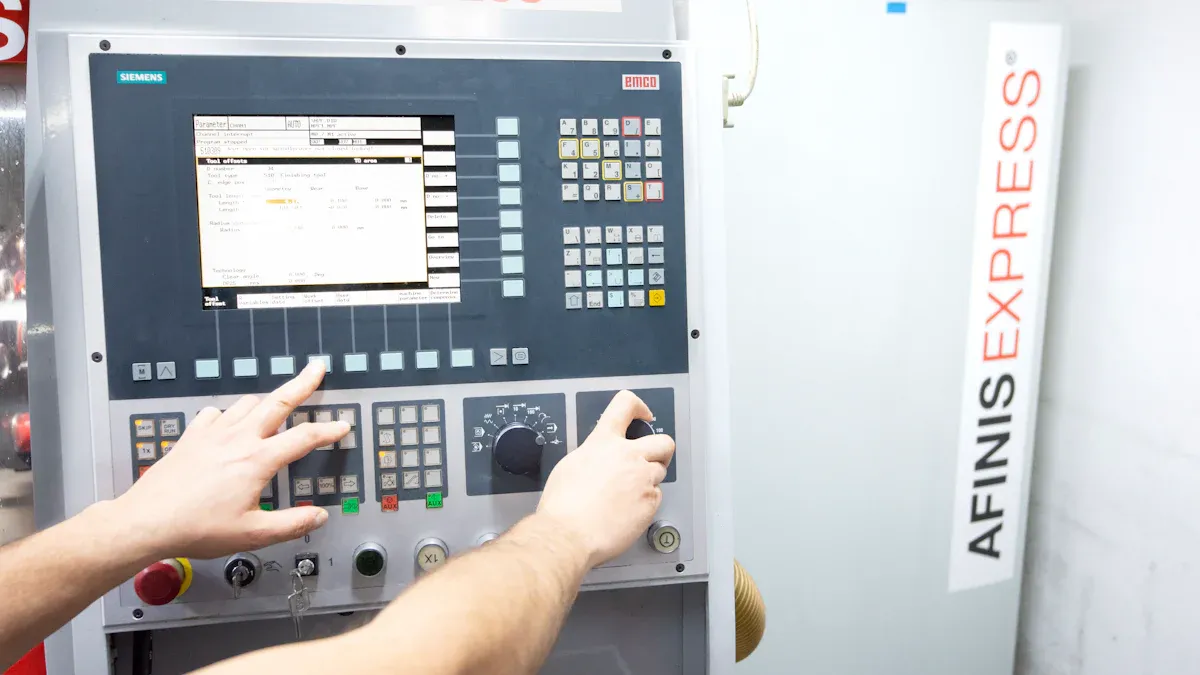
The global manufacturing landscape depends on advanced Computer Numerical Control (CNC) systems. Several international brands lead in this critical technology. Heidenhain, Fagor, and Siemens are among the most recognized names in the industry. Each brand brings distinct features and strengths to the table, serving a wide array of industrial applications. Understanding their core capabilities helps in selecting the right cnccontroller for specific needs. For example, Siemens offers comprehensive automation solutions, while Heidenhain excels in precision measurement. The table below outlines some key features and strengths of these leading brands.
| CNC System | Key Features & Strengths |
|---|---|
| Heidenhain | - High-speed, high-precision, high-reliability - TNC CNC system with intelligent manufacturing functions - High-accuracy encoders, controls up to 18-axis machine tools |
| Siemens | - Global leader in electrical engineering - SINUMERIK CNC system with popular to high-end solutions - Modular design, integrated drive systems |
| Fagor | - Extensive experience in CNC and measuring systems - Strong software, diverse products for customized solutions - High-speed, high-precision with nanometer resolution |
Key Takeaways
- Heidenhain systems offer top precision. They are best for complex tasks like mold making.
- Siemens provides strong automation. It integrates well for mass production and complex machining.
- Fagor systems are flexible and cost-effective. They work for general tasks and updating old machines.
- Precision and accuracy are key for good quality. They ensure parts meet exact needs.
- Reliable CNC systems save money. They keep machines running and reduce breakdowns.
- Easy-to-use interfaces help workers. They make programming faster and reduce mistakes.
- New tech like AI and IoT improves CNC. It makes machines smarter and more efficient.
- Choose a CNC system carefully. Consider your needs, budget, and future goals.
Understanding Core CNC System Attributes
Precision and Accuracy in Manufacturing
Foundation of Quality Production
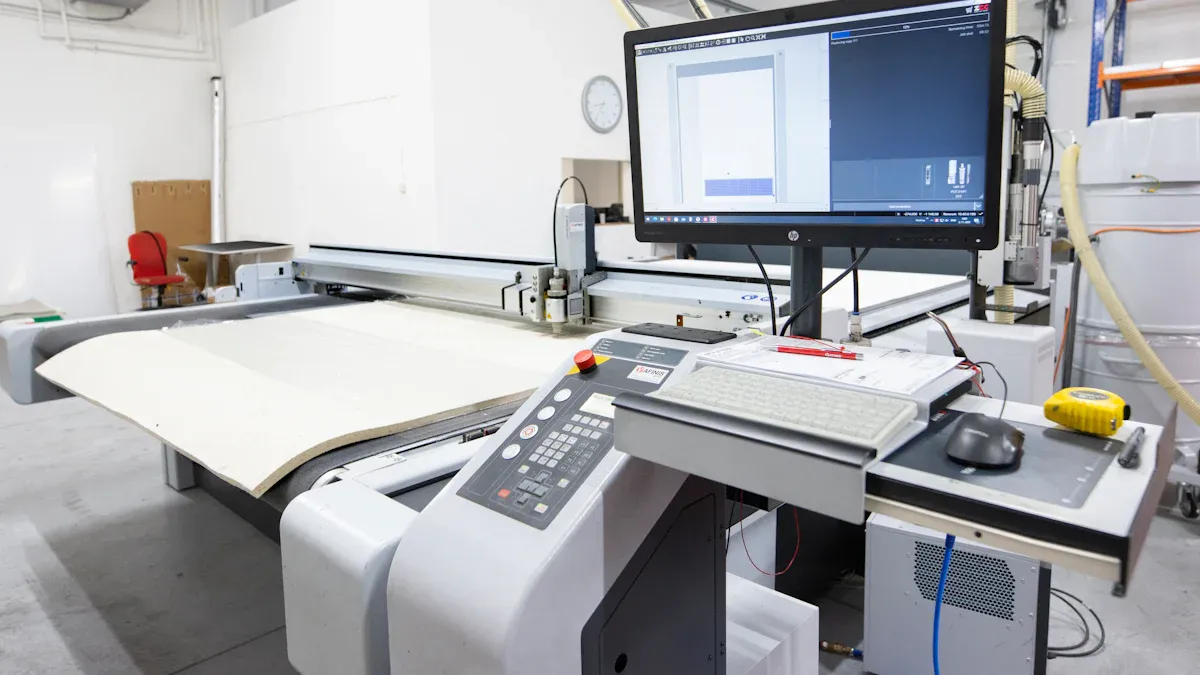
Precision and accuracy form the bedrock of quality production in CNC manufacturing. These attributes ensure that machines consistently produce parts meeting exact specifications. High-quality output directly depends on a CNC system's ability to perform with minimal deviation. Manufacturers rely on these capabilities to deliver components that fit perfectly and function as intended.
Role of Feedback Systems
Feedback systems play a crucial role in achieving high precision and accuracy. These systems continuously monitor machine movements and tool positions. They compare actual performance against programmed instructions, making real-time adjustments. Precision in machining is characterized by repeatability. This focuses on how consistently a part can be produced to the same dimensions across multiple runs. It emphasizes the spread of data points, or how closely multiple measurements cluster together, indicating the reproducibility of measurements. Accuracy, conversely, refers to how close a part's measurements are to the intended target value or 'true' specification. It focuses on the deviation from the standard value. To measure accuracy, one compares measurements against the true or intended value, often calculated using the formula: Accuracy = ((Measured Value - True Value) / True Value) × 100%. High-resolution encoders and advanced sensors are common components of these feedback loops. They provide the critical data necessary for the CNC controller to maintain tight tolerances.
Reliability and Durability for Operations
Criticality of Machine Uptime
Machine uptime is critical for efficient manufacturing operations. Every minute a CNC machine is not running represents lost production and potential revenue. Reliable CNC systems minimize unexpected breakdowns, ensuring continuous workflow. This directly impacts a company's productivity and profitability. Manufacturers prioritize systems known for their robust construction and stable performance.
Factors for System Longevity
Several factors contribute to a CNC system's longevity. High-quality components, superior engineering, and effective thermal management all extend a machine's operational life. Mean Time Between Failures (MTBF) is a key metric for reliability. For example, a critical CNC machine running 16 hours a day, 5 days a week, over a 4-week period (320 scheduled hours) might experience 3 failures with 18 hours of downtime. This results in 302 hours of operational uptime and an MTBF of 100.67 hours. This means the machine ran for just over 100 hours on average before failing. However, a universal 'good' MTBF does not exist. Benchmarks are highly industry-specific and even asset-specific. A 100-hour MTBF might be acceptable for rugged mining equipment but catastrophic for a data center server. Instead of arbitrary numbers, manufacturers focus on internal benchmarking, continuous improvement, asset criticality (higher MTBF for more critical assets), and industry standards for general guidance. Regular maintenance and proper operating conditions also significantly enhance durability.
User Interface and Programming Efficiency
Impact on Operator Productivity
A well-designed user interface (UI) significantly impacts operator productivity. Intuitive interfaces reduce training time and minimize errors. Operators can quickly understand machine status, input commands, and troubleshoot issues. This ease of use allows them to focus on optimizing production rather than struggling with complex controls. Clear visual displays and logical menu structures are essential for efficient operation.
Benefits of Advanced Programming
Advanced programming features offer substantial benefits. They enable complex machining operations with greater ease and speed. Features like conversational programming, simulation tools, and integrated CAD/CAM capabilities streamline the entire process. These tools help programmers create efficient tool paths, detect potential collisions, and optimize cutting parameters before actual machining begins. This reduces setup times, material waste, and overall production costs.
Technological Innovation in CNC
Integration of AI and IoT
CNC manufacturing constantly evolves with new technologies. The integration of Artificial Intelligence (AI) and the Internet of Things (IoT) significantly impacts CNC performance. AI-driven machine learning optimizes tool usage. It tracks and corrects quality issues. It also self-reports maintenance needs. This brings advanced capabilities to CNC machining. IoT connects CNC machines into a network. This allows for real-time data sharing and analysis. It enables proactive maintenance and predicts potential issues. This optimizes operational efficiency for smarter manufacturing processes.
AI also makes CNC robotics more accessible and efficient. It simplifies robot programming and enables real-time decision-making. This lowers adoption barriers for businesses of all sizes. Manufacturers use AI co-pilots in CAM programs. Generative design in CAD packages explores design alternatives based on constraints. This significantly reduces product development times and costs.
Future Trends in Machining
Future trends in machining point towards even greater automation and intelligence. Cloud-based CNC programming allows manufacturers to store and access CNC programs and production data remotely. This facilitates collaboration and adaptive machining. It also enhances data security and predictive maintenance. Digital twins, which are highly detailed virtual replicas of physical machines, enable manufacturers to visualize and refine operations without disrupting production. This reduces time, cost, and errors in testing.
The industrial metaverse integrates technologies like AI, IoT, and cloud computing. It provides real-time insights and end-to-end visibility in manufacturing. This creates immersive virtual environments for research and development. It also improves efficiency for frontline workers through augmented and mixed reality technologies.
Global Support and Service Importance
Essential for International Operations
Global support and service are crucial for manufacturers operating internationally. Companies often have facilities in different countries. They need consistent and reliable support for their CNC systems. This ensures minimal downtime and continuous production across all locations. A strong global support network helps maintain operational efficiency worldwide. It also protects investments in advanced machinery.
Types of Manufacturer Support
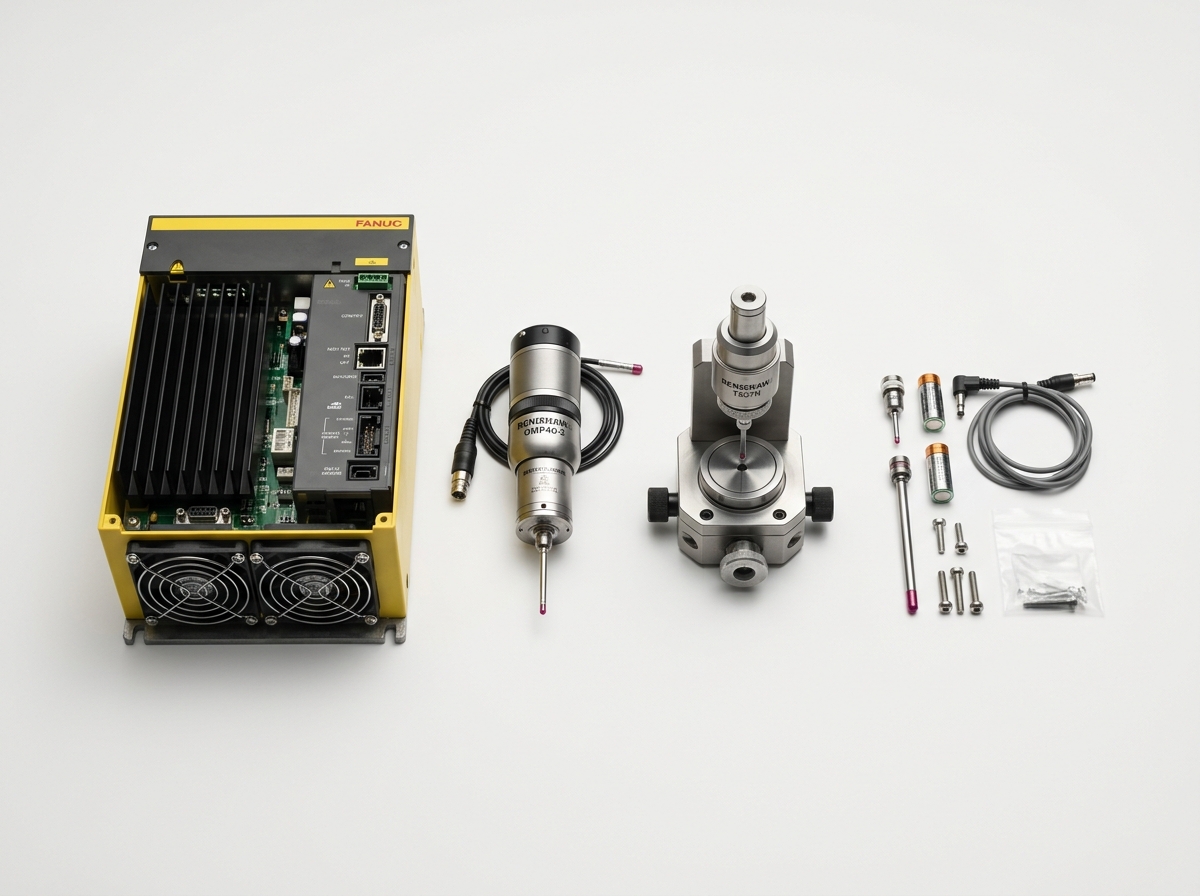
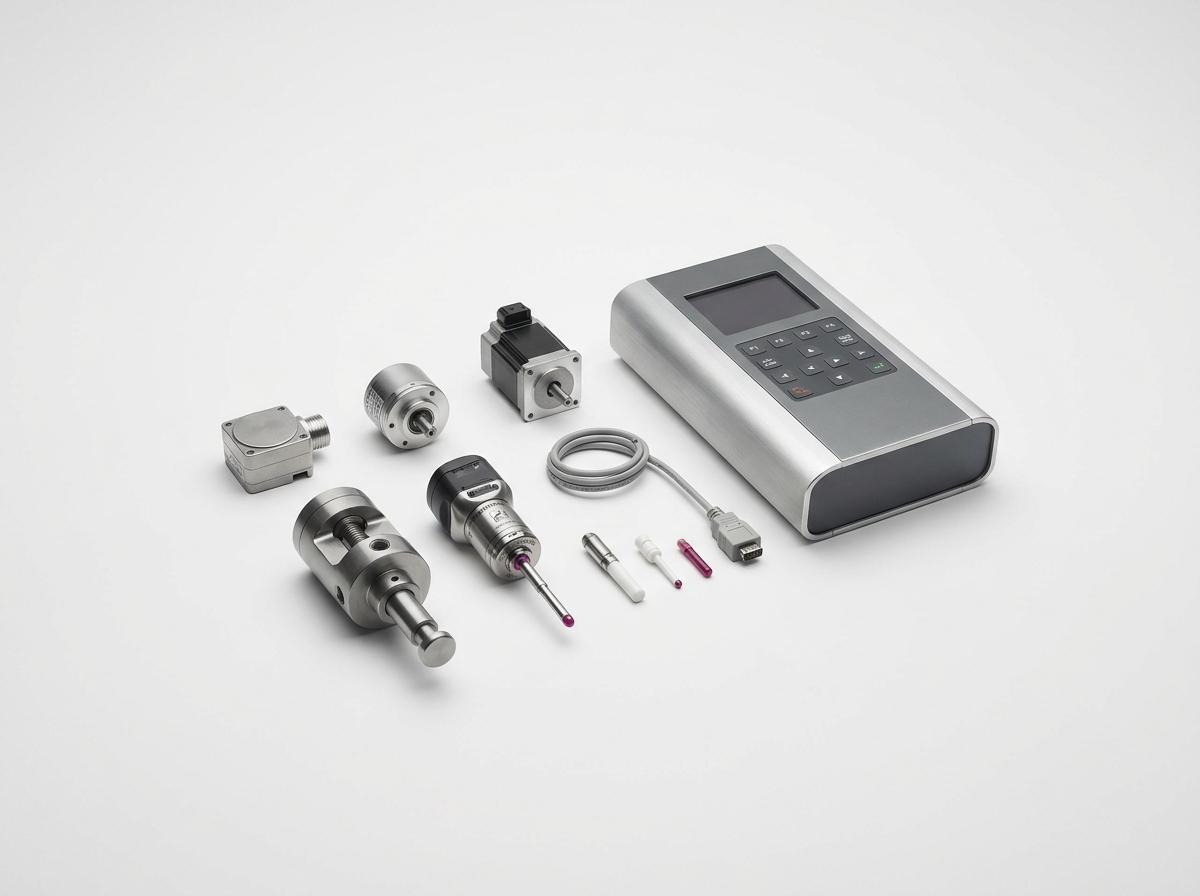
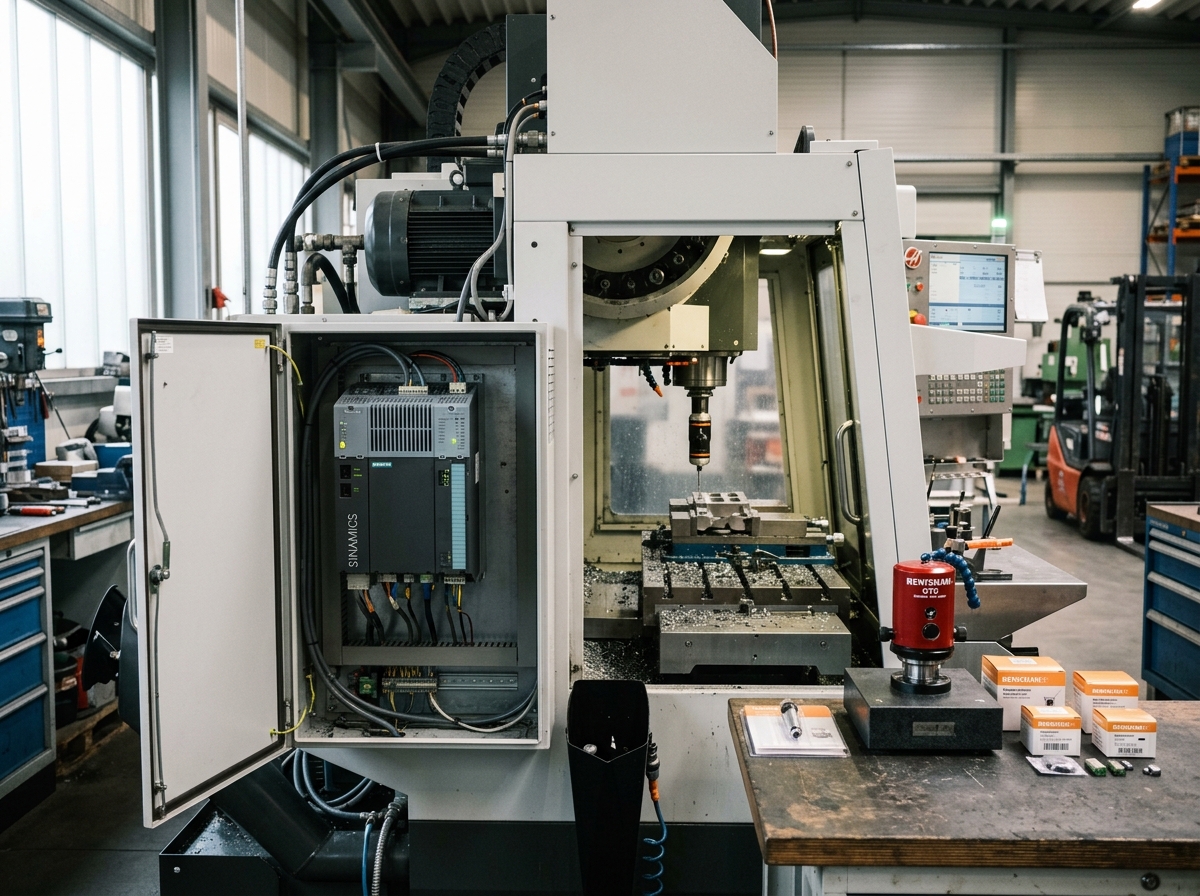
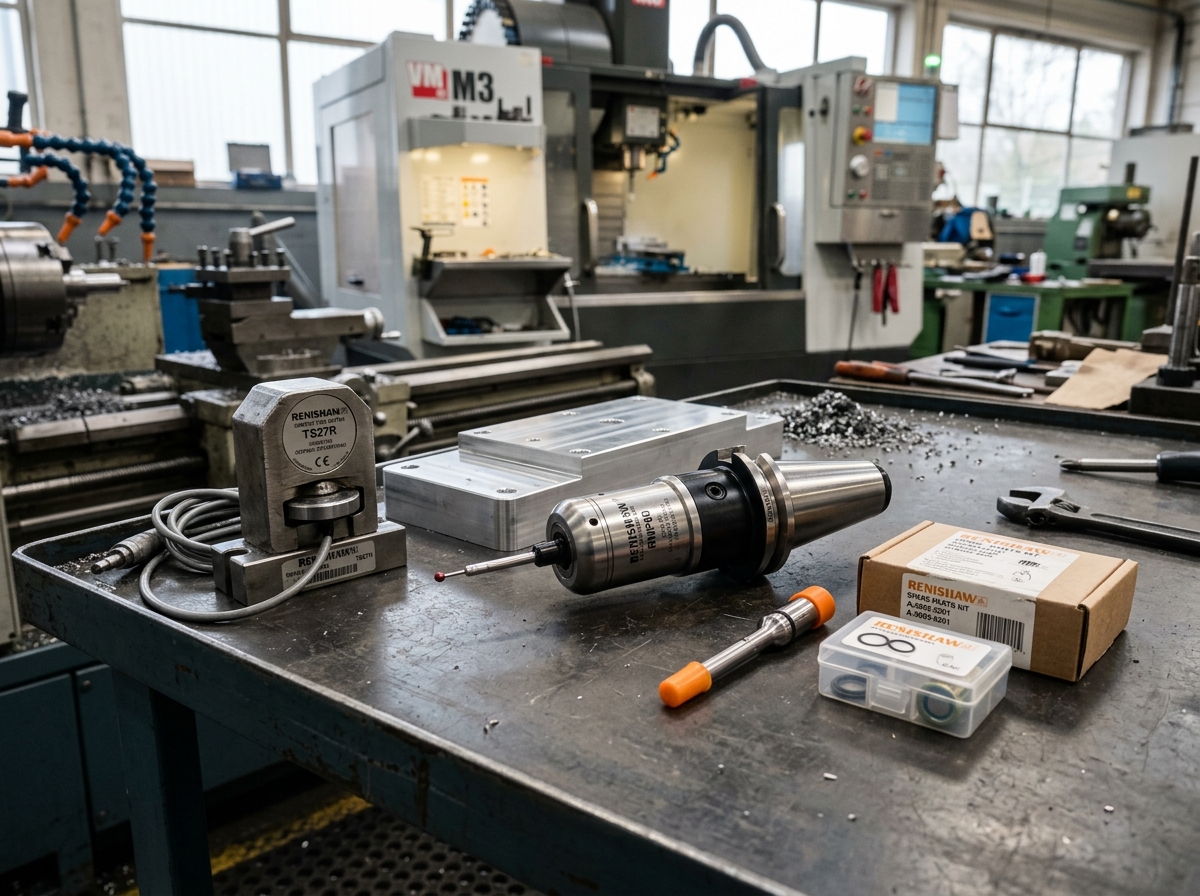
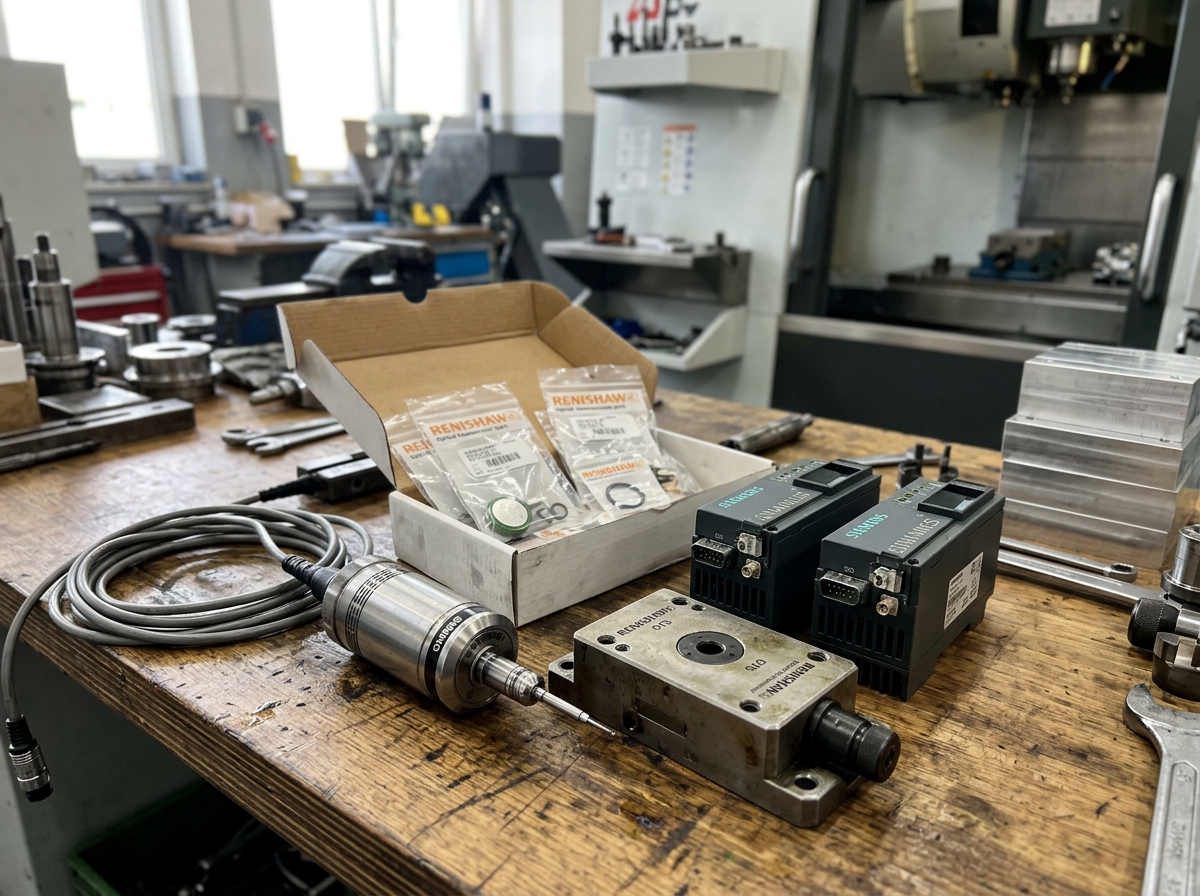
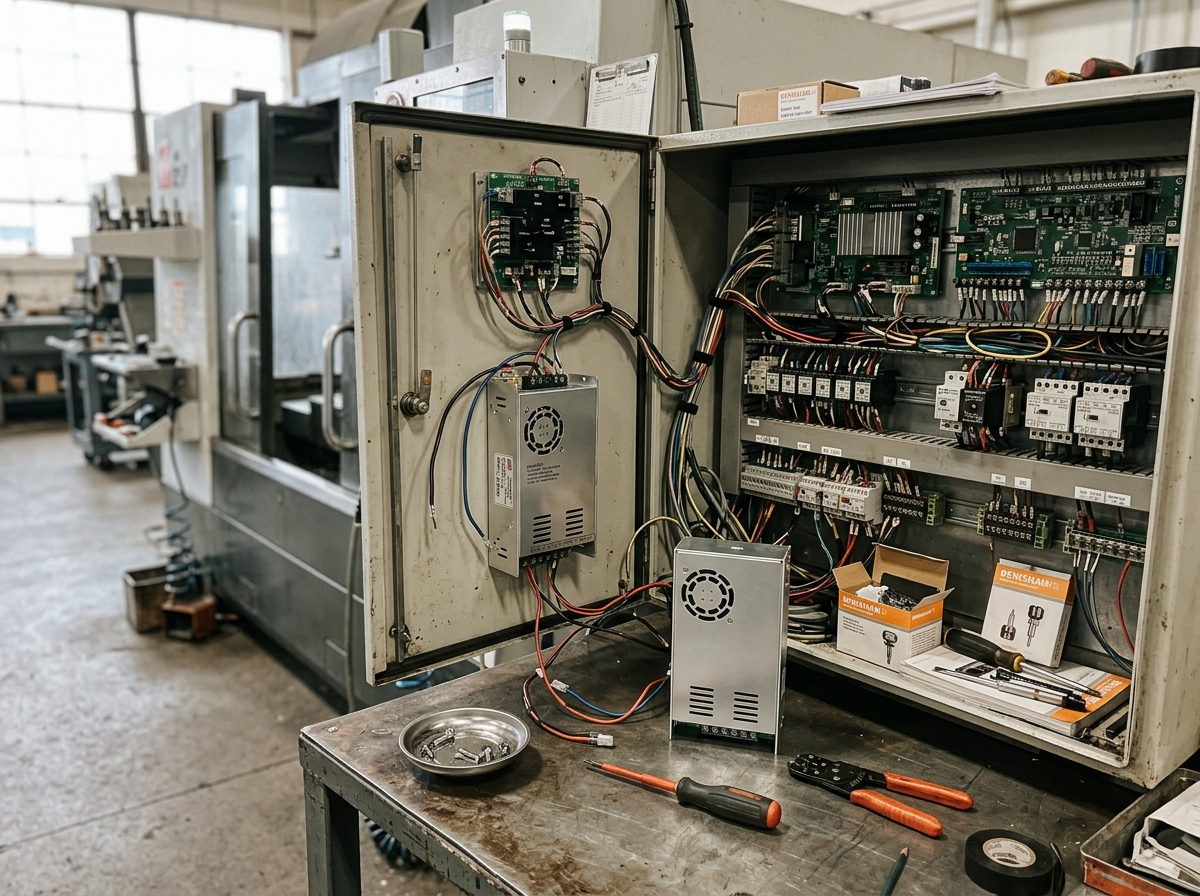
Manufacturers offer various types of support to their customers. They typically provide parts orders with a one-day turnaround. This ensures quick access to necessary components. Field service technicians aim to arrive within 24 hours for on-site assistance. This helps resolve complex issues quickly. The goal is to return machinery to production within an average of three days. Phone calls to technical support usually receive a response in a few minutes or less. Consistent queue times longer than two minutes often indicate a potential issue with support services. DingYan Machinery works with official agents to ensure original parts. They supply parts for global brands like RENISHAW, FANUC, SIEMENS, HEIDENHAIN, and FAGOR. They offer all parts for famous CNC controller brands. This includes systems, motor modules, servo drivers, encoders, and circuit boards. DingYan Machinery aims to be a one-stop CNC machine tool accessories supplier. They integrate all famous CNC machine system brands. Their strict service standard makes them a professional provider.
Heidenhain: Precision and Dynamic Control
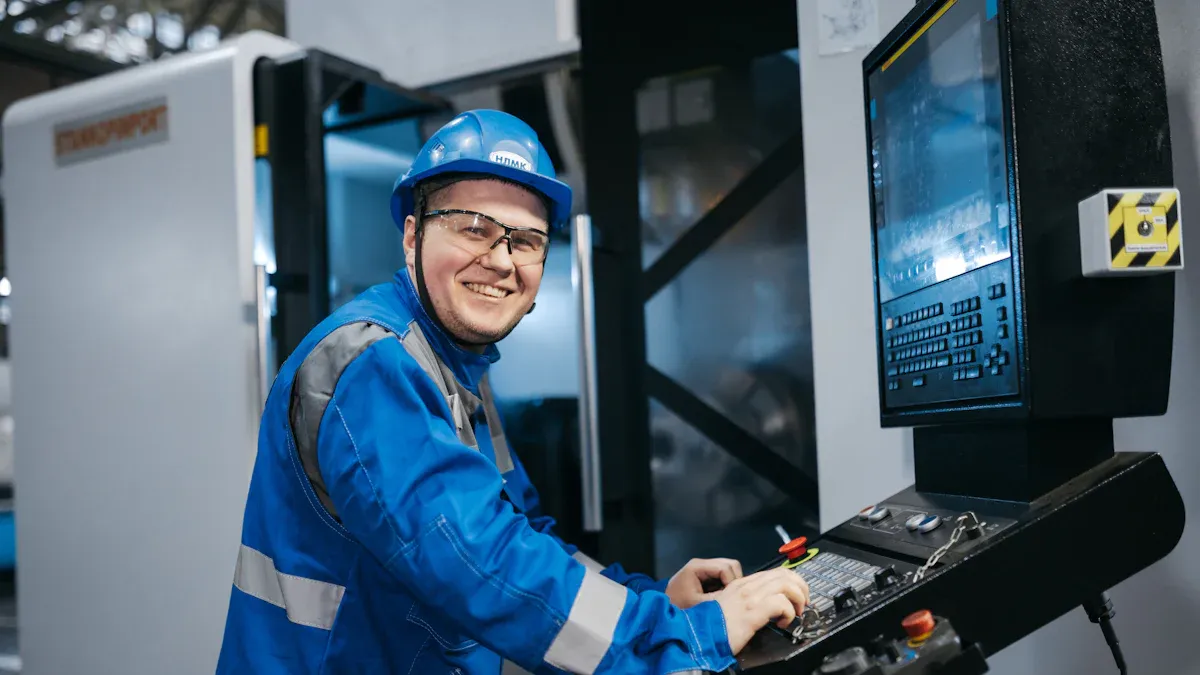
Heidenhain systems are renowned for their exceptional precision and dynamic control in manufacturing. They offer advanced solutions for demanding machining tasks. Manufacturers trust Heidenhain for high-end applications.
Key Features of Heidenhain Systems
Heidenhain CNC systems provide practical, versatile, and high-performing controls. They support complex milling, turning, and grinding operations. These systems are well-suited for HSC (High-Speed Cutting) and 5-axis simultaneous operations. They deliver perfect surface quality, exceptional accuracy, and short machining times. Heidenhain also integrates 'Connected Machining' for easy data usage and transparent processes.
High-Resolution Encoders
Heidenhain utilizes high-resolution encoders. These encoders measure the actual position of an axis. They compensate for mechanical effects from the drive system. This increases workpiece accuracy. Heidenhain offers a range of highly accurate encoder solutions. These include redesigned RCN 2001 optical angle encoders and new generation modular ERA angle encoders. These encoders feature HSP 1.0 signal processing ASIC for interference compensation.
TNC Controls and Dynamic Efficiency
Heidenhain's TNC controls offer advanced motion control for five-axis milling. They include in-process dynamic collision monitoring for milling tools. Axial error compensation is also a standard feature. The TNC controls feature Dynamic Precision functions. These functions compensate for dynamic errors and maximize accuracy. For example, CTC compensates for acceleration-based position error. MVC dampens low-frequency machine vibrations through AVD (active vibration damping) and FSC (model-based vibration damping). PAC, LAC, and MAC adapt controller parameters based on position, load, or motion parameters.
| Feature / Model | General HEIDENHAIN Controls | TNC7 | TNC 640 |
|---|---|---|---|
| Machine Types | Milling, turning, highly complex machining centers | Milling, milling-turning, machining centers | Milling, milling-turning, machining centers |
| Control Loops | N/A | Up to 24 | Up to 24 |
| Machining Capabilities | Practical, versatile, high-performing | 5-axis, HSC, grinding, hobbing, gear cutting | 5-axis, HSC, hobbing, gear machining, grinding |
| User Interface | Convenient initial setup, ease of use | Future-proof, task-focused multi-touch | Multi-touch screen |
| Key Benefits | Exceptional performance, ease of use | New level in CNC control | High all-round productivity |
Strengths of Heidenhain Technology
Heidenhain technology enhances precision in machining. It ensures reliable processes for exact, dynamic, and efficient production.
Unmatched Accuracy and Robustness
Heidenhain's closed-loop control is crucial for precision machining. It addresses thermal error, a primary cause of position error in modern machine tools. This system detects and compensates for thermal changes in the feed mechanism. It ensures dimensional and contour accuracy for both one-off parts and large-batch production. This is especially important in complex five-axis machining. The 3D-ToolComp function in TNC controls compensates for circularity errors in radius cutter geometry. This ensures perfect contours.
Specialization for High-End Machining
Heidenhain offers several ways to improve machine quality. It meets the growing need for higher machining tolerances. This includes compensating for motion errors. It also provides advanced control functions for dynamic performance and accuracy. For instance, CTC (Compensation of acceleration-related position errors) enhances accuracy. AVD (Active Vibration Damping) improves surface quality. PAC, LAC, and MAC adapt control parameters based on position, load, or motion. The Component Monitoring option for TNC controls protects processes and machines from equipment failure. It continuously monitors spindle bearing load. It also cyclically monitors feed axes to detect wear or overload.
Ideal Applications for Heidenhain
Heidenhain CNC systems are ideal for applications demanding the highest levels of precision.
Tool and Mold Making
Tool and mold making require extreme accuracy. Heidenhain systems excel in these environments. They produce intricate shapes and smooth surfaces.
Medical Technology and Aerospace
Medical technology and aerospace industries demand flawless components. Heidenhain controls ensure the tight tolerances needed for these critical parts.
Precision Optics Manufacturing
Precision optics manufacturing benefits from Heidenhain's ability to achieve sub-micron accuracy. This ensures the quality of lenses and optical instruments.
Siemens: Integrated Automation Powerhouse
Siemens stands as a global leader in industrial automation. It offers powerful CNC solutions for diverse manufacturing needs. Siemens SINUMERIK systems provide comprehensive control and integration capabilities.
Key Features of Siemens SINUMERIK
SINUMERIK Controls Capabilities
Siemens SINUMERIK controls deliver high precision and accuracy. They ensure quality in complex machining operations. These systems seamlessly integrate with Siemens PLCs, HMIs, and drive systems. This creates a complete automation solution. SINUMERIK controls offer scalability. They suit machines from entry-level to advanced multi-axis equipment. SINUMERIK ONE, for example, uses digital twin technology. This allows for simulation and virtual commissioning. Users benefit from intuitive HMI software. This reduces training time. Siemens also provides global service and support. This includes worldwide parts, service, and technical assistance.
Integrated Drive Systems
Siemens integrates its drive systems directly with SINUMERIK controls. This ensures optimal performance and efficiency. This integration simplifies machine design and commissioning. It also enhances overall system reliability.
Digitalization Solutions
Siemens offers advanced digitalization solutions. Run MyVirtual Machine is a digital twin technology. It helps create, validate, and optimize NC programs virtually. This reduces setup time by up to 20%. It also minimizes production risks and enhances training. The Enhanced Machine Control Panel (MCP) features larger screens. These include 12.1-inch and 15.6-inch options. It has robust mechanical keys and customizable interfaces. Advanced connectivity includes an X120 interface. This allows seamless connections to external devices. The Ctrl-E key combination provides energy efficiency analysis. This offers transparent energy consumption data. Robust cybersecurity features protect against manipulation and product piracy. These include security archives, user management, and certificate storage.
Strengths of Siemens CNC
Comprehensive Portfolio and Scalability
Siemens provides a comprehensive portfolio of CNC solutions. This allows for scalability across various machine types and production demands. Manufacturers can find solutions for simple to highly complex tasks.
Integration with Automation Ecosystems
Siemens CNC systems integrate well within broader automation ecosystems. Smart Prepare focuses on job preparation and CNC program generation. It uses software like Sinutrain for offline programming and simulation. Smart Operate enhances usability with touch control and improved user interfaces. Smart IT facilitates access and management of job-related documentation. This includes component programs and DXF drawings. Smart Mobile allows monitoring and control using mobile devices. Siemens also determines OEE parameters. It acquires machine states from the production environment. This increases shop floor productivity. It evaluates operating data from various machine types and manufacturers. This supports diverse concepts and technologies. Siemens enables programming, operation, and diagnostics for both the machine and the robot on a single CNC control. This eliminates the need for a separate robot pendant.
Ideal Applications for Siemens
Mass Production and Automotive
Siemens CNC systems are ideal for mass production and automotive industries. They handle high-volume manufacturing efficiently. They also manage handling in transfer lines and rotary indexing machines.
General Machining Operations
Siemens supports a wide range of general machining operations. These include milling, turning, drilling, and grinding. It also covers laser-cutting, nibbling, stamping, and shop floor manufacturing.
Complex Multi-Axis Machining
Siemens excels in complex multi-axis machining. This includes multi-tasking machines like mill-turning and turn-milling. It also serves tool- and moldmaking, high-speed-cutting applications, and wood and glass processing. Other applications include composite machining, medical part, and power generation manufacturing. Siemens offers a premium CNC system for multitasking machines. ProgramSYNC provides easy and efficient synchronization of multi-channel machining operations. Simulation capabilities allow easy visualization of multi-channel machining.
Fagor: Innovation and Flexibility
Fagor CNC systems offer innovative solutions with remarkable flexibility. They provide advanced technology for various manufacturing needs. Fagor focuses on adaptability and user-friendly interfaces.
Key Features of Fagor CNC Systems
Fagor CNC Systems and Digital Drives
Fagor CNC systems come equipped with advanced features for high-speed machining. These features ensure excellent surface finish and maximum accuracy. The systems feature a 10.4-inch high-resolution LCD TFT Color or touch screen. They also include Ethernet, USB, and Tele-Diagnosis capabilities. Fagor CNCs can control up to 6 axes and 3 separate spindles with two different execution channels. They also include an auto-tuning system setup. These systems achieve block processing speeds of less than 1 millisecond. They offer advanced high-speed block look-ahead and nano-metric resolution.
Fagor also uses Adaptive Real-time Feed & Speed control (ARFS). This system analyzes machining conditions like spindle load, servo power, and tool tip temperature. It adapts axis feedrate and spindle speed for maximum productivity. This reduces cycle time, improves part finish, and extends tool and motor life. High Speed Surface Accuracy (HSSA) reduces mechanical stress and increases machine tool lifespan. It offers three submodes: FAST, CONTERROR, and SURFACE. An on-board Bode Diagram Tool measures machine frequency response to filter vibrations. HSC Dynamic Override allows users to adjust override settings during cycle execution.
Fagor systems utilize the new Sercos III Servo Bus with Industrial Ethernet technology at 100 MBd. This allows better integration of multi-axis functions. They are full digital, supporting FeeDat, SSI, and other real-time serial communication protocols for feedback inputs. This offers nanometer resolution. The CNC platform is extremely compact, reducing size by approximately 45% to 60% compared to previous models. Fagor offers a wide range of monitors and keyboards. This provides maximum flexibility for designing machine control panels. A new VESA Mount installation system allows direct connection to various monitor sizes. Web Technology-based HMIelite facilitates easy programming and portability. The QUERCUS automation system is designed for vertical growth and adaptability.
Open Architecture Solutions
Fagor provides open architecture solutions. These solutions allow for greater customization and integration with other systems. This flexibility helps manufacturers tailor their CNC setups to specific production requirements.
Strengths of Fagor Technology
Adaptability and Cost-Effectiveness
Fagor technology offers strong adaptability. It provides solutions for both highly demanding and simpler applications. This makes Fagor a cost-effective choice for many businesses. Manufacturers can find systems that fit their budget and operational needs.
User-Friendly Interfaces
Fagor systems feature user-friendly interfaces. These interfaces simplify operation and programming. This reduces training time for operators. Integrated manuals are directly accessible via help menus with automatic prompts. This makes troubleshooting and learning easier.
Ideal Applications for Fagor
General Machining and Retrofitting
Fagor CNC systems are suitable for general machining operations. They also work well for retrofitting older machines. Their adaptability makes them a good choice for upgrading existing equipment.
Education and Niche Markets
Fagor's flexible and customizable solutions serve education and niche markets effectively. They offer systems for alternative sectors like stone/wood cutting, grinding, bending, punching, and lasers.
| Application Type | Fagor CNC System | Key Features / Capacity |
|---|---|---|
| Highly Demanding Applications (general) | CNC 8070elite 2.0 OL | Up to 32 axes + spindles, 4 execution channels |
| Simpler Applications (general) | CNC 8060elite 2.0 GL | Up to 10 axes + spindles, 1 execution channel |
| Alternative Sectors (stone/wood cutting, grinding, bending, punching, saws, bending machines, lasers) | Customizable solutions | Up to 32 axes + spindles, 4 execution channels for highly demanding; up to 10 axes + spindles, 1 execution channel for simple |
| Laser Cutting Machines | CNC 8070elite L | High-speed cutting, specific HMI for cutting |
Comparative Analysis: Heidenhain, Siemens, Fagor
CNC systems are vital for modern manufacturing. Heidenhain, Siemens, and Fagor each offer distinct advantages. They cater to different industrial needs. Understanding their core strengths helps manufacturers choose the best system.
Precision Versus Versatility
Manufacturers often weigh precision against versatility. Each brand excels in one or both areas.
Heidenhain's Precision Excellence
Heidenhain systems are known for their exceptional precision. They provide the entire motion control system. This includes drives, scales, encoders, and motors. This comprehensive approach is crucial for achieving micro-accuracies and super surface finishes. This is especially important in demanding moldmaking. A machine equipped with Heidenhain scales can perform almost like a Coordinate Measuring Machine (CMM). This allows for pre-inspection directly on the machine. This level of accuracy ensures high-quality output for critical applications.
Siemens' and Fagor's Versatility
Siemens and Fagor offer great versatility. Siemens' 840D control has a very high-end TRAORI kinematic engine. This engine manages 5-axis trajectories effectively. It offers tremendous features for tuning. These include up to five individual notch filters. These filters mitigate resonances at the current loop level. Acceleration and jerk filters also prevent the machine from exciting its own resonances. These tools enable high-speed machining of complex shapes. They work well even with very short path segments in G-Code. Fagor also enhances versatility with its automatic servo tuning. This feature significantly improves precision when machine setups change. For example, it helps when adding unusual weight to the machine table. This adaptability makes Fagor systems suitable for a wider range of tasks.
Unique Technological Advancements
Each brand continually innovates. They introduce new technologies to improve performance.
Innovations from Each Brand
Heidenhain's iTNC 530 control system is a high-end, general-purpose control. It processes data eight times faster than previous TNC series. This system includes a Fast Ethernet communication interface. This allows program data transfer at 100Mbit/s, ten times faster than before. A new program editor also features large program editing capabilities. It quickly inserts and edits information blocks within the iTNC 530 system.
Siemens CNC systems feature a modular structure design. This provides economic flexibility. It also offers adaptability to various machine tool needs. Different software configurations run on standard hardware. Siemens applies microelectronic technology. It incorporates large-scale integrated circuits (LSI) and surface-mount devices (SMC). This leads to more compact structures, stronger performance, and lower prices. Siemens also uses SIMATICS series programmable controllers. These controllers utilize SYEP programming language. They offer rich human-machine dialogue functions and multi-language display.
Fagor's 8065 CNC Control system uses the Q7 platform. This platform offers more powerful and compact hardware. The HMIelite user interface is a new portable interface for the 8065 CNC Control system. It enhances its library of tools. Fagor also uses Series 3 linear encoders with AI optical technology (3Statech). This technology improves thermal and vibration resistance. It features a smaller reader head. It also offers high accuracy (3 μm) and resolution (10 Nm).
Addressing Manufacturing Challenges
These innovations directly address common manufacturing challenges. Faster data processing and communication reduce cycle times. Advanced tuning features improve surface finish and part accuracy. Modular designs and open architectures offer flexibility. They allow manufacturers to adapt to changing production needs. These technological advancements help overcome issues like machine resonance, thermal errors, and complex programming. They lead to more efficient and reliable production.
Target Markets and Industry Focus
Each brand targets specific markets. Their systems are designed to meet the unique demands of these industries.
Matching Systems to Jobs
Fagor Automation introduced the CNC8058 Turnkey Package. This package upgrades manual machines to fully automated CNC systems. It features HD graphics, Windows 10, and conversational programming. The package includes precision ball screws, powerful motors, and a built-in CAD/CAM system. Fagor also collaborated with GEKA to launch the Fagor Digital Suite. This modular digitalization platform enhances manufacturing processes. It improves efficiency, precision, and productivity in production environments. Fagor systems serve diverse sectors. These include aerospace, automotive, woodworking, healthcare, jewelry, and the food industry. They also cater to metalworking machinery, the machine tool market, and cutting and material contouring applications in glass, wood, and and plastic.
Influence on Product Development
Heidenhain specializes in precision measurement and control technology. It offers high-quality CNC controls and feedback systems. Its market position is strengthened by strong partnerships. It focuses on high-precision applications. This is particularly true in the aerospace and automotive industries. Siemens is recognized for its high-performance CNC systems. These systems seamlessly integrate with industrial automation. Their offerings prioritize precision and efficiency. This makes them popular in industries demanding high productivity. Siemens also invests significantly in research and development. This maintains its technological leadership. The specific needs of these target markets heavily influence each brand's product development. They drive continuous innovation in precision, speed, and integration.
Cost-Benefit Analysis
Manufacturers carefully consider the financial aspects of CNC systems. They look at both the initial price and the long-term financial gains. A thorough cost-benefit analysis helps them make smart decisions.
Investment vs. Long-Term Value
Buying a CNC system represents a significant investment. The initial purchase price includes the machine itself, software, and installation. However, manufacturers should not only focus on this upfront cost. They must also consider the long-term value the system provides.
A higher initial investment often brings greater long-term benefits. More expensive machines typically offer superior precision, durability, and advanced features. These qualities lead to reduced operational costs over the machine's lifespan. For example, a machine built with robust components requires fewer repairs. This saves money on parts and labor. High-precision systems also produce fewer defective parts. This reduces material waste and rework expenses.
Consider the lifespan of the equipment. A durable CNC machine operates reliably for many years. This extends its productive life and delays the need for replacement. Advanced features, like automation capabilities, can also reduce labor costs. They allow one operator to manage multiple machines. Therefore, a seemingly higher initial investment can result in substantial savings and increased efficiency over time.
Return on Investment
Return on Investment (ROI) measures the financial benefit gained from an investment. For CNC systems, a strong ROI comes from several factors. These factors include increased productivity, reduced waste, and improved product quality.
A high-performing CNC system significantly boosts production speed. It completes tasks faster and more efficiently. This means manufacturers can produce more parts in less time. This directly translates into higher sales and revenue. The system also minimizes errors and material waste. Less waste means lower material costs and fewer resources spent on correcting mistakes.
Improved product quality also contributes to ROI. High-precision machines consistently produce parts that meet exact specifications. This leads to fewer customer complaints and returns. It also enhances a company's reputation for quality. This can attract more business.
Furthermore, a reliable CNC system reduces downtime. Less time spent on repairs or maintenance means more time for production. This maximizes the machine's earning potential. Advanced programming features also streamline operations. They reduce setup times and optimize tool paths. These efficiencies all add up to significant financial gains. Ultimately, a well-chosen CNC system pays for itself through increased output, lower costs, and higher quality products.
Choosing the Right CNC System
Selecting the right CNC system is a critical decision for any manufacturing operation. This choice directly impacts productivity, product quality, and overall profitability. Manufacturers must carefully evaluate several factors to ensure the chosen system aligns with their specific needs and long-term goals.
Application Requirements and Production Needs
Understanding the specific application requirements and production needs is the first step in choosing a CNC system. This involves a detailed assessment of current and future operational demands.
Matching System Capabilities
Manufacturers must define their objectives and goals clearly. This includes understanding the types of products they will manufacture and the materials they will use. They also need to consider the anticipated production volume, the required precision, and the complexity of the parts. The budget for both purchase and operation is also a key factor.
The machine type and configuration should align with specific tasks. Common types include milling, turning, laser cutting, plasma cutting, or router machines. The number of axes, such as 3-axis, 4-axis, or 5-axis, also plays a role. The physical size and workspace of the machine must accommodate current and future workpieces. This ensures the table size and travel distances meet all requirements. Compatibility and availability of necessary tooling are also crucial. This includes tool holders, cutting tools, clamps, and fixtures. The choice of control system, whether proprietary or industry-standard, impacts programming ease and technical support. CAD/CAM software must be compatible, and the team must be proficient in its use.
Essential Machining Capabilities
A CNC system must possess essential machining capabilities to meet production demands. These capabilities include the ability to handle specific materials, achieve required tolerances, and execute complex tool paths. For example, a system designed for high-speed cutting will have different capabilities than one optimized for heavy-duty milling. Evaluating these capabilities ensures the machine can perform the necessary tasks efficiently and accurately.
Budget and Total Cost of Ownership
Financial considerations are paramount when investing in a CNC system. Manufacturers must look beyond the initial purchase price to understand the total cost of ownership (TCO).
Initial Investment Components
CNC machine prices vary significantly. They can range from $2,000 for basic models to over $3,000,000 for advanced industrial machines. This range depends on the machine's type, size, capabilities, and additional features like advanced software or hardware.
The typical installed cost for various CNC machines shows this wide range:
| Machine Type | Typical Installed Cost (USD) |
|---|---|
| Desktop/Shop Routers (wood/plastics) | $5,000 – $60,000 |
| 3-Axis VMC (job-shop ready) | $80,000 – $150,000 |
| Fiber Laser Cutter | $150,000 – $300,000+ |
| Industrial Multi-Axis / Heavy Systems | $300,000+ |
Other costs include tools, accessories, licenses, lubricants, coolants, twist drills, milling vises, inspection tools, staffing, material, and storage. Maintenance also adds hundreds to thousands of dollars.
TCO Across Brands
The total cost of ownership includes the initial purchase price, installation, training, operation, and maintenance. Over five years, the TCO typically adds 30% to 50% on top of the purchase price. This is due to ongoing expenses like software, cutting tools, energy, maintenance, and insurance. For example, a mid-range 3-axis VMC costing $140,000 installed might have fixed yearly ownership costs of about $24,700.
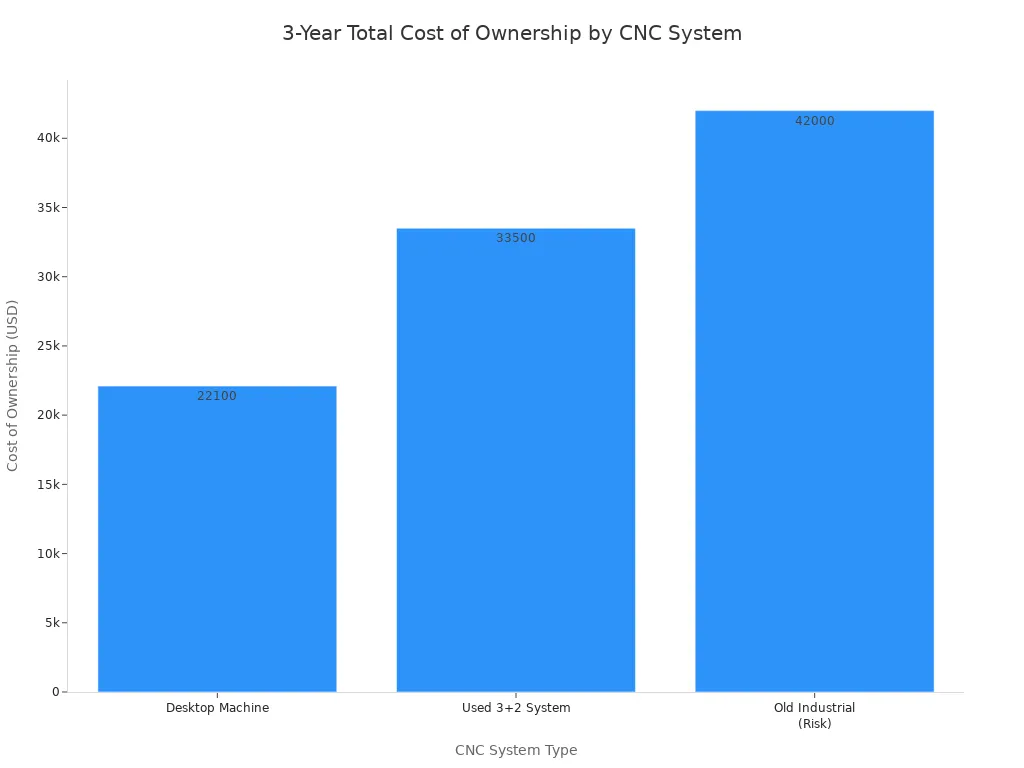
Here is a breakdown of annual costs and 3-year TCO for different CNC system types:
| CNC System Type | Annual Costs (Years 2-3) | 3-Year Total Cost of Ownership |
|---|---|---|
| Desktop Machine | ~$800 (Software renewal: $495, Tool replacement: $300) | $22,100 |
| Used 3+2 System | ~$3,500 (Software renewal: $2,000, Maintenance/repairs: $1,500) | $33,500 |
| Old Industrial (Risk) | ~$7,000+ (Major repair risk: $5,000+, Parts/maintenance: $2,000) | $42,000+ (Risk) |
Additional costs include tooling ($2,000-$5,000 for a basic 5-axis set) and software licensing ($3,000-$15,000 annually for CAM software). Installation costs range from $1,000-$3,000 for refurbished machines, plus potential three-phase power costs. Maintenance can be 10-20% of the purchase price annually for used equipment. Training costs $1,000-$5,000 per person. A budget rule suggests adding 50% to the machine cost for the first year and 20% annually for ongoing expenses.
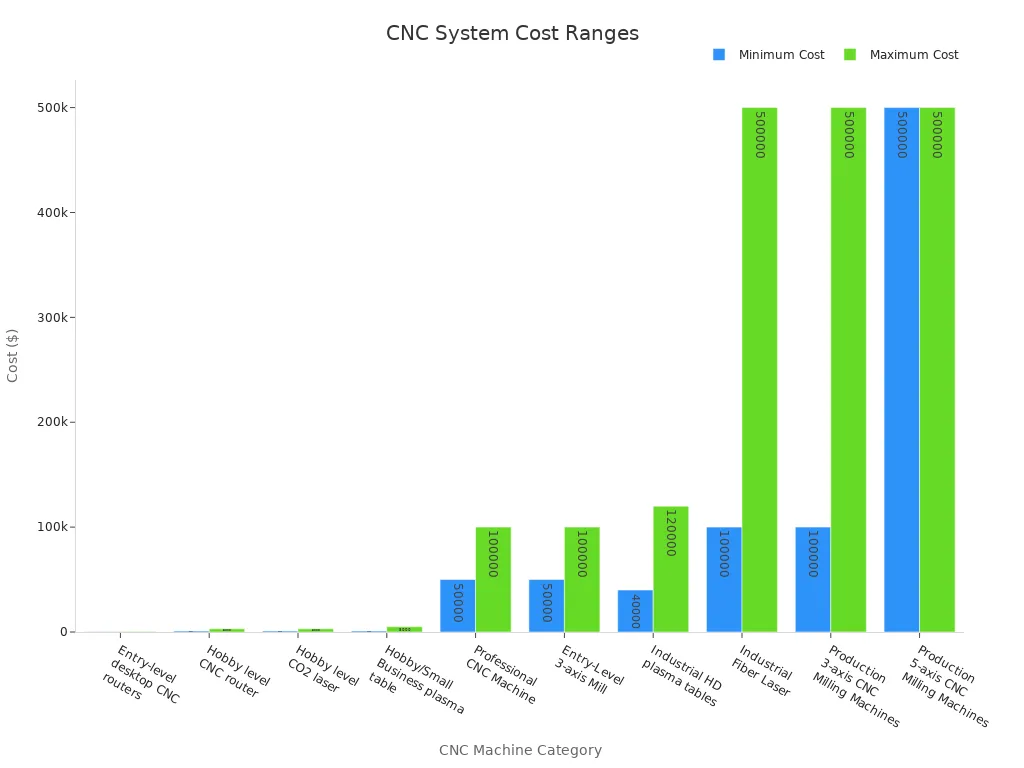
The cost ranges for different CNC machine categories also highlight the investment required:
| CNC Machine Category | Cost Range |
|---|---|
| Entry-level desktop CNC routers | $150 - $500 |
| Hobby level CNC router | $1,000 - $3,000 |
| Hobby level CO2 laser | $1,000 - $3,000 |
| Hobby/Small Business plasma table | $1,000 - $5,000 |
| Professional CNC Machine | $50,000 - $100,000 |
| Entry-Level 3-axis Mill | $50,000 - $100,000 |
| Industrial HD plasma tables | $40,000 - $120,000 |
| Industrial Fiber Laser | $100,000 - over $500,000 |
| Production 3-axis CNC Milling Machines | $100,000 - $500,000 |
| Production 5-axis CNC Milling Machines | Over $500,000 |
Operator Familiarity and Training
The human element is crucial for successful CNC operations. Operator familiarity with the chosen system and the availability of adequate training resources significantly impact productivity.
Impact on Productivity
An intuitive user interface and familiar programming methods can greatly enhance operator productivity. When operators are comfortable with a system, they can set up jobs faster, troubleshoot issues more efficiently, and make fewer errors. This reduces downtime and increases output. Conversely, a complex or unfamiliar system can lead to frustration, increased training time, and reduced efficiency.
Available Training Resources
Manufacturers offer various training resources to help operators become proficient with their CNC systems. These resources often include manuals, software, and video tutorials.
- Fagor: Free Fagor CNC manuals are available for download from the Fagor automation website. A training video on Fagor's Optima System (8058 CNC) is also available.
- Heidenhain: Free Heidenhain programming manuals and operator documentation are available for download. Specific manuals like TNCguide, MANUALplus 620/CNC PILOT 620, MANUALplus 4110, and CNC PILOT 4290 are listed. Heidenhain CNC Programming Station Software can be downloaded for free. 'The ABCs of DROs' from Acu-Rite Solutions, a HEIDENHAIN brand, provides a practical introduction to digital readout systems.
- Siemens: Sinumerik CNC Controls Manuals are available for free download from the Siemens website.
- General Training Software: EMCO WinNC software allows installation of multiple CNC control software, including Fanuc, Fagor, Heidenhain, and Sinumerik, on a single PC for training purposes.
These resources help ensure operators can quickly learn and effectively use the CNC system, maximizing its potential.
Future-Proofing and Industry 4.0
Investing in a CNC system also means considering its future relevance. Manufacturers must assess how well a system can adapt to evolving technologies and integrate with Industry 4.0 initiatives.
Scalability for Evolving Technologies
A future-proof CNC system offers scalability. It can adapt to new demands and technological advancements without requiring a complete overhaul. This includes the ability to upgrade software, integrate new hardware components, and support advanced machining processes. Systems with open architectures or modular designs often provide greater flexibility for future expansion and upgrades. This protects the initial investment and ensures the system remains competitive over time.
Integration with Industry 4.0
Industry 4.0 emphasizes connectivity, data exchange, and automation. A modern CNC system should seamlessly integrate into this smart manufacturing environment. This means supporting features like real-time data collection, remote monitoring, and predictive maintenance. Integration with AI and IoT technologies allows for optimized production, reduced downtime, and improved decision-making. Choosing a system that embraces these Industry 4.0 principles helps manufacturers stay at the forefront of technological innovation and maintain a competitive edge.
Future-Proofing and Industry 4.0
Investing in a CNC system means considering its future relevance. Manufacturers must assess how well a system adapts to evolving technologies. They also need to see how it integrates with Industry 4.0 initiatives.
Scalability for Evolving Technologies
A future-proof CNC system offers scalability. It adapts to new demands and technological advancements. This avoids requiring a complete overhaul. It includes the ability to upgrade software. It also integrates new hardware components. The system supports advanced machining processes. Systems with open architectures or modular designs often provide greater flexibility. This allows for future expansion and upgrades. This protects the initial investment. It also ensures the system remains competitive over time.
Integration with Industry 4.0
Industry 4.0 emphasizes connectivity, data exchange, and automation. A modern CNC system seamlessly integrates into this smart manufacturing environment. This means supporting features like real-time data collection, remote monitoring, and predictive maintenance. Choosing a system that embraces these Industry 4.0 principles helps manufacturers stay at the forefront of technological innovation. It also helps them maintain a competitive edge.
One company's journey to becoming a smart factory began with a strategic decision. They invested in the latest CNC technology. Since 2021, they have more than doubled their production capacity. They now operate 13 ultra-modern CNC machines. All these machines are digitally networked. These machines communicate with each other in real time. This enables precise coordination of production workflows. Integrating sensors and intelligent control systems allows continuous monitoring and optimization of production parameters. In their production hall, they implemented a fully networked manufacturing system. Every workpiece is digitally recorded and tracked throughout the entire production process. Their CAD/CAM systems connect directly to the production machines. This allows design changes to flow directly into manufacturing. The integration of artificial intelligence enables predictive maintenance. Potential machine servicing needs are identified and scheduled early. This prevents production downtime. Digitalization also changes the role of their employees. Instead of repetitive tasks, they focus on complex control operations and quality assurance. Their digital quality assurance sets new standards in the industry. State-of-the-art 3D measuring machines automatically capture all relevant quality parameters. They compare them in real time with the target specifications. These data are centrally stored and analyzed. This allows immediate identification and implementation of optimization potentials.
The integration of advanced sensors and IoT devices revolutionized CNC machine manufacturing. It created a highly interconnected and automated production environment. This allows real-time monitoring and control of processes. It enables machine shops to optimize efficiency and reduce waste. With Industry 4.0, CNC manufacturers now collect and analyze vast amounts of data. This leads to better decision-making and predictive capabilities. This translates into improved quality control. It also means more efficient operations. Ultimately, it provides a more competitive edge in the market. Industry 4.0 enabled CNC manufacturers to embrace adaptive manufacturing. This allows greater flexibility in production processes. Manufacturers easily adjust to changing customer demands and market conditions. This ensures a more agile and responsive production process. The use of real-time data analysis and predictive capabilities ensures CNC manufacturers maintain strict quality control standards. This results in higher-quality products, reduced waste, and increased customer satisfaction. The enhanced flexibility provided by Industry 4.0 technologies allows CNC manufacturers to respond more quickly to customer demands and market changes. This results in shorter lead times and improved overall service. Industry 4.0 enables CNC manufacturers to better utilize their resources. This results in cost reductions. Leveraging predictive maintenance, machine shops minimize downtime and maintenance costs. Adaptive manufacturing allows more efficient use of equipment and materials.
The integration of AI in the CNC industry is not an optional upgrade. It is a necessity for competitiveness in the rapidly evolving digital world.
- Efficiency and Productivity: Real-time data analysis allows immediate adjustments. This boosts efficiency and productivity.
- Performance: Machine learning, a subset of AI, allows continuous learning and adaptation. This improves machine performance over time.
- Cost-effectiveness: AI's predictive capabilities allow proactive maintenance. This results in cost savings by ensuring timely servicing.
- Continuous, automated optimization driven by machine learning and AI will shape the future of CNC machining. CNC systems will have enhanced predictive capabilities. They will become increasingly autonomous. They will require human intervention mainly for definition and refinement of parameters.
Heidenhain, Fagor, and Siemens stand as pillars in the international CNC market. Each brand offers distinct advantages. Heidenhain systems provide exceptional accuracy and high-speed, high-precision capabilities, crucial for complex geometries. Siemens delivers highly productive automation, ensuring increased accuracy and precision within 1/1000th, minimizing human error. Fagor offers innovation and flexibility. The optimal choice for manufacturers depends on specific application demands, budget, and strategic goals. Leveraging the best CNC technology ensures manufacturing success.
FAQ
What makes Heidenhain systems unique?
Heidenhain systems offer unmatched precision. They use high-resolution encoders. Their TNC controls provide dynamic efficiency. These features make them ideal for high-end machining. This includes tool and mold making.
How does Siemens integrate automation?
Siemens integrates its SINUMERIK controls with drive systems. They also offer digitalization solutions. This creates a comprehensive automation ecosystem. It supports mass production and complex multi-axis machining.
What are Fagor's main strengths?
Fagor technology is highly adaptable. It offers cost-effectiveness. Their systems feature user-friendly interfaces. Fagor provides open architecture solutions. This makes them suitable for general machining and retrofitting.
Why is precision important in CNC manufacturing?
Precision ensures quality production. It means machines consistently produce parts to exact specifications. Feedback systems, like high-resolution encoders, help maintain this precision. This reduces errors and waste.
How does Industry 4.0 affect CNC systems?
Industry 4.0 integrates AI and IoT into CNC. This allows real-time data analysis. It enables predictive maintenance. This leads to optimized production. It also improves decision-making for manufacturers.
What should I consider when choosing a CNC system?
Consider your application requirements. Think about production needs and budget. Evaluate the total cost of ownership. Also, assess operator familiarity and available training. Future-proofing and Industry 4.0 integration are important.