










FANUC's impressive global factory numbers revealed
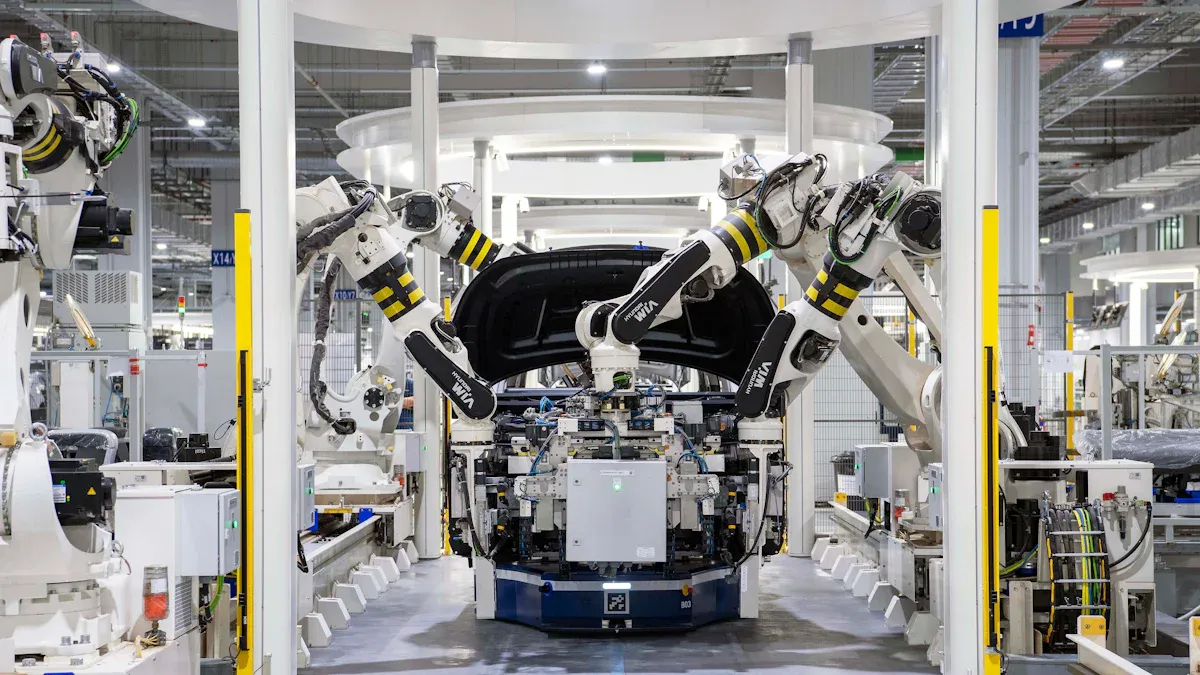
FANUC primarily manufactures its core products in Japan. Key facilities are located at the foot of Mount Fuji. While production is centralized, FANUC also operates strategic facilities globally. These facilities support specific regional needs and product lines. More than 1 million FANUC robots have been installed worldwide, demonstrating their significant global presence. FANUC holds an 11% market share in industrial robotics for 2025, showcasing its leadership. A reliable fanuc supplier is crucial for many industries. For those needing specific components, a dedicated fanuc spare parts supplier ensures smooth operations.
Key Takeaways
- FANUC makes most of its main products in Japan, near Mount Fuji.
- FANUC uses its own robots and machines to build more of its products. This is called 'Factory in a Factory'.
- This method helps FANUC make sure all its products are high quality.
- FANUC has factories around the world. These factories help meet local needs.
- FANUC has many research centers. These centers create new technologies for robots.
- FANUC ships parts and products all over the world quickly.
- FANUC makes robots, CNC systems, and other smart machines.
The Heart of FANUC's Production: Japanese Manufacturing Hubs
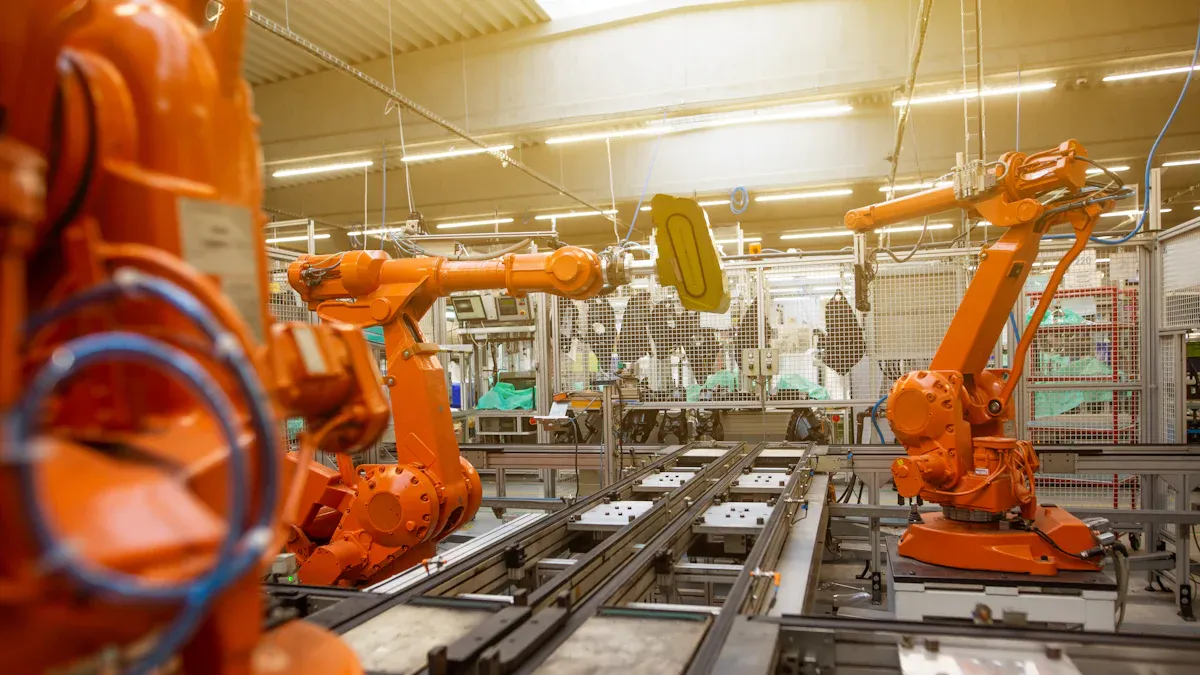
FANUC's manufacturing strength comes from its advanced facilities in Japan. These sites are crucial for the company's global operations. They ensure high-quality production and continuous innovation.
Oshino-mura, Yamanashi Prefecture: FANUC's Global Headquarters
Oshino-mura is the central point for FANUC's worldwide activities. This location sits at the base of Mount Fuji. It combines research, development, and mass production.
Central Hub for Research and Development
Engineers at Oshino-mura drive innovation. They develop new technologies and improve existing products. This focus on R&D keeps FANUC at the forefront of automation.
Mass Production of FANUC Robots
The Oshino-mura facility produces a large number of robots. These robots go to factories around the world. They help automate various industrial tasks.
FANUC CNC Systems Manufacturing
Oshino-mura also manufactures FANUC CNC (Computer Numerical Control) systems. These systems control machine tools with precision. They are essential for modern manufacturing.
FANUC Robomachine Production
The headquarters produces Robomachines. These include ROBODRILL (machining centers), ROBOCUT (wire EDMs), and ROBOSHOT (electric injection molding machines). These machines offer high performance and reliability.
Other Key FANUC Japanese Facilities
Beyond Oshino-mura, other sites in Japan contribute significantly to FANUC's production capacity.
Mibu Production Site
The Mibu site specializes in specific product lines. It supports the overall manufacturing network. This facility helps meet diverse market demands.
Tsukuba Production Site
The Tsukuba complex focuses on increasing output for certain components. This year, the facility projects a 25% increase in its controller output. This expansion helps meet growing demand for control systems.
Hayato Production Site
The Hayato facility plays a role in specialized manufacturing. It contributes to the production of various FANUC components. This site ensures a robust supply chain for the company.
Strategic Global FANUC Assembly and Customization Facilities
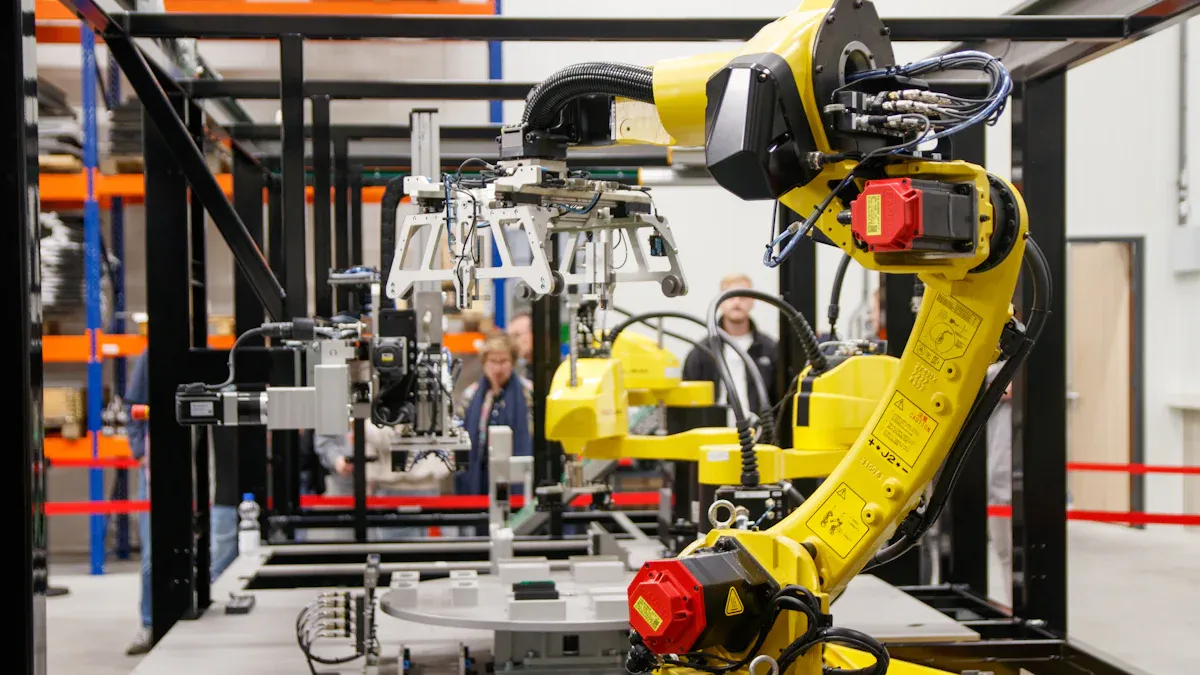
FANUC extends its reach beyond Japan with strategic global facilities. These sites focus on assembly and customization. They ensure that products meet specific regional demands. This global network helps FANUC serve its diverse customer base efficiently.
North America: Supporting Regional FANUC Demand
North America represents a significant market for automation. FANUC has established key facilities here. These facilities support the growing demand for robots and automation solutions.
FANUC America's Auburn Hills, Michigan Facility
FANUC America's main facility is in Auburn Hills, Michigan. This site serves as a central hub for sales, service, and engineering. The West Campus facility in Auburn Hills offers customized automation systems. This allows FANUC to tailor solutions for specific customer needs.
FANUC's New Robotics and Automation Headquarters in Aguascalientes, Mexico
FANUC recently opened a new headquarters in Aguascalientes, Mexico. This facility strengthens its presence in Latin America. It supports the region's expanding manufacturing sector. This new site provides sales, service, and training for robotics and automation.
Customization for Local Markets
These North American facilities customize products for local markets. They adapt robots and systems to meet specific industry standards. This ensures seamless integration into customer operations.
Europe: Localized FANUC Production and Service Centers
Europe is another vital region for FANUC. The company operates several facilities across the continent. These centers provide localized production and strong service support.
European FANUC Assembly Facilities
FANUC has assembly facilities in Europe. These sites assemble various products. They help reduce delivery times for European customers. This localized assembly improves supply chain efficiency.
Testing and Quality Assurance for FANUC Products
These European centers perform rigorous testing. They ensure all products meet high quality standards. This commitment to quality matches the standards set in Japan. They conduct thorough checks before products reach customers.
Customization for European FANUC Clients
European facilities also offer customization services. They modify products to suit specific European client requirements. This includes adapting software and hardware for diverse applications.
Asia (Excluding Japan): Expanding FANUC's Reach and Market Support
FANUC continues to expand its footprint across Asia. This region shows rapid growth in manufacturing and automation. Strategic facilities here support this expansion.
FANUC Assembly Sites in China
China is a major market for automation. FANUC operates several assembly sites there. These sites help meet the immense demand for robots and machine tools. They play a crucial role in local market penetration.
FANUC Production Facilities in India
India's manufacturing sector is growing. FANUC has established production facilities in India. These facilities support the country's industrial development. They provide local access to advanced automation technology.
Regional FANUC Market Support Hubs
Across Asia, FANUC maintains market support hubs. These hubs offer sales, technical support, and training. They ensure customers receive prompt and effective assistance. These centers are vital for maintaining strong customer relationships.
The 'Factory in a Factory' Philosophy: How FANUC Maintains Global Quality
The company employs a unique approach to manufacturing. It calls this the "Factory in a Factory" philosophy. This strategy means the company uses its own advanced products to build more of its products. This method ensures high quality and efficiency across all its global operations. It also serves as a real-world testing ground for its technology.
Internal Automation with FANUC Products
The company's factories are highly automated. They showcase the very best of its own technology. This internal use of products helps refine and improve them continuously.
FANUC Robots in Production Lines
Robots play a central role in the company's production lines. These robots assemble other robots. They also handle parts for CNC machines and Robomachines. This self-replication process demonstrates the reliability and precision of its robotic solutions. It also allows for continuous operation, often 24 hours a day. This internal automation boosts production capacity significantly.
FANUC CNC Machines in Manufacturing
The company also uses its own CNC machines extensively. These machines perform precise cutting and shaping tasks. They create components for robots, controllers, and other products. This internal application ensures that every part meets strict quality standards. It also allows the company to optimize its CNC technology for real manufacturing challenges.
Consistent Quality Across All FANUC Sites
The "Factory in a Factory" philosophy extends beyond just using its own products. It also involves strict adherence to global standards. This ensures every product, regardless of its assembly location, meets the same high expectations.
Standardized FANUC Production Processes
The company implements standardized production processes worldwide. These processes are identical in Japan, North America, Europe, and Asia. This means every factory follows the same steps for assembly, testing, and quality control. This global consistency guarantees uniform product quality. It also simplifies training and knowledge transfer among different sites.
High Efficiency in FANUC Manufacturing
These standardized processes, combined with internal automation, lead to high manufacturing efficiency. The company minimizes waste and maximizes output. This efficiency allows it to produce a large volume of high-quality products. It also helps maintain competitive pricing. The rigorous internal testing and continuous improvement cycles ensure that every product leaving its factories performs reliably.
FANUC's Global Distribution and Logistics Network
FANUC operates a sophisticated global network. This network ensures its products and parts reach customers efficiently. The company manages a complex supply chain. This supply chain supports its worldwide operations.
Efficient FANUC Supply Chain Management
FANUC's supply chain management focuses on speed and reliability. It moves essential components and finished products across continents. This system supports diverse industrial needs.
Worldwide FANUC Parts Distribution
Parts distribution is a critical part of FANUC's global strategy. Parts providers offer a comprehensive inventory. This includes spare parts, robot parts, and CNC parts. Many of these parts are ready for immediate delivery. They aim to meet requirements swiftly for necessary robot and CNC components. Most robot parts, including their hearts and brains, are made in Japan.
FANUC Product Delivery Systems
FANUC's product delivery systems are well-organized. Robots are mostly made in Japan at massive plants in Tsukuba and Oshino. These plants produce everything from large welding arms to small paint shop robots. After passing tests, some robots head straight to FANUC America in Michigan. Here, they undergo final assembly and integration. This dual approach ensures both quality and market responsiveness.
Regional FANUC Warehousing and Inventory
Strategic warehousing and inventory management are key. They allow FANUC to serve its global customer base effectively. The company maintains stock close to its clients.
Strategic FANUC Stocking Locations
FANUC America has various locations. These locations serve as regional hubs for assembly, training, support, and distribution.
- USA: Atlanta (Georgia), Holliston (Massachusetts), Plymouth (Minnesota), Pine Brook (New Jersey), Charlotte (North Carolina), Mason (Ohio), Houston (Texas), Auburn (Washington).
- Canada: Mississauga (Ontario - Headquarters), Blainville (Quebec).
- Mexico: Aguascalientes (Headquarters), Monterrey, Querétaro.
- South America: São Paulo (Brazil - Main Office), Buenos Aires (Argentina), Manaus (Brazil). These sites ensure broad coverage across the Americas.
Just-in-Time FANUC Delivery Capabilities
These strategic locations enable just-in-time delivery. This means customers receive products and parts exactly when they need them. This minimizes downtime for businesses. It also reduces inventory costs for clients. The Michigan site handles final tweaks for the U.S. market, assembly, training, and support. This localized approach enhances customer satisfaction.
FANUC's Research and Development Centers Worldwide
FANUC maintains its position as a global leader through continuous innovation. Its research and development (R&D) centers worldwide drive this effort. These centers explore new technologies and improve existing products. They ensure FANUC remains at the forefront of industrial automation.
Innovation Hubs Beyond Japan for FANUC
While Japan houses FANUC's primary R&D facilities, the company also operates key innovation hubs globally. These centers play a vital role in understanding diverse market needs. They also foster technological advancements specific to different regions.
Collaborative FANUC R&D Initiatives
FANUC actively engages in collaborative R&D initiatives. These partnerships often involve universities, research institutions, and even key customers. For example, FANUC engineers work with academic experts to explore cutting-edge concepts like artificial intelligence and advanced robotics. This collaboration brings fresh perspectives and accelerates the development of new solutions. It also allows FANUC to integrate diverse knowledge into its product lines. (handshake emoji)
Regional FANUC Technology Development
Regional R&D centers focus on developing technologies tailored to local markets. Engineers in Europe might concentrate on specific industry standards or energy efficiency requirements. In North America, teams could develop solutions for automotive or aerospace manufacturing challenges. These regional efforts ensure FANUC products meet the unique demands of customers worldwide. They also help the company adapt quickly to emerging trends in different parts of the world.
Future FANUC Manufacturing Technologies
FANUC's R&D efforts constantly look toward the future of manufacturing. The company invests heavily in research that will shape the next generation of industrial automation. This forward-thinking approach ensures its products remain relevant and powerful.
Advanced FANUC Automation Research
FANUC conducts extensive research into advanced automation. This includes areas such as machine learning, deep learning, and advanced vision systems. Researchers develop robots that can "see" and "learn" more effectively. They also explore human-robot collaboration, making it safer and more intuitive for people to work alongside machines. This research aims to create highly intelligent and adaptable automation solutions for various industries.
Next-Generation FANUC Product Development
The R&D centers translate advanced research into next-generation products. This means developing robots with enhanced capabilities, such as greater precision or faster speeds. They also create more intuitive CNC systems and smarter Robomachines. These new products often feature improved connectivity and data analysis tools. FANUC's commitment to R&D ensures its customers always have access to the most advanced and efficient manufacturing technologies available.
FANUC's global manufacturing strategy combines centralized excellence with regional support. Its primary operations are in Japan. These extensive facilities ensure high standards of quality and innovation. Approximately one-third of FANUC's staff works in R&D. This focus helps the company maintain a technological advantage. A manufacturing plant in Japan operates for nearly a month with minimal human intervention. This demonstrates significant efficiency and reduced labor needs. FANUC's global presence includes strategic assembly and customization facilities. These sites efficiently serve diverse international markets.
FAQ
What is FANUC's "Factory in a Factory" philosophy?
FANUC uses its own robots and CNC machines to produce more FANUC products. This approach ensures high quality and efficiency. It also serves as a real-world testing ground for its technology.
Where are FANUC's main production facilities located?
FANUC primarily manufactures its core products in Japan. Key facilities are located at the foot of Mount Fuji. These include the global headquarters in Oshino-mura.
Does FANUC have manufacturing facilities outside of Japan?
Yes, FANUC operates strategic global facilities. These sites focus on assembly and customization. They support specific regional needs and product lines in North America, Europe, and Asia.
How does FANUC ensure consistent product quality globally?
FANUC implements standardized production processes worldwide. These processes are identical across all factories. This global consistency guarantees uniform product quality.
What role do FANUC's R&D centers play?
FANUC's R&D centers drive continuous innovation. They explore new technologies and improve existing products. These centers ensure FANUC remains at the forefront of industrial automation.
How does FANUC manage its global distribution?
FANUC operates a sophisticated global network. This network ensures products and parts reach customers efficiently. It includes worldwide parts distribution and strategic stocking locations.
What types of products does FANUC produce at its headquarters?
The Oshino-mura headquarters produces FANUC robots, CNC systems, and Robomachines. These include ROBODRILL, ROBOCUT, and ROBOSHOT. This facility combines research, development, and mass production.