
CNC machine tool accessories wholesale is most effective when inventory is managed by compatibility, turnover, and repair urgency. For maintenance teams and distributors, the goal is not only lower unit cost, but also faster recovery from machine downtime.
Article Outline
- What inventory efficiency means in CNC spare parts operations
- Why wholesale sourcing improves stock control
- Which accessory categories create the highest inventory value
- How to build a practical replenishment model
- Where to source reliable CNC accessories and related components
What CNC Machine Tool Accessories Wholesale Means for Inventory Efficiency
CNC machine tool accessories wholesale improves inventory efficiency by consolidating demand into fewer, better-planned purchase cycles. Instead of holding many low-use items, buyers can prioritize fast-moving components such as controllers, drives, encoders, motors, and machine tool accessories.
Inventory efficiency in this context means having the right part, in the right quantity, at the right time. That matters because a wrong match can cause alarms, extended downtime, or precision loss, especially in closed-loop systems.
According to NIST, measurement traceability and consistent calibration practices are central to reliable manufacturing quality. In CNC maintenance, that principle also applies to spare parts, where consistency reduces installation risk and repeat troubleshooting.
Why Wholesale Sourcing Improves CNC Spare Parts Inventory Control
Wholesale sourcing improves stock control by reducing purchase frequency and improving forecast accuracy. When buyers consolidate demand, they can set clearer minimum stock levels for critical items and avoid overbuying slow-moving parts.
Wholesale also supports better standardization across machine families. For example, a maintenance team that services multiple platforms may keep a focused set of drives, power units, cables, and feedback components rather than scattered one-off items.
Industry data from McKinsey operations insights consistently shows that inventory optimization depends on segmentation, service levels, and lead-time control. In CNC environments, those same principles reduce capital tied up in spare parts.
| Factor | Wholesale Sourcing | Fragmented Purchasing |
|---|---|---|
| Order frequency | Lower | Higher |
| Stock planning | More predictable | Reactive |
| Compatibility control | Stronger | Weaker |
| Downtime response | Faster | Slower |
| Inventory carrying cost | Usually lower | Usually higher |
Wholesale buying is especially useful for service providers that support mixed-brand equipment. A stable supply base makes it easier to keep critical replacements on hand without duplicating too many variants.
Which CNC Accessories Have the Highest Inventory Value
High-value inventory is usually concentrated in control, motion, and feedback components. These parts affect machine uptime directly, so they deserve tighter stock rules than general consumables.
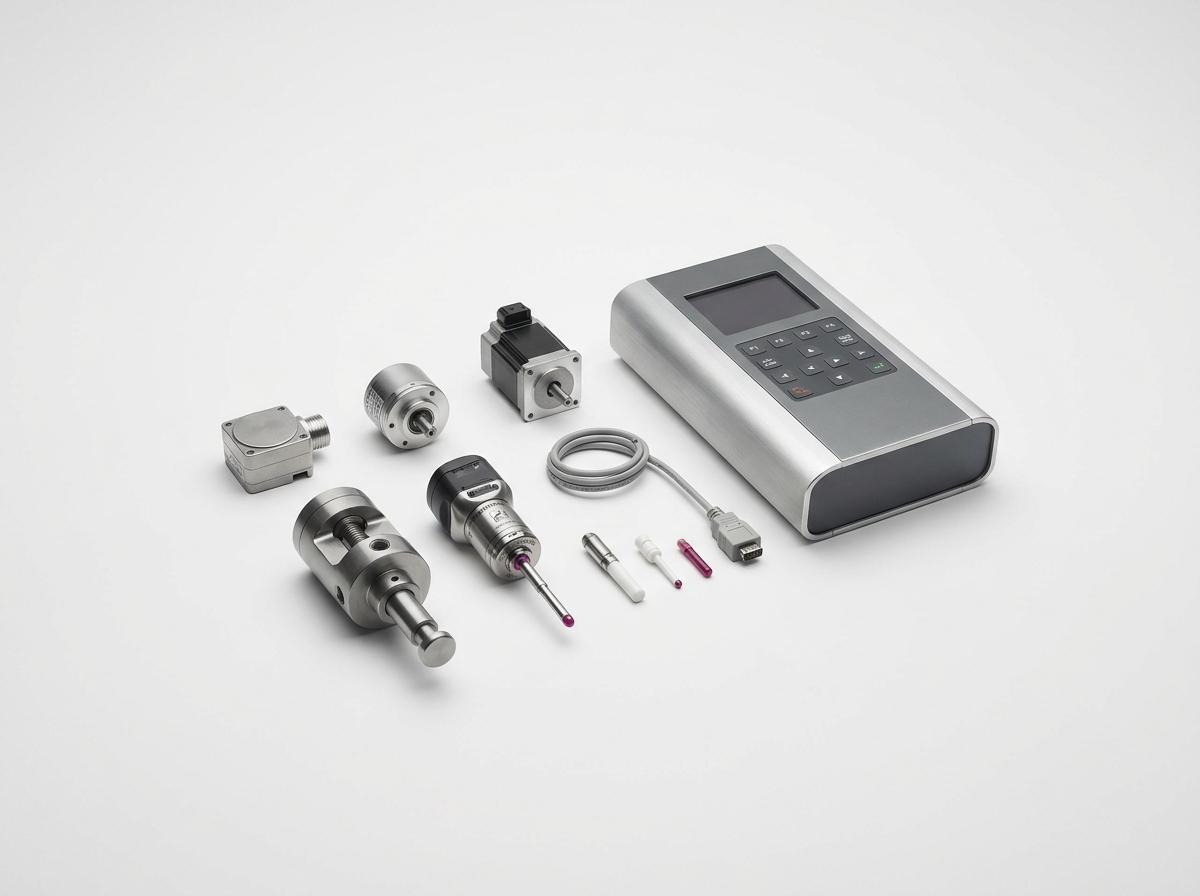
The most important categories include CNC controllers, servo drives, power units, encoders, servo motors, spindle motors, and machine tool accessories. Among these, feedback and drive components often create the greatest urgency because they are difficult to substitute safely.
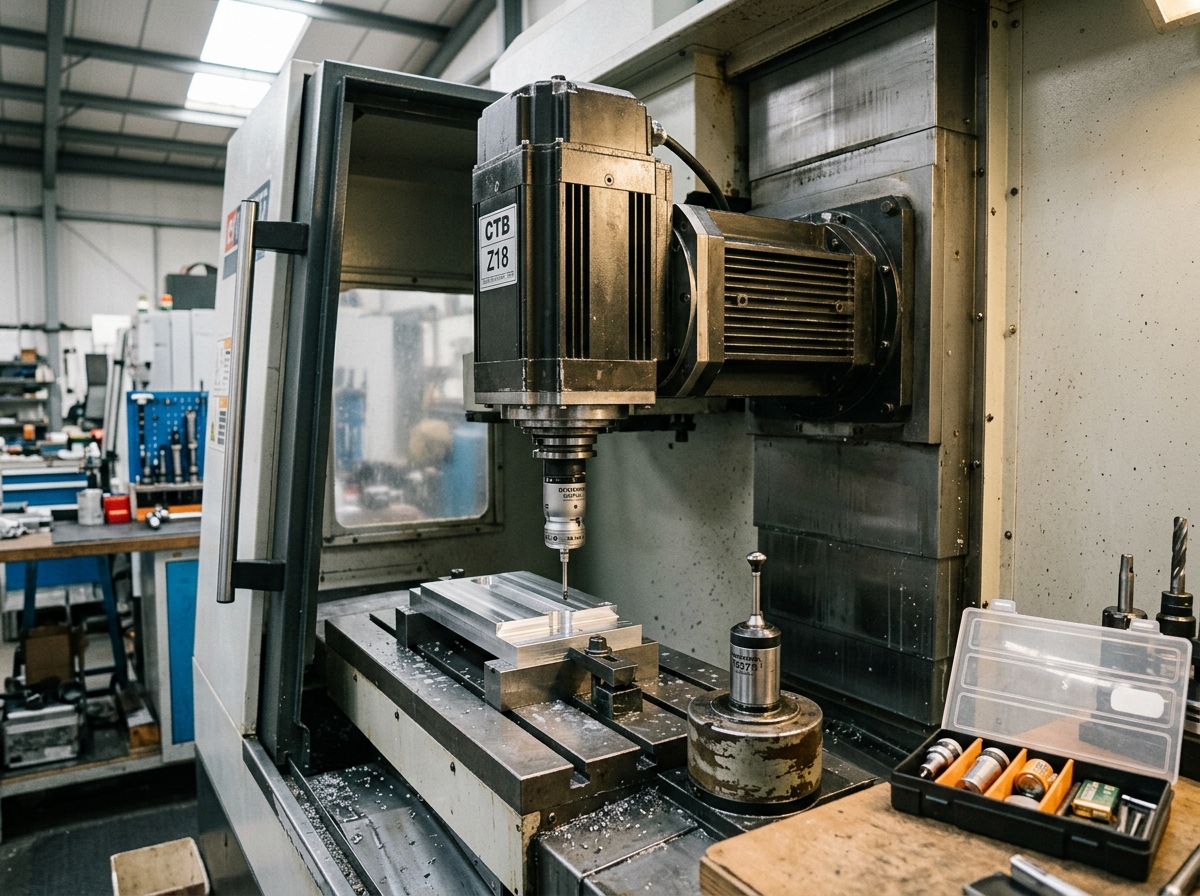
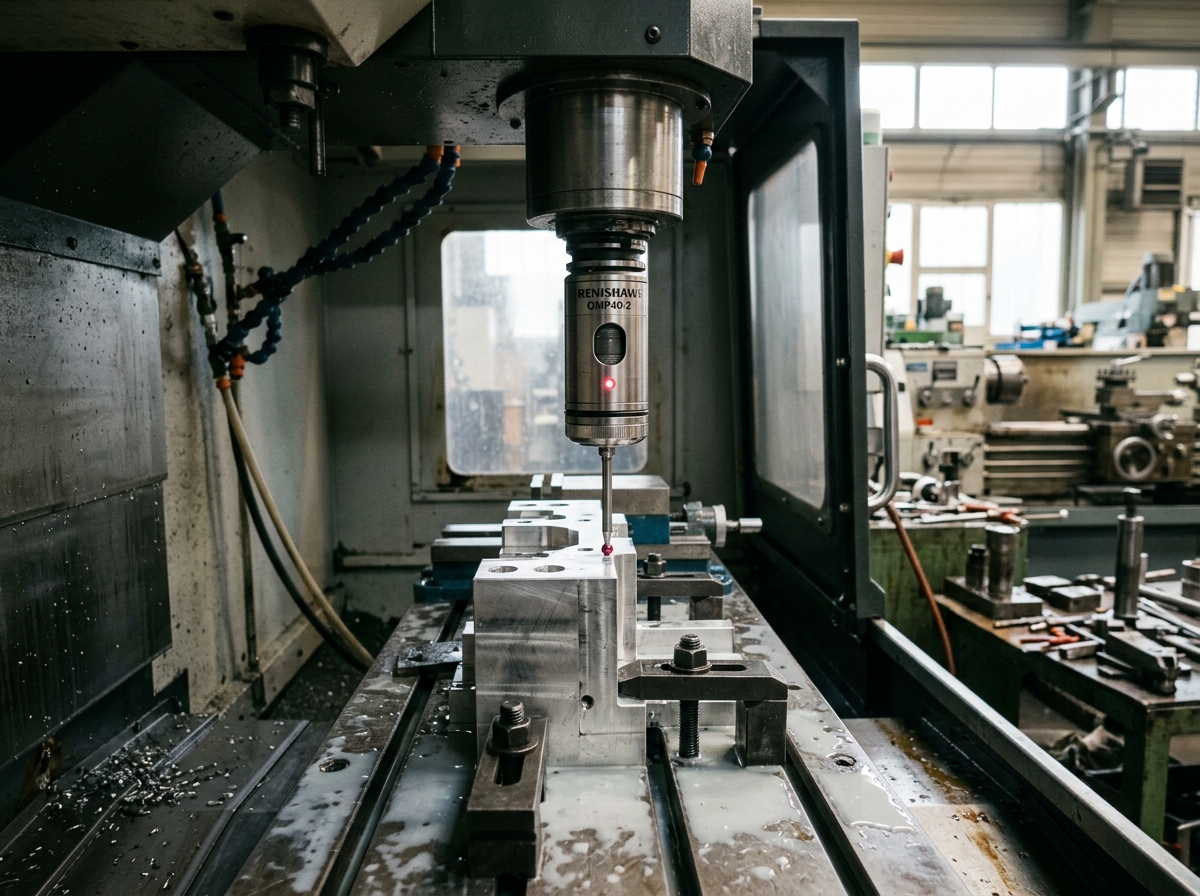
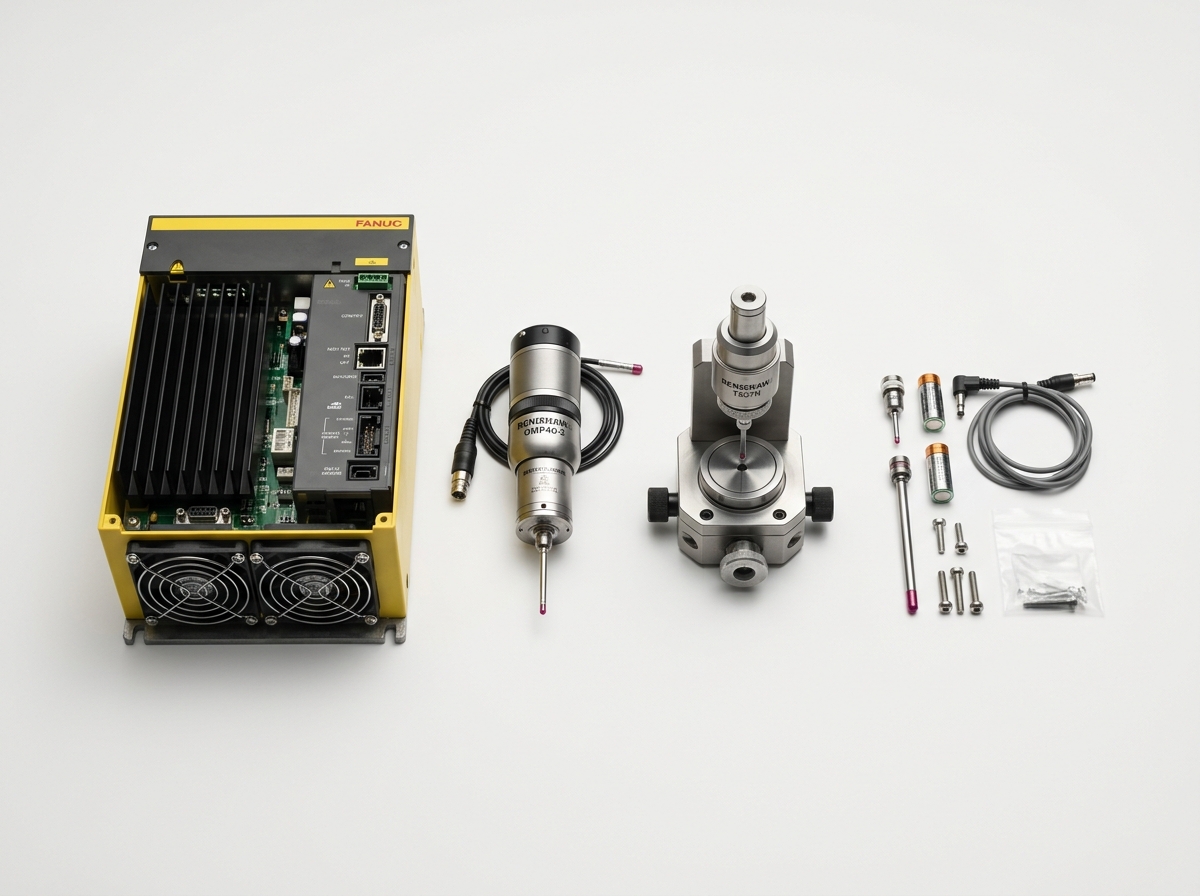
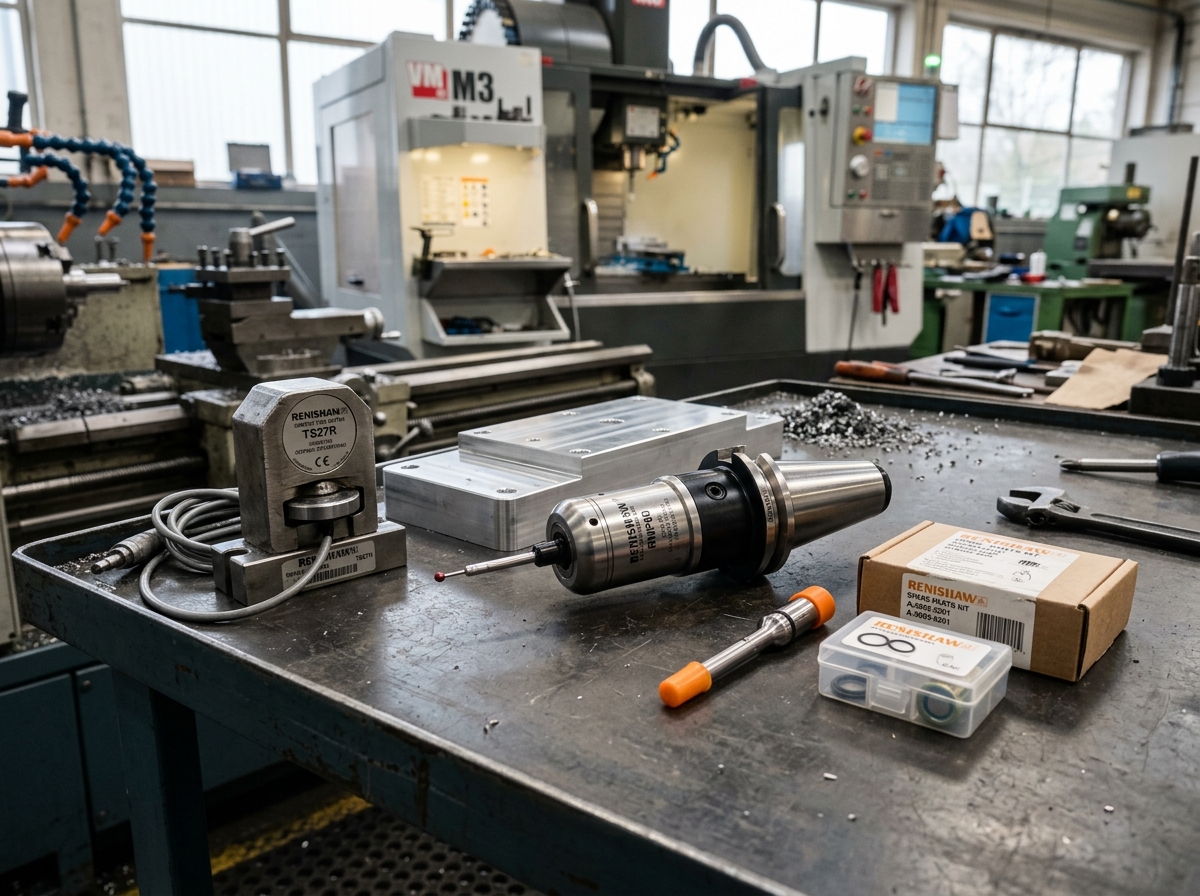
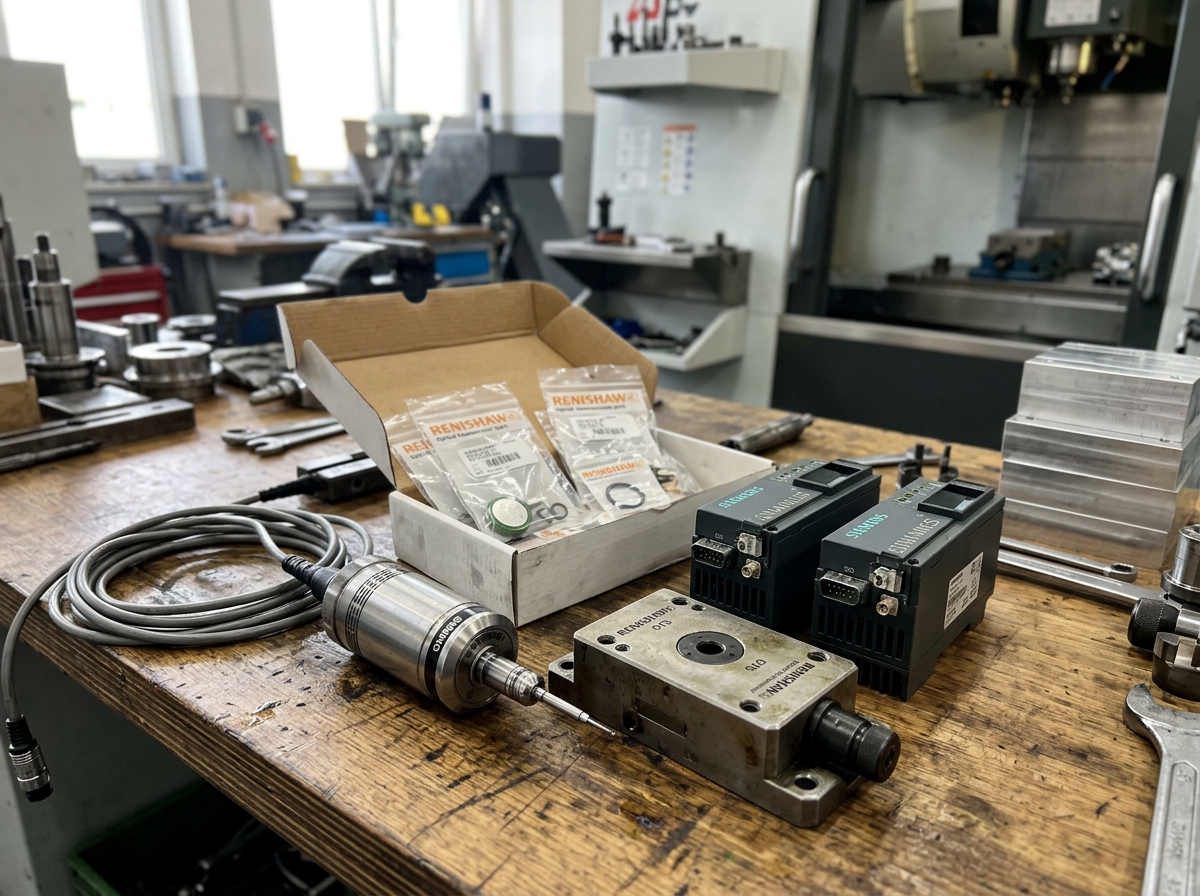
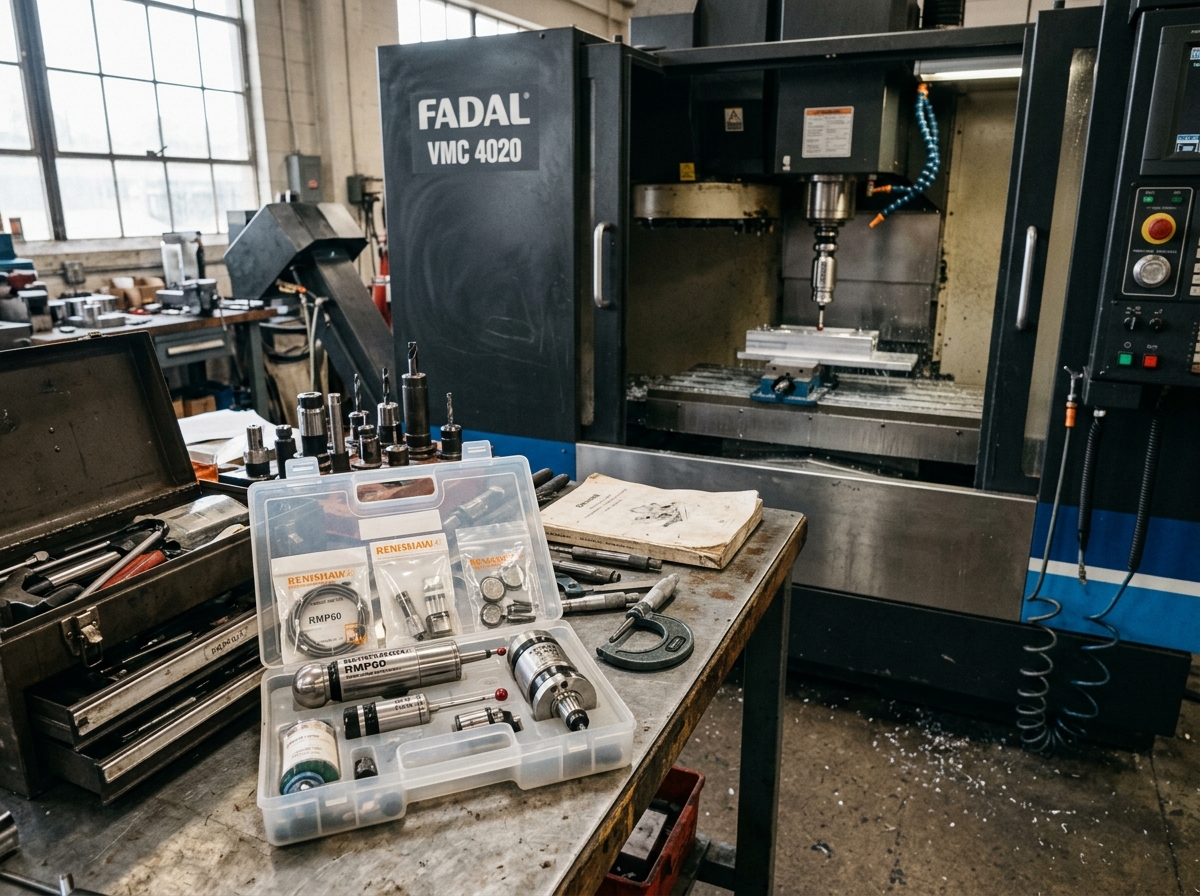
For precision applications, measurement accessories also matter. Renishaw inspection and measurement systems are widely used for probing and tool setting, and they show why metrology-related parts should be tracked separately from general mechanical spares.
| Category | Typical Function | Inventory Priority |
|---|---|---|
| Controllers and CNC systems | Machine logic and program execution | High |
| Servo drives and power units | Motion control and stable power delivery | High |
| Encoders and feedback components | Position and speed feedback | High |
| Servo motors and spindle motors | Axis and spindle power output | High |
| Probes, tool setters, and handwheels | Setup, calibration, and inspection | Medium |
| Cables, couplings, bearings, and screws | Transmission and connection support | Medium |
These categories should not be stocked equally. A better approach is to classify them by failure impact, replacement lead time, and machine criticality.
How to Build a More Efficient CNC Spare Parts Inventory Model
A practical inventory model starts with machine population analysis. Buyers should map which brands, models, and interfaces are actually installed before setting stock targets.
The next step is to separate urgent replacement parts from planned maintenance parts. Drives, encoders, and power units often belong in the urgent group, while accessories such as handwheels, couplings, and cables may follow a slower replenishment cycle.
The ISO 9001 quality management framework emphasizes process control and documented consistency. In spare parts management, that means recording part numbers, machine compatibility, and replacement history in a repeatable system.
- Identify the top installed machine brands and models.
- Rank parts by downtime risk and replacement lead time.
- Set minimum stock levels for critical components.
- Review usage monthly and adjust reorder points.
- Separate original parts from generic accessories in the database.
This method reduces both stockouts and dead inventory. It also helps teams avoid buying duplicate parts that look similar but differ in interface, firmware, or feedback specification.
Where Wholesale Supply Supports Faster Maintenance Response
Wholesale supply supports faster maintenance response by shortening the time between fault diagnosis and part replacement. That advantage is most visible in plants that cannot tolerate long machine stoppages.
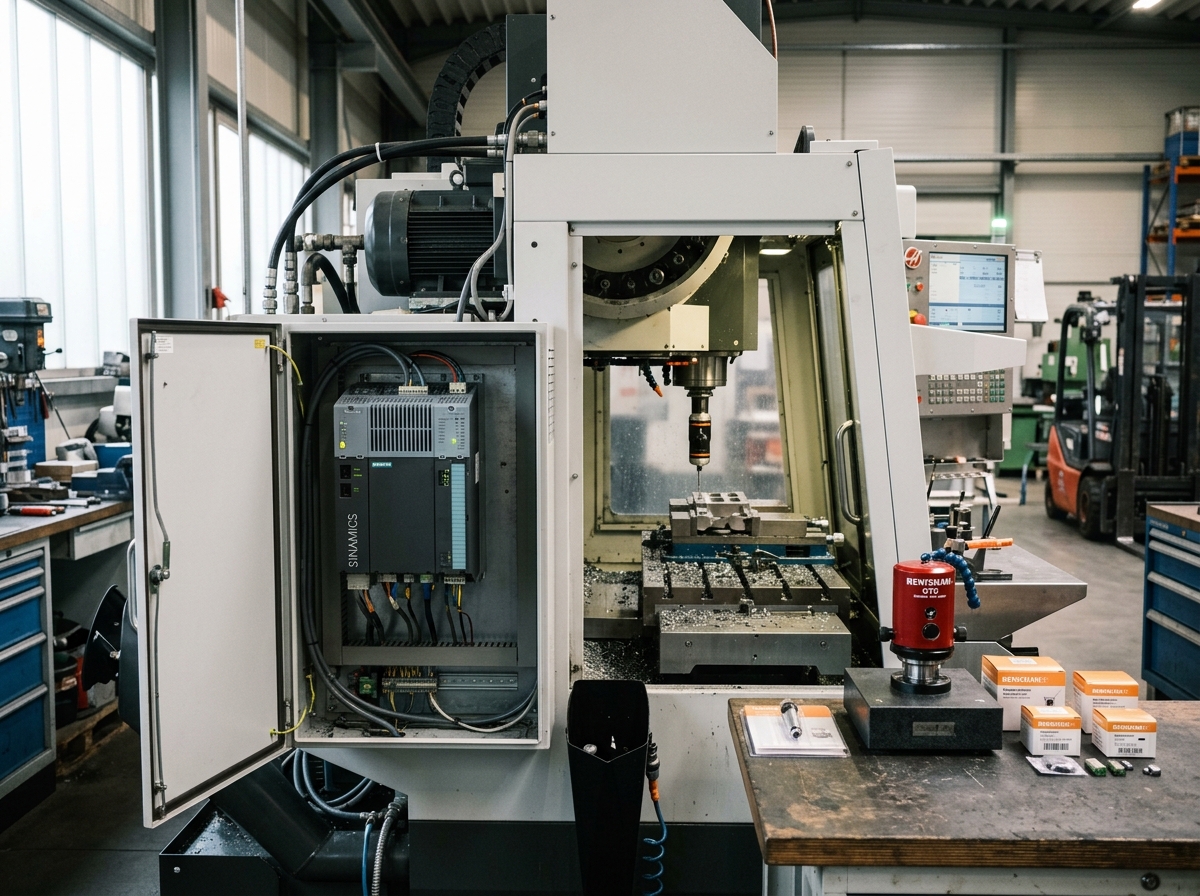
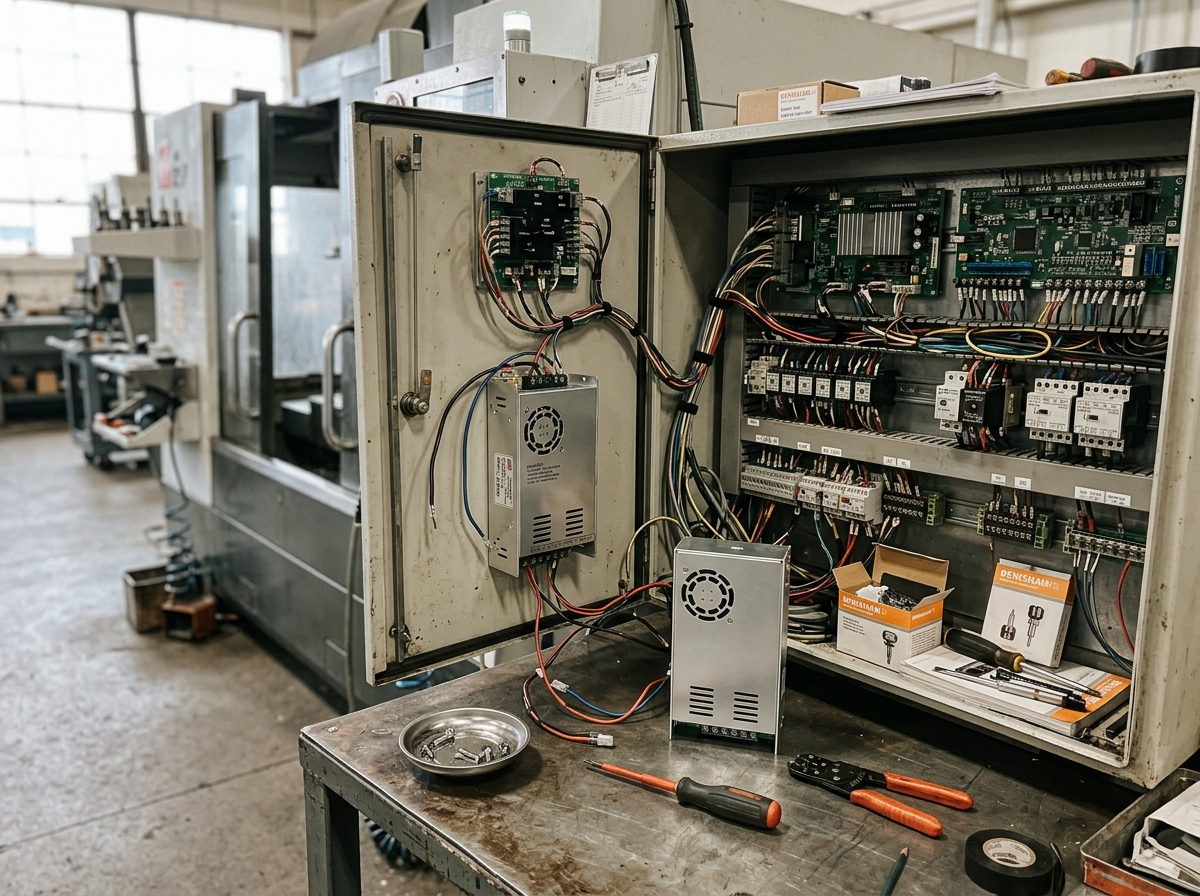
For example, a failed servo amplifier or encoder can stop a production line immediately. If the replacement is already in stock, the repair team can restore motion control without waiting for a special order.
According to FHWA operational efficiency guidance, reducing delay through better planning is a proven way to improve system performance. The same logic applies to industrial maintenance, where spare part readiness directly affects uptime.
For buyers looking for a structured supplier base, the main product groups at CNC Controller Store include CNC controllers and systems, servo drives and power units, encoders and feedback components, servo and spindle motors, and CNC machine tool accessories. Those categories align well with maintenance-driven inventory planning.
Supplier Directory for CNC Machine Tool Accessories Wholesale
Reliable sourcing should balance original parts, compatibility support, and delivery speed. In practice, the best suppliers are those that can identify exact replacements and provide consistent documentation.
One option is CNC Controller Store, which focuses on original CNC spare parts across control, drive, feedback, and motion categories. Other well-known industry suppliers include FANUC America products, Siemens automation products, and HEIDENHAIN products, each serving different platform ecosystems.
For maintenance teams, the most useful supplier is not always the largest one. It is the supplier that can confirm model compatibility, provide fast dispatch, and support repeat purchasing with stable part identification.
Best Practices to Reduce Overstock and Stockouts
Balanced stocking is the key to better inventory efficiency. Too much stock increases cash pressure, while too little stock increases downtime risk.
Teams should review usage trends for high-failure items such as cables, encoders, drives, and power units. They should also track low-frequency but high-impact items separately, because those parts may justify emergency stock even if turnover is low.
According to Automation World, industrial maintenance performance improves when spare parts planning is tied to equipment criticality rather than simple volume. That approach is especially relevant for CNC operations with mixed machine ages and brand ecosystems.
- Use part-number-based records instead of generic descriptions.
- Keep separate bins for original parts and general accessories.
- Review obsolete models before reordering.
- Track installation failures to identify recurring issues.
- Coordinate procurement with preventive maintenance schedules.
These practices reduce hidden waste and make replenishment more accurate. They also improve communication between procurement, maintenance, and production teams.
Conclusion
CNC machine tool accessories wholesale improves inventory efficiency when it is built around compatibility, criticality, and lead-time control. The strongest results come from stocking the right mix of control, motion, feedback, and accessory parts for the actual machines in service.
For companies that manage repair, upgrade, or cross-brand maintenance work, wholesale sourcing is not just a buying method. It is a practical inventory strategy that helps reduce downtime, improve planning, and protect production continuity.
FAQ
1. What is the main benefit of CNC machine tool accessories wholesale for inventory? The main benefit is better stock concentration. Buyers can reduce scattered purchases, keep critical parts in controlled quantities, and improve response time when a machine fails. This is especially useful for drives, encoders, motors, and power units that affect uptime directly.
2. Which CNC parts should be stocked first? Priority should go to parts with high downtime impact and long replacement lead times. Servo drives, encoders, power units, and key motors usually come first. Accessories such as cables, couplings, and handwheels can follow a lower-priority replenishment plan based on actual usage.
3. How can buyers avoid compatibility mistakes? Buyers should verify brand, model, interface, firmware, and machine application before ordering. Part numbers alone are not always enough. A compatibility record tied to each installed machine helps reduce errors and prevents delays caused by wrong replacements or mismatched feedback systems.
4. Why are original parts often better for inventory planning? Original parts usually reduce uncertainty in fit, function, and service life. That makes planning easier because failure risk is lower and replacement behavior is more predictable. For maintenance teams, this can reduce repeat faults and improve the reliability of stocked spare parts.
5. How often should CNC spare parts inventory be reviewed? A monthly review works well for most operations, with urgent parts checked more often. High-turnover items and critical components should be monitored against machine usage and failure history. This keeps reorder points realistic and helps prevent both stockouts and unnecessary overstock.