
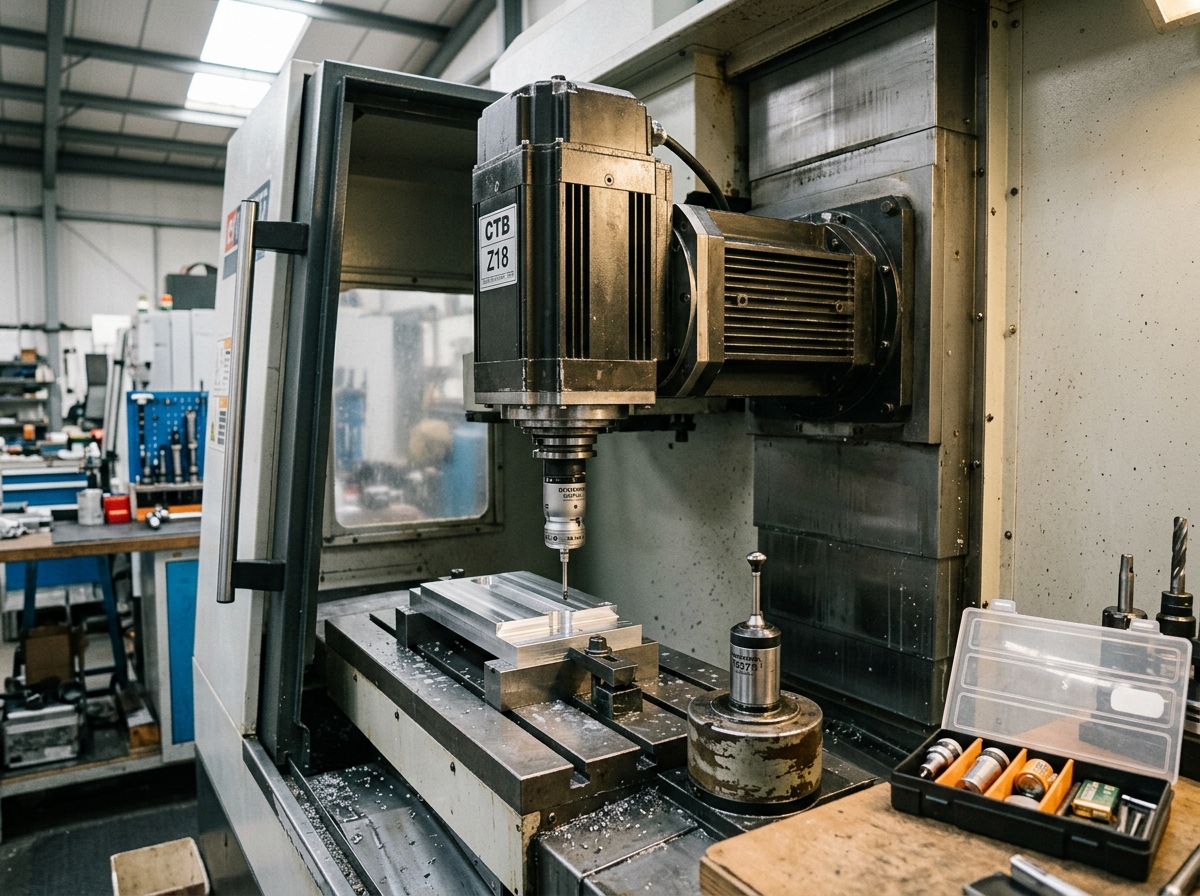
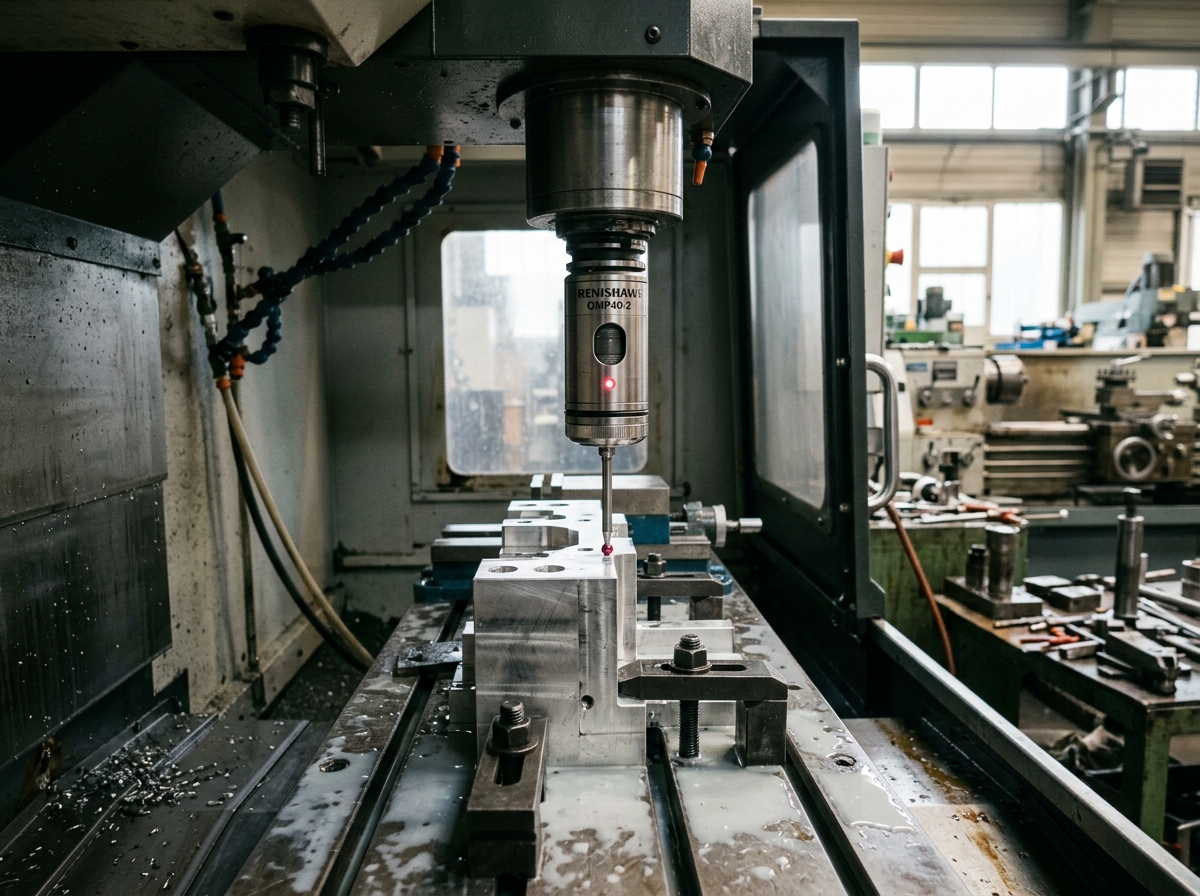
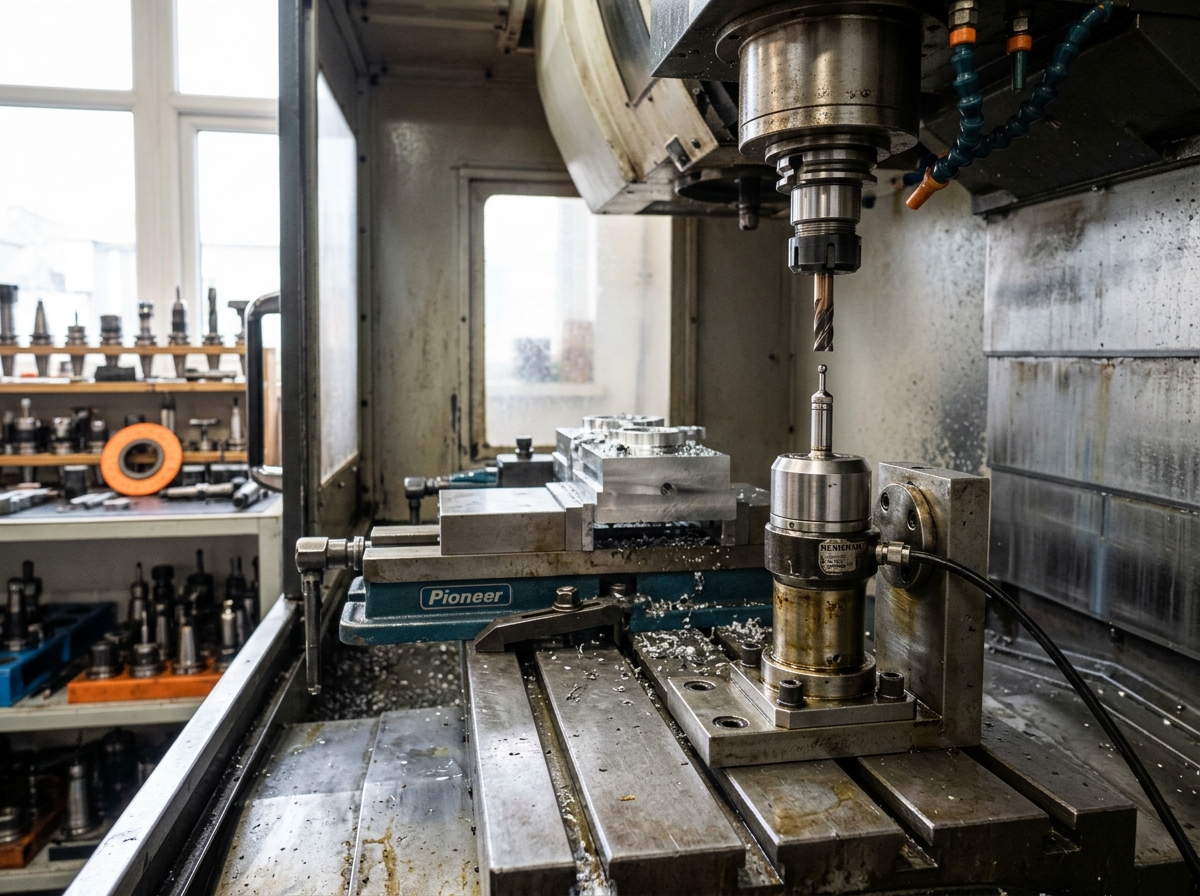
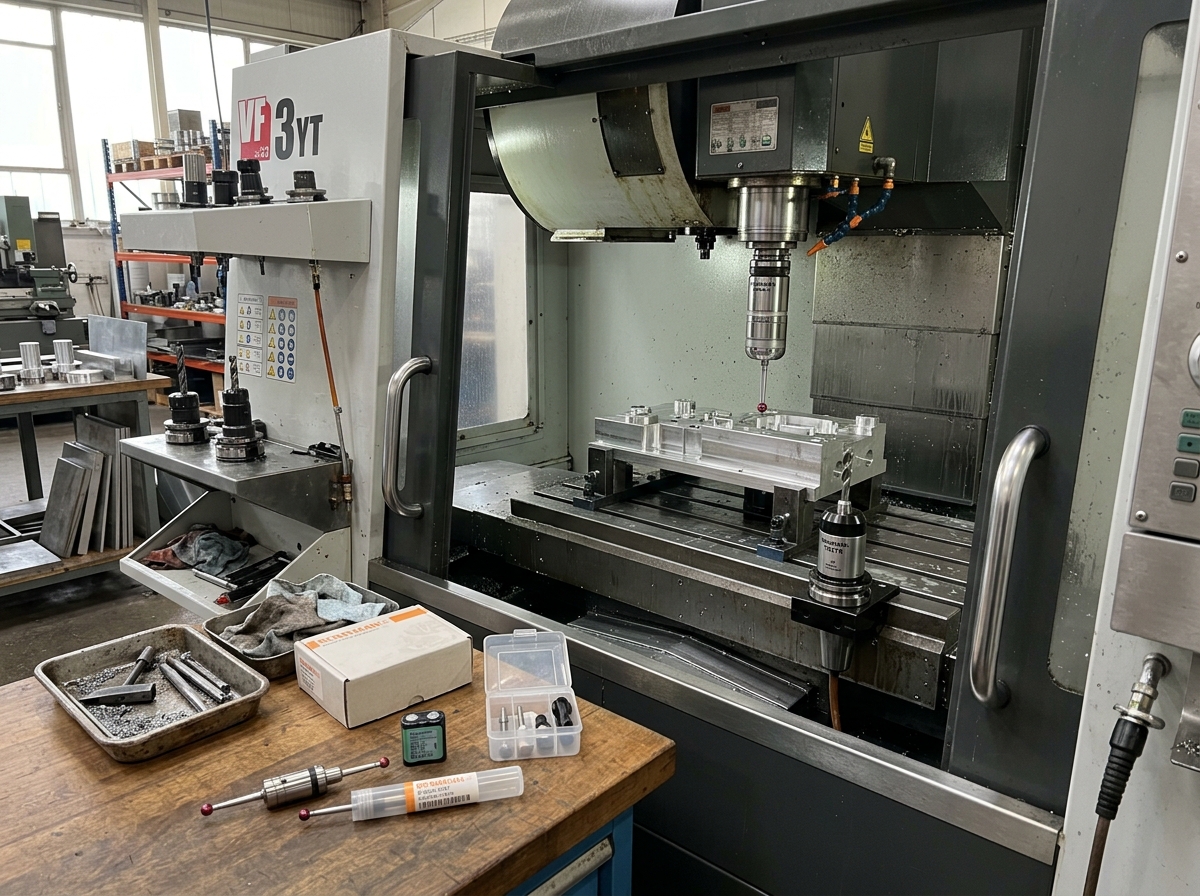
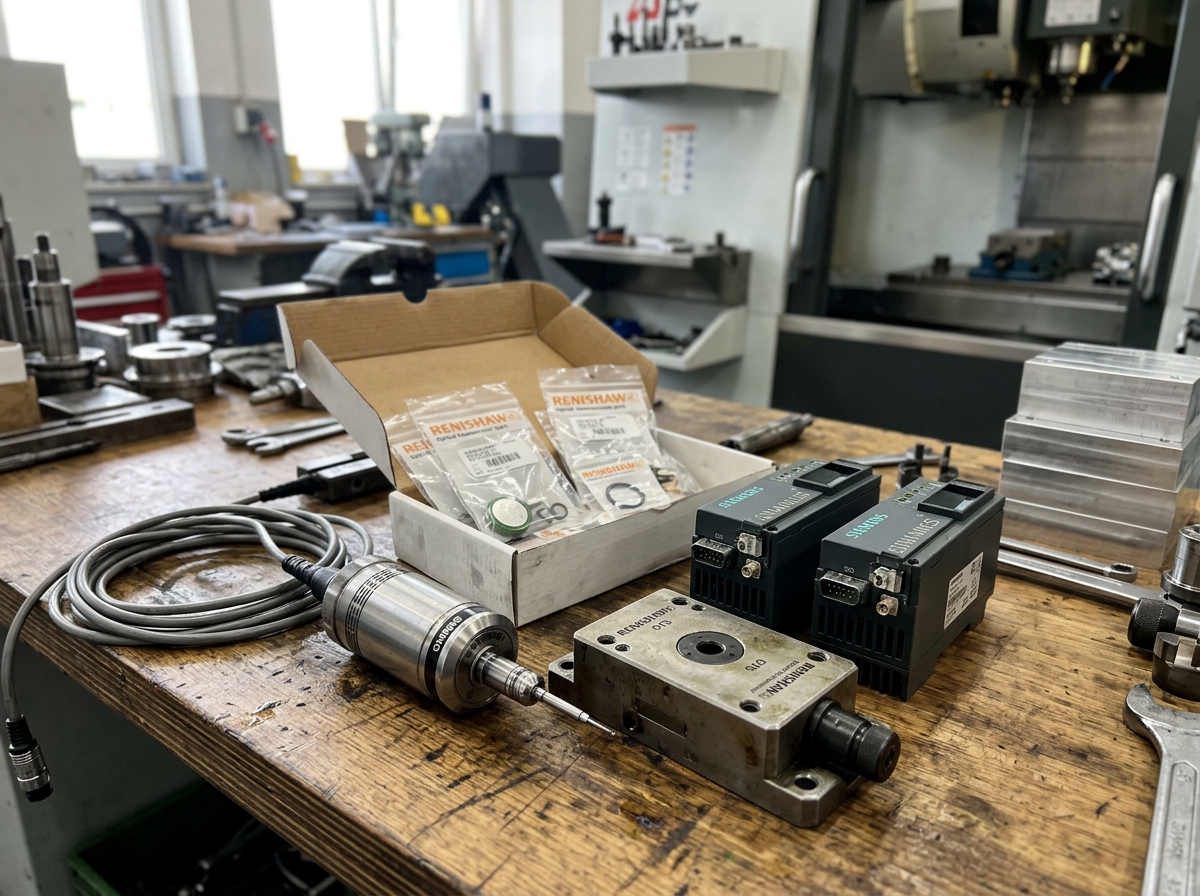
- The Z18 designation is not enough to establish a safe cutting speed or usable torque range.
- High speed performance depends on the motor, spindle drive, bearings, encoder, cooling, toolholder, and machine structure as one system.
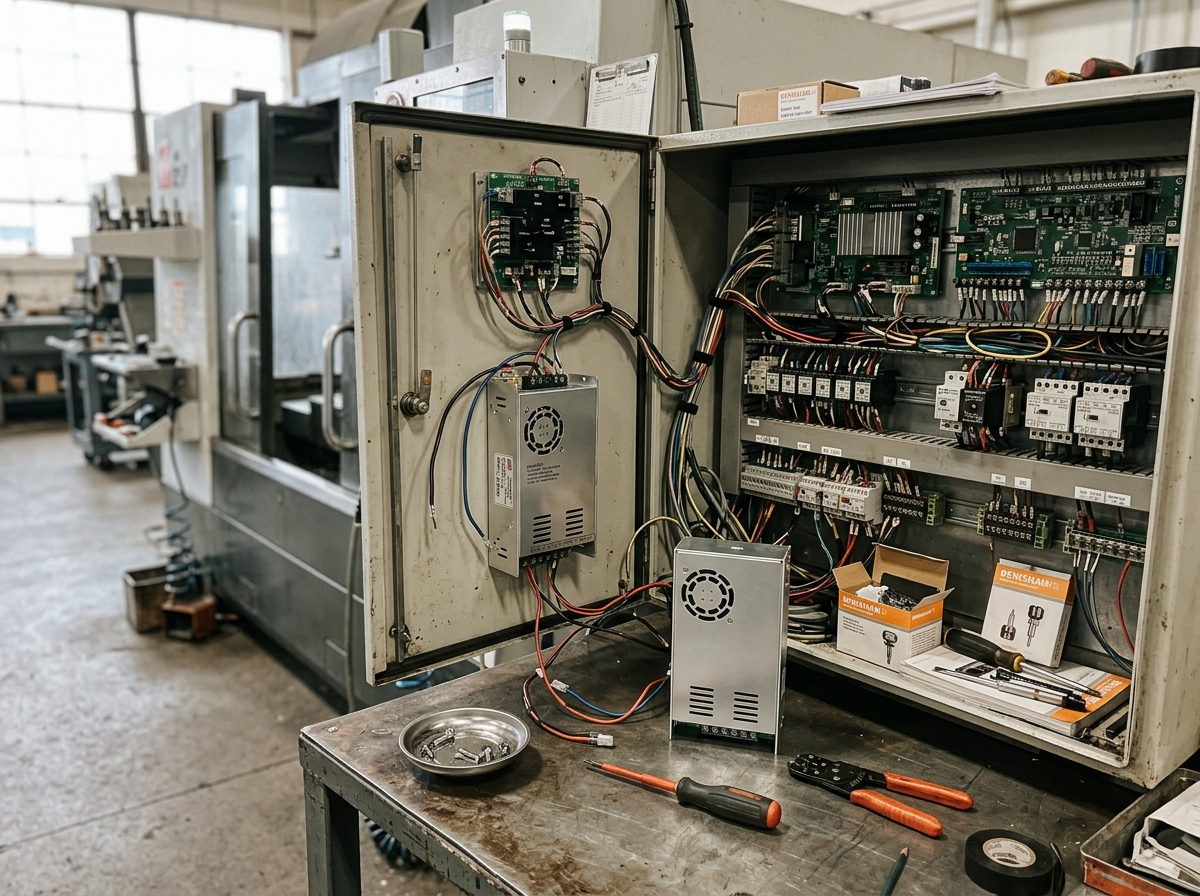
- Use the motor nameplate, drive manual, wiring diagram, and machine parameters to confirm electrical and control compatibility.
- Calculate surface speed and cutting load before testing, then validate vibration, temperature, current, and finish quality.
- Do not confuse servo response with spindle power; a fast control loop cannot compensate for inadequate torque or cooling.
CTB servo spindle motor Z18 suitability for high speed cutting should be judged from verified electrical, mechanical, thermal, and feedback data rather than the model label. Sandvik Coromant's machining formula guidance calculates a 10 mm cutter at 30,000 rpm as approximately 942.48 m/min surface speed, showing why speed, tool diameter, balance, and machine rigidity must be evaluated together. This article explains a practical spindle drive verification process.
What high speed cutting requires from a spindle system
High speed cutting is a system-level condition, not simply a high revolutions-per-minute number.
For a rotating tool, cutting speed is calculated from tool diameter and spindle speed. The commonly used relationship is Vc = pi x D x n / 1000, where Vc is cutting speed in m/min, D is tool diameter in mm, and n is spindle speed in rpm. The formula and related machining calculations are explained by Sandvik Coromant's machining formulas guide.
Using that formula, a 10 mm cutter at 30,000 rpm produces approximately 942.48 m/min, while a 20 mm cutter at 12,000 rpm produces approximately 753.98 m/min. These are calculated examples, not specifications or recommended values for a Z18 motor. They illustrate why the same spindle speed can create very different cutting conditions when tool diameter changes.
A suitable spindle must also deliver usable torque at the operating speed. Many spindle motors provide different torque behavior across low-speed, base-speed, and field-weakening regions. A motor that reaches a high no-load speed may still be unsuitable for heavy cutting if torque falls sharply at the required speed.
CTB servo spindle motor Z18 compatibility checklist
The first purchasing decision should be an exact compatibility check between the motor, spindle drive, feedback device, and CNC control.
| Verification area | Required evidence | Risk if unverified | Recommended status score |
|---|---|---|---|
| Motor electrical data | Rated voltage, current, power, base speed, maximum speed | Overcurrent, overspeed, weak torque, drive trips | 0 to 2 |
| Feedback system | Encoder type, resolution, signal format, supply, phasing | Position alarms, unstable speed loop, incorrect orientation | 0 to 2 |
| Mechanical interface | Shaft, flange, coupling, runout, mounting dimensions | Misalignment, vibration, bearing overload | 0 to 2 |
| Thermal management | Cooling method, coolant requirement, temperature feedback | Thermal derating, winding damage, unplanned stoppage | 0 to 2 |
| Control parameters | Motor constants, direction, tuning, acceleration and deceleration limits | Unstable response, overshoot, nuisance alarms | 0 to 2 |
Use a score of 2 only when the value is confirmed by an original nameplate, manual, wiring document, or measured machine interface. A score of 0 means the item is unknown and should block high speed commissioning. This scoring method is a procurement control, not a manufacturer specification.
Electrical matching matters more than nominal power
The drive must be able to identify and control the motor within its voltage, current, frequency, and feedback limits.
Check whether the Z18 motor is intended for a dedicated spindle drive or a general servo amplifier. A general servo drive may support closed-loop speed control but still lack spindle-specific functions such as orientation, rigid tapping, tool unclamping coordination, or spindle override handling. Conversely, a spindle drive may require a specific encoder protocol or motor parameter set.
Confirm the following before connecting power:
- Motor phase sequence and grounding arrangement.
- Encoder supply voltage, channel format, and connector pinout.
- Drive current capacity in both continuous and peak conditions.
- Maximum commanded speed and acceleration limits.
- Spindle orientation and braking requirements.
- Alarm reset, enable, ready, and emergency-stop logic.
The most common replacement error is matching a motor by physical appearance while ignoring feedback or control logic. A motor can fit the mounting location and still fail because the encoder, commutation angle, or drive parameter set is different.
Torque, power, and spindle drive behavior
High speed cutting requires enough power at the actual cutting speed, not merely a high advertised maximum speed.
Mechanical power is related to torque and angular speed. As speed rises, available torque may reduce after the motor reaches its base-speed region. This is why a power-speed curve is more useful than a single wattage value. Ask for continuous torque, peak torque duration, rated speed, base speed, maximum speed, and permissible duty cycle.
| Operating region | Typical control question | What to monitor | Decision value |
|---|---|---|---|
| Low speed | Can the motor maintain torque without overheating? | Current, temperature, torque margin | Heavy or interrupted cuts |
| Base speed | Does the motor deliver rated output consistently? | Power, speed error, vibration | General cutting range |
| High speed | Does torque remain adequate for the tool and material? | Load, thermal trend, surface finish | Light high speed cutting |
| Transient load | Does the drive recover without an alarm? | Peak current, following error, recovery time | Entry, exit, and corner events |
A servo spindle can respond quickly to speed commands, but fast response is not equivalent to cutting capacity. The tool, holder, bearings, coupling, and machine frame must transmit the load without excessive deflection or vibration.
Mechanical stability and toolholding for high speed cutting
At high rotational speed, imbalance and runout become increasingly important because dynamic forces rise with speed.
Inspect the spindle shaft, coupling, bearings, taper, drawbar, and toolholder as a complete rotating assembly. A balanced motor cannot eliminate vibration caused by an unbalanced holder or damaged tool. Likewise, a precise motor cannot compensate for poor coupling alignment or bearing wear.
Toolholding should be checked for correct taper, retention method, clamping force, tool projection, and permissible speed. The machine operator should also confirm that the cutter manufacturer permits the intended rotational speed. When the tool diameter, overhang, or holder type changes, the safe operating envelope changes with it.
For machine guarding and protection against rotating-part hazards, consult the U.S. Occupational Safety and Health Administration machine guarding requirements. This source does not certify a particular motor; it provides a regulatory reference for safeguarding hazardous machine motion.
Cooling, bearings, and duty cycle
Thermal control is a deciding factor when a spindle operates near its upper speed range for extended periods.
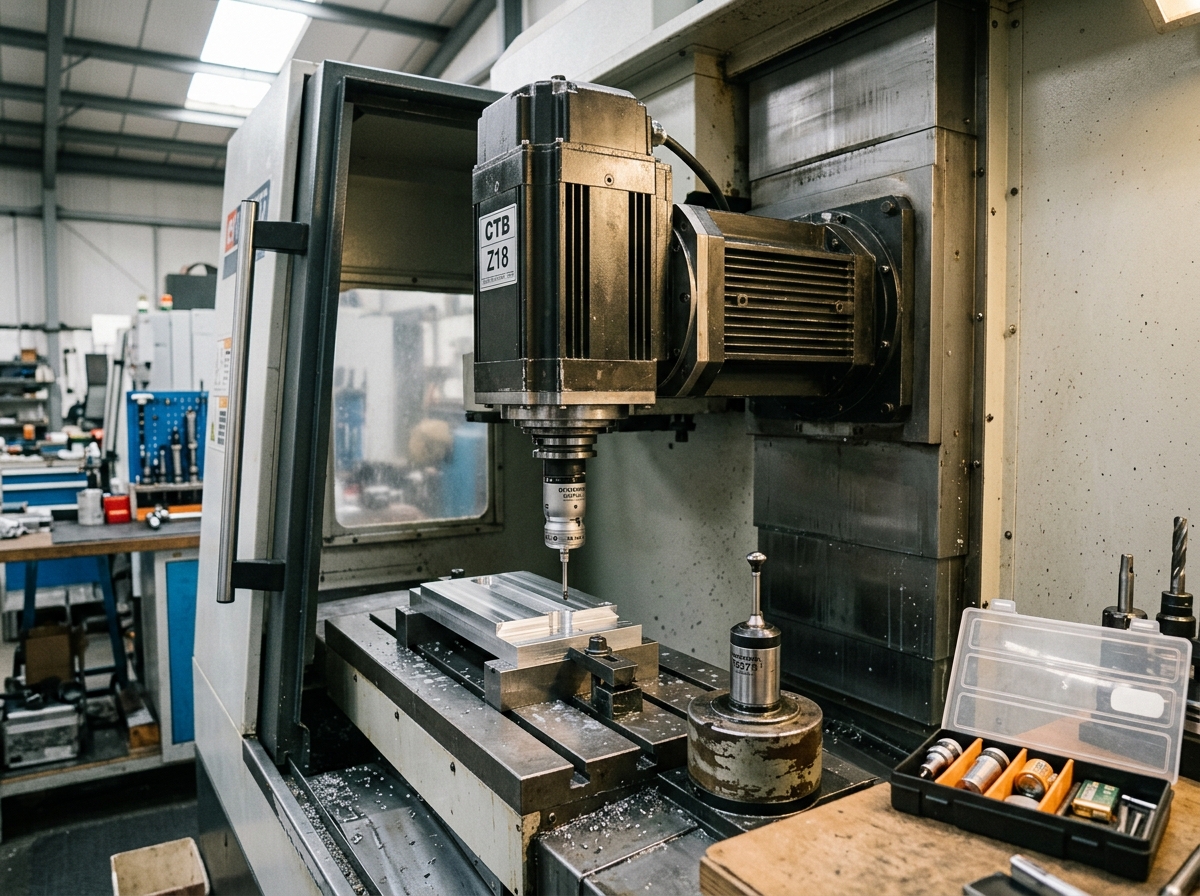
Confirm whether the motor uses air cooling, liquid cooling, or a machine-specific heat management arrangement. Verify fan direction, coolant flow, temperature sensors, alarm thresholds, and the required warm-up procedure. A motor that performs well during a short trial may still overheat during continuous production if the duty cycle is not understood.
Bearings deserve separate attention because they experience both rotational and cutting loads. Check the spindle bearing arrangement, lubrication method, preload condition, service history, and allowable speed. A replacement motor should not be installed onto a spindle assembly with unidentified bearing wear and then judged solely by its electrical performance.
For precision machine evaluation, ISO 230-2 describes tests for positioning accuracy and repeatability of numerically controlled machine tools. The official standard overview is available from the International Organization for Standardization. Positioning tests do not prove cutting performance, but they can help separate control, mechanical, and thermal problems during commissioning.
How to validate the Z18 before production cutting
A controlled commissioning sequence is safer and more informative than immediately applying a demanding cut.
- Record the motor nameplate, drive model, encoder information, connector pinout, and existing machine parameters.
- Check shaft alignment, coupling condition, toolholder cleanliness, drawbar function, guarding, and emergency-stop operation.
- Run the spindle at zero-load test points of 25 percent, 50 percent, and 75 percent of the verified maximum command speed, if permitted by the motor and drive documentation.
- At each test point, record commanded speed, actual speed, current, temperature, vibration observations, and alarm history.
- Use a conservative tool, shallow engagement, and stable workholding for the first cutting test.
- Increase speed or load one variable at a time, stopping if temperature, vibration, current, or sound changes unexpectedly.
The percentages in this sequence are commissioning checkpoints, not a claim about the Z18 operating range. The verified motor and spindle documentation always overrides a generic test template.
| Test stage | Command level | Load condition | Pass indicators |
|---|---|---|---|
| 0 | Zero speed | No cutting load | No wiring, encoder, or enable alarms |
| 1 | 25 percent of verified limit | No-load rotation | Stable speed and normal temperature trend |
| 2 | 50 percent of verified limit | Light test cut | No abnormal vibration or speed loss |
| 3 | 75 percent of verified limit | Controlled production-like cut | Acceptable finish, current, heat, and sound |
Keep a record of the test conditions. If a replacement later develops alarms, the baseline helps identify whether the change began in the motor, drive parameters, toolholding, bearings, or cutting process.
When the motor is not the right choice
The Z18 should not be selected for high speed cutting when critical specifications cannot be confirmed.
Reject or hold the purchase when the supplier cannot provide a clear nameplate image, technical datasheet, encoder details, wiring information, or drive compatibility evidence. Also pause the project if the machine has an unknown coupling, damaged toolholder, excessive bearing noise, inadequate guarding, or no reliable temperature monitoring.
Cross-brand replacement is possible in some machines, but it requires engineering verification. The lowest purchase price is rarely the lowest total cost when an incompatible encoder or drive causes downtime, repeated troubleshooting, scrap, or emergency freight.
Practical purchasing questions
Before requesting a quotation, send the supplier the complete machine and replacement context.
- What is the exact motor model, revision, and nameplate data?
- Which spindle drive and CNC control are installed?
- Is the feedback device original, replaced, or unknown?
- What are the motor connector, encoder connector, shaft, flange, and coupling dimensions?
- What speed, torque, power, cooling, and duty cycle are required?
- Is the need for a new part, tested used part, repair, or exchange unit?
- What documents and test evidence will accompany the shipment?
FAQ
Can a CTB Z18 servo spindle motor be used for high speed cutting?
It may be suitable, but suitability depends on verified speed, torque, cooling, feedback, drive, spindle assembly, toolholding, and machine rigidity. The model designation alone is not sufficient evidence.
Is a high maximum rpm enough for high speed machining?
No. The motor must maintain stable speed and adequate power at the intended cutting load. Bearings, coupling alignment, tool balance, and machine structure are equally important.
What information should I request before buying a replacement?
Request a nameplate image, technical datasheet, wiring diagram, encoder details, connector pinout, mounting dimensions, cooling requirements, and compatible drive information.
Can the existing spindle drive control a replacement Z18 motor?
Only after checking voltage, current, motor constants, feedback protocol, commutation data, speed limits, and control functions. Physical fit does not prove electrical compatibility.
How can I test the motor before production?
Use a no-load speed test followed by a controlled light cut. Monitor actual speed, current, temperature, vibration, sound, and alarm history while increasing only one operating variable at a time.
What causes vibration after installing a spindle motor?
Possible causes include unbalanced tooling, excessive runout, coupling misalignment, bearing wear, incorrect tuning, damaged tapers, loose mounting, or unsuitable cutting parameters. Do not assume the motor is the only cause.
Should I choose a servo spindle or a standard spindle motor?
Choose according to the control requirement. A servo spindle is useful when speed response, orientation, rigid tapping, or closed-loop control is required. A standard spindle motor may be appropriate when the application prioritizes continuous rotational power and simpler control.
About CNC Controller Store
CNC Controller Store supports maintenance and procurement teams sourcing CNC spare parts across control, drive, feedback, spindle, cable, probing, and automation systems. Its practical value lies in model identification, cross-brand matching, availability checks, and communication around machine compatibility. For a Z18 replacement, prepare the nameplate and drive details before requesting a quotation so the technical review can focus on fit, feedback, cooling, and delivery requirements.