










Smart, Swift, Strong: Siemens' latest SINUMERIK ONE
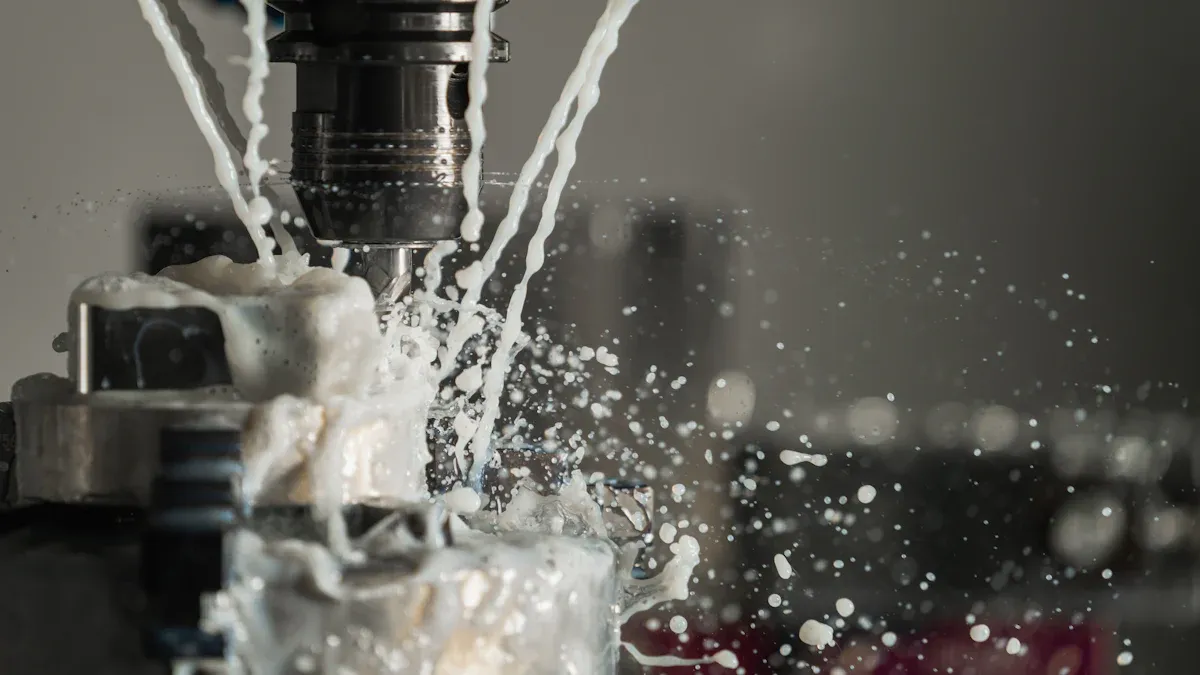
Siemens' latest SINUMERIK ONE integrates hardware and software into one powerful system. This system offers significant advancements over older versions like SINUMERIK 840D and 828. This integration enables faster processing, enhanced digitalization, and improved machine performance. Modern manufacturing needs these features. Businesses should upgrade to SINUMERIK ONE. This upgrade allows them to use unparalleled integration, performance, and digitalization capabilities. It ensures smart, swift, and strong production. The SIEMENS SYSTEM provides robust control. SINUMERIKONE sets a new standard.
Key Takeaways
- SINUMERIK ONE combines hardware and software. It makes machines faster and smarter.
- It uses a digital twin. This helps test machines virtually before building them.
- The system works faster than old ones. It has a 30% faster processing power.
- SINUMERIK ONE connects to the internet easily. It links to cloud services like MindSphere.
- It has a simple design. This makes it easy for people to learn and use.
- The system saves money. It uses less energy and reduces machine downtime.
- SINUMERIK ONE helps companies stay modern. It prepares them for future technology.
The Digital Twin Advantage: Bridging Physical and Virtual with Siemens' latest SINUMERIK ONE
The digital twin is a powerful tool. It connects the physical world of machines with a virtual copy. Siemens' latest SINUMERIK ONE uses this technology fully. It creates a complete digital twin. This twin helps manufacturers in many ways.
Integrated Digital Twin Capabilities of SINUMERIK ONE
Native Virtual Machine for Comprehensive Simulation
SINUMERIK ONE includes a native virtual machine. This machine allows for full simulations. It integrates Machine Control Panels (MCPs) into the digital twin. This makes sure the virtual and real CNCs look and work the same. New features simplify engineering and work preparation within the digital twin. It offers a 3D option for a second channel. This is useful for robotic integration. Users can assign individual colors for each tool. This shows color-coded surfaces based on the tool used. The system also integrates the STEP format. This helps with complex clamping in turning. It has strong collision detection. It shows collided bodies and NC program lines. This helps quickly find and fix collision causes. The Create MyVirtual Machine software lets machine builders test engineering and software modules virtually. The Run MyVirtual Machine software helps CNC users create and check machining environments. They can optimize CNC part programs. They can also train new operators without using the actual machine.
Real-time Synchronization with Physical Machine Operations
The digital twin in SINUMERIK ONE works in real-time. It stays in sync with the physical machine. The Run MyVirtual Machine software is key to this. It forms the universal concept of the digital twin. This ensures the virtual and real controls match perfectly. This real-time link means the virtual model always reflects the physical machine's status. This helps with accurate planning and monitoring.
Benefits for Development and Commissioning with SINUMERIK ONE
Reduced Time-to-Market through Virtual Testing
Virtual testing significantly reduces the time it takes to bring products to market. The digital twin concept allows simulation of a machine tool's design and performance. This happens before the machine even starts physically. Every machine condition is simulated in real-time. Feedback goes back to the design. This removes the need for engineers to use trial-and-error on the shop floor. It offers machine builders and users flexibility. They can move from CAD to CAM to CNC machining steps. Then they go to a virtual shop floor and into virtual production. All this happens before any physical cuts. This virtual process reduces product development time. It also shortens the time-to-market for new machines.
Risk Mitigation and Error Prevention in Design
Virtual testing helps prevent errors early. Offline simulation decreases field start-up time. It increases software reliability. It finds issues during hardware development or installation. This improves software quality. It reduces the risk of machinery damage. It also lowers debugging and rework costs. Virtual commissioning eliminates errors early in development. Finding and fixing errors in the planning phase is ideal and saves money. This greatly reduces error-related costs. It helps minimize guesswork during machine startup. It addresses challenges before physical commissioning. This lowers risks and improves design efforts. It finds flaws and inefficiencies early.
Enhanced Training and Optimization Opportunities
The digital twin offers great training chances. Realistic simulation allows CNC machine users to simulate workpiece programming. They can also simulate machine setup and operation. All this happens on a PC. Training can happen using the digital twin instead of the real machine. This helps new operators learn safely and effectively. It also allows for optimizing processes without stopping production.
How SINUMERIK ONE Surpasses 840D and 828 in Virtualization
Limited or Add-on Virtualization in Older Systems
Older systems like SINUMERIK 840D and 828 had limited virtualization. Their virtualization often came as add-on tools. These tools were not deeply integrated into the core system. This meant they could not offer the same level of seamless digital twin functionality.
Challenges in Achieving Full Digital Twin Fidelity with 840D/828
Achieving a full digital twin with 840D and 828 was challenging. These systems lacked the native integration of hardware and software. This made it hard to create a truly accurate virtual copy. They could not match the real-time synchronization and comprehensive simulation that Siemens' latest SINUMERIK ONE provides.
Performance Unleashed: Speed, Precision, and Productivity with Siemens' latest SINUMERIK ONE
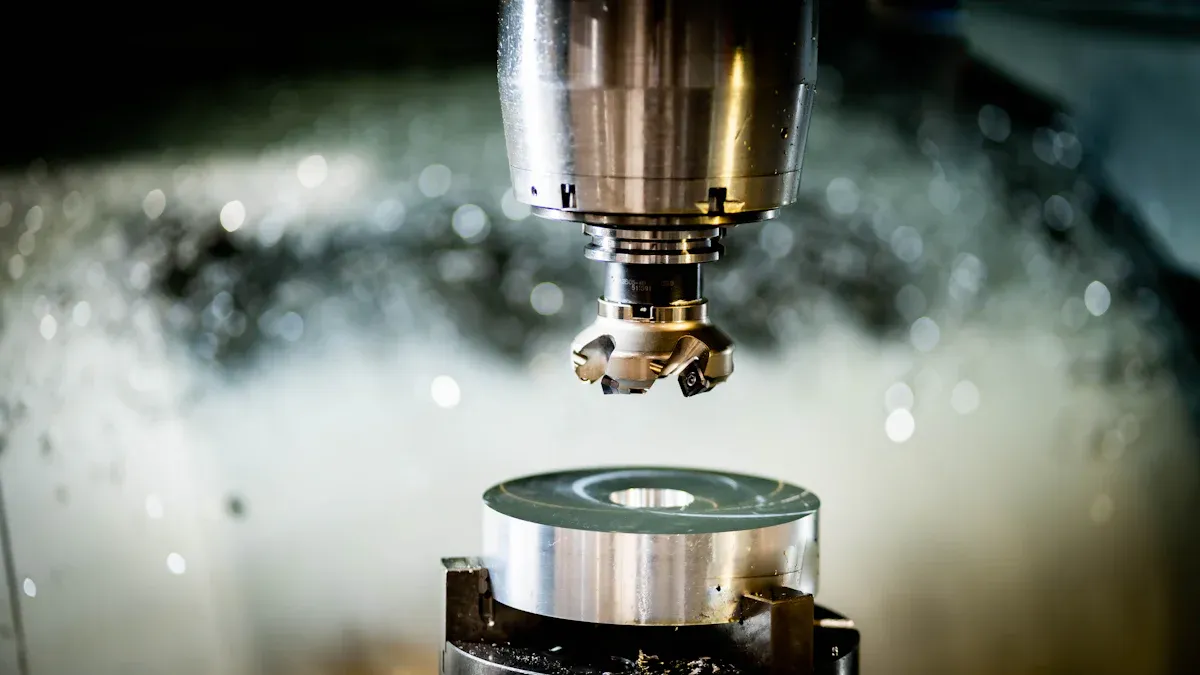
Siemens' latest SINUMERIK ONE brings a new level of performance to manufacturing. It combines speed, precision, and productivity in one powerful system. This helps businesses achieve more efficient operations.
Unified Hardware and Software Architecture of SINUMERIK ONE
Integrated PLC and NC for Faster Processing
SINUMERIK ONE features a unified hardware and software architecture. This design integrates the PLC (Programmable Logic Controller) and NC (Numerical Control) units. This integration leads to much faster processing. Chris Grimm, OEM sales account manager at Siemens, states that the control system is 30% faster in processing power alone compared to previous solutions. The integrated Simatic S7-1500F PLC helps SINUMERIK ONE achieve up to 10 times faster PLC cycle times. This is a big improvement over older controllers that had separate PLC and NC units. The Advanced Rapid Movement function, made possible by this unified architecture, allows for quicker movements between machining operations. This can increase overall machining speed by up to 10% without changing the part program.
Streamlined Communication Pathways and Data Exchange
The unified architecture also creates streamlined communication pathways. Data exchanges happen more quickly and smoothly. This reduces delays and improves the overall responsiveness of the machine. The system can process information faster, which means machines react more quickly to commands.
Enhanced Motion Control and Dynamics in SINUMERIK ONE
Superior Interpolation and Path Accuracy for Complex Machining
SINUMERIK ONE offers enhanced motion control. It provides superior interpolation and path accuracy. This is crucial for complex machining tasks. Machines can follow intricate designs with high precision.
Dynamic Response for High-Speed and Precision Operations
The system delivers a dynamic response for both high-speed and precision operations. It can quickly adjust to changing conditions. This ensures consistent quality even during fast movements.
Reduced Cycle Times for Increased Throughput
SINUMERIK ONE significantly reduces cycle times. This leads to increased throughput. For example, adaptive feed control on a similar control system reduced cycle times by 3 to 5% for gray iron castings. Optimizing tool change sequences saved 4 to 5% time when machining aluminum components. The Advanced Rapid Movement function, a new feature for Siemens' latest SINUMERIK ONE, can make machining up to 10% faster. It optimizes movement between operations.
Tangible Productivity Gains with SINUMERIK ONE
Maximized Output and Throughput in Production
Users of SINUMERIK ONE report significant gains in production output and throughput. The 30% faster processing power leads to "tremendously increased throughput." Enhanced reliability means "less downtime, which increases output." The ability to 'clone' machine settings also speeds up setup and deployment. This ensures consistent performance across many machines.
Optimized Resource Utilization and Efficiency
SINUMERIK ONE helps optimize resource utilization. Its digital twin capabilities allow virtual simulations. This helps users "identify and address potential issues in the design phase, saving time and resources." This proactive approach reduces waste. It also optimizes the use of materials and time.
Energy Efficiency Improvements in Machining Processes
The system also contributes to energy efficiency. Optimized processes and faster operations can lead to reduced energy consumption during machining. This benefits both the environment and operational costs.
Performance Limitations of SINUMERIK 840D and 828
Older control systems like SINUMERIK 840D and 828 served their purpose well. However, they face limitations compared to newer technologies. These limitations affect speed, communication, and dynamic control. Modern manufacturing demands often exceed their capabilities.
Separate PLC and NC Units Impacting Speed and Communication
SINUMERIK 840D and 828 systems typically use separate units for the PLC (Programmable Logic Controller) and NC (Numerical Control). This architecture means these two critical components operate independently. They communicate through dedicated interfaces. This separation introduces inherent delays. Data must travel between distinct hardware modules. This process takes more time than an integrated system.
For example, when the NC needs information from the PLC, it sends a request. The PLC then processes the request and sends data back. This back-and-forth communication creates latency. It slows down the overall processing speed of the machine. Complex machining tasks require constant, rapid data exchange. The separate units can become a bottleneck. This impacts how quickly the machine can react to commands. It also limits the speed at which it can execute intricate programs. This design prevents the seamless, high-speed data flow that modern production requires.
Less Dynamic Motion Control Capabilities for Modern Demands
The motion control capabilities in SINUMERIK 840D and 828 are less dynamic. These systems use older algorithms for controlling machine movements. They struggle to achieve the same level of precision and speed simultaneously. Modern manufacturing often requires machines to move very quickly while maintaining extreme accuracy.
Consider high-speed machining of complex geometries. Older systems might compromise on either speed or accuracy. They cannot always deliver both at peak performance. Their interpolation capabilities, which define how smoothly a tool moves along a path, are less advanced. This can result in less precise contours or slower machining times for intricate parts. The dynamic response of these systems is also lower. They take more time to accelerate, decelerate, or change direction. This limits their effectiveness in applications needing rapid, agile movements. Such limitations directly affect productivity and the quality of finished products in today's demanding industrial environments.
Connectivity and Future-Proofing: The Edge of Industry 4.0 with Siemens' latest SINUMERIK ONE
Modern manufacturing relies on strong connections. Siemens' latest SINUMERIK ONE excels in this area. It offers advanced connectivity and prepares businesses for the future. This system helps factories become smart and efficient.
Native IT and Cloud Connectivity of SINUMERIK ONE
Seamless Integration with IT Networks and Enterprise Systems
SINUMERIK ONE connects easily with existing IT systems. It uses Application Programming Interfaces (APIs) for this. These APIs help machines talk to other systems in the factory. The Mcenter platform also helps. It is a central solution that links machine tools with IT and operational technology. This platform forms the backbone of the Siemens Smart Shopfloor protocol. It ensures smooth data flow and secure roles.
Direct Connection to Cloud Services like MindSphere
SINUMERIK ONE connects directly to cloud services. MindSphere is Siemens' open IoT operating system. It links physical machines, web systems, and company systems. MindSphere supports many communication methods for smooth operations. Its design allows for building new connections and applications. This creates an ecosystem for developers. MindConnect ensures secure data transfer from SINUMERIK CNCs to MindSphere.
Advanced Data Analytics and Remote Monitoring Capabilities
MindSphere helps with data analysis. It processes data centrally. This allows for standard reports. Operations teams and data scientists can find new insights from current and past data. Siemens offers apps like Analyze MyPerformance and Analyze MyCondition. These apps report on machine output and status. Manage MyMachines, another MindSphere app, provides a cloud-based view of machine data. This helps with remote monitoring.
Robust Cybersecurity by Design in SINUMERIK ONE
Built-in Security Features for Data Protection
SINUMERIK ONE has strong security features built in. It encrypts data. This includes time stamps. The system also has decryption abilities. This protects sensitive information.
Safeguarding Intellectual Property and Production Data
The system uses a licensing system. This ensures parts are made exactly as designed. It also limits how many parts third-party providers can make. This protects intellectual property. It also defines the machine and materials for production.
Compliance with Modern Security Standards and Regulations
SINUMERIK ONE meets current security standards. It helps businesses follow regulations. This keeps production data safe and secure.
Scalability and Adaptability for Evolving Demands with SINUMERIK ONE
Designed for Future Expansions and Upgrades
SINUMERIK ONE is a digital-native CNC. It creates the machine controller and its digital twin from one system. This "digital first" approach supports virtual development. It reduces development time. It also allows for future upgrades through simulation.
Flexibility for New Manufacturing Technologies and Processes
The system fits well into the Totally Integrated Automation (TIA) Portal. This provides an efficient engineering framework. It helps machine builders adopt new technologies. The Run MyRobot feature simplifies robot integration. It allows operators to use robots without extra training. This helps with new technologies like 3D printing.
Long-term Investment Protection and Relevance
Create MyVirtual Machine helps machine builders map their development processes virtually. This reduces product development time. It also speeds up market entry for new machines. This protects investments and keeps the system relevant for a long time.
Connectivity Gaps in SINUMERIK 840D and 828
Older control systems like SINUMERIK 840D and 828 present significant connectivity challenges. These systems did not anticipate the extensive networking demands of modern manufacturing. Their design often creates barriers to seamless data flow and secure operations.
More Isolated Systems with Limited IT Integration
SINUMERIK 840D and 828 typically function as more isolated units. They possess limited native integration with broader IT networks and enterprise systems. Manufacturers often relied on manual data transfer or proprietary interfaces to move information. This approach created data silos. It also hindered real-time data sharing across the factory floor. Integrating these older controls into a comprehensive digital ecosystem required significant custom development. This process added complexity and cost. It also limited the ability to leverage data for operational insights. The systems simply did not offer the plug-and-play connectivity that modern operations demand.
Retrofitting Challenges for Cloud Connectivity and Data Exchange
Adding cloud connectivity to SINUMERIK 840D and 828 systems proves difficult. These older controls lack the built-in architecture for direct cloud communication. Manufacturers often need external hardware, such as gateways or complex middleware, to bridge this gap. This retrofitting process introduces additional layers of complexity. It also increases potential points of failure. Data exchange becomes less direct and less secure. Achieving real-time data streams for advanced analytics or remote monitoring becomes a significant engineering challenge. The effort and expense involved in retrofitting often outweigh the benefits, making a full upgrade a more viable option for true Industry 4.0 capabilities.
Less Comprehensive Cybersecurity Frameworks and Updates
Cybersecurity was not a primary design consideration for SINUMERIK 840D and 828. These systems offer less comprehensive cybersecurity frameworks compared to modern controls. They possess limited built-in security features to protect against contemporary cyber threats. Applying regular security updates also presents challenges. The update mechanisms are often less streamlined or require more manual intervention. This leaves older systems more vulnerable to data breaches and operational disruptions. Protecting intellectual property and production data becomes a greater concern. Modern manufacturing environments require robust, continuously updated security protocols. Older systems struggle to meet these evolving demands effectively.
Operational Simplicity and User Experience with Siemens' latest SINUMERIK ONE
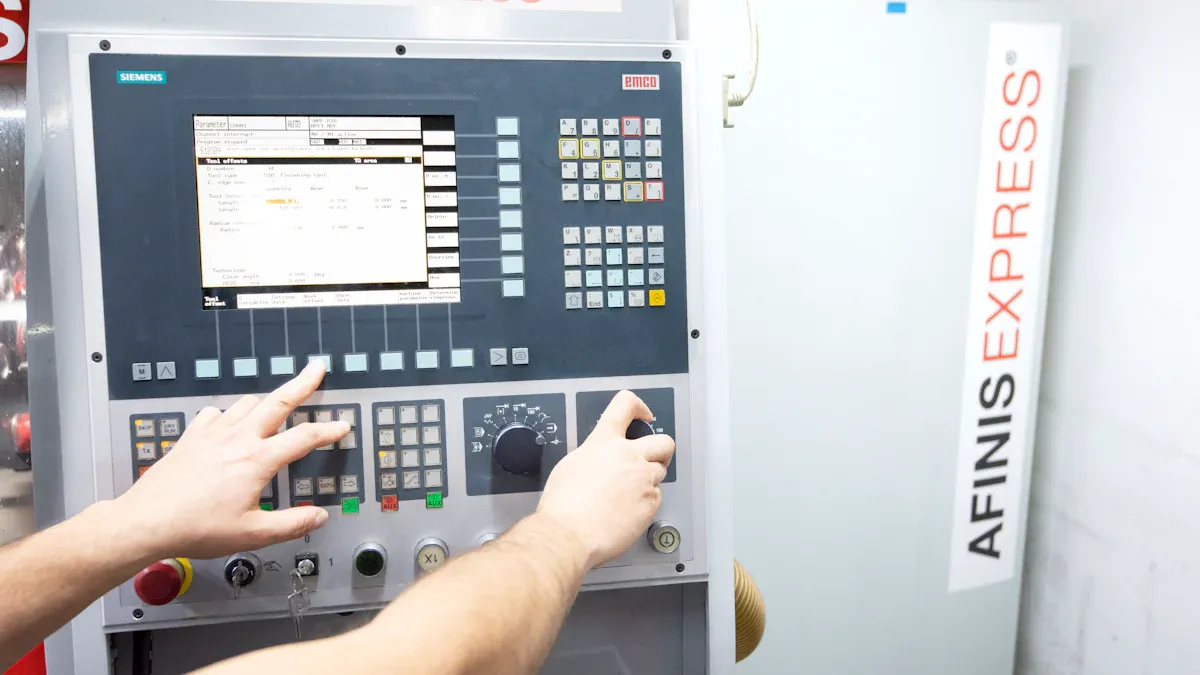
Modern manufacturing demands controls that are powerful yet easy to use. Siemens' latest SINUMERIK ONE delivers an exceptional user experience. It simplifies complex operations and enhances overall efficiency.
Intuitive User Interface and Programming in SINUMERIK ONE
Streamlined Operation for Reduced Training Time
The system features a highly intuitive user interface. Operators find it easy to navigate. This design significantly reduces the time needed for training new personnel. They can quickly become proficient with machine operations. This helps factories maintain productivity even with new staff.
User-Friendly Programming Environment and Tools
SINUMERIK ONE offers a user-friendly programming environment. It includes advanced tools that simplify complex tasks. Programmers can create and modify part programs with greater ease. This speeds up the development process for new products. It also allows for quick adjustments to existing ones.
Minimized Operator Errors and Rework
An intuitive interface and clear programming tools lead to fewer mistakes. Operators make fewer errors during setup and production. This reduces the need for rework. It saves time and materials. The system guides users, preventing common pitfalls.
Integrated Safety Functions in SINUMERIK ONE
Enhanced Safety Features Directly within the Control System
Safety is a core component of SINUMERIK ONE. It integrates enhanced safety features directly into the control system. These functions protect both operators and machinery. They work seamlessly with all machine operations.
Simplified Compliance with Safety Regulations
The integrated safety functions help businesses meet strict industry regulations. The system simplifies compliance. It provides built-in safeguards that adhere to international standards. This reduces the effort required for safety audits.
Improved Operator Protection and Machine Reliability
Directly integrated safety measures offer superior protection for operators. They minimize risks on the shop floor. This also increases machine reliability. Fewer accidents mean less downtime and more consistent production.
Advanced Maintenance and Diagnostics with SINUMERIK ONE
Advanced Diagnostic Tools for Faster Troubleshooting
SINUMERIK ONE includes advanced diagnostic tools. These tools quickly identify issues. They provide clear information about machine status. This allows maintenance teams to troubleshoot problems much faster. They pinpoint the exact cause of a fault.
Predictive Maintenance Capabilities for Uptime Optimization
The system offers predictive maintenance capabilities. It monitors machine health in real-time. It can anticipate potential failures before they occur. This allows for scheduled maintenance. It prevents unexpected breakdowns.
Reduced Downtime and Maintenance Costs
Predictive maintenance and fast diagnostics significantly reduce machine downtime. Businesses save money on emergency repairs. They also optimize maintenance schedules. This leads to lower overall operational costs and increased productivity.
User Experience in SINUMERIK 840D and 828
Older control systems, like SINUMERIK 840D and 828, offered a different user experience. They met the needs of their time. However, they presented challenges in terms of ease of use and advanced features. Modern manufacturing demands more intuitive and integrated solutions.
Steeper Learning Curve for Operation and Programming
Operators and programmers faced a steeper learning curve with SINUMERIK 840D and 828. These systems often required extensive training. Users needed specialized knowledge to master their functions. The interfaces were less intuitive. They did not offer the streamlined workflows found in newer controls. Programmers spent more time writing and debugging code. This increased the time for new product development. New operators took longer to become proficient. This impacted overall productivity. The complexity of these systems meant a greater investment in human capital for training.
More Complex Safety System Integration and Configuration
Integrating safety functions into SINUMERIK 840D and 828 was often more complex. These systems typically required external safety components. Engineers had to configure these components separately. This added layers of complexity to the machine design. It also made the setup process longer. Ensuring compliance with safety regulations demanded significant effort. The separate nature of safety systems meant more wiring and programming. This increased the potential for errors during installation. It also made troubleshooting more difficult. Maintaining these complex safety setups required specialized expertise.
Less Advanced Diagnostic Capabilities and Predictive Features
SINUMERIK 840D and 828 offered less advanced diagnostic capabilities. Operators often relied on manual checks to identify machine issues. Troubleshooting problems took more time. The systems provided basic error codes. They did not offer the detailed insights of modern controls. Predictive maintenance features were largely absent. Machines typically operated until a failure occurred. This led to unexpected downtime. It also increased maintenance costs. The lack of real-time monitoring meant less optimized machine performance. Businesses could not anticipate potential problems. This reactive approach hindered efficiency and throughput.
Economic Impact and Return on Investment with Siemens' latest SINUMERIK ONE
Businesses seek financial benefits from technology investments. Siemens' SINUMERIK ONE offers significant economic advantages. It provides a strong return on investment through various efficiencies and capabilities.
Cost Savings through Efficiency with SINUMERIK ONE
Reduced Energy Consumption in Machining Operations
SINUMERIK ONE helps reduce energy use. Its optimized processes and faster operations mean machines run more efficiently. This leads to lower electricity bills for manufacturers. Energy savings contribute directly to a company's bottom line.
Optimized Material Usage and Waste Reduction
The system promotes sustainable manufacturing. SINUMERIK ONE is designed for sustainability. It carries the Siemens EcoTech Label. Its use of digital twins helps achieve measurable improvements. These include lower scrap and rework rates in manufacturing processes. This reduces material waste. It also saves money on raw materials.
Lower Maintenance and Downtime Costs
Advanced diagnostics and predictive maintenance features reduce costs. The system identifies potential issues before they cause breakdowns. This allows for planned maintenance. It prevents unexpected machine stoppages. Less downtime means more production hours. It also lowers emergency repair expenses.
Increased Competitiveness with SINUMERIK ONE
Faster Product Development and Market Entry
SINUMERIK ONE accelerates product development. Its digital twin capabilities allow virtual testing. This speeds up the design and validation phases. Companies can bring new products to market faster. This provides a competitive edge.
Higher Quality and Consistency in Production Output
The system delivers superior precision and control. This results in higher quality products. It also ensures consistent output. Fewer defects mean less rework and higher customer satisfaction. This strengthens a company's reputation.
Ability to Handle More Complex and Diverse Orders
SINUMERIK ONE's advanced capabilities allow manufacturers to take on more challenging projects. It handles complex geometries and diverse materials with ease. This expands a company's service offerings. It attracts a wider range of customers.
Long-Term Value Proposition of SINUMERIK ONE
Extended Machine Lifespan and Modernization Potential
The system is built for longevity. Its modular design allows for future upgrades. This extends the lifespan of machine tools. Companies can modernize their equipment without full replacement. This protects their initial investment.
Attracting and Retaining Skilled Workforce with Advanced Technology
Modern technology appeals to skilled workers. SINUMERIK ONE offers an intuitive and advanced user experience. This helps attract and retain talented operators and engineers. A skilled workforce is crucial for sustained success.
Future-Proofing Against Technological Obsolescence
SINUMERIK ONE is designed with Industry 4.0 in mind. Its connectivity and adaptability ensure it remains relevant. It integrates with new manufacturing technologies. This future-proofs a company's operations against rapid technological changes.
SINUMERIK ONE represents a major change from older systems. It offers unmatched integration, performance, and digitalization. Its benefits in digital twin technology, processing power, connectivity, user experience, and economic impact are crucial for modern manufacturing. SINUMERIK ONE is the best choice for businesses. It helps them achieve smart, swift, and strong production in the Industry 4.0 era. This ensures future competitiveness and excellent operations.
FAQ
What is SINUMERIK ONE?
SINUMERIK ONE integrates hardware and software into one powerful system. It offers faster processing and enhanced digitalization. This system improves machine performance for modern manufacturing. It provides unparalleled integration and capabilities for production. 🚀
How does the digital twin benefit manufacturers?
The digital twin allows comprehensive simulation. It reduces time-to-market through virtual testing. Manufacturers prevent errors early in design. It also offers enhanced training opportunities for operators. This bridges physical and virtual machine operations. 💡
What makes SINUMERIK ONE faster than older systems?
SINUMERIK ONE features a unified hardware and software architecture. It integrates the PLC and NC for faster processing. This design leads to quicker movements and reduced cycle times. It processes data 30% faster than previous solutions. ⚡
How does SINUMERIK ONE support Industry 4.0 connectivity?
It offers native IT and cloud connectivity. The system integrates seamlessly with IT networks and enterprise systems. It connects directly to cloud services like MindSphere. This enables advanced data analytics and remote monitoring capabilities. 🌐
Is SINUMERIK ONE easy for operators to use?
Yes, it features an intuitive user interface. This streamlines operations and reduces training time. It also offers a user-friendly programming environment. This minimizes operator errors and rework. The system guides users effectively. 👍
What economic advantages does SINUMERIK ONE provide?
It offers cost savings through efficiency. The system reduces energy consumption and optimizes material usage. It also lowers maintenance and downtime costs. This leads to increased competitiveness and a strong return on investment. 💰
How does SINUMERIK ONE compare to SINUMERIK 840D and 828?
SINUMERIK ONE surpasses older systems in many ways. It offers integrated digital twin capabilities. It has unified hardware for faster performance. It provides native cloud connectivity and enhanced cybersecurity. Older systems had limitations in these areas. ✨