










The current state of Heidenhain delivery time explained
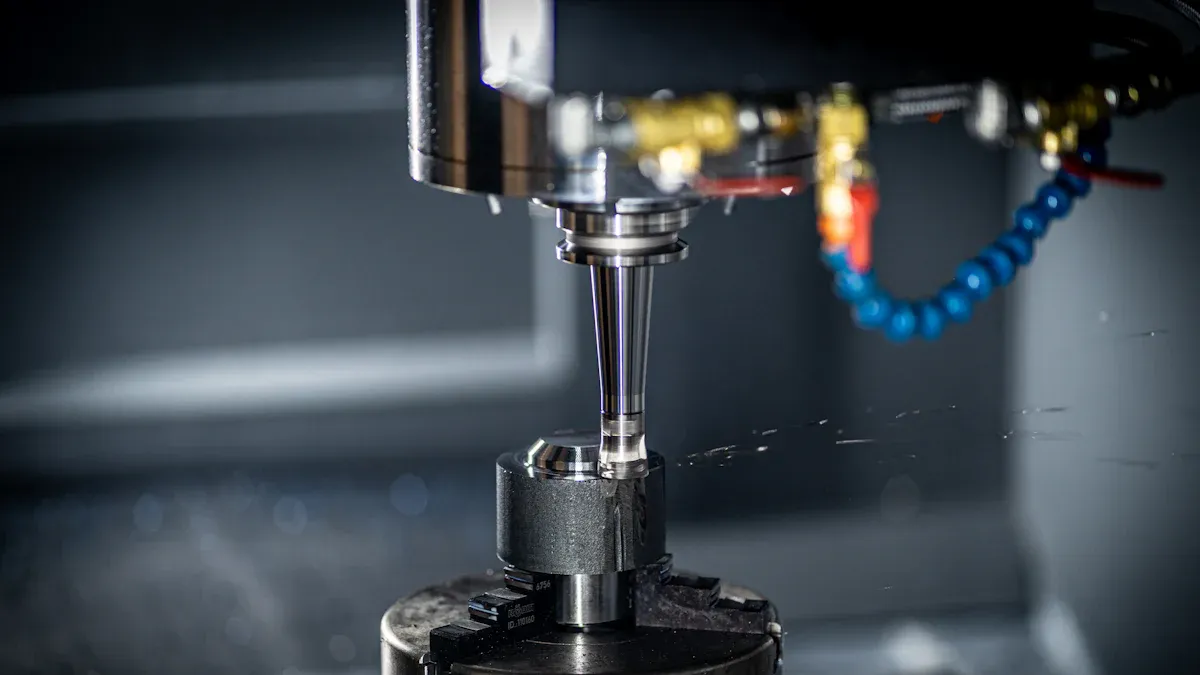
Global supply chain disruptions significantly extend product delivery times in 2026. These challenges require careful navigation. Increased demand for automation components also contributes to longer lead times. For example, high demand for a Heidenhain handwheel impacts availability, highlighting the industry's growth. Furthermore, Heidenhain's internal manufacturing capacity limits further influence current delivery schedules. These factors combine, presenting a complex picture for product availability.
Key Takeaways
- Global problems make Heidenhain product delivery times longer.
- Shortages of computer chips and raw materials cause delays.
- Shipping problems and port traffic also slow down deliveries.
- More people want automation tools, which increases demand for Heidenhain products.
- Heidenhain works to get parts from many different suppliers.
- Heidenhain makes its factories better to produce more items faster.
- Customers should order early and talk often with Heidenhain.
- Delivery times will slowly get better, but global events can still cause issues.
Global Supply Chain Disruptions Impacting Heidenhain Delivery Time

Global supply chain disruptions present significant hurdles, directly influencing Heidenhain's product availability. These challenges stem from various interconnected issues, creating a complex environment for manufacturers worldwide. Overcoming these obstacles requires resilience and innovative solutions.
Semiconductor Shortages and Their Effect on Delivery Time
Critical electronic components affected
The ongoing global semiconductor shortage profoundly impacts the availability of critical electronic components essential for Heidenhain's precision instruments. While some improvements are visible, demand continues to outstrip supply, especially for mature process nodes (40 nanometers and above) and advanced AI-related technologies. Experts anticipate a potential shortage in mature nodes in late 2025 or 2026. This arises from underinvestment in these crucial technologies and a strong rebound in demand, particularly from the automotive industry. Analog chips, which rely heavily on mature processes, also face bottlenecks. The chip supply chain will likely experience ongoing challenges for several years. This situation means manufacturers like Heidenhain must navigate a landscape where essential components remain difficult to acquire, directly affecting production schedules.
Raw Material Scarcity and Extended Delivery Time
Delays in sourcing specialized metals and plastics
Raw material scarcity further complicates the manufacturing landscape, leading to extended delivery times for many products. Broader economic challenges and uncertainties within the manufacturing sector have contributed to heightened financial stress for many companies, including those supplying Heidenhain. Supply chain disruptions are impacting component availability and lead times for Heidenhain, a significant challenge in the encoder market. Sourcing specialized metals and plastics, vital for Heidenhain's high-precision components, faces delays. These material shortages create ripple effects throughout the production process, extending the time it takes to bring finished products to customers. Companies must adapt and find new ways to secure these essential resources.
Logistics and Shipping Bottlenecks Affecting Delivery Time
Port congestion and increased freight costs
Logistics and shipping bottlenecks represent another major factor contributing to extended delivery times. Several issues converge to create these challenges. Inadequate storage infrastructure for large vessels at destination ports often causes delays in material unloading and severe congestion. Poor road conditions, insufficient technological development, and adverse weather also contribute to these problems. Port congestion, particularly at busy hubs like those on the US West Coast, means vessels can remain stuck for days, creating backlogs in warehouses and significant delays in final delivery. Political instability, war, storage charges, and holiday seasons further exacerbate these issues.
The COVID-19 pandemic severely constrained supply chains, leading to material shortages due to shipping and port congestion. Container shipping costs from China to US West Coast ports soared to over $20,000 per 40-foot container in 2021, a dramatic increase from approximately $2,500 pre-pandemic. Increased COVID-19 cases globally slowed container turnaround times, causing bottlenecks in container storage and challenges in moving goods. Ships experienced extended waiting periods outside ports, sometimes up to two weeks, compared to one or two days previously. This made it difficult to get materials to markets at the required pace, leading to longer lead times.
Workforce disruptions also play a critical role. Despite technological advancements, port operations heavily rely on human labor. Lockdowns, like the shutdown of Yantian terminal, caused weeks-long bottlenecks. Strikes also significantly impact operations and lead to substantial economic losses. Unexpected surges in demand for specific goods, such as the consumer spending increase in Q2 2020, can overwhelm shipping lines that cannot quickly scale up capacity. This led to container shortages, with empty containers stranded in the US and Europe, preventing exports from Asian ports. Furthermore, unpredictable events like extreme weather, war, natural disasters, epidemics, and sudden legal changes (force majeure) can disrupt supply chains. The Suez Canal blockage serves as a powerful example of such an event causing prolonged bottlenecks. Festive seasons and celebrations, with their predictable surges in demand, also overwhelm shipping capacity. Chinese New Year, for instance, creates massive disruptions as exporters rush to ship goods beforehand, leading to bottlenecks at ports.
Surging Demand for Automation and Precision Measurement Extending Delivery Time
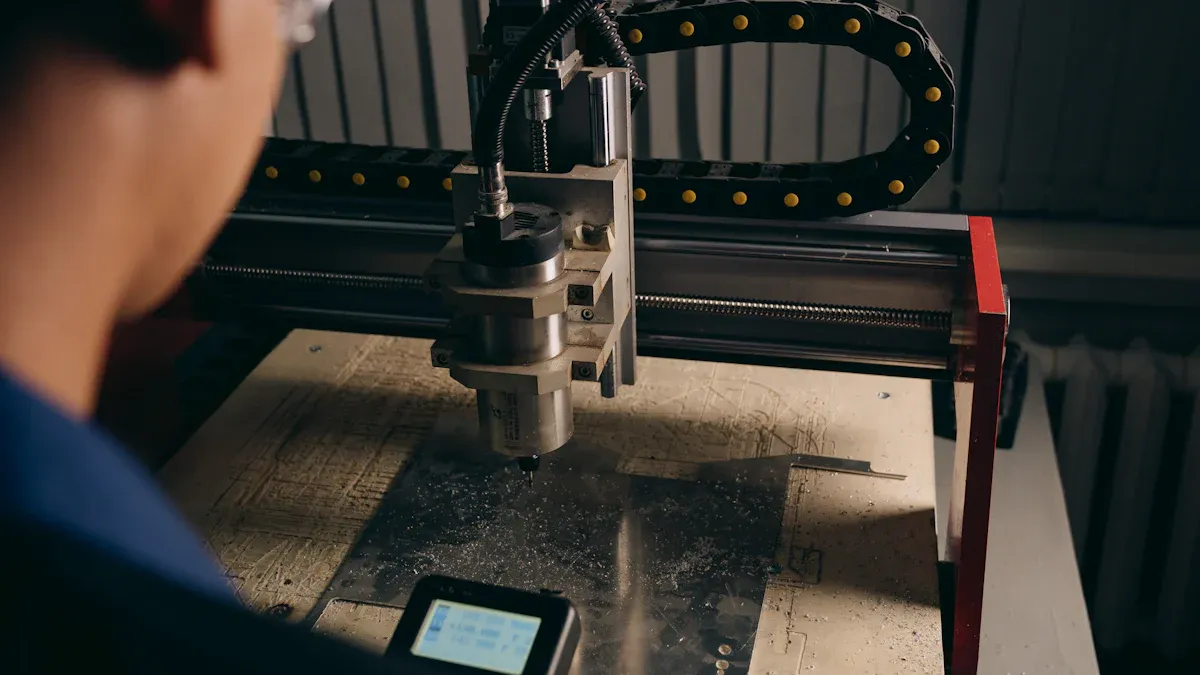
The world is embracing new technologies, and this creates an exciting surge in demand for automation and precision measurement solutions. This increased need directly impacts Heidenhain's product availability, extending the delivery time for many essential components. Businesses worldwide recognize the power of advanced manufacturing, driving this significant growth.
Industry 4.0 and Digitalization Trends Driving Demand
Increased adoption of Heidenhain's core products
Industry 4.0 and digitalization trends are transforming manufacturing, leading to a remarkable increase in the adoption of Heidenhain's core products. Companies are integrating advanced technologies like the Internet of Things (IoT) and automation. This drives a greater need for sophisticated Coordinate Measurement Systems (CMS) with smart capabilities. The global manufacturing sector's push for digital transformation and automation accelerates the integration of Industry 4.0 principles within the CMS market. This leads to smarter, interconnected measurement solutions. These solutions significantly improve precision and operational efficiency.
Technological advancements in IoT, AI, and cloud computing enable real-time data acquisition and analysis in CMS devices. This facilitates predictive maintenance, reduces downtime, and enhances calibration accuracy. All these advancements align perfectly with the broader Industry 4.0 ecosystem. Smart factories, powered by Industry 4.0 and digital transformation, require high-precision, reliable, and efficient quality control tools. Optical measuring machines are perfect examples. These factories use Industry 4.0 technologies to collect, share, and analyze real-time data from machines and production systems. Advanced technologies such as AI and Machine Learning (ML) are crucial for analyzing vast amounts of production data. This empowers businesses to improve quality control and become more flexible and efficient. A 2024 survey indicates that 47% of manufacturers globally plan to increase investment in smart factory technologies, especially AI.
Post-Pandemic Economic Recovery and Its Influence on Delivery Time
Resurgence in manufacturing and capital expenditure
The post-pandemic economic recovery has shown the incredible resilience of the manufacturing sector. While the economy has seen some recent softening, experts anticipate continued growth over the next few years. They believe any potential recession would not severely impact manufacturing. The metalworking industry experienced strong business for the past two years. U.S. machine tool consumption and the Gardner Business Index showed positive growth since late 2020.
Despite a projected 19% decrease in the U.S. machine tool market for 2023, following five strong years, it will remain at a healthy $7 billion consumption level. Conversely, the cutting tool and workholding markets expect growth of 5% and 8% respectively in 2023. The Gardner Business Index (GBI) indicates slowing or no growth in metalworking segments for the past 3-6 months. However, it anticipates a return to a strong growth curve within 6-9 months. This resurgence in manufacturing and capital expenditure fuels the demand for precision components.
Significant bright spots in 2023 capital spending include:
- The job shop market continues to grow, representing the largest market for machine tools (almost $2.5 billion).
- Next largest markets are industrial machinery ($900M), aerospace ($600M), and automotive ($500M).
- Smaller plants (fewer than 100 employees) will account for a majority of capital investment in many manufacturing categories.
- Industries increasing spending next year include Non-auto forming & fabricating, Aerospace, Electronics/computers/telecom, and Medical.
- The main objective for investing capital remains improving productivity and efficiency.
- Increasing capacity is a growing reason for investing capital, particularly in the job shop market.
- Machining centers account for nearly 40% of capital spending in 2023, followed by turning centers (25%), grinding machines (9%), and EDM and screw machines (both about 4%).
- Spending on Swiss-type and other screw machines will continue growth trends, up about 33% in 2023.
Specific Sector Growth Contributing to Longer Delivery Time
High demand from medical, aerospace, and automotive industries
High demand from critical sectors like medical, aerospace, and automotive industries significantly contributes to longer delivery times for precision components. These industries rely heavily on the accuracy and reliability that Heidenhain products provide. The global Automatic Measuring Systems (AMS) market is a testament to this growth. It projects a Compound Annual Growth Rate (CAGR) of approximately 7.2% over the next five years (2023-2028). The market was valued at about USD 8.5 billion in 2023 and expects to reach an estimated USD 12.2 billion by 2028. This consistent expansion across vital industries underscores the ongoing need for Heidenhain's advanced solutions.
| Metric | Value |
|---|---|
| CAGR (2025 - 2035) | 11.33% |
| 2024 Market Size | 1011.51 (USD Billion) |
| 2035 Market Size | 3294.51 (USD Billion) |
Heidenhain's Internal Challenges Affecting Product Delivery Time
Heidenhain navigates several internal challenges. These factors significantly influence product availability. Understanding them helps explain current production schedules. The company remains dedicated to overcoming these hurdles, always striving for excellence.
Production Capacity Limitations and Delivery Time Constraints
Difficulty in rapidly expanding manufacturing lines
Heidenhain creates precision components. This work demands specialized equipment and intricate processes. Expanding these manufacturing lines quickly presents a significant challenge. It requires substantial financial investment. New, advanced machinery also has long lead times for acquisition and installation. Setting up these complex systems takes careful planning and precise calibration. This inherent limitation directly affects how fast Heidenhain can increase its output to meet surging global demand. The company strives for excellence in every product it manufactures. This commitment means deliberate, thoughtful expansion, not rushed shortcuts. They ensure every new line meets their rigorous high standards before becoming operational. This meticulous approach guarantees product quality and reliability, even if it impacts the speed of scaling production. Heidenhain builds for the future, not just for today's immediate needs.
Skilled Labor Shortages Impacting Production Efficiency
Challenges in recruiting specialized personnel
Manufacturing precision instruments needs highly skilled engineers and technicians. These experts possess unique knowledge and extensive experience in complex fields. A global shortage of these specialized workers currently exists across many industries. Recruiting and training new personnel takes considerable time and effort. It also requires significant resources to bring them to the necessary level of expertise required for Heidenhain's demanding production environment. This shortage impacts overall production efficiency. It also affects the ability to scale up operations quickly to meet market demands. Heidenhain invests deeply in its people and their development. The company actively seeks the best talent, fostering a culture of continuous learning. This ensures they maintain their high standards of craftsmanship and innovation, building a strong foundation for tomorrow.
Rigorous Quality Control Protocols and Delivery Time
Standards that cannot be rushed
Heidenhain is famous worldwide for its exceptional quality and precision. Its products undergo stringent quality control checks. These checks happen at every stage of production, from the initial raw materials to the final assembly and calibration. The protocols are non-negotiable. They guarantee product reliability and performance in critical industrial applications. Rushing these essential checks would compromise the integrity and quality of the product. Heidenhain will not do this, as their reputation rests on unwavering excellence and customer trust. This unwavering commitment to quality inherently adds to the production timeline. It directly affects the overall delivery time for their advanced solutions. Quality remains paramount for Heidenhain. It stands as a testament to their dedication to their customers, ensuring every product performs flawlessly and consistently. This commitment builds lasting trust and confidence.
Heidenhain's Strategies to Improve Delivery Time
Heidenhain actively implements various strategies to overcome current challenges. The company focuses on innovation and resilience. These efforts aim to improve product availability and shorten delivery time for customers worldwide. Heidenhain is committed to finding solutions and building a stronger future.
Supply Chain Diversification Efforts
Securing alternative suppliers
Heidenhain understands the importance of a robust supply chain. The company actively works to diversify its supplier base. This means finding and partnering with new suppliers for critical components and raw materials. By securing alternative sources, Heidenhain reduces its reliance on single suppliers. This strategy helps mitigate risks from regional disruptions or unexpected shortages. It builds a more resilient supply chain. This proactive approach ensures a steady flow of materials. It helps Heidenhain continue producing high-quality products for its customers.
Production Optimization and Investment for Faster Delivery Time
Increasing output and efficiency
Heidenhain makes significant investments in its production processes. The company aims to increase output and boost efficiency. These efforts help meet the growing demand for its advanced products. Heidenhain uses automatic loading systems. These systems increase efficiency for small lot sizes. This is especially helpful for customized products in medical and automotive engineering.
Heidenhain also connects its machines vertically. This uses a powerful interface between NC systems and ERP/MES systems. The company uses metrics like overall equipment effectiveness (OEE) to find more ways to improve efficiency. NC controls for machine tools also play a role. They offer methods for tool and collision detection. They optimize motion control and actively compensate for vibrations. This addresses risks in automation for small lot sizes.
Heidenhain forms strategic partnerships. The company works with Fastems, a producer of factory automation systems. Fastems provides flexible production systems. These include robot-supported automation solutions and production control software. They also offer interlinked systems like the RoboFMS ONE pallet automation system. Heidenhain also partners with PROMOT Automation. This company specializes in machine tool automation. PROMOT offers a versatile module system. This system allows for adaptable, fully automated workpiece, pallet, and tool handling. This helps reduce production costs per part.
Heidenhain also develops new technologies. The company created the vTNC7 programming system. This system features digital twin capabilities. It debuted globally in September and will be available in January 2026. Heidenhain also offers robot retrofits for existing machines. These retrofits use HEIDENHAIN controls. They automate manufacturing processes. This helps address staffing shortages and time pressures. It also enables unattended shifts. Heidenhain provides support for smooth communication between the robot and the control. Heidenhain offers various control solutions. These solutions optimize machining. They improve process precision, automation, and overall productivity.
Enhanced Communication Regarding Delivery Time
Informing customers about lead times
Heidenhain believes in clear and open communication with its customers. The company works hard to keep customers informed about current lead times. This transparency helps customers plan their projects more effectively. Heidenhain provides regular updates. This ensures customers have the most accurate information available. This commitment to clear communication builds trust and strengthens relationships. It helps everyone manage expectations during these challenging times.
Customer Actions to Mitigate Heidenhain Delivery Time Impact
Customers can take powerful steps to navigate the current landscape of extended delivery times. Proactive strategies empower businesses to minimize disruptions and maintain operational efficiency. By embracing foresight and collaboration, customers can transform challenges into opportunities for stronger planning and more resilient operations.
Early Planning and Forecasting for Orders
Importance of placing orders well in advance
Early planning and accurate forecasting are crucial for securing essential components. Placing orders well in advance gives businesses a significant advantage. It allows them to align their needs with Heidenhain's production schedules. Advanced tools can revolutionize this process. For example, AI-driven logistics forecasting predicts potential part failures and optimizes inventory levels. It also strengthens sourcing decisions. This technology integrates logistics data with maintenance data, such as spare parts consumption, lead times, and failure frequencies. This helps with maintenance planning.
Advanced forecasting tools reduce the need for large safety stocks. They continuously update based on real-time signals. These signals include supplier reliability, historical variability, demand shifts, and transportation constraints. This can potentially reduce buffer stock by 20–40%. Key capabilities of AI-driven logistics solutions include:
- Real-time forecast updates
- End-to-end visibility across the supply chain
- Scenario simulation for various outcomes
- Automated SKU prioritization
- Exception-based alerts
- Recommendations for replenishment, production planning, and capacity allocation
Forecasting also strengthens sourcing decisions. It provides forward visibility on material constraints. This allows for pre-negotiated contracts and supplier diversification for high-risk items. Businesses can reserve critical capacity and optimize order quantities.
Customers can also implement internal strategies to improve their lead times. Consider these powerful actions:
- Bring External Processes In-House: Gain greater control over production tasks. This can reduce lead times and avoid unexpected delays. It offers reduced expenses, full control over customer service and lead time management, access to granular data for informed decisions, and more flexibility.
- Increase Capacity: Update production tools, resources, and technology. Use automation equipment like conveyors and Automated Guided Vehicles (AGVs). This improves capacity and addresses increased lead times caused by inadequate infrastructure.
- Use Standard Components: Switch from custom components to standard ones when possible. This reduces lead times, saves time in engineering and production, and lowers costs. Collaborate with designers to adjust designs for standard components.
- Use Automation Software: Automate inventory management, order entry, order processing, and other workflows. This eliminates human error, speeds up order processing, improves order tracking, and creates better data for predicting lead times.
- Identify and Eliminate Bottlenecks: Improve efficiency and accountability. Identify inefficiencies within the organization and internal processes to reduce lead times.
- Consolidate Suppliers: Reduce the effort required for vendor management. Condense suppliers and eliminate redundant ones. While one backup supplier is common, multiple backups can strain lead times.
- Improve Internal Communication: Implement an automated workflow system. This routes order documents and notifies users. It addresses communication problems that can cause lead time issues and delays.
- Improve External Communication: Share demand and sales forecasts with suppliers. This ensures smooth process flow and addresses issues promptly. Provide Key Performance Indicators (KPIs) to motivate suppliers. Consider shared automated workflow systems for order updates.
Working closely with suppliers and providing them with accurate information is essential. The greatest opportunities to reduce lead time often occur before shipment. This happens during the phases where suppliers plan production, source raw materials, and handle related responsibilities.
Exploring Alternative Solutions for Shorter Delivery Time
Considering different product configurations
Sometimes, the exact component a customer needs might have a long lead time. Exploring alternative solutions or different product configurations can unlock faster delivery. This requires flexibility and a willingness to adapt. Customers can work with Heidenhain representatives to identify components with similar functionalities but shorter lead times. This might involve slight adjustments to project specifications.
Businesses can also enhance their own operations to support faster turnaround. Consider these powerful steps:
- Streamline internal operations: Optimize production workflows, reduce bottlenecks, and enhance warehouse efficiency. Use automation, IoT devices, and improved inventory management systems.
- Improve logistics and shipping strategies: Utilize faster shipping methods. Work with multiple carriers for flexibility. Consider regional warehouses to store inventory closer to customers.
- Continuously monitor and adjust: Track Key Performance Indicators (KPIs) like average lead times and on-time delivery rates. Identify bottlenecks. Adapt strategies based on market changes, demand fluctuations, or supplier shifts.
- Leverage inventory management solutions: Use tools like StockIQ. This offers features such as a lead time viewer and supplier performance tools. These expertly manage and improve lead times.
Maintaining Open Communication with Heidenhain
Working closely with representatives for updates
Open and consistent communication with Heidenhain representatives is invaluable. This partnership ensures customers receive the most current information regarding their orders. Regular check-ins and transparent dialogue help manage expectations effectively. Heidenhain's representatives can provide insights into production schedules, potential delays, and alternative solutions. This collaborative approach builds trust and allows for proactive adjustments. Customers who maintain strong communication lines often find themselves better prepared to navigate any changes in delivery timelines. This ensures their projects stay on track as much as possible.
The Future Outlook for Heidenhain Delivery Time
The journey toward improved delivery times is a path of continuous progress and adaptation. Heidenhain, along with the entire industry, looks forward to a future where precision components reach customers with greater speed and predictability. This outlook is shaped by dedicated efforts and a clear vision for resilience.
Expected Timeline for Delivery Time Improvement
Projections for lead time normalization
The global manufacturing landscape is gradually stabilizing. Experts anticipate a slow but steady normalization of lead times for precision components. This improvement will not happen overnight. It requires sustained effort across the entire supply chain. Companies are investing in new technologies and processes. These investments aim to streamline production and logistics. The goal is to create a more efficient system. This will allow Heidenhain to meet customer needs more consistently. The industry is moving towards a future with more reliable delivery schedules.
Long-Term Strategies for Resilient Delivery Time
Heidenhain's plans against future disruptions
Heidenhain is building a stronger, more resilient future. The company implements robust long-term strategies. These plans aim to protect against future disruptions. Heidenhain actively diversifies its supply chain. This reduces reliance on single sources. It also invests in advanced manufacturing technologies. These investments boost production capacity and efficiency. The company also fosters a culture of continuous improvement. This ensures adaptability and innovation. Heidenhain is committed to delivering high-quality products reliably. These proactive measures secure a stable future for its customers.
Continued Market Dynamics and Future Delivery Time
Influence of ongoing global events
Ongoing global economic and geopolitical events will continue to shape future delivery times for precision components. Tariffs, for example, act as government-imposed taxes on imported goods. They increase procurement costs and complicate sourcing. This can lead to production delays. Companies must restructure their supply networks in response. Geopolitical instability also presents significant challenges. A Gartner survey highlighted that 42% of procurement leaders identify supply disruptions as their top risk. Another 32% point to geopolitical instability. Forty percent reported a direct negative impact from recent geopolitical events. This often results in failures to meet on-time-in-full performance targets.
These events expose weaknesses in supply chains. Historically, these chains prioritized low costs over resilience. This has led businesses to change their inventory management. They are shifting from just-in-time to just-in-case deliveries of parts and raw materials. Companies are also expanding manufacturing sites in countries like Vietnam and India. This "China plus one" strategy helps safeguard against political uncertainty. It also mitigates inflationary effects and supply shortages. Nearshoring production to the United States is another strategy. This builds resilience against long-term political and economic uncertainty. Adaptive, resilient, and future-proof supply chains are essential. They anticipate potential disruptions and safeguard continuity.
Extended Heidenhain delivery times in 2026 present a complex challenge. Global supply chain pressures, heightened market demand, and internal production realities drive this situation. Heidenhain actively works to alleviate these challenges. Customers should anticipate continued longer lead times. Proactive planning and clear communication remain crucial. These actions help manage expectations regarding Heidenhain product delivery time. Embrace these strategies to navigate the current landscape successfully.
FAQ
Why are Heidenhain delivery times currently extended?
Global supply chain disruptions, surging demand for automation, and Heidenhain's internal production capacity limitations extend delivery times. These factors create a complex environment. Businesses navigate these challenges with resilience.
How do semiconductor shortages impact Heidenhain products?
Semiconductor shortages affect critical electronic components in Heidenhain's precision instruments. This directly influences production schedules and product availability. Manufacturers work tirelessly to secure essential parts.
What is Heidenhain doing to improve delivery times?
Heidenhain actively diversifies its supply chain, optimizes production processes, and invests in efficiency. The company also enhances communication with customers about lead times. These efforts build a stronger future.
What can customers do to mitigate delivery delays?
Customers can plan orders early, explore alternative product configurations, and maintain open communication with Heidenhain representatives. Proactive steps help manage expectations and secure needs. 🚀
When can we expect Heidenhain delivery times to improve?
Experts project a slow but steady normalization of lead times. This requires sustained effort across the entire supply chain. Heidenhain builds a more resilient future for everyone.
Does Heidenhain compromise quality to speed up production?
No, Heidenhain maintains rigorous quality control protocols. These standards guarantee product reliability and performance. Quality remains paramount, ensuring customer trust and satisfaction.
Which industries drive the high demand for Heidenhain products?
Medical, aerospace, and automotive industries show high demand. These sectors rely heavily on Heidenhain's precision and reliability. This growth fuels the need for advanced solutions worldwide