










Top 3 Mitsubishi Controller Series for Easy Machine Control
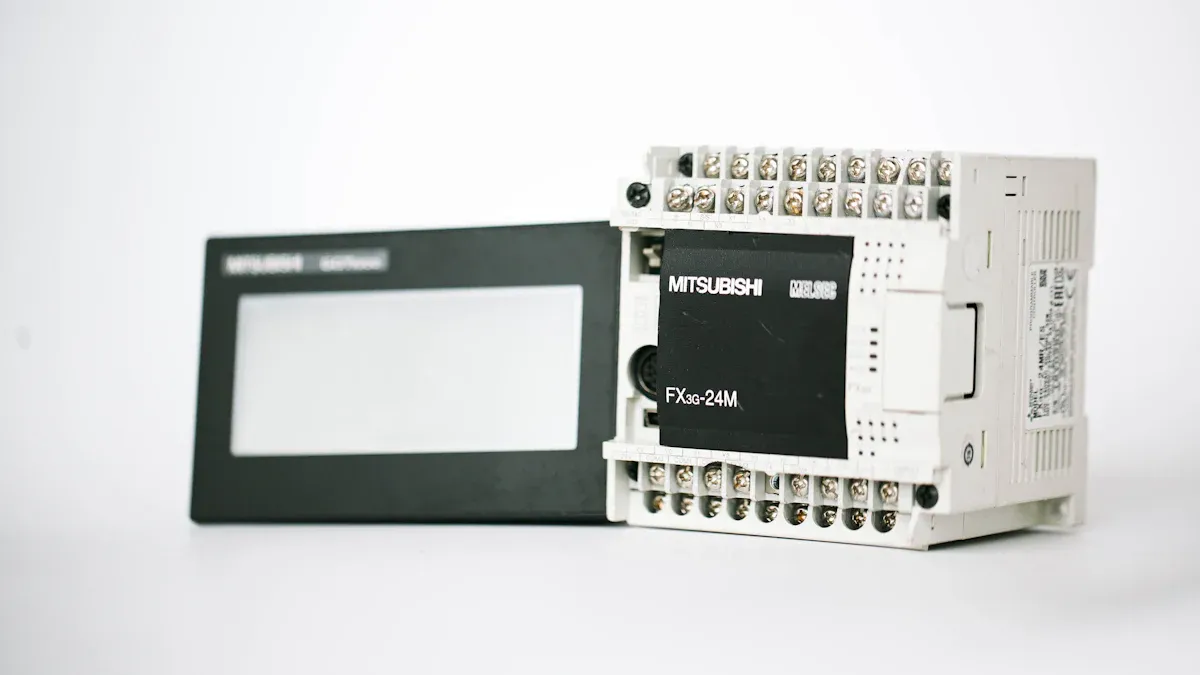
The M800/M80 Series, M700V Series, and C70 Series stand as Mitsubishi's top three controller options for easy machine control. These series offer a powerful combination of advanced functionality, user-friendliness, and robust reliability. They provide ideal solutions for various machine tool applications, including critical SYSTEM PARTS for optimal performance.
Key Takeaways
- Mitsubishi offers three main controller series: M800/M80 for complex tasks, M700V for general use, and C70 for basic control.
- The M800/M80 series provides high-speed processing and advanced AI for very precise machining and multi-axis control.
- The M700V series is versatile and reliable for many general machining jobs, offering good network options and energy savings.
- The C70 series is compact and powerful for simple tasks, making it great for small workshops and basic machines.
- Choosing the right controller depends on your machine type, budget, future plans, and how it connects with other systems.
- Accessories like operator panels, servo motors, and communication units improve controller performance and make machines work better.
- Mitsubishi provides strong support and service, including on-site help and diagnostic tools, to keep your systems running smoothly.
Mitsubishi M800/M80 Series: The Pinnacle of Performance and Usability
Prominent Mitsubishi M800/M80 Models and Their Strengths
Mitsubishi M800 Series: High-End Performance for Complex Machining
The Mitsubishi M800 Series offers high-end performance for complex machining tasks. This series features a control unit separate from its display. It includes a Windows-based display, which allows for greater expandability. The M800/M80 Series also provides a packaged type for easy machine selection and two standard expansion slots for option cards. These features make it suitable for demanding applications.
Mitsubishi M80 Series: Advanced Standard for Versatile Applications
The M80 Series serves as an advanced standard for versatile applications. It comes as a panel-in type, meaning the display is integrated directly into the unit. This series is available in a package (TypeA/TypeB) for simpler selection. Its Windows-less display ensures easy operation. Both the M800 and M80 series utilize a CNC-dedicated CPU. This CPU provides revolutionary high-speed processing. It reduces the number of parts and increases product quality. The M800W/M80W Series, for example, features a 19-type vertical display with a two-split multi-window screen. An additional SD memory card interface on the display's backside supports large-capacity machining programs.
Key Features of Mitsubishi M800/M80 for Enhanced Control
High-Speed Processing and Multi-Axis Control Capabilities
The M800/M80 Series excels in high-speed processing and multi-axis control. The M800 CNC handles high-speed, high-accuracy machining and controls multi-axis, multi-part systems. The M80 CNC provides high productivity and easy operation. Both series incorporate a CNC-dedicated CPU. This CPU boosts processing speed for high-precision machining. Positioning accuracy typically reaches within 0.005mm (5 microns). Repeatability is 0.003mm (3 microns) or better. The servo system uses MDS-E/EJ/EM servo and spindle drives. These drives have dedicated processors. They optimize smooth rotation and acceleration/deceleration for precision machine tools.
Advanced AI Functions and Adaptive Control Technologies
These controllers include advanced AI functions and adaptive control technologies. They allow the machine to learn and adjust during operation. This leads to improved efficiency and quality.
Intuitive Human-Machine Interface (HMI) for Operator Ease
An intuitive Human-Machine Interface (HMI) makes operation easy. The controllers offer a high level of screen customization. The 19-type vertical display with a two-split multi-window enhances user experience.
Integrated Safety Functions and Compliance
Integrated safety functions ensure operator protection. The controllers comply with relevant industry standards.
Benefits of Mitsubishi M800/M80 for Easy Machine Operation
Simplified Programming and Reduced Setup Times
The M800/M80 Series simplifies programming. This reduces machine setup times. Operators can quickly prepare machines for new tasks.
Enhanced Diagnostic Tools and Real-time Monitoring
Enhanced diagnostic tools and real-time monitoring provide valuable insights. Operators can track machine performance and identify issues promptly.
Improved Precision and Superior Surface Finish
These controllers deliver improved precision and superior surface finish. The specialized, high-speed CNC-dedicated CPU handles complex machining. It ensures faster cycle times through better program processing. It also provides more accurate machining due to quicker communication between the CNC and the drive. Improved SSS Control reduces machine vibration during rapid cutting. It optimizes acceleration/deceleration for each axis. This results in shorter cutting times without losing accuracy. It also contributes to a better surface finish. The SSS-4G Control system enables high-speed, high-accuracy, and high-quality machining. It allows greater cutting accuracy within the same timeframe. It can also reduce cutting time while keeping the same accuracy. Increased optical communication speed between the CNC and the drive improves system responsiveness. This leads to more precise machining outcomes.
Seamless Integration with Automation Systems
The M800/M80 Series offers seamless integration with automation systems. This allows for efficient and automated production lines.
Ideal Applications for Mitsubishi M800/M80 Controllers
High-Precision Machining and Die/Mold Manufacturing
The Mitsubishi M800/M80 controllers excel in high-precision machining. Manufacturers use these controllers for intricate tasks. They are perfect for creating detailed dies and molds. The controllers' superior accuracy ensures tight tolerances. This precision is crucial for industries requiring flawless components.
Complex Multi-Tasking Machines and 5-Axis Machining
These controllers handle complex multi-tasking machines with ease. They manage advanced 5-axis machining operations. This capability allows for the creation of parts with complex geometries. The M800/M80 series provides the necessary control for simultaneous movements across multiple axes. This leads to efficient production of sophisticated components.
Automation Integration and Robotic Cells
The M800/M80 controllers seamlessly integrate with automation systems. They connect well with robotic cells. This integration creates highly efficient production lines. Businesses achieve greater productivity through automated processes. The controllers support various applications, including:
- Machine Tool operations, including Robotic Machine Tending Automation
- Material Handling, including Crane & Hoist systems
- e-F@ctory solutions, including Edge Computing and Data Collectors
- iQ Monozukuri applications, such as Andon Solution and Packaging Solution
This broad compatibility makes them a versatile choice for modern manufacturing.
Aerospace, Medical Device, and Automotive Industries
Many critical industries rely on Mitsubishi M800/M80 controllers. The aerospace sector uses them for manufacturing high-tolerance aircraft parts. The medical device industry benefits from their precision for intricate components. The automotive industry employs these controllers for producing engine parts and other critical components. Other industries also find these controllers highly beneficial:
- Metals processing
- Mining operations
- Oil and Gas exploration and production
- Semiconductor Machinery manufacturing
- Water & Wastewater treatment, including Lift Stations
These controllers meet the stringent demands of these diverse sectors. They provide reliable performance and advanced control features. This ensures high-quality output across various specialized applications.
Mitsubishi M700V Series: Versatility and Robustness for Diverse Needs
The Mitsubishi M700V Series offers a balance of versatility and robustness. This makes it suitable for a wide range of machine tool applications. It provides reliable control in various manufacturing environments.
Prominent Mitsubishi M700V Models and Their Strengths
Mitsubishi M730V: Standard Versatility for General Machining
The M730V model provides standard versatility. It serves general machining needs effectively. Manufacturers use it for milling, turning, and grinding operations. This model offers a solid foundation for many production tasks. It balances performance with ease of use.
Mitsubishi M720V: Cost-Effective Performance for Broad Applications
The M720V model delivers cost-effective performance. It suits broad applications where budget is a consideration. This controller offers essential features without compromising reliability. It helps businesses achieve efficient production at a lower investment. Both models ensure stable operation for everyday tasks.
Key Features of Mitsubishi M700V for Reliable Control
Stable Performance and High Reliability in Demanding Environments
The M700V Series is known for its stable performance. It operates reliably even in demanding industrial environments. Its robust design ensures consistent control. This minimizes downtime and maintains production schedules.
Comprehensive Network Capabilities (Ethernet, CC-Link)
These controllers feature comprehensive network capabilities. They support Ethernet and CC-Link communication protocols. This allows for easy integration into factory networks. Machines can share data and communicate with other systems seamlessly.
Customizable HMI and User-Friendly Interface
The M700V series offers a customizable Human-Machine Interface (HMI). Operators can tailor the display to their preferences. The interface is user-friendly. This makes machine operation intuitive for various skill levels.
Energy-Saving Functions and Eco-Friendly Operation
The M700V controllers include energy-saving functions. They help reduce power consumption during operation. This contributes to eco-friendly manufacturing. Businesses can lower their energy costs and environmental impact.
Benefits of Mitsubishi M700V for Easy Machine Management
Reliable Operation and Maximized Uptime
The M700V Series ensures reliable operation. This leads to maximized machine uptime. Businesses can maintain continuous production. This dependability is crucial for meeting output targets.
Straightforward Maintenance and Efficient Troubleshooting
Maintenance for the M700V controllers is straightforward. They offer efficient troubleshooting tools. Operators can quickly identify and resolve issues. This simplifies machine management and reduces service time.
Flexible Connectivity for System Integration
The controllers provide flexible connectivity options. This allows for easy system integration. They can connect with various peripheral devices and factory systems. This enhances overall automation capabilities.
User-Friendly Interface for Operators of All Skill Levels
The user-friendly interface benefits all operators. Both experienced and new users can operate the machines easily. This reduces training time. It also improves operational efficiency across the workforce.
Ideal Applications for Mitsubishi M700V Controllers
General-Purpose Machining and Production Lines
The Mitsubishi M700V controllers fit well into general-purpose machining. They also suit various production lines. Manufacturers use these controllers for a wide array of tasks. They provide stable and consistent performance. This ensures smooth operation in busy factory environments. The M700V helps maintain continuous production. It supports efficient workflows across different stages of manufacturing.
Milling, Turning, and Grinding Applications
The M700V series excels in common machining processes. It handles milling operations effectively. It also performs well in turning applications. Furthermore, the controllers are suitable for grinding tasks. Their robust design ensures precision for these fundamental operations. Businesses rely on the M700V for consistent quality in these critical areas. It provides the necessary control for shaping and finishing parts.
Cost-Effective Automation Solutions
Businesses seeking automation often choose the M700V. It offers a cost-effective solution for many automation needs. The controllers provide essential features without a high price tag. This allows companies to automate processes within budget. They can improve efficiency and reduce labor costs. The M700V makes automation accessible for small and medium-sized enterprises. It helps them compete in modern manufacturing.
General Manufacturing and Automotive Components
The M700V controllers find widespread use in general manufacturing. They support the production of diverse goods. Many automotive component manufacturers also employ these controllers. They produce parts for cars, trucks, and other vehicles. The M700V's reliability and versatility meet the demands of this industry. It ensures high-quality output for critical automotive parts. This series provides a dependable solution for various industrial sectors.
-
Key Industries:
- General Manufacturing
- Automotive Parts Production
- Metal Fabrication
- Plastics Processing
The M700V series offers a balanced approach. It combines performance with affordability. This makes it a popular choice for many different applications.
Mitsubishi C70 Series: Compact Power for Essential Control
The Mitsubishi C70 Series delivers compact power for essential machine control. It offers a streamlined solution for applications requiring reliable, basic automation. This series provides robust performance in a small footprint.
Prominent Mitsubishi C70 Models and Their Strengths
Mitsubishi C70: Compact and Capable for Basic Control
The C70 model stands out as a compact and capable controller for basic tasks. The C70 CNC operates as a rack-based solution. It finds application in manufacturing cells, transfer lines, and rotary index machines. This controller manages up to 16 axes. It also controls up to seven program paths simultaneously using its multiple system function. Multiple C70 CNCs connect to the same rack for unlimited module machine control. It interfaces with over 4,000 I/O points via rack and various field networks. This significantly reduces wiring complexity. The C70 connects to Mitsubishi MDS-D and MDS-D-SVJ3/SPJ3 line of drives and motor packages. Its CPU speed, combined with high-speed, high-accuracy drives and motors, maximizes machine potential.
Key Features of Mitsubishi C70 for Streamlined Control
Compact Design and Small Footprint for Space Efficiency
The C70 series features a compact design. This allows for space efficiency. Its small footprint makes it ideal for machines where space is limited. Manufacturers can integrate it easily into various machine layouts.
Essential Control Functions for Basic Tasks
The C70 provides essential control functions. It handles basic tasks effectively. This controller focuses on core operations. It ensures reliable performance for straightforward machining processes.
High Reliability and Durability for Consistent Performance
This series offers high reliability and durability. It delivers consistent performance in industrial settings. Its robust construction ensures long-term operation. This minimizes unexpected downtime.
Easy Integration with Existing Systems and Machines
The C70 allows for easy integration. It connects well with existing systems and machines. Its flexible interfacing options simplify setup. This helps businesses upgrade or expand their current setups efficiently.
Benefits of Mitsubishi C70 for Easy Basic Operations
Space-Saving Installation and Flexible Machine Design
The C70 enables space-saving installation. This supports flexible machine design. Its compact size opens up possibilities for innovative machine layouts. Businesses can optimize their factory floor space.
Simple Operation and Intuitive Programming
Operators benefit from simple operation. The C70 offers intuitive programming. Users can quickly learn and master its functions. This reduces training time and improves operational efficiency.
Quick Installation and Commissioning
The C70 ensures quick installation and commissioning. Its straightforward setup process gets machines running faster. This minimizes delays in production schedules.
Dependable Performance for Basic Machining Tasks
This controller provides dependable performance. It handles basic machining tasks consistently. Businesses rely on the C70 for stable and accurate results. This makes it a solid choice for foundational automation needs.
Ideal Applications for Mitsubishi C70 Controllers
Entry-Level Machines and Small Workshops
The Mitsubishi C70 controller serves entry-level machines well. Small workshops often choose this series. Its straightforward design makes it easy to learn and operate. Businesses can equip new machines with reliable control without excessive complexity. This controller provides essential functions for basic manufacturing tasks. It helps smaller operations achieve automation efficiently. The C70 offers a cost-effective solution for those starting with CNC machining.
Smaller Footprint Applications and Dedicated Machines
The C70 excels in applications with limited space. Its compact design allows for integration into machines with a small footprint. Manufacturers use it for dedicated machines that perform specific, repetitive tasks. For example, a machine designed solely for drilling or simple cutting benefits from the C70's focused capabilities. This controller provides reliable performance without requiring extensive cabinet space. It helps optimize factory layouts.
Single-Function Machines and Specialized Equipment
Single-function machines find the C70 highly suitable. This includes equipment designed for one primary operation. Specialized equipment that does not require multi-axis complexity also benefits. The C70 provides robust control for these specific needs. It ensures consistent performance for tasks like simple grinding, basic assembly, or material feeding. Its focused feature set prevents unnecessary complexity. This makes it an ideal choice for streamlined operations.
Educational and Training Environments
Educational institutions and training centers often utilize the Mitsubishi C70. Its user-friendly interface and essential control functions make it perfect for teaching. Students can learn fundamental CNC programming and machine operation easily. The C70 provides a practical platform for hands-on training. It helps future technicians understand core automation principles. Its reliability ensures a consistent learning experience. This controller prepares individuals for more advanced systems.
-
Key Benefits for Education:
- Simple interface for beginners.
- Focuses on core CNC concepts.
- Durable for frequent use.
- Cost-effective for school budgets.
The C70 offers a solid foundation for various basic control needs. It delivers dependable performance where simplicity and efficiency are key.
Optimizing Your Mitsubishi Controller System with Essential Accessories
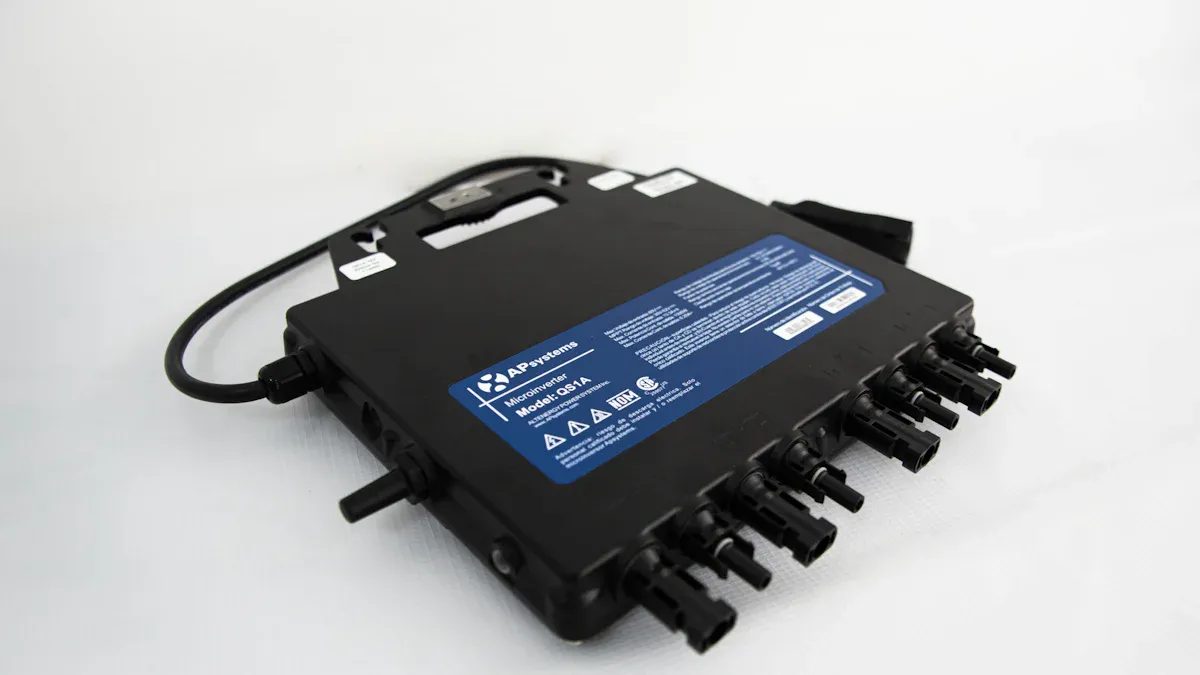
Machine tool accessories significantly enhance the capabilities of any controller system. These components work together to provide precise control, intuitive operation, and robust connectivity. Integrating the right accessories ensures a machine operates at its peak potential.
Key Mitsubishi Machine Tool Accessories for Enhanced Control
Operator Panels and HMIs for Intuitive Interaction
Operator panels and Human-Machine Interfaces (HMIs) provide the primary interaction point for machine operators. These interfaces allow users to monitor processes, input commands, and view critical data. Embedded Graphic Operation Terminals offer clear visualization and data acquisition. They make machine control straightforward and user-friendly.
Servo Motors and Drives for Precision Motion Control
Servo motors and their corresponding drives are crucial for achieving precise motion control. These components work in tandem with the controller to execute exact movements. AC Servo engineering software, like MELSERVO, helps optimize their performance. This ensures high accuracy and repeatability in machining operations.
Spindle Motors and Amplifiers for Cutting Performance
Spindle motors and amplifiers dictate the cutting performance of a machine. They provide the power and speed necessary for various machining tasks. Inverter engineering software, such as FR Configurator2, fine-tunes these components. This optimizes cutting efficiency and surface finish.
I/O Modules and Communication Units for Connectivity
I/O modules and communication units facilitate seamless data exchange within the machine and with external systems. These units support open networks and programmable logic controllers (PLCs). PLC engineering software, including iQ Works and GX Works3, manages these connections. This allows for comprehensive machine tool connectivity and integration into broader automation systems.
Benefits of Integrated Mitsubishi Accessory Solutions
Seamless Compatibility and Optimized Performance
Integrated accessory solutions ensure all components work together harmoniously. This seamless compatibility leads to optimized performance across the entire system. Mitsubishi Electric designs its Variable Frequency Drives (VFDs), HMIs, PLCs, and Low Voltage Switchgear (LVS) to function as a cohesive unit. This approach guarantees high levels of reliability and efficiency.
Simplified System Integration and Reduced Complexity
Integrating accessories from a single manufacturer simplifies the entire system setup. This reduces complexity during installation and configuration. Operators find it easier to manage a unified system. This streamlined process minimizes potential errors and accelerates deployment.
Single-Source Support and Streamlined Service
A single source for all components means streamlined service and support. When issues arise, users contact one provider for assistance. This simplifies troubleshooting and reduces downtime. It ensures quick and efficient resolution of any technical challenges.
Maximized Machine Efficiency and Productivity
Integrated solutions maximize machine efficiency and productivity. VFDs, for example, offer energy reduction solutions through precise motor control and energy optimization. Advanced control systems and software solutions optimize energy use, improve system reliability, and reduce operational costs. This leads to superior energy efficiency and long-term optimal performance.
Installation and Integration of Mitsubishi Controller Systems
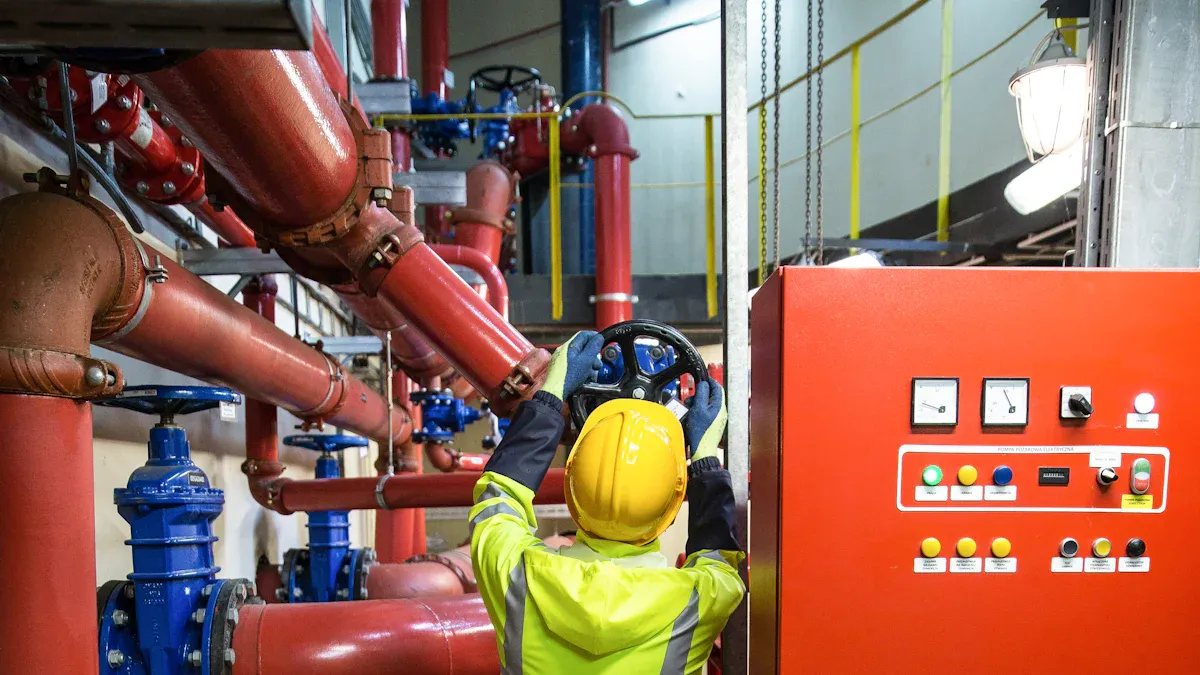
Proper installation and integration ensure optimal performance for any controller system. Careful planning and adherence to best practices streamline the process. This minimizes downtime and maximizes efficiency.
Planning for Successful Mitsubishi Controller Implementation
Assessing Machine Compatibility and Requirements
Before installation, one must assess machine compatibility. Evaluate the machine's existing electrical and mechanical systems. Determine if the controller meets the application's specific needs. Consider factors like axis count, required precision, and processing speed. This initial assessment prevents future complications.
Electrical and Mechanical Integration Considerations
Electrical and mechanical integration requires careful planning. Ensure proper power supply and grounding. Verify cable routing and connection points. Mechanical mounting must be secure and vibration-free. These steps guarantee stable and reliable operation.
Best Practices for Mitsubishi Controller Setup
Initial Configuration and Parameter Settings
Accurate parameter settings are crucial for initial configuration. Engineers use MR Configurator2 software for precise setup. This includes motor type, encoder settings, and control modes. They customize tuning by adjusting gain, speed, and torque limits. This aligns the controller with specific application needs. Advanced tuning functions, like one-touch tuning, automatically adjust gain. Real-time auto-tuning continuously optimizes performance in dynamic applications.
For PLC setup, assign a name to the PLC within the project. Configure system settings, such as remote reset for error handling. Specify file name and capacity for all devices. Define latch areas for data registers, timers, counters, and edge relays. This preserves memory state during power cycles. Configure hardware I/O, including digital input/output and analog input/output. Assign their respective hexadecimal addresses, for example, X0 for digital input. Input the IP address and subnet mask. The default IP for Q series is 192.168.3.39.
Network Setup and Communication Protocols
Proper network setup ensures seamless communication. Configure communication protocols like Ethernet or CC-Link. This allows the controller to interact with other factory systems. Verify network addresses and subnet masks. This establishes reliable data exchange.
Troubleshooting Common Mitsubishi Controller Installation Issues
Diagnostic Tools and Error Code Interpretation
Troubleshooting common issues involves specific diagnostic tools. Verify driver license installation by checking the 'Licenses' tab in Workbench Administration. View the 'Features' field. Ensure sufficient device licenses are available. Connection attempts will be rejected if active devices exceeds the license count. Confirm the driver is installed as a separate package. The node must support the CPU.
Use GX Developer, GX Works2, or FX Configurator software diagnostics. These tools debug sporadic timeout errors. Such errors may occur if the CPU is too busy. Employ the 'Validate' option on the Device panel. This performs basic diagnostics and establishes a TCP connection to the device. Use the 'Start' option on the Device List panel. This validates the device and enumerates data tags. If validation succeeds but starting fails, check the tag definition using GX Developer or FX Configurator.
Leveraging Mitsubishi Technical Support Resources
When complex issues arise, leverage technical support resources. Manufacturers provide extensive documentation and online forums. Expert technicians offer direct assistance. Utilizing these resources helps resolve problems quickly and efficiently.
Choosing the Right Mitsubishi Controller for Your Needs
Selecting the correct Mitsubishi controller is a critical decision. It directly impacts machine performance and operational efficiency. Businesses must carefully evaluate several factors to make an informed choice.
Key Factors to Consider for Mitsubishi Controller Selection
Machine Type and Complexity of Operations
The type of machine and the complexity of its operations heavily influence controller selection. Simple machines performing basic tasks require less sophisticated controllers. Complex multi-axis machines, however, demand advanced processing power and control capabilities. Matching the controller to the machine's operational needs ensures optimal performance.
Budget Constraints and Return on Investment
Budget constraints significantly influence the selection of a Mitsubishi controller series. They guide choices between genuine Mitsubishi units and more cost-effective alternatives. Genuine Mitsubishi controllers, such as the M80 or M70 series, typically have premium prices. They offer assurance of original performance and support crucial for high-precision applications. However, for tighter budgets, used or refurbished genuine units or compatible alternatives present lower-cost entry points. These options start from a few hundred dollars up to around $1,500 for feature-rich new options. These alternatives are attractive for retrofitting older machines or cost-sensitive new builds. They require a balance between the 'gold standard' of genuine Mitsubishi and a cost-effective solution that meets specific functional needs.
| Controller Type | Example Models | Price Range |
|---|---|---|
| Genuine New Mitsubishi | M80 series (FCA80P-2B) | $2,000 - $2,200 (up to much higher for complex systems) |
| Used/Refurbished Genuine | FCA-50M | $290 |
| Compatible Alternatives | SZGH 5-axis, Advanced 808M | $460 - $1,070 (up to $1,500 for feature-rich new options) |
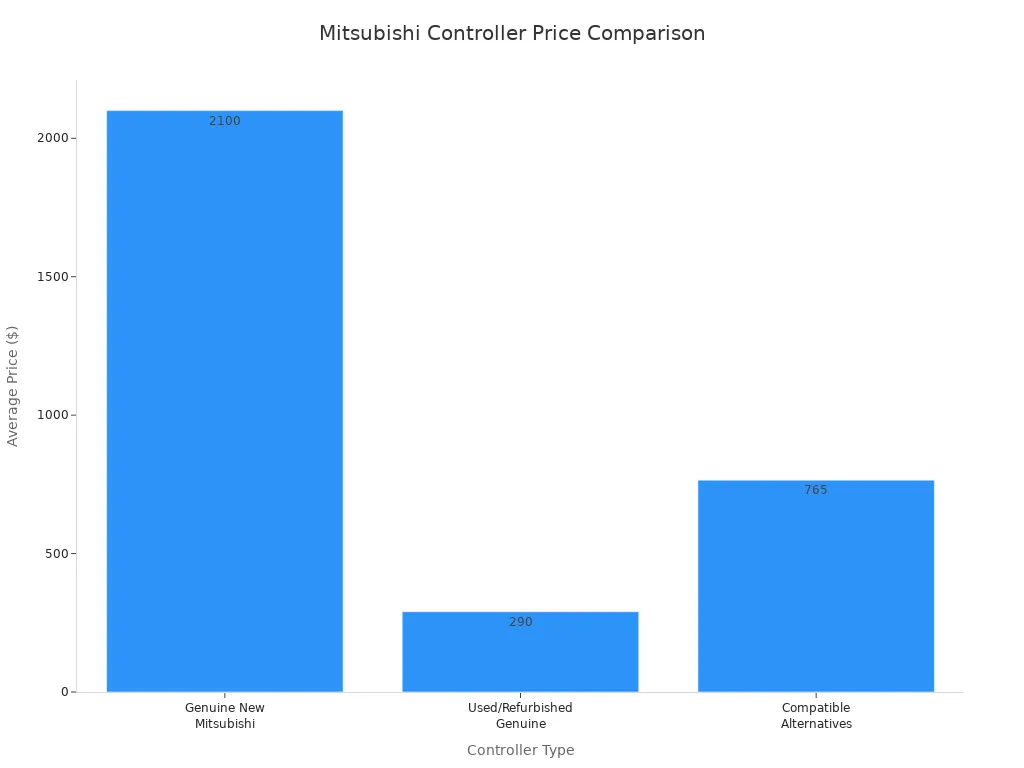
Return on investment (ROI) extends beyond the initial purchase price. It encompasses the total cost of ownership, including installation, retrofitting, training, and long-term maintenance. A higher initial investment in a robust, high-performance controller can lead to significant long-term savings and efficiency gains. This justifies the cost through a strong ROI. For example, in semiconductor manufacturing, robotic wafer handlers can achieve 40% efficiency gains and an ROI in under 2 years, with 5-year gains of 120%-250%. Similarly, in heavy machinery and mining, rugged PLCs can improve uptime by 50%. This saves millions annually and delivers 100%-180% ROI over 5 years. Conversely, for projects with limited budgets, compatible alternatives might offer a quicker, albeit potentially smaller, return on investment. They meet immediate functional needs without the premium cost of genuine parts. Therefore, balancing technical requirements with total cost of ownership and anticipated ROI is crucial.
Future Scalability and Expansion Plans
Businesses must consider future scalability and expansion plans. A controller should accommodate growth without requiring a complete overhaul. Key considerations include CPU performance, which affects processing speed and real-time response. Memory capacity determines program size and data storage. I/O expansion provides flexibility in connecting sensors, actuators, and other devices. Communication interfaces, such as Ethernet, Modbus, and CAN, allow integration with other systems. The programming environment, including the availability of IEC61131-3 languages and user-friendly software, also plays a role. Look for a PLC that offers scalability and flexibility. This allows easy integration of additional I/O modules, communication interfaces, or expansion racks. This adapts to future requirements without a complete overhaul.
Integration Requirements with Existing Infrastructure
Integration with existing infrastructure is another vital factor. The chosen controller must seamlessly connect with current factory systems. This includes PLCs, HMIs, and SCADA systems. Compatibility with various communication protocols ensures smooth data exchange and system interoperability.
Operator Skill Level and Training Needs
The skill level of operators and training needs should also guide the selection. User-friendly interfaces and intuitive programming reduce training time. This improves operational efficiency. Controllers with simpler interfaces are ideal for less experienced operators.
Matching Mitsubishi Controller Series to Specific Applications
High-End Precision vs. General Purpose Machining
High-end precision applications, such as die/mold manufacturing, require controllers like the M800/M80 series. These offer advanced features and superior accuracy. General-purpose machining, including milling and turning, can benefit from the M700V series. It provides versatility and robust performance for diverse needs.
Multi-Axis vs. Basic Control Requirements
Complex multi-axis machines and 5-axis machining demand controllers with extensive multi-axis control capabilities. The M800/M80 series excels in these areas. For basic control requirements, such as single-function machines or entry-level applications, the C70 series offers compact power and essential functions.
Network Connectivity and Data Management Needs
Modern manufacturing relies on strong network connectivity and data management. Controllers with comprehensive network capabilities, like the M700V series, support Ethernet and CC-Link. This facilitates integration into factory networks and enables efficient data exchange.
Service and Support Availability for Mitsubishi Products
Service and support availability are crucial for long-term operational success. Mitsubishi Electric provides various service and support options. These include on-site service from factory-trained professional service engineers. They offer troubleshooting, operations, and programming support. These engineers come equipped with diagnostic tools and replacement parts. This service is available for issues not resolvable via phone support. Types of services performed include CNC equipment repairs, system enhancements and startups, training, CloudCNC® backups, and retrofits for AC/DC spindles and VFDs. A Certified Service Partner Program (CSPP) offers on-site repair for specific Variable Frequency Drives and PowerGate systems. Regional service centers are available in locations like Illinois, California, Georgia, Canada, and Mexico. They provide local contact information for customer service and technical support.
Selecting the appropriate controller series—M800/M80, M700V, or C70—is crucial for easy and efficient machine control. Each series offers distinct advantages. They tailor to different operational demands. This ensures enhanced productivity and simplified management for various machine tool applications. Consider specific needs. Leverage the comprehensive range of accessories. This optimizes machine tool performance and ensures long-term success.
FAQ
What is the main difference between the M800/M80, M700V, and C70 series?
The M800/M80 series offers high-end performance for complex, multi-axis machining. The M700V series provides versatility and robustness for general-purpose applications. The C70 series delivers compact power for essential, basic control tasks. Each series suits different levels of machine complexity and operational needs.
Which Mitsubishi controller is best for high-precision machining?
The Mitsubishi M800/M80 series is ideal for high-precision machining. It features advanced AI functions and high-speed processing. This series ensures superior accuracy and surface finish. Manufacturers use it for intricate tasks like die/mold manufacturing and 5-axis machining.
Can Mitsubishi controllers integrate with other automation systems?
Yes, Mitsubishi controllers offer strong integration capabilities. The M800/M80 and M700V series support comprehensive network protocols like Ethernet and CC-Link. This allows seamless connection with PLCs, HMIs, and robotic cells. They fit well into automated production lines.
Are Mitsubishi controllers energy efficient? ⚡
Many Mitsubishi controllers include energy-saving functions. For example, the M700V series helps reduce power consumption during operation. This contributes to eco-friendly manufacturing. Businesses can lower energy costs and their environmental impact.
What accessories enhance Mitsubishi controller performance?
Key accessories include operator panels (HMIs) for intuitive interaction. Servo motors and drives provide precision motion control. Spindle motors and amplifiers ensure cutting performance. I/O modules and communication units offer robust connectivity. These components work together for optimized machine efficiency.