
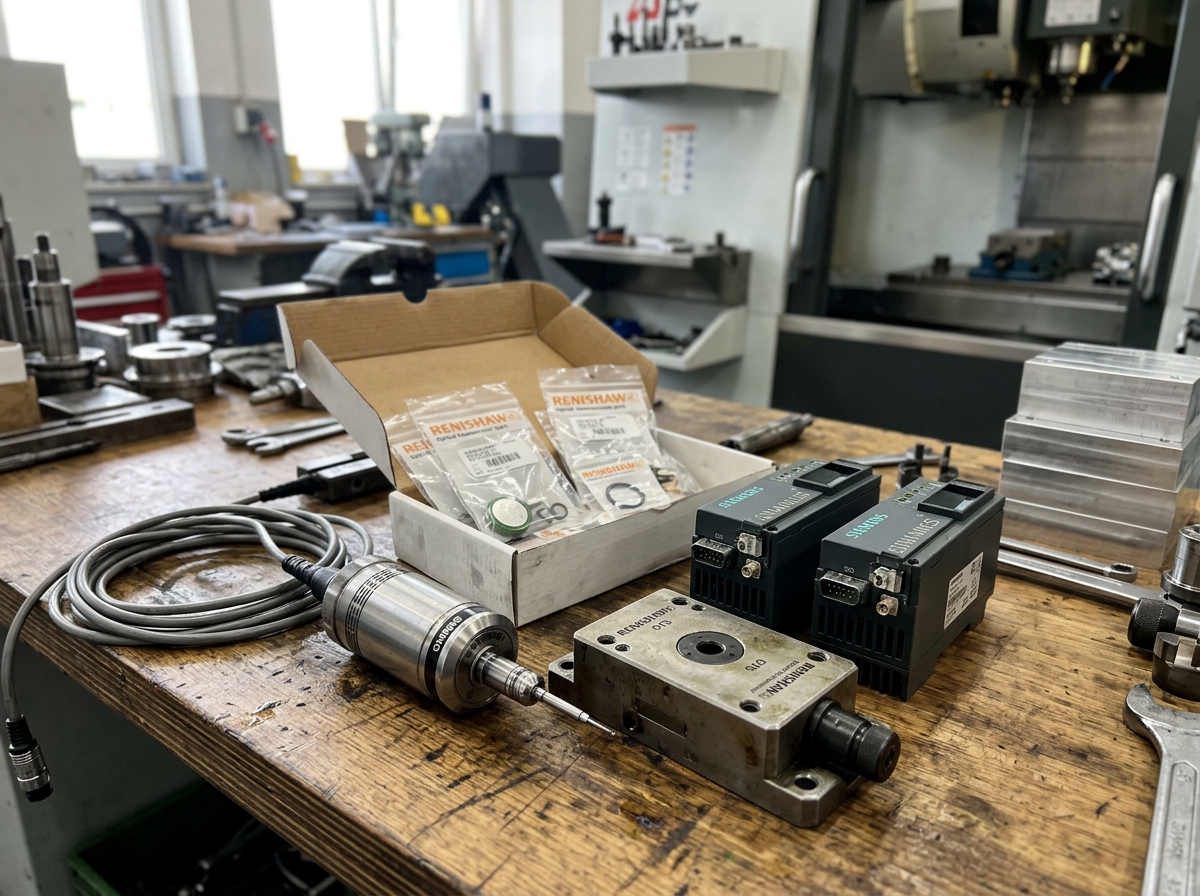
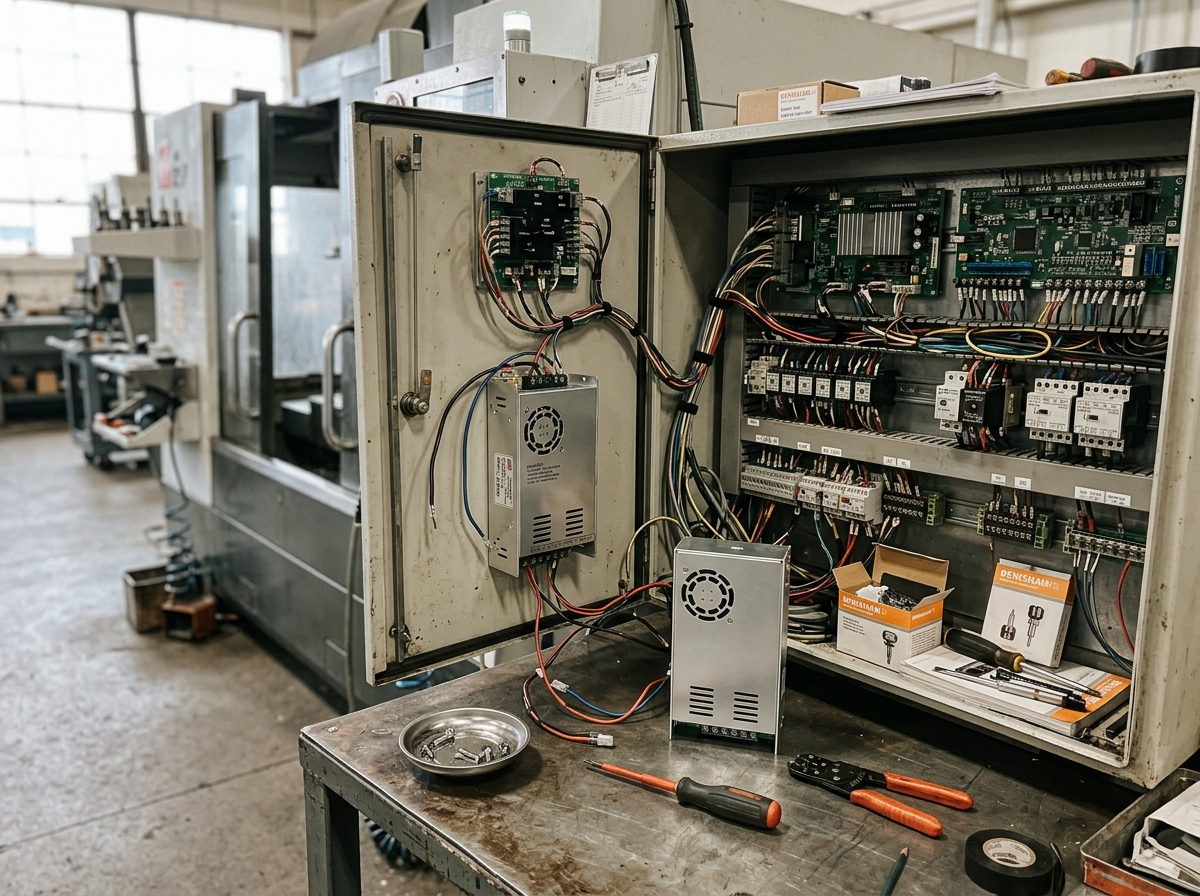
- Compatibility is more important than price when buying a Fanuc servo amplifier replacement.
- The top 7 suppliers are usually separated by stock depth, technical verification, and lead time, not by marketing claims.
- A reliable China distributor should confirm part number, interface type, axis function, and alarm code history before sale.
- For maintenance teams, downtime cost often exceeds the hardware cost, so fast delivery can matter more than a small discount.
- Reference standards such as ISO 230-1 and NIST precision metrology guidance help frame how servo systems affect machine accuracy.
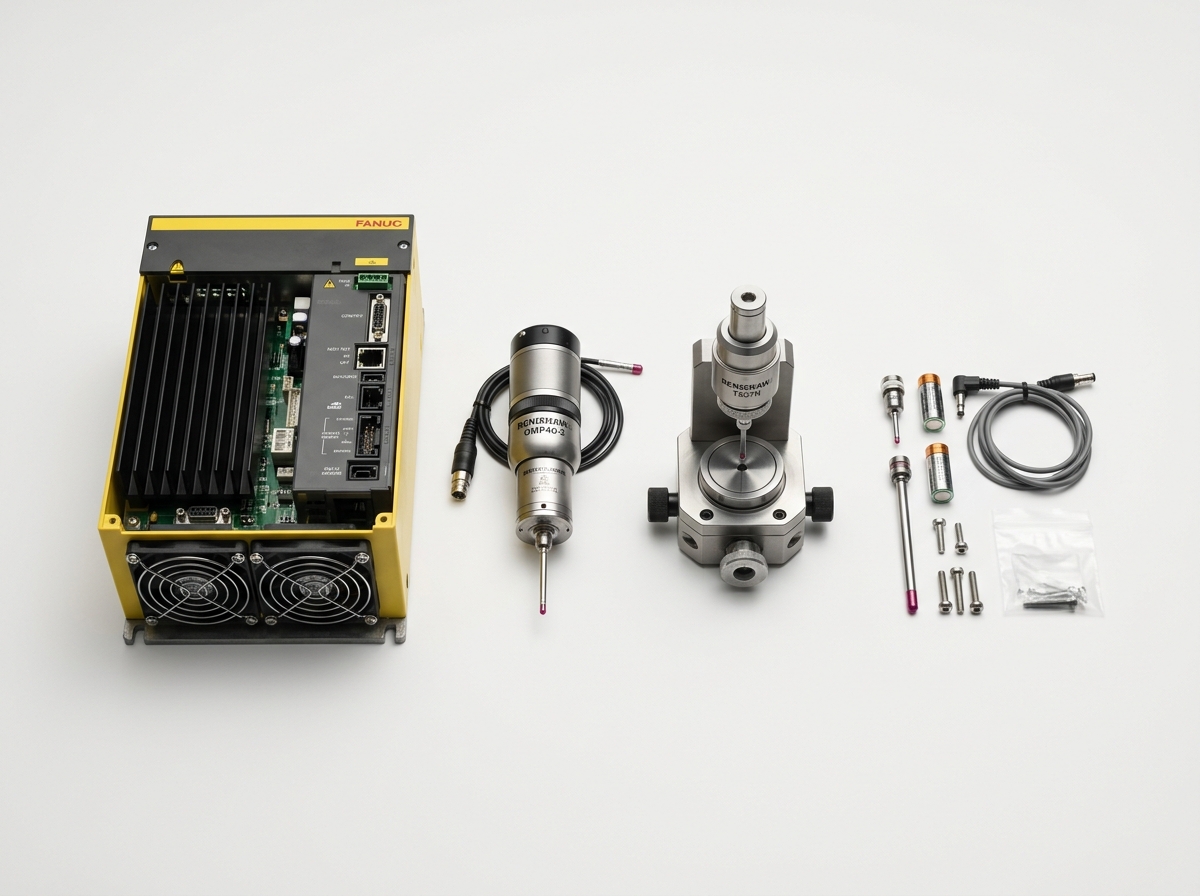
The search intent behind top 7 suppliers in China is clear: buyers want a trustworthy Fanuc servo amplifier replacement source that reduces stoppage risk, avoids mismatch errors, and restores machine performance quickly. A servo drive sits in the motion chain that determines axis response, repeatability, and alarm stability, which is why even a correct-looking unit can fail if the interface, power stage, or parameter family does not match. In industrial repair work, a machine tool can move from profitable production to expensive downtime within minutes, so model verification is a procurement requirement, not a nice-to-have. For buyers who also need broader CNC spare parts support, see the servo amplifiers, servo motors, and encoders pages for related replacement categories.
What a Fanuc Servo Amplifier Supplier Must Get Right in China
A good Fanuc servo amplifier supplier must verify the exact unit before it ships.
In CNC maintenance, the amplifier is not just a power box; it converts control commands into current delivery for the axis motor, and any mismatch can trigger alarms, unstable acceleration, or poor positioning. That is why the first question should always be whether the unit is exact match, compatible substitute, repaired original, or refurbished. For buyers in China, this distinction matters because many listings look identical on paper but differ in connector layout, axis rating, power class, or parameter generation. When a machine is down, the fastest supplier is not automatically the best supplier if the replacement creates a second failure after installation.
| Supplier Check Point | Why It Matters | Typical Risk If Ignored |
|---|---|---|
| Exact part number | Confirms electrical and mechanical compatibility | Wrong axis behavior or immediate alarm |
| Connector and pinout | Ensures wiring alignment | Intermittent signal loss or damage |
| Parameter family | Supports proper control logic | Unstable acceleration or tuning failure |
| Alarm code history | Reveals hidden faults | Repeat downtime after replacement |
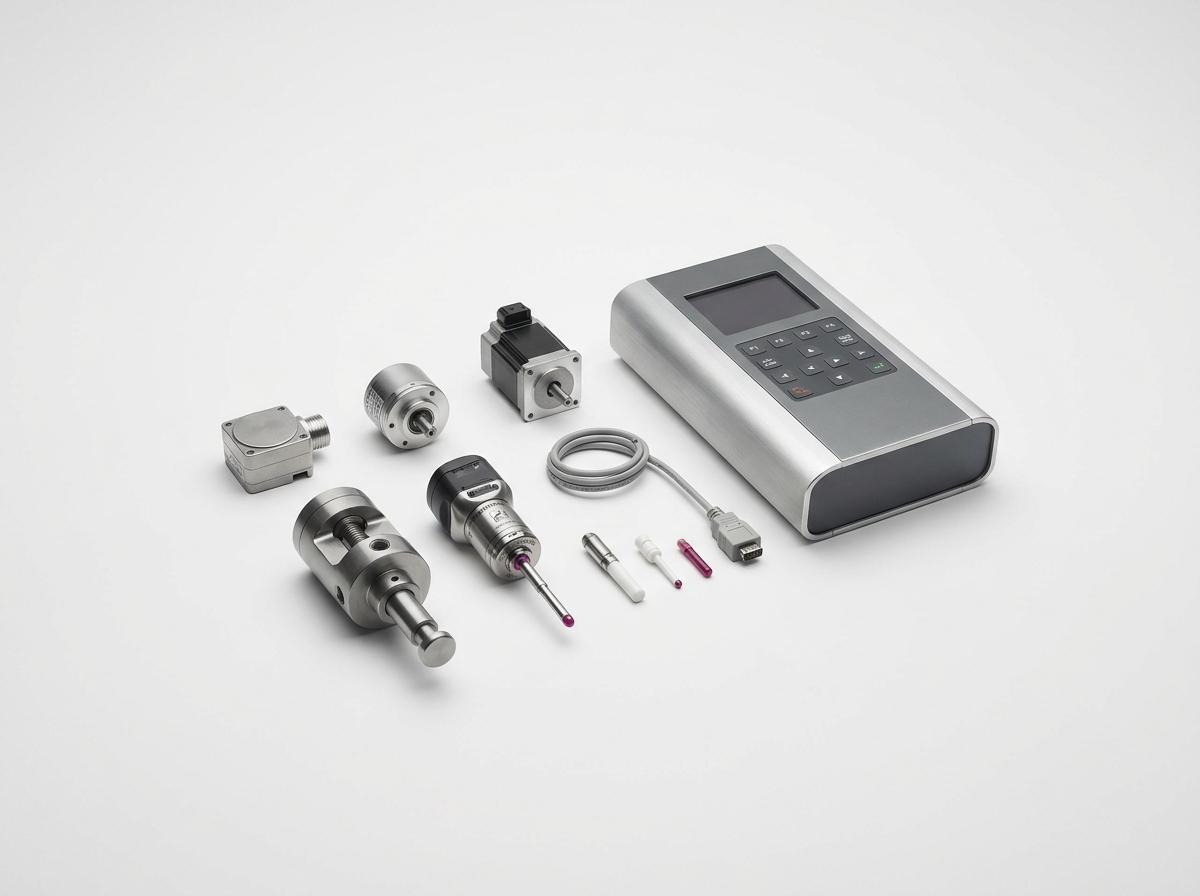
For accuracy-sensitive users, the logic is similar to other motion components such as linear scales and handwheels: the part must fit the control architecture, not just the physical slot. In machine tools, position feedback and servo response jointly determine final error, and international metrology guidance from ISO 230-1 shows why machine tool test conditions and geometric accuracy should always be considered alongside the replacement part itself. If the drive is installed without verifying the surrounding system, even a good amplifier may not restore original performance.
Top 7 Fanuc Servo Amplifier Suppliers in China: How Buyers Should Rank Them
The top 7 suppliers should be ranked by technical reliability first and commercial convenience second.
Because “top” can mean different things for different buyers, the most practical ranking method uses five criteria: inventory depth, model identification capability, test-and-confirm process, shipping speed, and after-sales response. A supplier with fewer public listings can still rank higher than a larger marketplace seller if it can confirm part numbers from photos, nameplate data, and alarm records. This is especially important for Fanuc servo amplifier replacement projects, where a one-digit model variation may affect current rating, interface generation, or axis compatibility.
| Ranking Factor | What Strong Suppliers Do | Buyer Benefit |
|---|---|---|
| Inventory depth | Hold common amplifier families in stock | Shorter machine downtime |
| Model verification | Match nameplate, photos, and wiring | Lower mismatch risk |
| Testing | Run power-on and alarm checks | More reliable installation |
| Logistics | Ship quickly with export-ready packaging | Faster line recovery |
| Support | Provide troubleshooting after delivery | Reduced return cycle |
In practical procurement, the best supplier is usually one that can answer three questions immediately: is this the original model, is it tested, and can it be returned if it does not clear the alarm. Buyers comparing a China distributor should also ask whether the same vendor supports related parts such as power supplies and I/O modules, because mixed-system faults often involve more than one component. When a machine tool is running high-mix jobs, the ability to source multiple compatible parts from one supplier can reduce diagnostic time significantly.
How to Judge a Fanuc Servo Amplifier Replacement Before Purchase
Part-number validation is the single most effective way to avoid a bad replacement order.
Fanuc servo amplifier replacement should begin with the nameplate, not with the catalog photo. Buyers should confirm the exact model suffix, power rating, axis position, and connector arrangement. They should also check whether the unit is intended for a single axis or a dual-axis arrangement, because that changes thermal load and wiring logic. A useful procurement rule is simple: if the supplier cannot explain why the replacement is compatible in one paragraph, the risk is too high for a production machine.
- Record the full model number from the old unit.
- Take photos of connectors, labels, and wiring orientation.
- Confirm the alarm code and failure symptom.
- Ask whether the unit is new, repaired, or refurbished.
- Request testing evidence before payment.
Machine builders and repair teams often apply the same discipline to spindle motors and CNC cables, because the wrong cable shield or motor class can create fault patterns that look like amplifier failure. In motion control, the cost of uncertainty is high: a replacement that fails after installation can double downtime because the machine must be reopened, rewired, and retested. For that reason, suppliers with clear documentation usually outperform suppliers with only a low price.
| Purchase Question | Good Answer Looks Like | Red Flag |
|---|---|---|
| Is it an exact match? | Same part number and suffix | “Should work” |
| Was it tested? | Power-on and alarm test completed | No test record |
| Is it original or refurbished? | Clearly labeled condition | Vague description |
| What is the lead time? | Specific dispatch window | “As soon as possible” |
Why Downtime, Not Unit Price, Usually Drives the Supplier Decision
Downtime cost often exceeds part cost by a wide margin.
For maintenance buyers, the real expense is production interruption, not the amplifier itself. A low-cost part that causes a second failure can consume labor, scrap material, and lost machine time, while a better-verified unit can restore output in one installation. In many factories, the purchasing decision is made by balancing hardware price against the cost of a stalled spindle, delayed shipment, or rework on a precision part. That is why responsive suppliers often win even if their price is not the lowest.
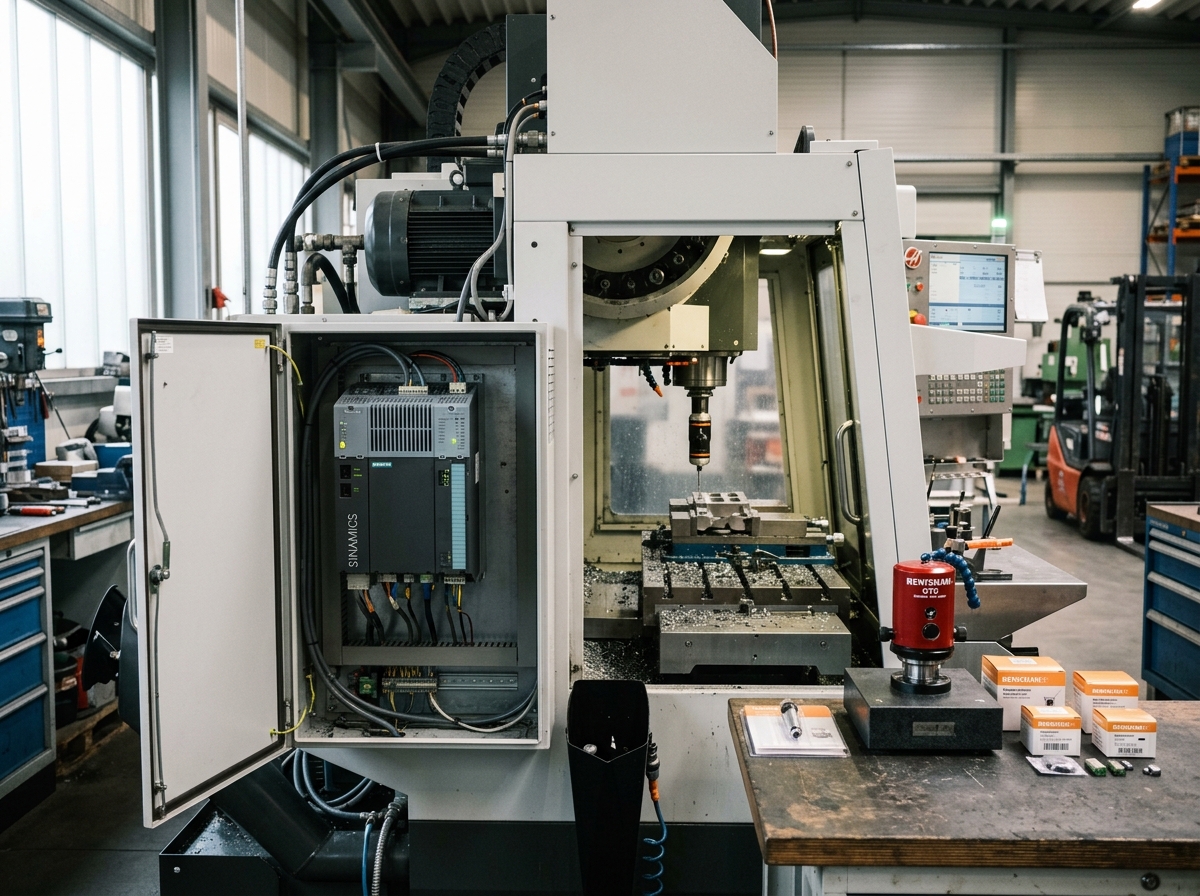
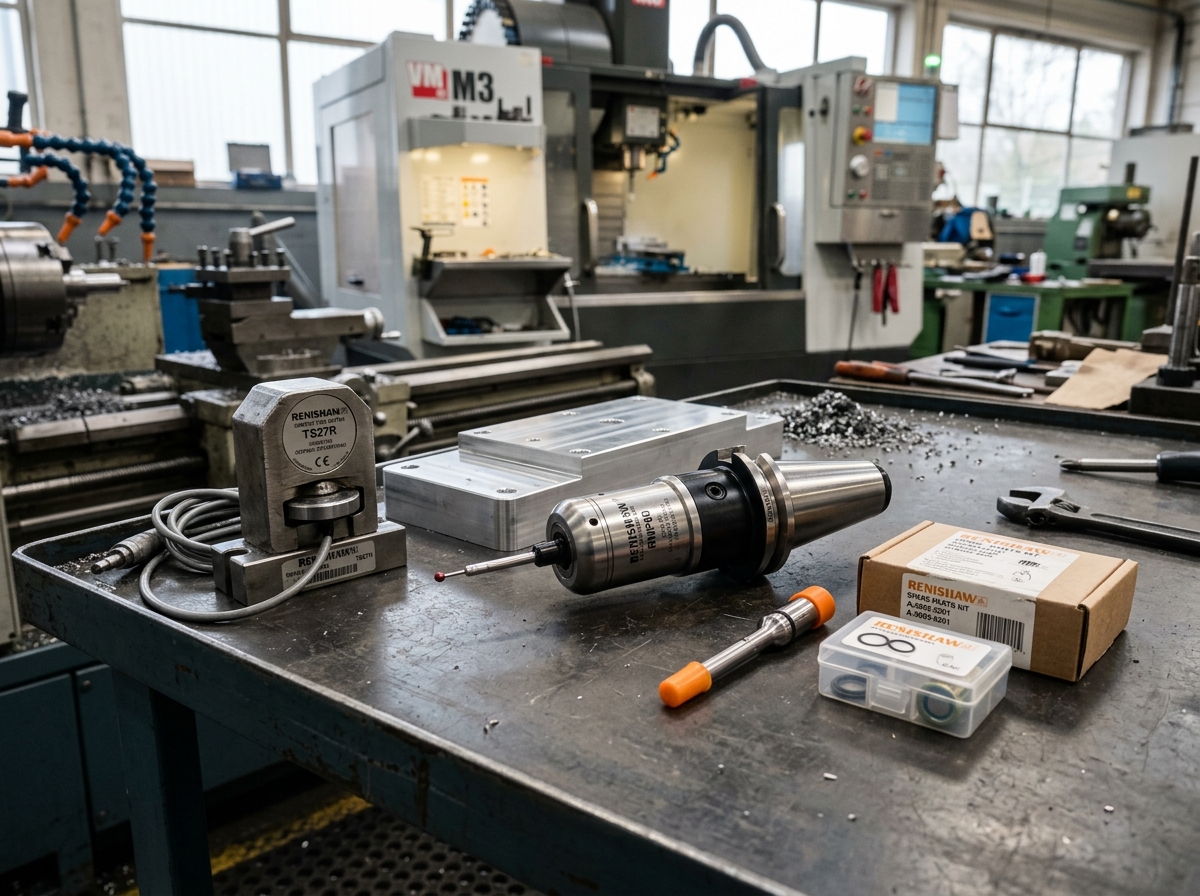
The same logic applies to inspection and setup components such as touch probes and tool setters. When setup accuracy is linked to cycle time, even small delays become expensive. In practice, a supplier that can ship immediately and provide pre-shipment confirmation reduces the hidden costs of recovery, especially for factories that run a single critical machine or a narrow-margin batch job.
- Lower replacement price does not always mean lower total cost.
- Verified compatibility reduces repeat installation work.
- Fast dispatch matters when one machine is supporting an entire production schedule.
- Clear test records reduce dispute risk after delivery.
Technical Standards That Help Buyers Evaluate Servo Systems
Servo replacement decisions become stronger when buyers use standards instead of guesswork.
Although a servo amplifier is not selected by ISO alone, the surrounding machine accuracy framework is well documented. ISO 230-1 is the general standard for test code for machine tools, and it helps buyers understand that motion accuracy is a system outcome rather than a single-part outcome. For metrology and measurement integrity, NIST precision metrology guidance is useful for framing repeatability and traceability. For supplier quality systems, many industrial buyers also reference ISO 9001, which does not guarantee compatibility but does support process consistency.
| Reference | Scope | Buyer Use |
|---|---|---|
| ISO 230-1 | Machine tool test code | Accuracy and test context |
| NIST precision metrology guidance | Measurement traceability | Repeatability reasoning |
| ISO 9001 | Quality management systems | Supplier process discipline |
When evaluating a China distributor, standards should be used as a filter for process quality, not as a substitute for part verification. A supplier can be well organized and still send the wrong amplifier if the buyer supplies incomplete information. Conversely, a smaller supplier with disciplined identification steps can be more reliable than a large seller that relies on generic listings. That is why the most practical qualification method is a mix of standards awareness, part-number confirmation, and response speed.
Comparing Supplier Types for Fanuc Servo Amplifier Replacement
Different supplier types fit different urgency levels.
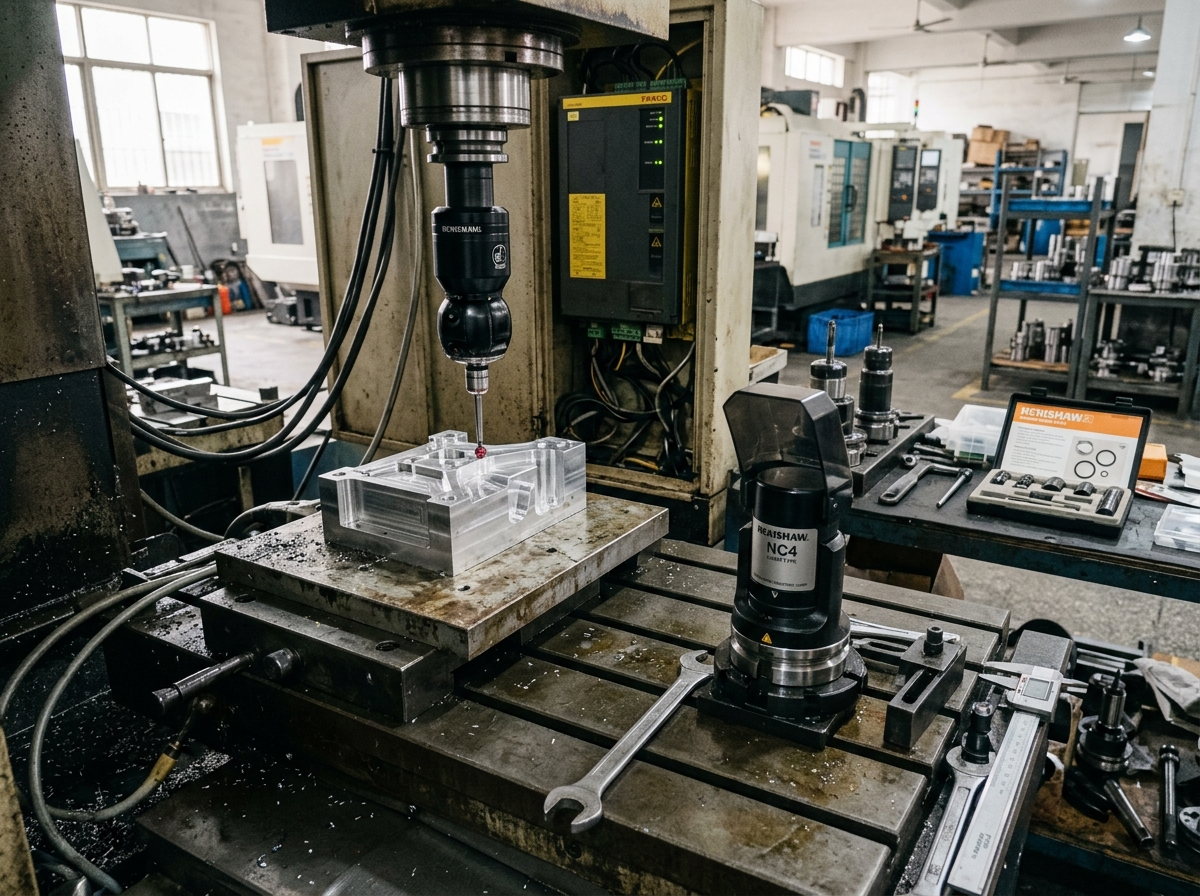
Not every buyer needs the same supplier profile. A factory with preventive maintenance can wait longer for a lower-cost refurbished unit, while a contract manufacturer facing line stoppage may need a tested original replacement immediately. The best China distributor for one scenario may not be the best for another. Buyers should compare supplier type, not just company name, because the service model changes the real outcome.
| Supplier Type | Best For | Typical Strength | Typical Weakness |
|---|---|---|---|
| Original parts distributor | High-risk production lines | Highest compatibility confidence | Higher price |
| Refurbished parts supplier | Cost-sensitive repair jobs | Lower acquisition cost | Quality variation if testing is weak |
| Cross-border stock dealer | Urgent replacement orders | Fast dispatch | Documentation may be limited |
| Technical repair center | Legacy machines | Diagnosis and repair support | Longer turnaround |
For many buyers, the ideal option is a supplier that combines stock, testing, and technical communication. That profile is especially valuable for related motion parts like servo drives and rotary encoders, where diagnosis often requires checking both the drive and feedback loop. If the supplier can support the full motion chain, the buyer is less likely to chase multiple vendors during a live fault.
Practical Buyer Checklist for a China Distributor
A short checklist reduces most sourcing mistakes.
Before placing an order, buyers should verify three layers: identity, condition, and support. Identity means exact part number and suffix. Condition means original, repaired, or refurbished, plus test status. Support means replacement policy, response time, and technical help after shipment. This checklist is simple, but it prevents the most common procurement errors in Fanuc servo amplifier replacement projects.
- Confirm the full model number from the old unit.
- Match connector style and cable orientation.
- Ask for test evidence and alarm history.
- Clarify whether the unit is new, original, repaired, or refurbished.
- Check return and exchange terms before payment.
Where possible, buyers should also keep a photo archive of each removed amplifier, motor, encoder, and cable set. That practice shortens future sourcing cycles and supports the same spare parts workflow used for motors and encoders. In repair operations, documentation is often the fastest path to accurate procurement, because the next failure is easier to solve when the previous installation is fully recorded.
What Buyers Usually Ask Before Choosing the Top 7 Suppliers
The best questions are the ones that expose hidden compatibility risk.
Buyers often start with price, but they should start with proof. Ask the supplier how they confirm compatibility, whether they can identify the unit from photos, how they test it, and what happens if it does not resolve the alarm. In Fanuc servo amplifier replacement, that conversation reveals more than a website ranking ever will. A supplier that answers with serialized test steps and exact model references is usually more trustworthy than one offering only generic assurances.
For buyers who manage a mixed spare parts inventory, it also helps to use one vendor for nearby categories such as spindle motors, I/O modules, and power supplies. This does not eliminate verification, but it can simplify procurement and reduce the time spent coordinating different shipment sources. In an urgent repair case, that operational simplicity can be just as valuable as unit price.
FAQ
1. What is the most important factor when choosing a Fanuc servo amplifier supplier in China?
The most important factor is exact compatibility with the machine model, connector layout, and control logic.
2. Are refurbished Fanuc servo amplifiers safe to buy?
They can be safe if the supplier clearly labels the condition, performs testing, and provides return support.
3. How do I verify a replacement amplifier before ordering?
Check the full part number, suffix, connector photos, alarm code, and whether the unit is single-axis or dual-axis.
4. Why do some replacements still cause alarms after installation?
Common causes include wrong model suffix, pinout mismatch, parameter family mismatch, or hidden internal faults.
5. Should I choose the cheapest supplier?
Not for production-critical machines, because downtime and repeat installation usually cost more than the price difference.
6. Can one distributor supply other CNC spare parts too?
Yes, and that is often useful for related items like servo motors, encoders, cables, and power supplies.
7. What documents should a good supplier provide?
At minimum, the supplier should provide part identification, test confirmation, condition status, and exchange terms.