










Why You Should Compare Fanuc and Siemens Today
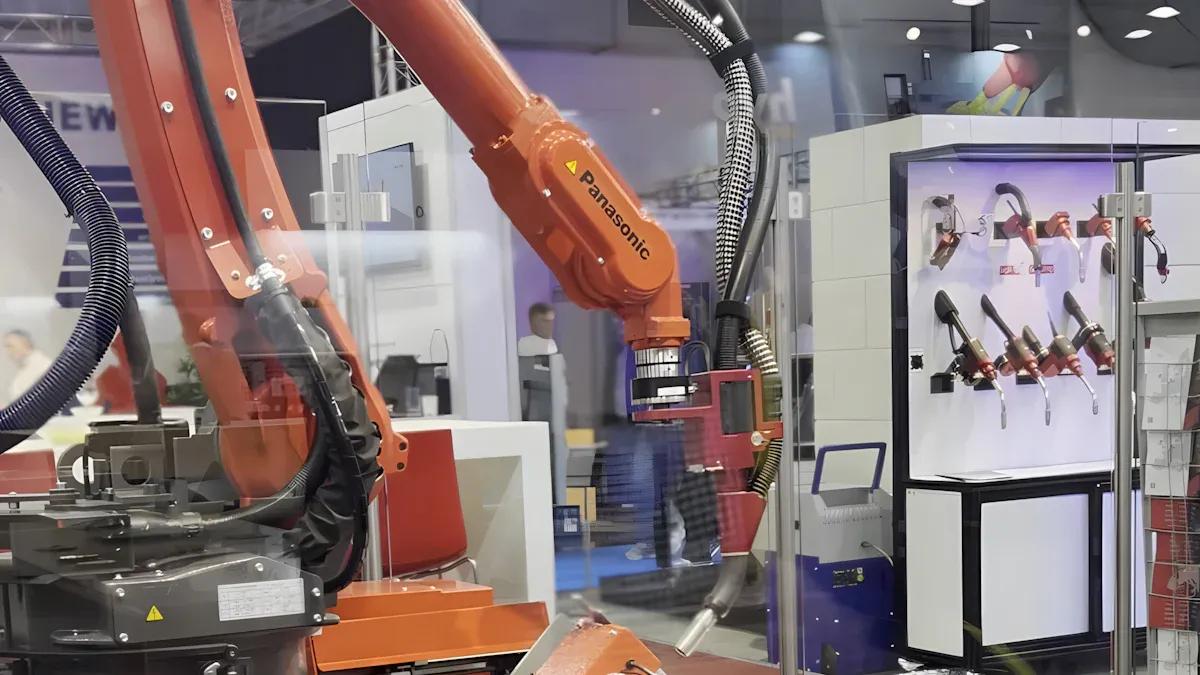
In today's fast-paced industrial landscape, the comparison of Fanuc and Siemens becomes crucial. Companies must choose brands wisely to enhance their operational efficiency. A well-informed decision can lead to improved productivity and reduced downtime, ultimately impacting the bottom line.
Key Takeaways
- Choosing between Fanuc and Siemens can significantly impact operational efficiency. Make an informed decision to enhance productivity and reduce downtime.
- Fanuc excels in high-volume production with reliable performance, while Siemens offers flexibility and advanced processing for complex tasks. Assess your operational needs carefully.
- Both brands provide extensive training resources. Utilize these to ensure your team maximizes the potential of the chosen system.
Performance Comparison of Fanuc and Siemens
Speed and Efficiency
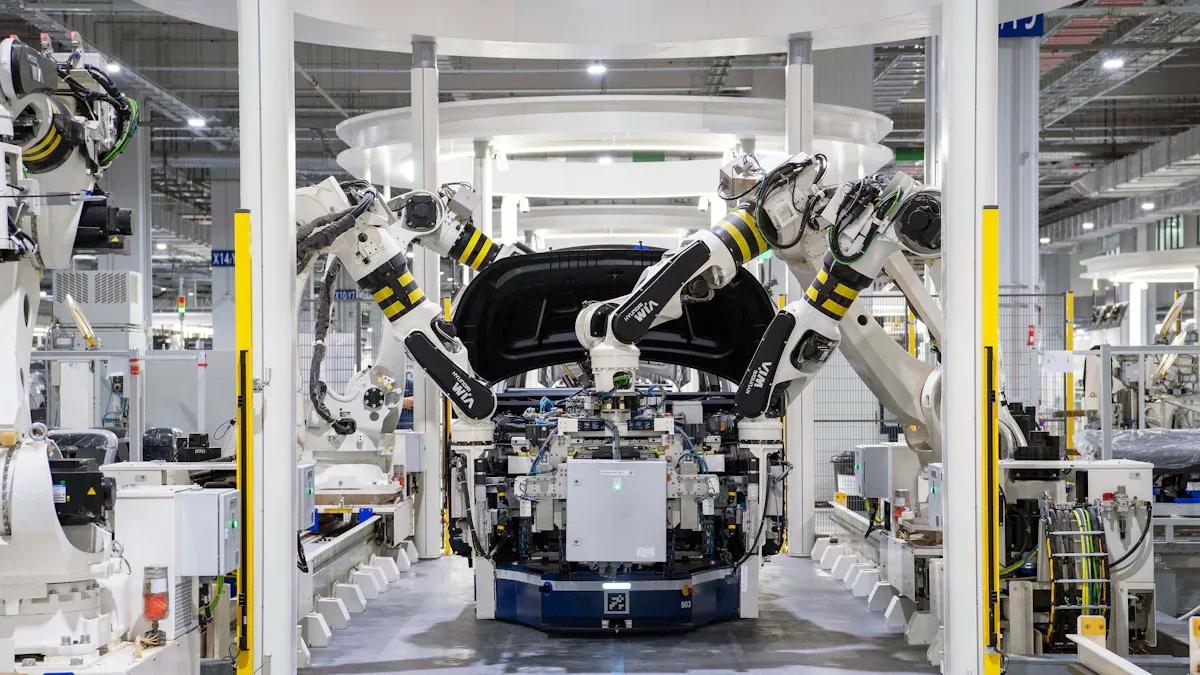
When evaluating the speed and efficiency of Fanuc and Siemens, both brands showcase distinct advantages tailored to different operational needs. FANUC systems excel in high-volume production environments. They maintain consistent performance over extended periods, making them ideal for operations that require minimal human intervention. This reliability is crucial for industries where time is money.
On the other hand, Siemens CNC controls feature high-speed machining cycles. These controls enable operators to modify the machining process easily for different stages. This flexibility enhances efficiency and can significantly reduce cycle times. According to industry experts, quick adjustments in machining processes with Siemens controls contribute to cycle time reduction, especially in high-volume production settings.
Processing Power
Processing power is another critical factor in the comparison of Fanuc and Siemens. FANUC controllers are renowned for their reliability and efficiency under high-load conditions. They perform exceptionally well in demanding environments, such as automotive plants, where they run identical programs continuously with minimal intervention. This capability is vital for maintaining productivity and reducing labor costs.
In contrast, Siemens controllers offer advanced processing capabilities that allow for complex calculations and real-time adjustments. This feature is particularly beneficial in applications requiring intricate machining operations. The ability to handle multiple tasks simultaneously without compromising performance makes Siemens a strong contender in environments that demand high precision.
Ease of Use in Fanuc vs Siemens
User Interface
The user interface plays a significant role in determining how effectively operators can interact with CNC systems. Fanuc's MANUAL GUIDE i stands out as a user-friendly conversational programming platform. This feature allows operators to create part programs without needing extensive knowledge of G code. The iHMI interface focuses on operator needs, providing graphical prompts and guidance for various tasks. In contrast, Siemens offers a rich graphical support environment that enhances programming efficiency and accuracy.
- Fanuc's conversational programming simplifies part program creation on the shop floor.
- Siemens provides advanced graphical support for intuitive program creation and modification.
User satisfaction ratings reveal that many users prefer Siemens for its performance and speed. However, some find Siemens' interface complex and challenging to learn. Fanuc, while recognized for its reliability, has received mixed reviews regarding customer service.
Learning Curve
The learning curve for both Fanuc and Siemens controllers typically spans 2 to 4 weeks. This duration allows operators to become proficient in using the systems effectively.
Training resources are abundant for both brands. FANUC Academy offers a wide range of courses covering robotics, CNCs, and ROBODRILLS, including specialized training options. Siemens also provides extensive training resources, including free tutorials on PLC programming and industrial robotics.
-
FANUC Training Resources:
- Robotics Troubleshooting Course
- Dual Check Safety (DCS) Configuration Course
-
Siemens Training Resources:
- PLC Training for Technicians and Engineers
- Free Tutorials on HMI Development
Both brands equip operators with the necessary skills to maximize their systems' potential, making the comparison of Fanuc and Siemens essential for informed decision-making.
Support and Service for Fanuc and Siemens
Availability of Technical Support
Both Fanuc and Siemens offer extensive technical support networks, crucial for maintaining operational efficiency. FANUC operates in over 46 countries, boasting more than 240 joint ventures and subsidiaries. This global reach allows them to hold a 65% share of the CNC controls market. Their automation products are utilized in over 100 countries, ensuring that users have access to reliable support when needed.
Siemens also provides robust technical support, with dedicated teams available to assist users. Their support includes online resources, documentation, and direct assistance, ensuring that operators can resolve issues quickly and efficiently.
Community and Resources
The user communities for both brands are vibrant and resourceful. For Fanuc users, platforms like CNC Macro Classes on Udemy offer valuable insights into macro programming. Additionally, the FANUC ROBOGUIDE Tutorial provides comprehensive guidance on using Ladder Logic and optimizing control systems.
Siemens users benefit from extensive resources, including the Siemens PLC Guide, which offers product documentation, training courses, and access to authorized training partners. Siemens Industry Online Support features a knowledge base and forums, fostering a collaborative environment for troubleshooting and learning.
Active user forums, such as the Practical Machinist forum, highlight the engagement of users in technical discussions. Recent events, like the FANUC ASI, showcase a thriving community dedicated to sharing knowledge and expertise. This support network is invaluable for both brands, enhancing user experience and operational success.
Cost-Effectiveness of Fanuc and Siemens
Initial Investment
When considering the initial investment for Fanuc and Siemens systems, companies must evaluate several factors. The upfront costs can vary significantly based on the specific models and configurations chosen.
Fanuc Systems: Typically, Fanuc CNC controllers come with a higher initial price tag. This cost reflects their robust build quality and advanced features. However, many users find that the reliability of Fanuc systems justifies the investment. The longevity of these controllers often leads to lower replacement costs over time.
Siemens Systems: Siemens offers a range of options that can cater to different budgets. Their systems often come with competitive pricing, especially for entry-level models. This affordability makes Siemens an attractive choice for smaller operations or those just starting in automation.
Tip: When evaluating initial investments, consider not only the purchase price but also the potential for future upgrades and expansions.
Long-Term Value
Long-term value is a critical aspect of the cost-effectiveness of any CNC system. Both Fanuc and Siemens have their strengths in this area.
Fanuc Longevity: Industry reports indicate that FANUC CNC controllers typically last for 15–20 years or more. Many controllers from the 1990s remain operational today, showcasing their durability. The hardware is designed for industrial environments, ensuring longevity and reducing the need for frequent replacements.
Siemens Maintenance Costs: Siemens systems generally have lower maintenance and upgrade costs over a 10-year period. The following table illustrates the estimated retrofit costs for both systems:
| System | Estimated Retrofit Cost | Notes |
| Fanuc | ~$10,000 | Limited to 4 motors with encoders; higher costs for additional features. |
| Siemens | ~$6,000 - $7,000 | Packages available for simpler setups; additional features may increase cost. |
The lower maintenance costs associated with Siemens systems can lead to significant savings over time. Companies often find that the total cost of ownership for Siemens systems is more favorable, especially when factoring in the potential for upgrades and expansions.
Industry Applications for Fanuc and Siemens
Manufacturing
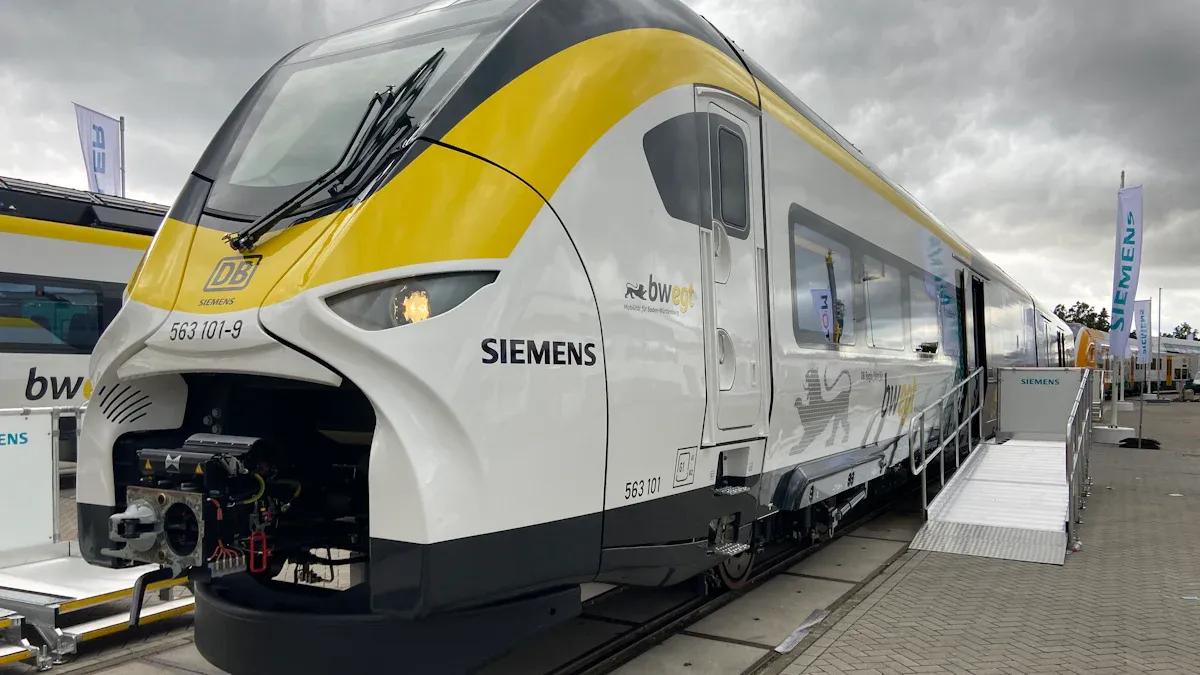
Fanuc and Siemens automation solutions find extensive applications across various manufacturing sectors. Their technologies enhance efficiency, precision, and productivity. The following table highlights key sectors and their specific applications:
| Manufacturing Sector | Application Description |
| Pharmaceutical Manufacturing | Delta robots singulate bottles and pack them into boxes, accommodating changes in bottle and box sizes. |
| Die and Mold Industries | Deburring robots finish metal pieces, while material removal robots assist with cutting and polishing tasks. |
| Watchmaking | Robots ensure precision in cutting and fitting internal watch components, enhancing quality and consistency. |
| Automotive Industry | Welding robots improve quality and safety, while paint robots ensure a clean coating process. |
| Consumer Packaged Goods (CPG) | Delta robots are used for picking and packing, including innovative applications like icing cakes. |
| Produce Processing | Articulated robots with gentle tooling pack soft fruits into crates, showcasing flexible automation. |
These applications demonstrate how both brands contribute to improving operational efficiency in diverse manufacturing environments.
Robotics
Robotics integration is another area where Fanuc and Siemens excel. Their controllers offer features that simplify the connection and operation of robotic systems. The following table outlines key features that benefit robotics integration:
| Feature | Description |
| Easy Connection | Connect CNC and robot using just one Ethernet cable. |
| Integration Flexibility | Integrate robots with new and existing machine tools without changing ladder configurations. |
| Macro Variables | Use Macro Variables as interface signals, eliminating the need for additional hardware design. |
| Robot G-CODE | Control robotic motion via G-CODE for those familiar with G-code programming. |
| Teach Pendant Usage | Teach pendant required only for initial setup and jogging, simplifying operation. |
| Intelligent Features | Utilize features like vision and iHMI for step-by-step programming guidance. |
| Safety Interface | Includes safety interface between CNC and Robot, ensuring safe operations. |
| CNC Function Screens | Provides CNC Function screens on the robot and Robot Function screens on the CNC for ease of use. |
These features enable seamless integration of robotics into manufacturing processes, enhancing productivity and safety. Both Fanuc and Siemens continue to lead in providing innovative solutions that meet the evolving needs of the industry.
In summary, Fanuc and Siemens present distinct advantages based on user needs.
| Feature | Fanuc | Siemens |
| Ease of Use | More complex, requires memorization | Easier, can be operated with fewer keys |
Consider unique operational requirements when choosing between them. For example, the automotive industry often prefers Fanuc for its stability, while high-end automation lines may favor Siemens for precision.
Making an informed choice today ensures future success in automation.
FAQ
What industries benefit most from Fanuc and Siemens systems?
Both Fanuc and Siemens systems excel in manufacturing, automotive, robotics, and consumer packaged goods industries.
How long do Fanuc and Siemens systems typically last?
Fanuc systems often last 15–20 years, while Siemens systems have lower maintenance costs over a 10-year period.
Are training resources available for both brands?
Yes, both Fanuc and Siemens offer extensive training resources, including online courses and tutorials for operators.