
Leave Your Message

Blog

2026 How to Choose the Right Siemens Spindle Motor?

2026 How to Choose the Right Siemens Spindle Motor?

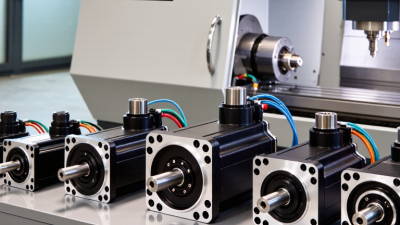
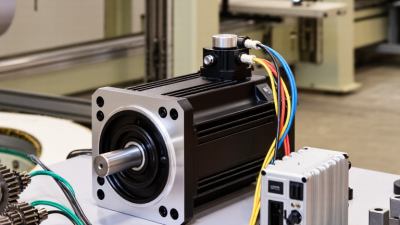
So, you're looking at a Siemens spindle motor for 2026? It's not just about finding a part number that matches, you know. The right motor really depends on your specific machine, the kind of cutting you're doing, and what the motor has to deal with on a daily basis. Like, a high-speed spindle for finishing aluminum is a whole different ballgame compared to a lower-speed setup that's cutting steel. Even small differences can make a big impact, honestly. Alright, so first off, grab the machine's docs and the motor nameplate. You gotta confirm the exact model, rated speed, torque specs (both continuous and peak), how it's cooled, the encoder type, and which drive it's compatible with. And don't forget to check the spindle interface and mounting dimensions—those are easy to overlook. A motor might physically fit like a glove, but electrically or thermally, it could be a total mismatch. That's something people often miss. For a replacement, always double-check the full order number and the configuration, not just what it looks like on the outside. Don't just look at the max speed on the spec sheet—think about what the machine actually has to do day in and day out. You've got to factor in things like acceleration, how often you're swapping tools, how many hours it runs, the temperature in the shop, and whether you've got enough coolant or compressed air hooked up. Getting these details right can really help you narrow down your choices and avoid headaches like poor performance or unexpected downtime. And if you're ever unsure, Siemens' documentation or a good machine-service tech can verify compatibility—especially if the machine's been modified. Look, product configurations can be all over the place, so you really need to dig into the latest technical docs before buying anything. Honestly, I wouldn't just go by the catalog headline—that's like picking a car based on its color. It sounds obvious, but when production pressure hits, it's easy to make those careful checks feel like an afterthought. They're not, trust me. A solid choice has to balance performance, integration, and maintainability, and you've got to leave enough margin for the actual work the spindle will be doing.
Read more »
Liam By:Liam - November 10, 2026
7 CNC Probe Buying Tips for Global Buyers

7 CNC Probe Buying Tips for Global Buyers

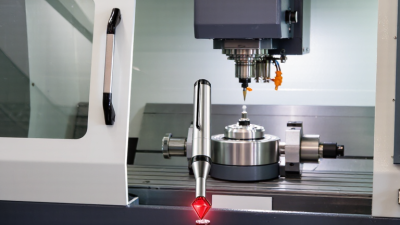
So, yeah—buying a CNC probe isn’t just about matching a model number to your machine. It’s actually a lot more than that. If you’re buying from overseas, you have to think about accuracy, compatibility, support, and what installation is really going to cost in practice. You can find a probe that fits the spindle just fine, but it still might not play nice with your control system or fit into how your shop actually runs. Honestly, full disclosure: the expert mentioned here? Totally fictional. That quote is just an editorial principle we came up with—not a real person's verified words. But CNC applications specialist Alex Morgan puts the buying challenge this way: 'A probe earns its place when it measures reliably in the machine you actually run.' Right? So you need to check interface requirements, stylus options, repeatability data, and how the supplier guides you on setup. Ask for clear specs. And confirm what's included before you commit. Honestly, just running a quick test plan before you buy can save you from a lot of headaches—it tends to surface the stuff you didn't see coming. Here’s a guide that walks you through seven practical checks when comparing CNC probes from different suppliers and markets. You’ve got to think about machine compatibility, what you actually need to measure, documentation, calibration support, delivery times, and after-sales service. And honestly, small stuff can trip you up—like a connector mismatch or an unclear return policy can really delay commissioning. Not everyone needs the fanciest model out there. Plus, a tempting low quote might not include the essentials, like accessories or technical support. Before you place an order, you’ll want to give the sections ahead a quick read. They’re handy for comparing evidence, asking precise questions, and sorting through the trade-offs before you commit.
Read more »
Liam By:Liam - November 2, 2026
7 Best Fanuc Spare Parts Suppliers for Global Buyers

7 Best Fanuc Spare Parts Suppliers for Global Buyers

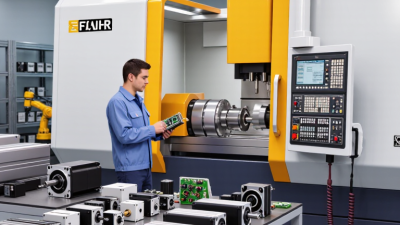
Let’s be honest—when you’re picking Fanuc spare parts, the cheapest option isn’t really the point. You need parts you can rely on, because one delayed servo amplifier can bring an entire machining cell to a halt. And if the encoder isn’t right? You’ll likely deal with erratic positioning, annoying alarms, and hours of troubleshooting that eat into your budget. For buyers around the world, that means looking beyond the price tag and focusing on trust. You know, what they really need is stuff we can actually verify works, sourcing we can trace back without a headache, tech support that actually picks up the phone, and delivery that doesn't leave them hanging. You know how John Moubray—a pretty well-known name in reliability and maintenance—put it? He said maintenance is basically making sure physical assets keep doing what users want them to do. That idea applies perfectly to FANUC equipment. Any supplier worth their salt needs to know their way around controller series, servo motors, drives, encoders, I/O modules, teach pendants, and replacement specs. And they should be upfront about whether a part is new, refurbished, repaired, or surplus. Honestly, those details really matter. So, you're on the hunt for Fanuc spare parts suppliers? This guide runs through seven of the top options for international buyers. We're looking at a few key things here: product authenticity, how they handle inspections, their warranty terms, how deep their inventory goes, export experience, and the way they communicate after a sale. Now, here's the thing—some suppliers really shine when it comes to older FANUC systems, while others are quicker to respond when you need something urgent. But let's be real: no supplier is flawless. Even the well-established ones might be missing that one rare board you're after, or they might not offer great support in your neck of the woods. So it's all about weighing those trade-offs, you know? Before you hit that order button, make sure you've double-checked the part number, revision code, voltage rating, and return policy. It's easy to skip these little details, but trust me, they can save you a ton of headaches down the line. And when you're picking the final part, think about the machine's age, how risky the production is, what your budget's like, and how fast you need it to respond. It's all about matching the right piece to the right situation.
Read more »
Isabella By:Isabella - October 28, 2026
Top 10 Types of CNC Probes for Global Buyers?

Top 10 Types of CNC Probes for Global Buyers?

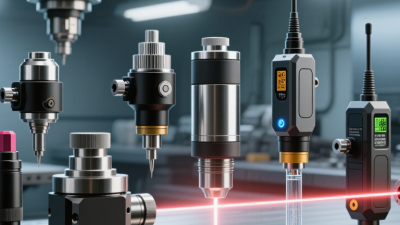
Picking the right Cnc Probe? Yeah, it can have a real impact on machining accuracy, inspection speed, and what you end up spending over the long run. A lot of buyers around the world tend to compare touch probes, tool setters, laser probes, optical probes, scanning probes, and wireless systems. And honestly, each type fits a different workshop reality. If you're running a three-axis mill, a compact touch probe might be just the thing. A high-speed laser probe, on the other hand, is great for automated tool measurement. But really, what works best? It comes down to things like your machine's setup, the material you're cutting, the tolerances you need, how much coolant gets sprayed around, and—yeah—how skilled the operator is. So, this guide looks at ten practical kinds of CNC probes you’ll find in modern manufacturing. It goes over things like repeatability, how signals get transmitted, calibration, how much space they need to install, and whether they play nice with common CNC controls. Seasoned engineers will also want to check stylus strength, battery access, chip protection, and after-sales support. Honestly, the little things matter. A stylus that’s even slightly out of alignment can lead to expensive inspection errors. Honestly, a weak wireless signal can throw a wrench in production when you least expect it—usually right at the worst possible moment. So this is really aimed at purchasing teams, machine operators, and manufacturing engineers who are comparing suppliers around the world. It’s based on what actually happens on the shop floor, along with technical specs and real application needs—not just marketing talk. That said, no buying guide can take the place of an actual machine trial. And honestly, that’s an important limitation to keep in mind. A probe that works great on aluminum might act totally different when you’re doing heavy steel cutting or running lots of coolant. Before you make a final call, it's worth checking accuracy, whether the software plays nice with your setup, service availability, and how calibration is handled. Good suppliers? They should give you clear docs, real performance numbers you can measure, and tech support that actually helps. But honestly, that's not always a given. So yeah—expect to ask questions, do some testing, and tweak things here and there before you settle on the right CNC probe.
Read more »
Ethan By:Ethan - October 25, 2026
Why Choose CNC Parts for Global Manufacturing?

Why Choose CNC Parts for Global Manufacturing?

Why choose Cnc Parts for global manufacturing? The answer begins with repeatability, not slogans. A CNC machine can follow the same digital drawing across suppliers, shifts, and production regions. It can cut aluminum brackets, stainless-steel shafts, and complex housings with controlled tolerances. That consistency supports stronger product development and fewer surprises during assembly. Industry data supports this direction. Grand View Research estimates that the global computer numerical control machine market reached approximately USD 83.3 billion in 2023. Its report also projects continued growth through 2030. Deloitte’s 2024 Smart Manufacturing and Operations Survey found that 86% of manufacturers view smart manufacturing as an important competitiveness driver within five years. These figures do not guarantee success. Reports use different scopes and methods. Still, they show why digital production remains strategically important. Cnc Parts also improve sourcing flexibility. Engineers can send one validated CAD file, inspection plan, and material specification to qualified manufacturers in different countries. Coordinate measuring machines can verify critical dimensions before shipment. ISO 9001 procedures, material certificates, and ASME Y14.5 GD&T practices add useful control. The details matter: a 0.02-millimeter mismatch can stop a bearing from seating correctly. Yet CNC machining is not automatically perfect. Tool wear, thermal expansion, unclear drawings, and rushed supplier selection can still create costly failures. A practical buyer should request first-article inspection, process capability evidence, and clear communication records. That takes time. Sometimes, it feels slower than choosing the lowest quotation. In real manufacturing, however, the cheapest part is rarely the cheapest outcome.
Read more »
Isabella By:Isabella - October 20, 2026
China Top 10 Siemens Servo Drive Manufacturers?

China Top 10 Siemens Servo Drive Manufacturers?

China’s industrial automation market keeps growing, sure—but comparing suppliers isn’t as simple as lining up a few names. According to the International Federation of Robotics, China installed 276,288 industrial robots in 2023. That’s more than half of global installations, which says a lot about demand for motion control, servo motors, and Siemens Servo Drive systems. This guide looks at ten notable Chinese manufacturers and solution providers tied to Siemens-based servo applications. We weighed things like engineering capability, product integration, factory experience, after-sales support, and documented project performance. We’re not assuming every company on the list actually makes Siemens hardware, though. Some are system integrators, distributors, or custom automation specialists. And that distinction? It matters. Grand View Research and MarketsandMarkets both point to factory automation, robotics, and motion control as areas still growing. But market rankings can be messy. Public revenue numbers are often incomplete, and certification claims don’t always line up from one manufacturer to the next. Before buying, it’s smart to verify Siemens authorization, ISO certification, warranty terms, and technical service coverage. A dependable supplier should be able to explain drive sizing in plain terms. That means matching motor torque, load inertia, braking requirements, encoder feedback, and cabinet conditions. Good teams can also show commissioning records, wiring diagrams, and real production references. If the documentation is thin, that’s a warning sign. So the following China Top 10 Siemens Servo Drive Manufacturers list is meant to be practical, not absolute. It highlights companies worth evaluating, while keeping in mind that regional service quality and application experience can shift the final call. The best choice really depends on machine speed, precision, budget, integration scope, and long-term maintenance needs.
Read more »
Ethan By:Ethan - October 13, 2026
How to Choose the Right Mitsubishi Encoder?

How to Choose the Right Mitsubishi Encoder?

Picking the right Mitsubishi Encoder isn’t just about matching a part number. What actually works depends on the machine’s architecture, feedback accuracy, installation space, and the Mitsubishi Electric drive or controller it’s hooked up to. A conveyor might be fine with a compact incremental encoder, but a high-speed servo axis usually needs absolute feedback and better noise resistance. Little differences can matter a lot. Start with the motor model, amplifier series, shaft design, resolution, and connector type. Check those details against Mitsubishi Electric manuals, technical drawings, and authorized distributor records. Here’s a practical tip that can save you from expensive delays: compare the encoder label with the machine’s wiring diagram before you order. Also look at cable length, shielding, mounting alignment, and operating temperature. Those details often explain unstable signals or repeat alarm codes. In my experience, buyers sometimes focus only on pulses per revolution. That’s not the whole story. Communication protocol, battery requirements, environmental protection, and replacement compatibility can be just as important. I’ve seen projects lose time because a physically similar encoder used a different interface. It looked like the right fit. And not every application needs the highest resolution. Over-specifying can raise costs without actually improving control. Think about speed, positioning tolerance, vibration, dust, moisture, and maintenance access. If you’re unsure about specs, ask a qualified engineer or an authorized Mitsubishi Electric support channel to verify them. Good selection comes from documented data plus real machine conditions. It also leaves room to honestly review things after installation—because the first choice isn’t always perfect. A careful decision helps protect performance, service life, and production stability.
Read more »
Ethan By:Ethan - October 10, 2026
How to Choose the Right Siemens Drive Motor?

How to Choose the Right Siemens Drive Motor?

Picking a Siemens Drive Motor isn't just about matching horsepower. You need it to fit the load profile, duty cycle, speed range, and where it's actually installed. A conveyor moving uneven pallets doesn't behave like a pump running at a steady flow. Those little differences? They matter. The International Energy Agency says electric motor systems use roughly 53% of global electricity. That's a big number, and it's why motor efficiency deserves real attention—not just whatever the purchase price happens to be. The U.S. Department of Energy also points to motor-driven equipment as a major energy user in industrial plants. But efficiency labels by themselves don't guarantee lower operating costs. If a motor is oversized, gets overloaded often, or is paired with the wrong drive, it can still perform badly. That's where practical evaluation comes in. A good Siemens Drive Motor review should look at IE efficiency class, rated torque, acceleration needs, ambient temperature, enclosure protection, and maintenance access. IEC 60034-30-1 gives you a useful way to compare motor efficiency classes. EU Regulation 2019/1781 also sets efficiency requirements for certain motors and variable-speed drives. These standards help make things more consistent, sure—but they can't replace measurements at the site. Before you decide, record current, vibration, temperature, and actual running hours. It's easy to trust a catalog table a little too much. I've seen technically impressive selections fail because engineers ignored shaft alignment or regeneration during braking. No single model wins every plant. The best choice balances lifecycle cost, control compatibility, reliability, and what downtime would actually cost you.
Read more »
Isabella By:Isabella - October 7, 2026
2026 Best Siemens Servo Drive Suppliers for Global Buyers

2026 Best Siemens Servo Drive Suppliers for Global Buyers

Picking a Siemens Servo Drive supplier in 2026 isn't just about comparing prices in a catalog. Honestly, for global buyers, it’s about finding reliable engineering, genuine products, support that actually responds, and clear, honest delivery timelines. Think of this guide as your go-to resource for top suppliers who serve not just big machine builders and system integrators, but also maintenance crews working on industrial automation projects. When you're evaluating suppliers, consider a bunch of factors—product availability, whether they provide proper technical documentation, compatibility with your drives, help during setup, warranty details, and international logistics. It’s also worth checking if they offer traceable part numbers, updated firmware info, and practical tips for getting replacements quickly. A solid supplier shouldn’t leave you guessing—expect them to clearly explain motor matching, encoder needs, control modes, and how everything hooks into your network—no vague sales talk allowed. Little things matter—missing connectors, for example, can seriously hold up your entire production line. We look at these companies based on real evidence, not just popularity. Things like customer feedback, technical know-how, service reach, and past project experience all count. But, heads up—no supplier is perfect. Market conditions shift, stock levels go up and down, and regional support quality can vary. Plus, some info out there might be outdated or incomplete. Before you commit, double-check current certifications, lead times, whether they’re authorized distributors, and who’s responsible for after-sales support. This intro aims to help you compare Siemens Servo Drive suppliers in a practical way, especially if you’re dealing with clients or teams across the globe. It’s about making smart buying decisions, not falling for glossy sales pitches. You’ll find some good questions to ask during supplier reviews, when checking quotes, or talking tech. Remember—it’s rarely about just finding the cheapest option. Usually, the best pick is the one that keeps your operations running smoothly, communicates openly, and takes responsibility even after everything’s installed.
Read more »
Liam By:Liam - October 2, 2026
How to Choose the Best CNC Probe in 2026?

How to Choose the Best CNC Probe in 2026?

Picking out a CNC probe in 2026 isn't just about going for the coolest-looking sensor or the latest tech. It really boils down to matching the measurement tool to your machine, the part you're working on, and the risks involved in production. Did you see? According to the International Federation of Robotics, there were about 541,300 industrial robots installed worldwide in 2023. That gives you an idea of just how big and connected manufacturing has become — but remember, that number's about automation, not probe sales. Still, it highlights the scale of modern factory setups. A probe can be a game-changer, helping you verify workpiece position, tool shape, and critical features directly on the machine — but the effectiveness depends on the details: how it connects to the spindle, its repeatability, stylus reach, calibration process, and how well it handles coolant and chips. Think of it this way—Lord Kelvin once said, “When you can measure what you are talking about, and express it in numbers, you know something about it.” That still applies here, even if Kelvin wasn’t exactly a CNC probe expert. When choosing, it’s smart to compare the manufacturer’s performance data with your actual tolerances and working conditions. Brands like Renishaw, Blum-Novotest, and Hexagon each offer different systems, and really, compatibility and support matter just as much as the advertised accuracy. Make sure your machine controller can communicate with the probe and find out how the supplier defines repeatability — don’t just go by the catalog number alone. There’s no one-size-fits-all best probe. A compact one might be perfect for a smaller machine, while a longer stylus can reach into deep features, but then you have to worry about stability or deflection. It’s a good idea to ask for a demo using a part similar to what you’ll actually be working on — then check out how well it performs and how long setup takes. And here’s a truth we all know: specs on paper rarely tell the whole story. Coolant, fixture access, operator routines — those things still impact real-world performance. So, take the time to compare and evaluate carefully before making a decision.
Read more »
Ethan By:Ethan - September 27, 2026
What Are the Top Delta Servo Motor Suppliers in 2026?

What Are the Top Delta Servo Motor Suppliers in 2026?

Picking out the top Delta Servo Motor suppliers in 2026 isn’t just about scanning online prices and going with the cheapest option. You really need to dig a bit deeper—check if the product is genuine, see what kind of tech support they offer, whether they have the stock you need, how their warranty works, and if they’ve got experience integrating these motors into your systems. Delta Electronics is still one of the big players to keep an eye on, especially since their servo systems are designed for precise motion control in stuff like packaging, machine tools, and factory automation. That said, availability can vary a lot depending on where you’re shopping from. Sometimes, a supplier might say they have the product “in stock,” but you might still need confirmation from your region or local distributer, so don’t take it at face value. This guide takes a look at the usual suspects—Delta Electronics, AutomationDirect, Mouser Electronics, DigiKey, and RS—where getting the right product and support might look a little different depending on who you buy from. It also covers trusted automation distributors and system integrators who can help with everything from figuring out the right motor size and drive setup to handling encoder feedback and getting things up and running smoothly. Little details really do matter. For example, using the right cable length can save you a lot of headaches during installation, and having the right firmware can cut down troubleshooting time. Good documentation is also super important. When you’re actually making a purchase, make sure you’ve got the current model numbers, voltage specs, torque curves, connector types, and delivery timelines. No single list will be perfect—the market changes, stock levels vary, and regional authorizations can influence things. So, it’s wise to double-check each supplier through official Delta resources and your local sales channels before hitting that ‘buy’ button. Also, practical testing is usually worth it—especially if the motor needs to run smoothly and reliably during long, demanding production runs. Remember, a cheaper price upfront doesn’t always mean lower operating costs in the long run. The best supplier is often the one that offers genuine Delta Servo Motors, responsive tech support, clear terms, and dependable after-sales service once it’s installed—that stuff really counts.
Read more »
Ethan By:Ethan - September 23, 2026
7 Tips for Buying a Delta Servo Motor

7 Tips for Buying a Delta Servo Motor

Picking out a Delta Servo Motor isn’t just about matching the horsepower to your machine. You really need to think about whether the model responds smoothly under real-world conditions — things like sudden load changes, acceleration, heat, vibrations, and tight space inside the cabinet. A motor that looks perfect on paper might not perform well when you hook it up to a heavy vertical axis or a conveyor that stops all the time. Honestly, practical testing is a must. In this guide, I’ll walk you through seven simple checks to help make sure you’re making a reliable choice. We're talking about things like matching torque requirements, covering your speed range, ensuring the inertia fits, verifying encoder feedback, checking drive compatibility, considering installation environments, and thinking about long-term support. Before you hit the buy button, it’s a good idea to go through Delta Electronics’ documentation, wiring diagrams, and product data. And if you’re unsure, chatting with an authorized distributor can give you a peace of mind—they can confirm whether all the parts, like the motor, servo drive, cables, and brakes, will actually work together. Sometimes, small details make all the difference. If your workshop is dusty, you might need better protection. If the motor’s going on a vertical axis, you’ll probably want a holding brake. Running at high speeds could reveal tuning issues or excessive vibrations — stuff that might not show up on a brochure. So, always measure your actual machine. Seems obvious, but it’s surprisingly easy to overlook. Of course, no buying guide is perfect. Sometimes application info is incomplete, and real machines never behave exactly like their laboratory test models. That’s why it’s smart to keep some wiggle room for verification, initial setup, and honest reassessment afterward. Comparing actual duty cycles with the model specs can save you from costly replacements later. Basically, these seven tips are designed to help you make smarter, more confident decisions, reduce the chances of incompatible parts, and pick out a Delta Servo Motor that really fits your needs with more clarity and peace of mind.
Read more »
Isabella By:Isabella - September 18, 2026
10 Best Delta Drive Motor Suppliers for Global Buyers

10 Best Delta Drive Motor Suppliers for Global Buyers

People around the world are taking a fresh look at motor efficiency, supply reliability, and after-sales support. Why? Well, it’s pretty practical—since motor-driven systems eat up a big chunk of industrial electricity. The International Energy Agency’s Energy Efficiency 2023 report points out that these systems are actually a huge opportunity for saving energy. A good Delta Drive Motor can really cut down on operating losses—especially when its size, control method, and load match what the equipment actually needs. It’s all about choosing the right fit. We looked into ten well-known suppliers—like Delta Electronics, Siemens, ABB, Schneider Electric, Yaskawa Electric, Mitsubishi Electric, Rockwell Automation, Danfoss, Fuji Electric, and INOVANCE. Their products are used in conveyors, pumps, fans, packaging lines, machine tools, and HVAC systems. Market research from MarketsandMarkets keeps showing that demand for variable-speed control is rising across industrial automation. Meanwhile, Grand View Research links this growth to factories going digital and investing in energy management. All these insights give us a pretty solid view of what makes a supplier good quality. But, let’s be honest—price isn’t everything. When you’re comparing options, it’s important to look beyond just the sticker price. You should check out things like rated torque, overload capacity, braking capabilities, communication protocols, how well the enclosure protects against the elements, warranty terms, and regional service support. Certifications and detailed technical specs are a must, too. Standards like IEC 61800 are useful guides for adjustable-speed drives, but keep in mind that specs listed on paper might not tell the whole story. Real-world factors like heat, dust, voltage dips, and poor setup can seriously affect performance. So, it’s worth paying attention to the documented engineering capabilities, how accessible the distributor is, replacement parts availability, and what users are saying. Of course, always do some site testing and chat with the supplier before you commit to a large order—better safe than sorry, right?
Read more »
Liam By:Liam - September 15, 2026
How to Choose a CNC Motor Controller in 2026?

How to Choose a CNC Motor Controller in 2026?

Choosing a Cnc Motor Controller in 2026 isn’t just about comparing speed ratings. It goes deeper than that. Think of the controller as the link between your software commands and the actual movement of the machine. The kind you pick will impact things like accuracy, heat generation, noise levels, and how often your machine needs to rest. Picking the wrong one could mean missed steps, rough finishes, or even unexpected shutdowns—none of which you want, right? This guide is designed to help workshops, integrators, and manufacturers figure out what to look for when choosing a controller. We’ll talk about motor types, rated voltage, peak current, feedback support, communication interfaces, and how well it handles heat. For instance, if your controller is sitting next to a dusty router, it’ll need different protections than if it’s in a clean, controlled lab environment. Don’t forget about cable length and grounding—those tiny details really matter too. In real-world setups, you’ll often run into issues that brochures simply don’t mention. A small, compact controller might fit inside your cabinet but struggle during long, continuous cuts. On the flip side, a more powerful unit might need better cooling and sturdier wiring. There’s no one-size-fits-all solution—every machine has different needs. It might sound obvious, but it’s something many overlook. When making a choice, rely on a mix of manufacturer specs, real-world experience, and actual testing whenever possible. Look for things like clear derating curves, firmware update histories, safety certifications, and whether the company's support team is quick to help out. Big names like Siemens, Schneider Electric, and Delta Electronics put out good technical info, but it’s always smart to double-check those specs independently. Be cautious with marketing hype—don't take it at face value. Of course, you won’t always hit it perfectly. Budget constraints, older motors, or incomplete machine records can make things tricky. Sometimes, the newest controller isn't necessarily the best fit. The real goal is to find one that provides smooth, reliable motion, manageable heat, and solid support over the years. In the end, it’s often the small details that make all the difference.
Read more »
Liam By:Liam - September 11, 2026